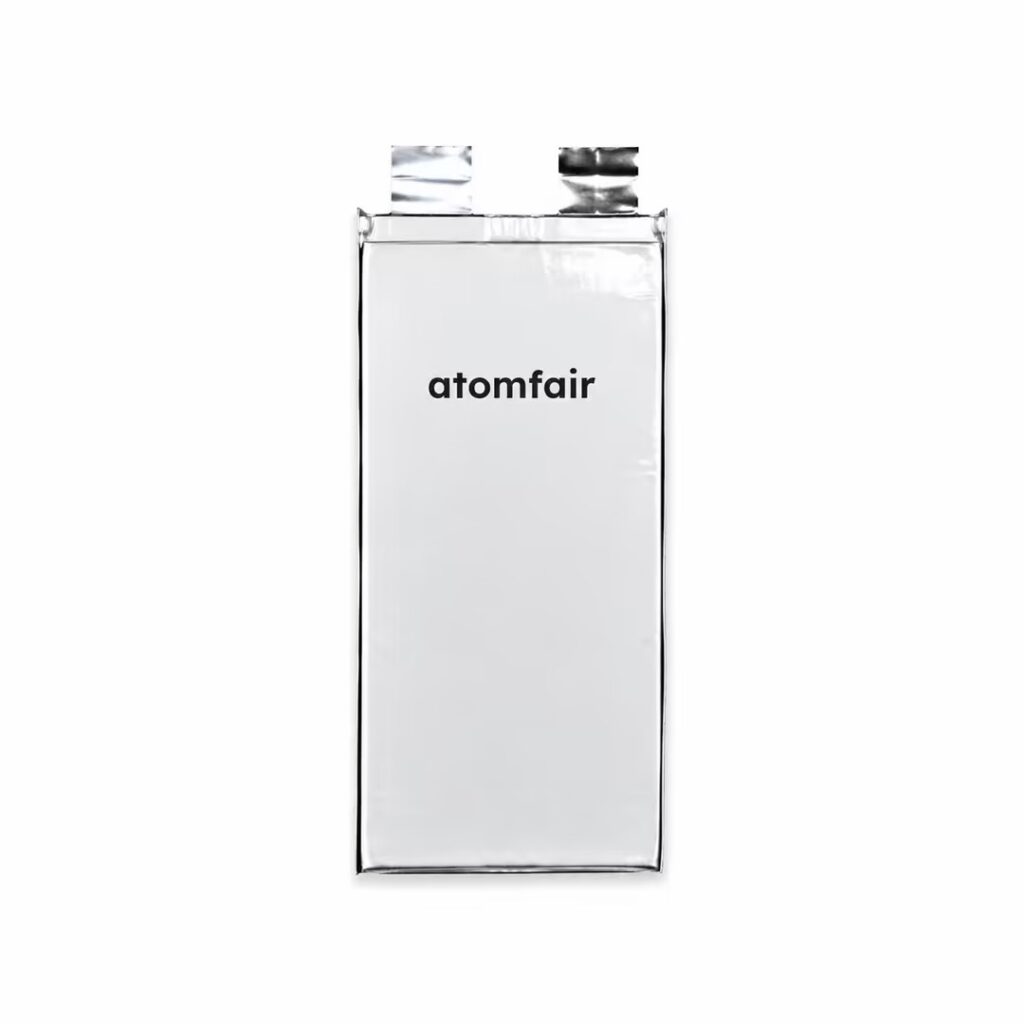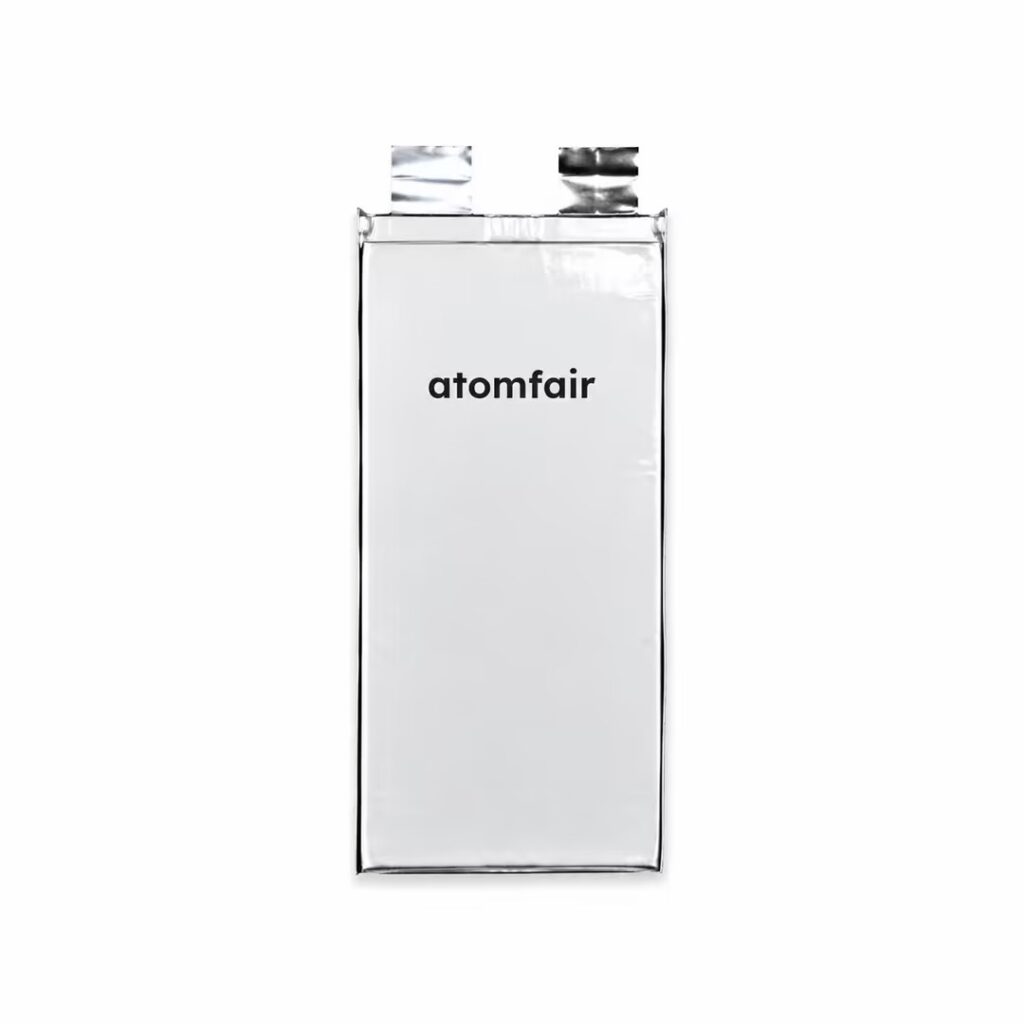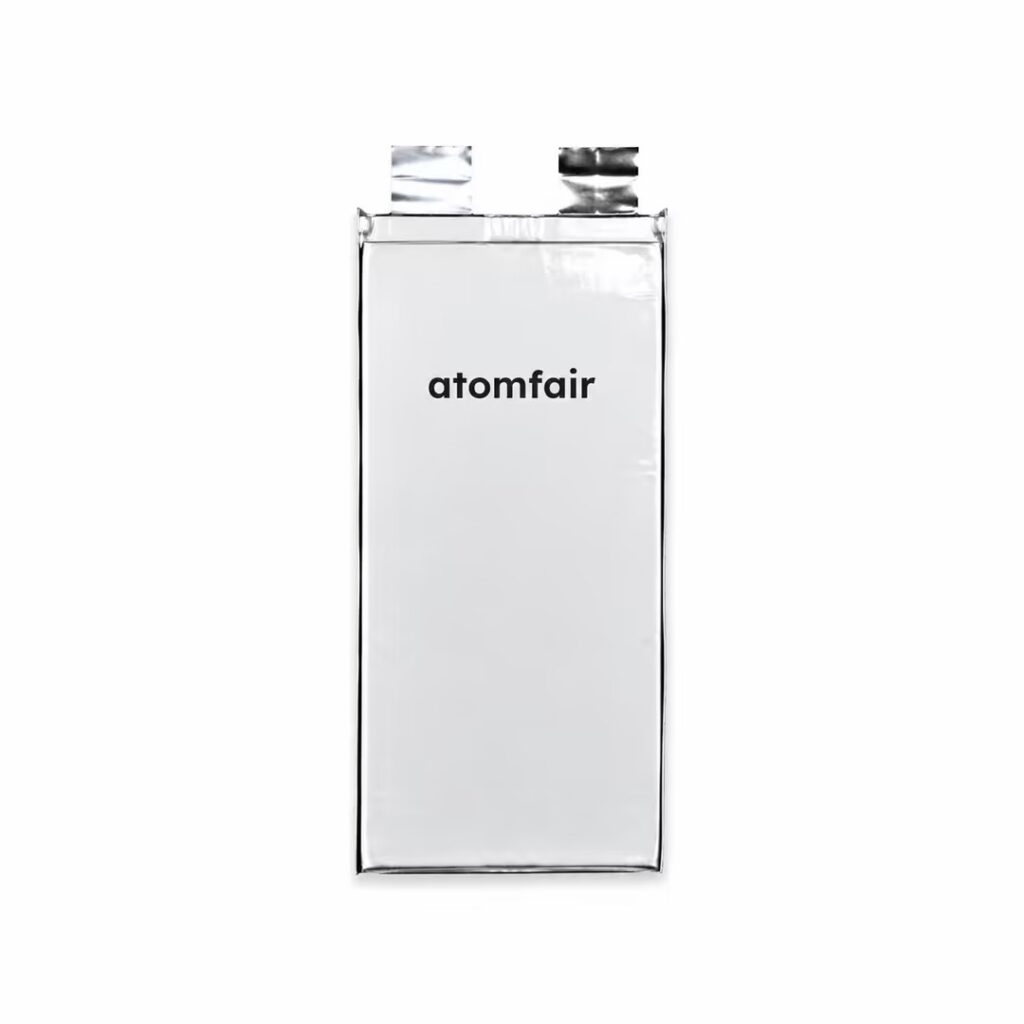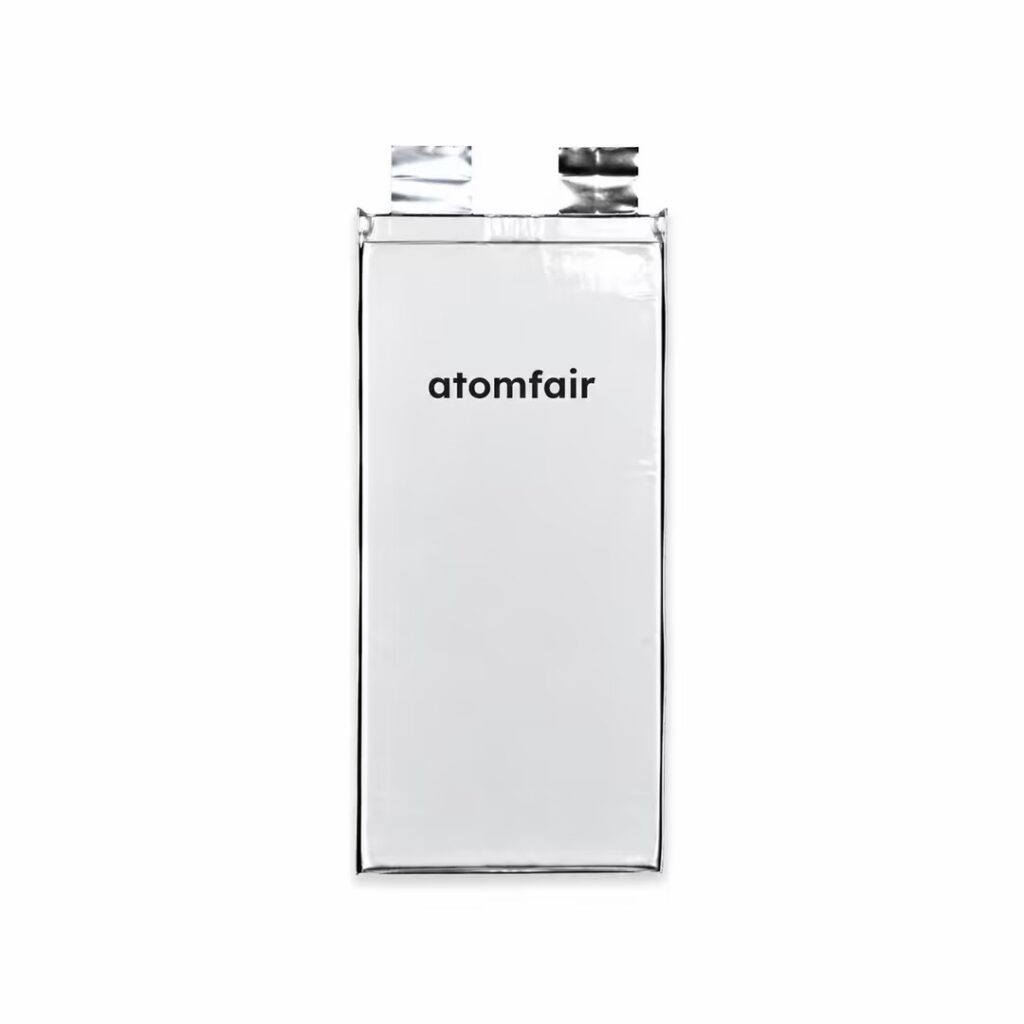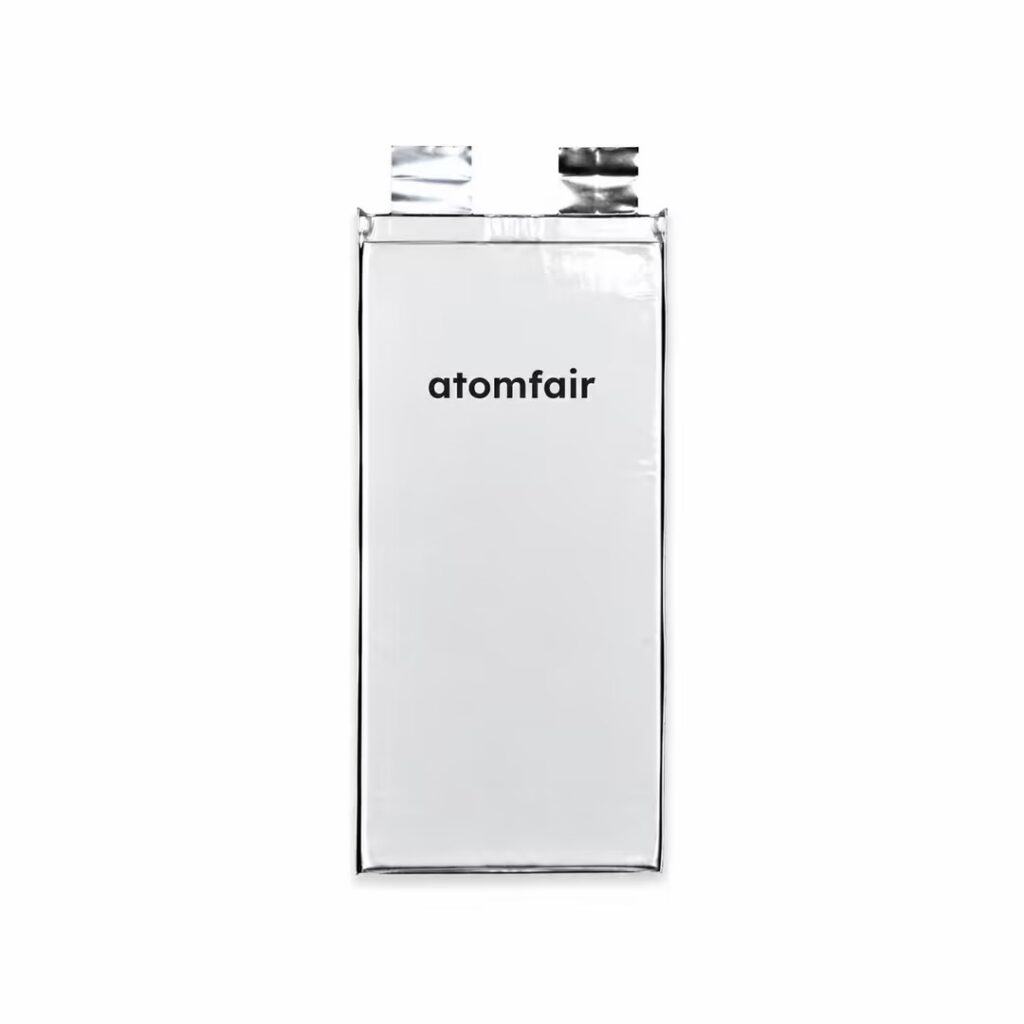
HP Series HPDG Dynamic Solid-State Cells (Ultra-High Discharge Grade) | ATOMFAIRCOMMERCIAL GRADE · PRODUCTION
|
||||||||||||||||||||||||||||
|
||||||||||||||||||||||||||||
|
TAILORED SOLUTIONS FOR RESEARCH
Contact our engineering team for technical support or official institutional quotations.
EMAIL: INQUIRY@ATOMFAIR.COM
|
||||||||||||||||||||||||||||
|
MANUFACTURER: ATOMFAIR LLC
BRAND: ATOMFAIR®
|
||||||||||||||||||||||||||||
These cells require stable external multi-point clamping forces to maintain uniform contact across internal layers. Operation must follow certified charge/discharge parameters with strict avoidance of low potential thresholds to prevent degradation.
- Compression Fixture Requirement: Cells must be housed securely within a rigid compression fixture plate structure to ensure uniform contact boundaries across active internal layers.
- Thermal Management Constraint: Strict internal thermal control must be maintained during high-current discharge to protect surrounding avionics from dangerous heat spikes.
- Low Potential Floor Protection: Terminal contact strings must be prevented from dropping below the specified low potential floor to avoid irreversible capacity loss or structural damage.
- Certified Charge/Discharge Compliance: All charge and discharge parameters must be certified and followed exactly as specified for the cell variant to ensure safe and reliable operation.
These steps ensure proper cell compression, electrical connection, and operational monitoring for high-drain applications. The procedure minimizes risk of thermal runaway and mechanical damage.
Required Equipment: Rigid compression fixture plate
- Secure Cell Array
Secure the individual cell array within a rigid compression fixture plate structure to establish uniform contact boundaries. - Verify Clamping Forces
Verify that multi-point clamping forces are stable and evenly distributed across the entire cell surface before proceeding. - Adhere to Charge/Discharge Parameters
Adhere strictly to the certified charge and discharge parameters for the specific cell variant to maintain safe operation. - Monitor Terminal Voltage
Monitor terminal voltage continuously to prevent contact strings from dropping below the specified low potential floor.
What is the performance trade-off between the 12 Ah and 22 Ah variants of the HPDG solid-state cell for high-discharge drone applications?
The 12 Ah variant (HPDG88124T1-12) delivers an extreme 20C continuous discharge rate, ideal for ultra-high torque maneuvers, while the 22 Ah variant (HPDG87187T1-22) sustains a 12C continuous discharge rate with higher total energy. Both maintain low AC resistance (≤0.6 mΩ and ≤0.65 mΩ respectively at 30% SOC), but the 12 Ah cell prioritizes instantaneous power density, whereas the 22 Ah cell favors extended flight duration at moderate current loads.
Why do HPDG solid-state pouch cells require external compression fixture plates, and how does this affect integration into existing UAV platforms?
The HPDG series solid-state pouch cells demand stable external multi-point clamping forces to maintain uniform contact boundaries across active internal layers, preventing localized delamination and ensuring consistent low-impedance performance. This means researchers and integrators must house individual cell arrays within a rigid compression fixture plate structure, which adds mechanical complexity and weight, but is critical for achieving the specified 20C or 12C continuous discharge capability without thermal runaway.
What are the handling and safety considerations for the HPDG ultra-high discharge solid-state cells during testing and storage?
Operators must follow certified charge/discharge parameters and prevent terminal contact strings from dropping below specified low potential floors to avoid irreversible capacity loss. The cells exhibit industry-leading AC resistance below 0.6 mΩ, minimizing waste heat, but the monolithic framework still requires strict thermal control to protect surrounding avionics. Verified safety testing datasets (UN38.3/MSDS) are available for lot-level monitoring, and stable external clamping forces are mandatory during all operational phases.
The HPDG series solid-state cells deliver extreme continuous discharge rates up to 20C (12Ah variant) with ≤0.6 mΩ internal resistance, providing high power for demanding UAV applications. However, they require rigid external compression fixtures and strict adherence to certified charge/discharge parameters for safe operation.
Positive
- Ultra-high continuous discharge rates: The 12Ah variant supports 20C continuous discharge, while the 22Ah variant supports 12C, providing extreme power for high-speed drone maneuvers. Internal resistance ≤0.6 mΩ minimizes energy loss.
- Thermal stability and cycle life optimization: Engineered to maintain strict thermal control under high-current loads, protecting avionics, and retaining capacity stability over extensive testing cycles.
Trade-offs
- Requires external compression fixture: Solid-state pouch cells demand stable multi-point clamping forces to maintain uniform contact across internal layers, necessitating a rigid compression fixture plate structure for safe operation.
- Strict operational parameter compliance needed: Cells must be operated within certified charge/discharge parameters and prevented from dropping below specified low potential floors to avoid degradation or safety issues.
Every advanced material, component, equipment, and instrument in our catalog is backed by rigorous testing. We maintain strict internal quality management frameworks and align with CE conformity metrics to deliver transparent, reproducible performance data via our public open-science repository.
To request raw batch performance data, submit formal vendor registration paperwork, or execute a fast-turnaround R&D manufacturing loop, contact us at inquiry@atomfair.com.
Item is dispatched under the Atomfair Shipping & Delivery Framework (Free worldwide shipping on orders over $59 USD excl. heavy equipment). Return is governed by the Atomfair Return & Refund Policy (7-day technical return window).