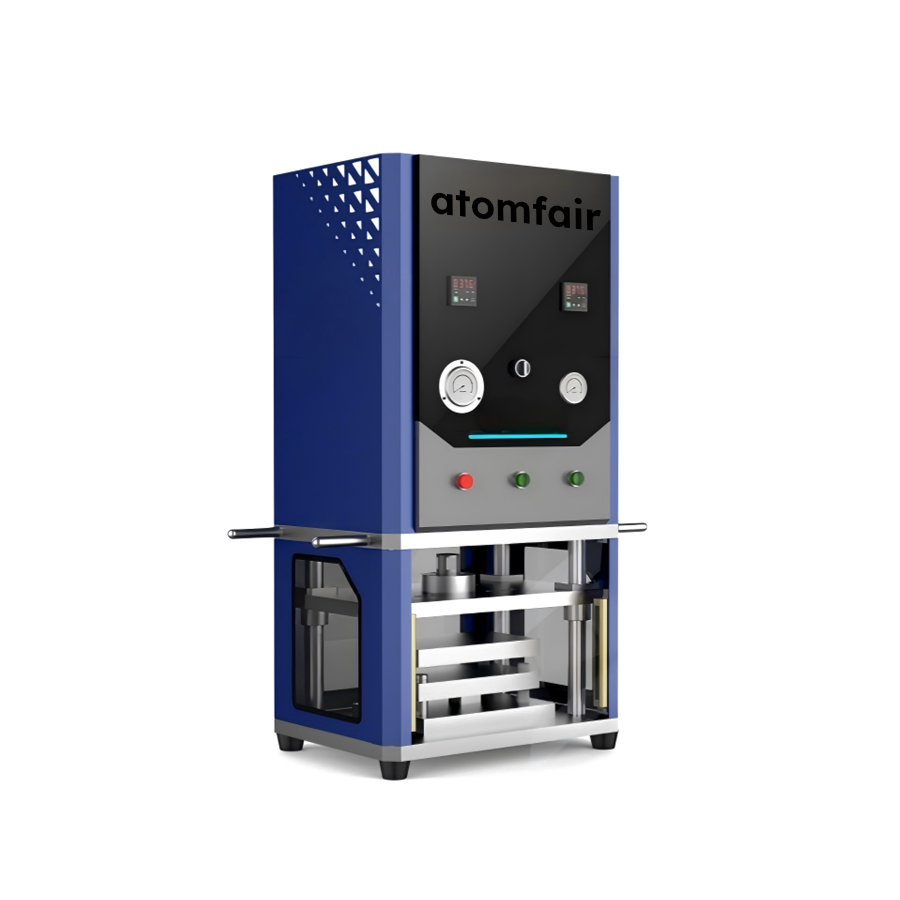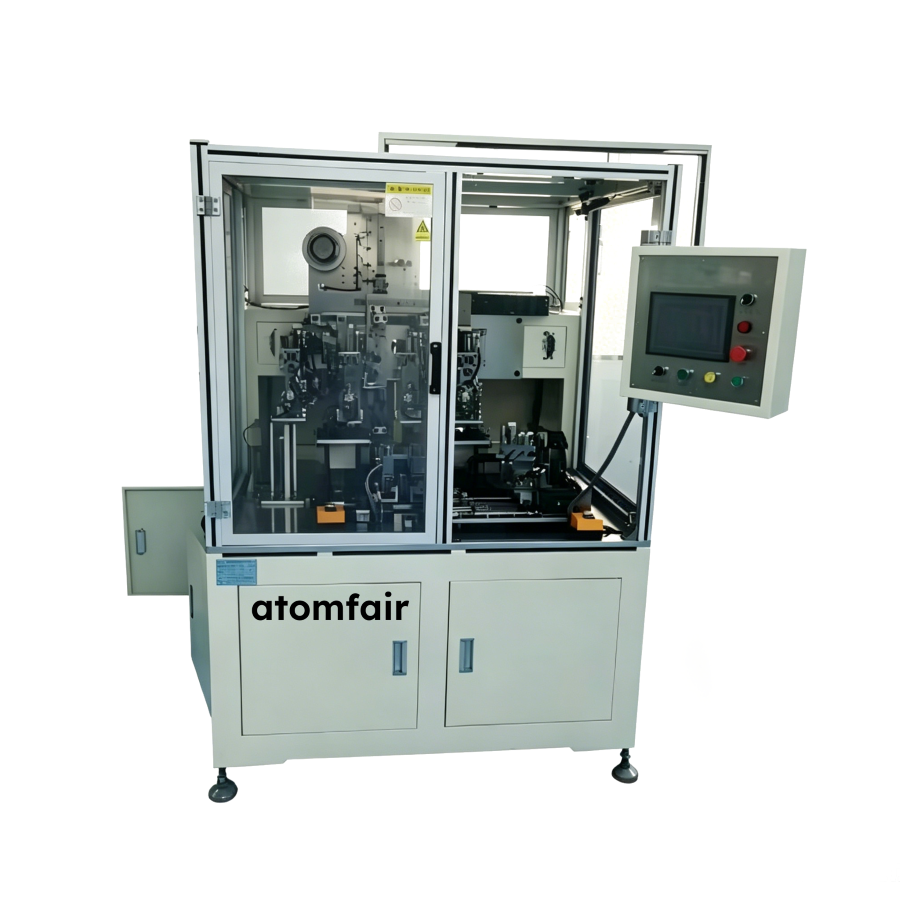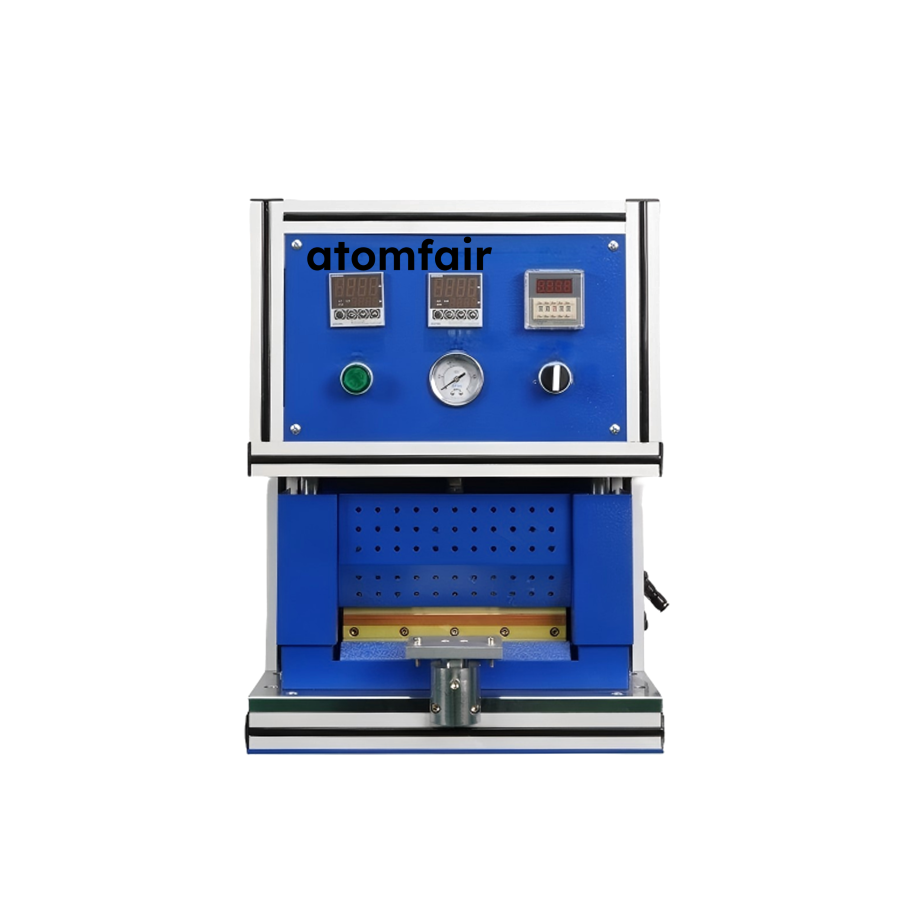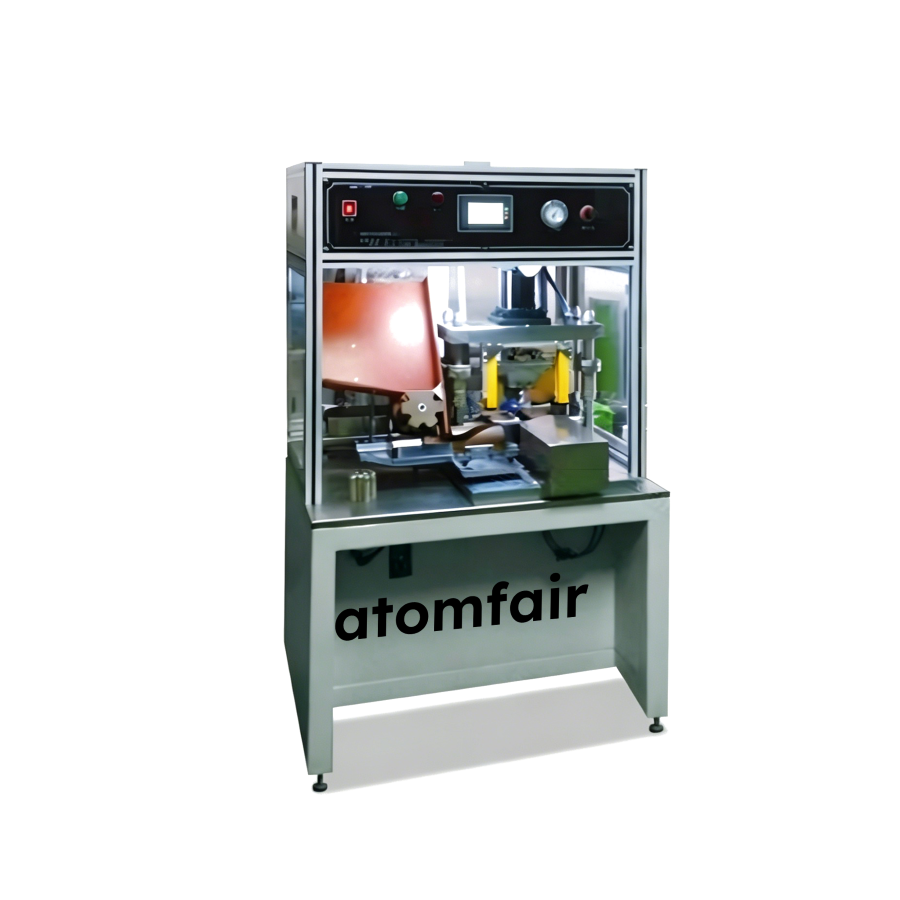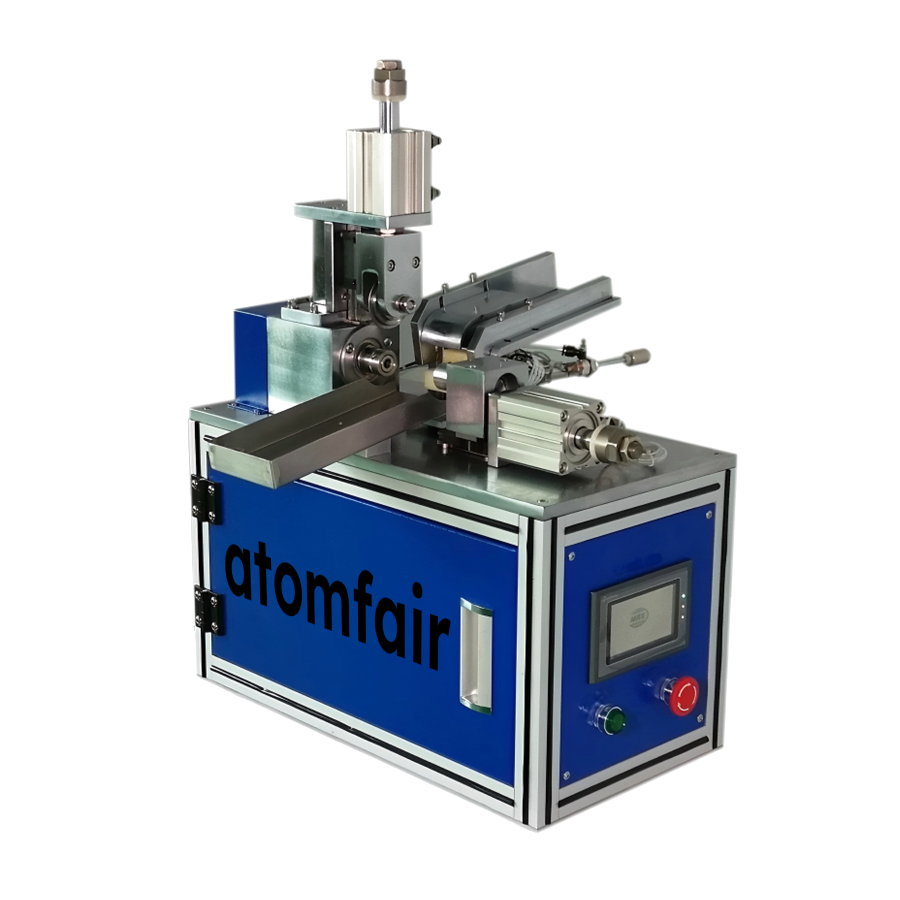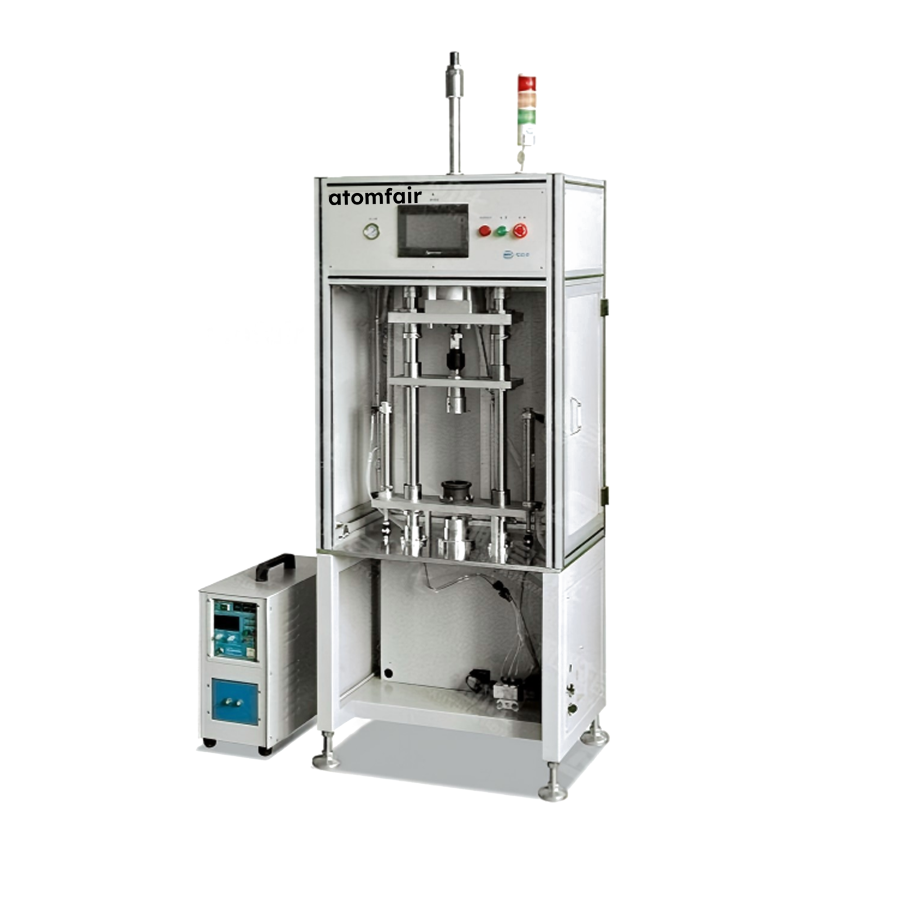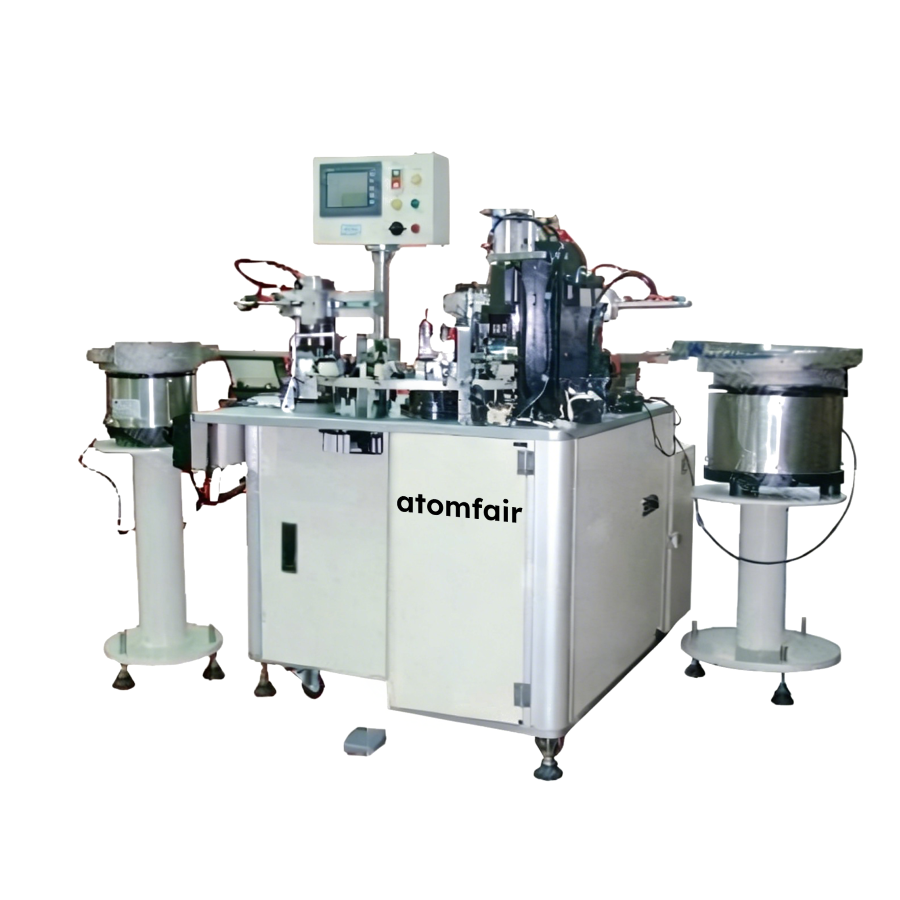
ATOMFAIR® ATOMFAIR-AOR-264 RIVETING MACHINERESEARCH GRADE MATERIAL
|
|||||||||||||||||||||||||||||||||||
|
|||||||||||||||||||||||||||||||||||
This machine requires a stable electrical supply of 220V/50Hz and compressed air at 0.5–0.7 MPa for safe operation. It must be installed on a level, dry surface with adequate ventilation to prevent electrical hazards and mechanical instability.
- Electrical Safety Requirement: Connect only to a grounded 220V/50Hz power source rated for a minimum of 2KW to avoid overload or fire risk.
- Compressed Air Limitation: Regulate the air supply pressure strictly within 0.5–0.7 MPa to prevent damage to pneumatic components and ensure consistent riveting force.
- Mechanical Hazard Prevention: Keep all guards in place and ensure the work area is clear of obstructions before energizing the machine.
- Environmental Storage Condition: Store the machine in a clean, dry environment away from corrosive gases or excessive moisture to preserve the hydraulic system and electrical controls.
- Operator Protection Requirement: Operators must wear appropriate personal protective equipment, including safety glasses and hearing protection, during machine operation.
This procedure covers the safe startup, loading, and automatic riveting of L-type capacitors. Follow each step sequentially to ensure proper operation and fault detection.
Required Equipment: Hydraulic riveting system with adjustable pressure, 12-station precision divider turntable, PLC control system with HMI touch panel, Intelligent fault detection and alarm system
- Power and Air Supply Connection
Connect the machine to a 220V/50Hz electrical outlet and regulate the compressed air supply to 0.5–0.7 MPa before powering on. - Parameter Configuration via HMI
Set the riveting parameters, such as pressure and cycle time, using the PLC HMI touch panel according to the capacitor dimensions. - Manual Component Loading
Load the capacitor cells, washers, and bakelite covers manually onto the designated positions on the 12-station turntable. - Automatic Assembly Initiation
Initiate the automatic assembly sequence by pressing the start button on the control panel to begin the riveting process. - Fault Monitoring and Response
Monitor the intelligent fault detection system for any alarms; if triggered, stop the machine and inspect for missing parts or abnormalities.
How does the adjustable hydraulic pressure system optimize riveting force for L-type capacitors of different diameters within the Φ22–Φ35 mm range?
The hydraulic riveting system delivers stable high pressure that can be easily adjusted to match the required riveting force for each capacitor diameter. For smaller Φ22 mm capacitors, lower pressure prevents component damage, while larger Φ35 mm capacitors benefit from increased force to ensure secure riveting. This adjustability within the specified diameter range ensures consistent, high-quality assembly without manual retooling.
Can the Atomfair-AOR-264 accommodate non-standard capacitor diameters outside the standard Φ22–Φ35 mm range?
The standard applicable product diameter is Φ22–Φ35 mm, but the machine is explicitly stated as 'customizable,' allowing modifications to handle non-standard diameters. Customization would likely involve adjusting the turntable stations and feeder mechanisms, but specific tolerances are not detailed. For diameters outside this range, consultation with the manufacturer at inquiry@atomfair.com is required.
What facility utility requirements must be met to install and operate the Atomfair-AOR-264?
The machine requires a compressed air supply of 0.5–0.7 MPa and a 220V/50Hz electrical connection with 2KW power capacity. With dimensions of 1050mm x 1500mm x 1700mm and a weight of 950 kg, the installation area must support heavy equipment and allow access for maintenance. These standard industrial utilities are typically available in manufacturing facilities, but verification prior to installation is recommended.
This hydraulic riveting machine is purpose-built for L-type capacitor assembly, integrating a 12-station turntable with intelligent fault detection to ensure high-precision, automated riveting of cells, washers, and bakelite covers. Key operational considerations include the need for a compressed air supply of 0.5–0.7 MPa and the manual cell loading step, which introduces a dependency on operator consistency.
Positive
- Hydraulic riveting with stable high pressure: The hydraulic system delivers consistent, adjustable high pressure for reliable riveting across various capacitor diameters, improving assembly repeatability.
- 12-station turntable for efficient multi-station operation: The precision divider turntable enables concurrent processing at multiple stations, increasing throughput while maintaining alignment accuracy.
Trade-offs
- Requires compressed air supply infrastructure: The machine needs an external compressed air source at 0.5–0.7 MPa, mandating installation of an air compressor and filtration system in the lab or production floor.
- Heavy machine necessitates robust floor mounting: At 950 kg, the unit requires a reinforced floor or dedicated mounting frame, and specialized equipment for transport and installation.
Every advanced material, component, equipment, and instrument in our catalog is backed by rigorous testing. We maintain strict internal quality management frameworks and align with CE conformity metrics to deliver transparent, reproducible performance data via our public open-science repository.
To request raw batch performance data, submit formal vendor registration paperwork, or execute a fast-turnaround R&D manufacturing loop, contact us at inquiry@atomfair.com.
Item is dispatched under the Atomfair Shipping & Delivery Framework (Free worldwide shipping on orders over $59 USD excl. heavy equipment). Return is governed by the Atomfair Return & Refund Policy (7-day technical return window).