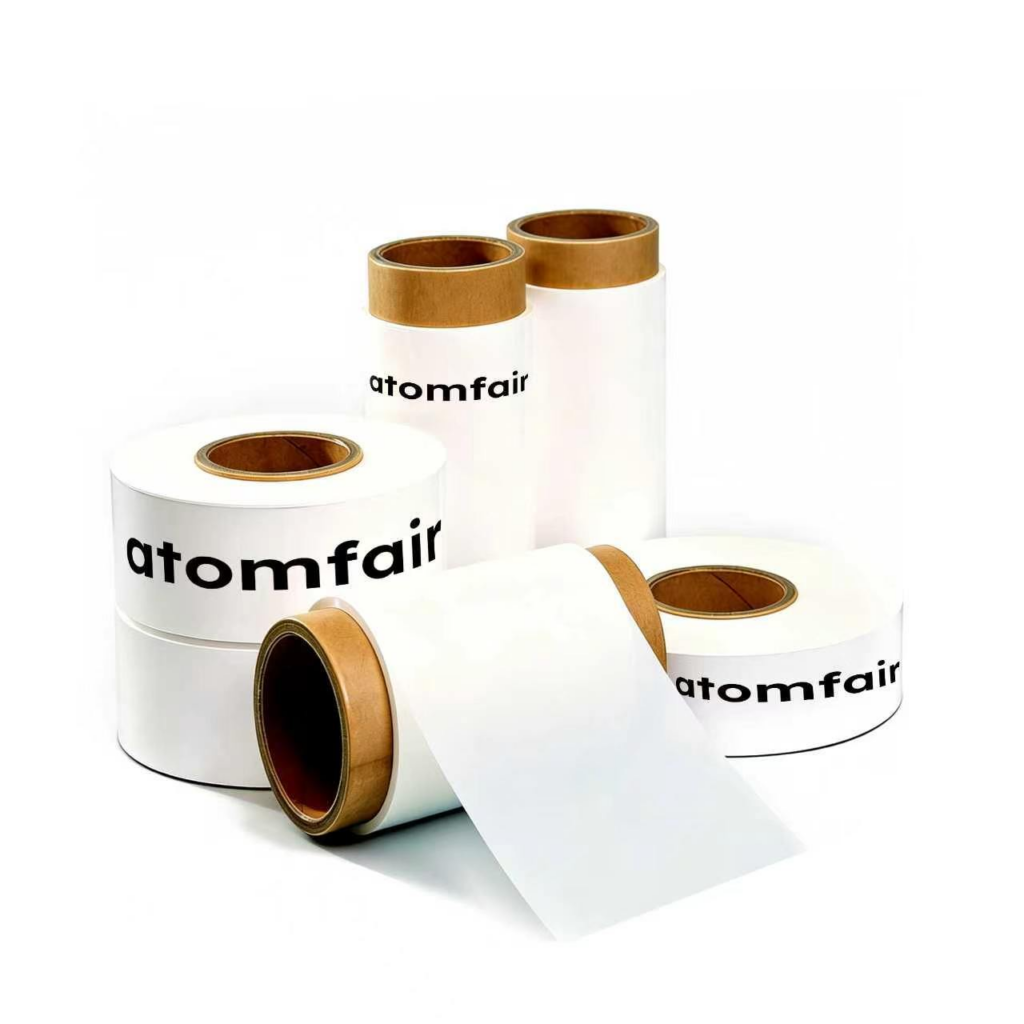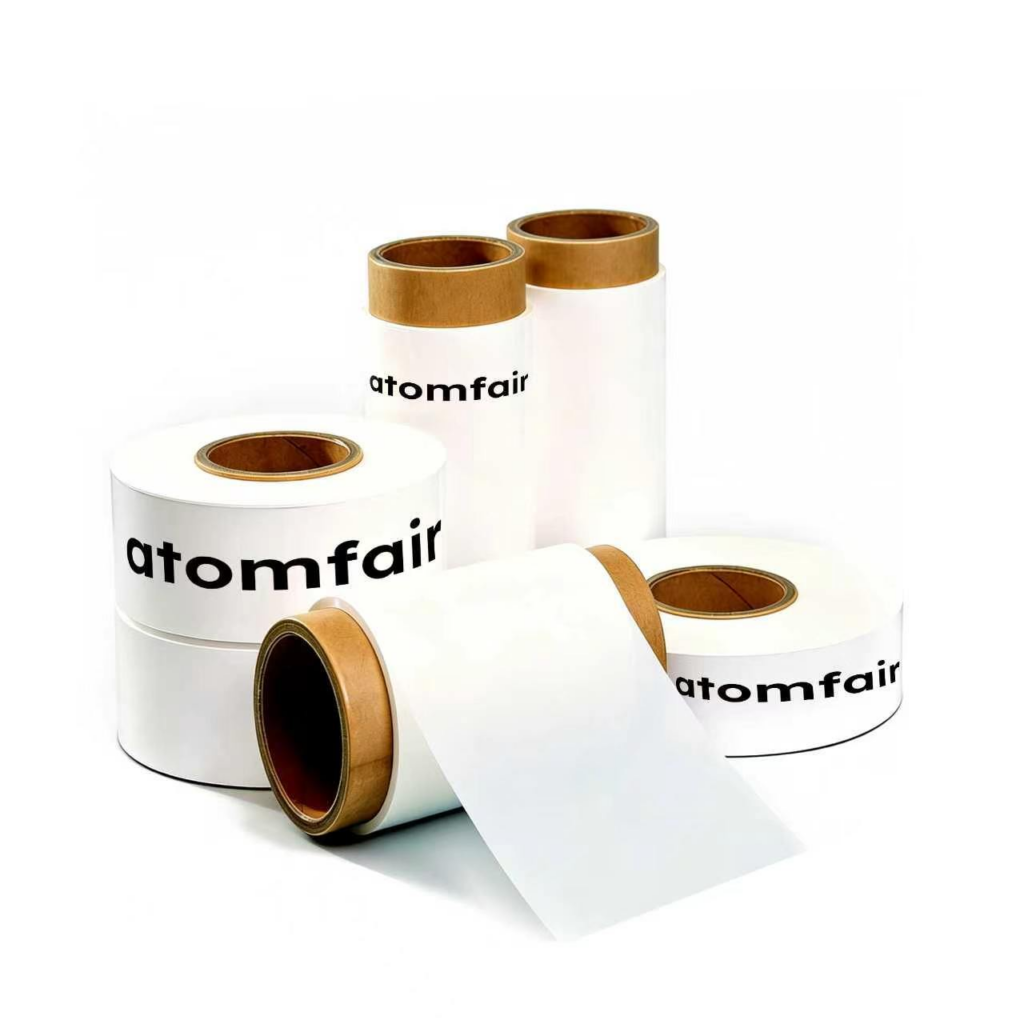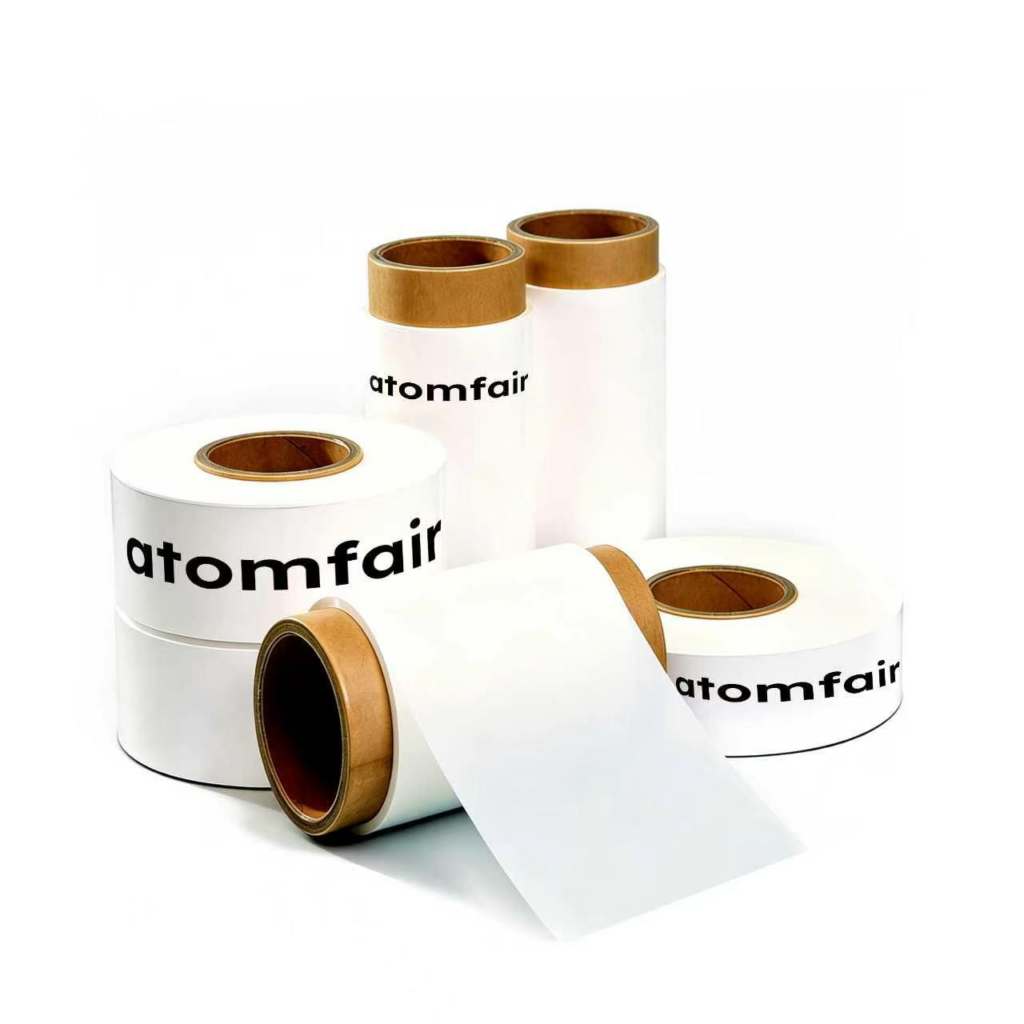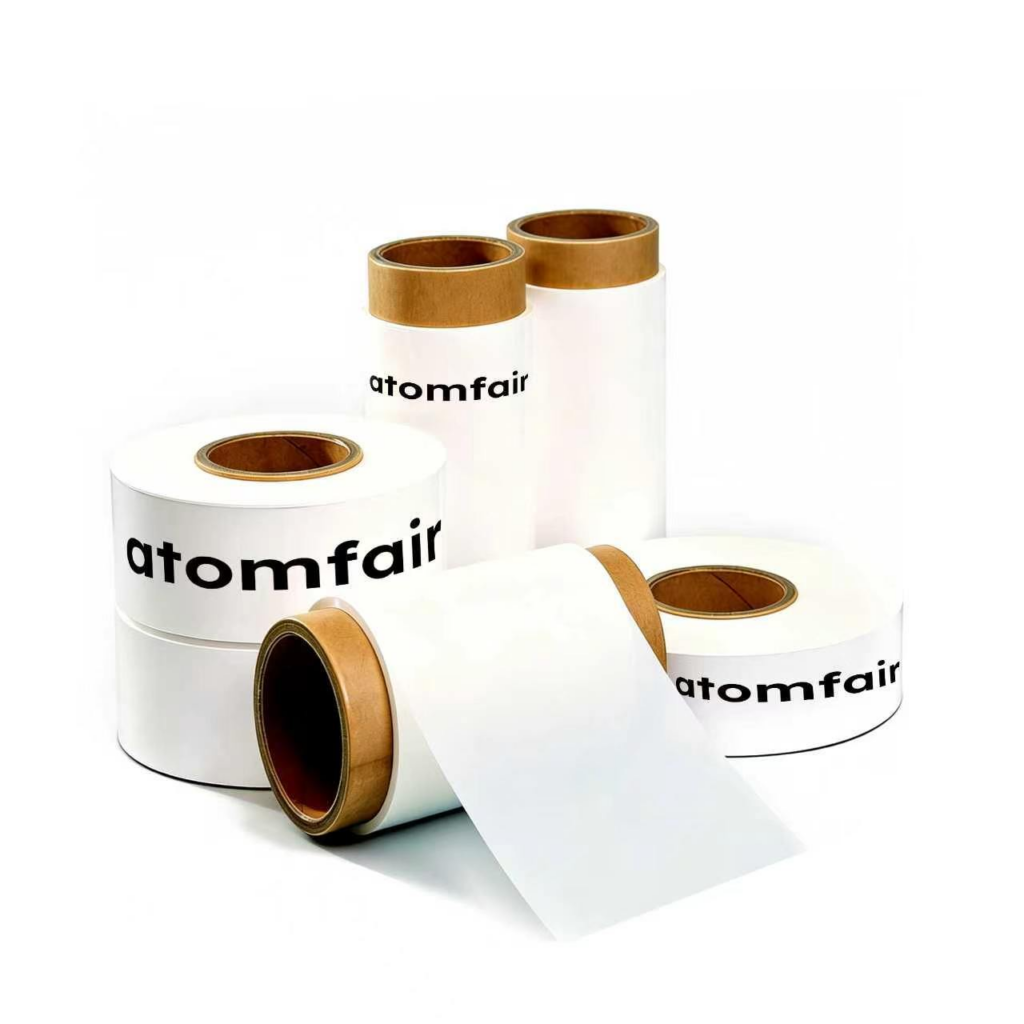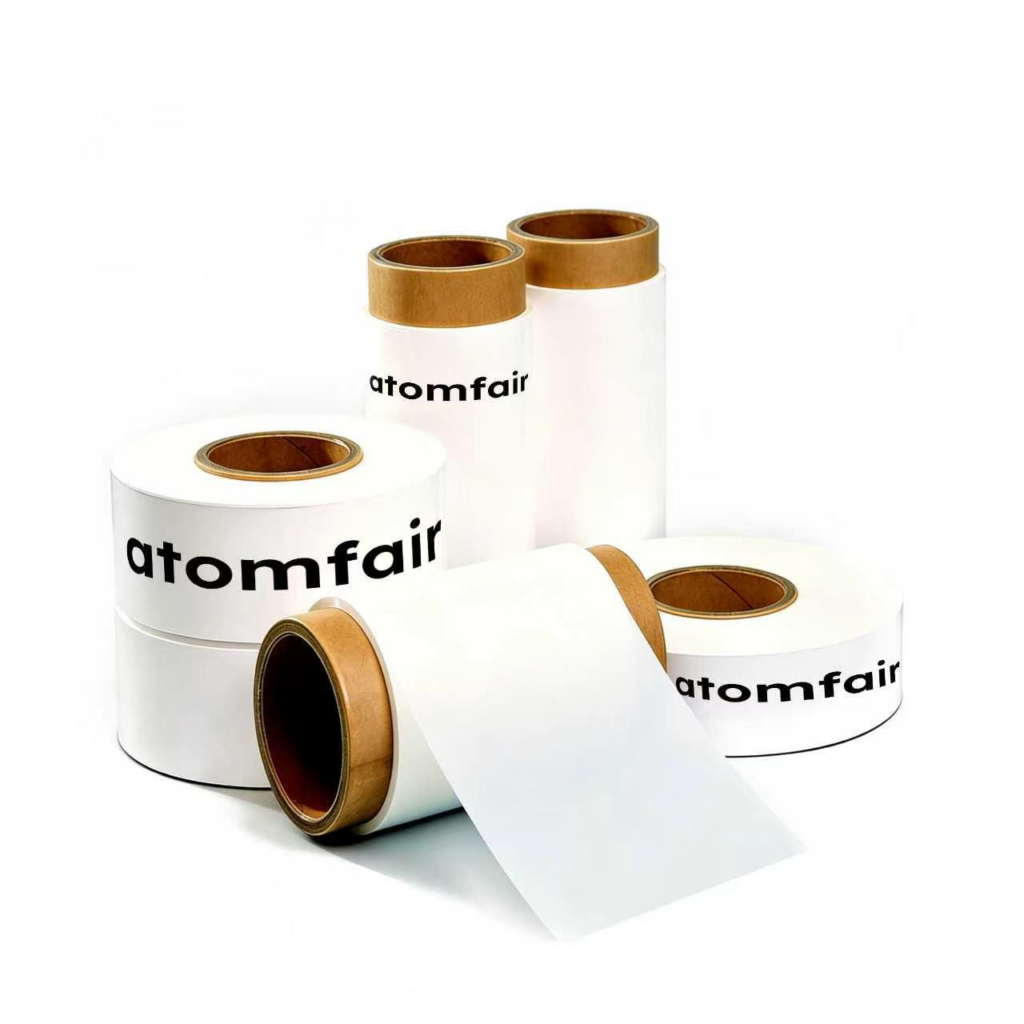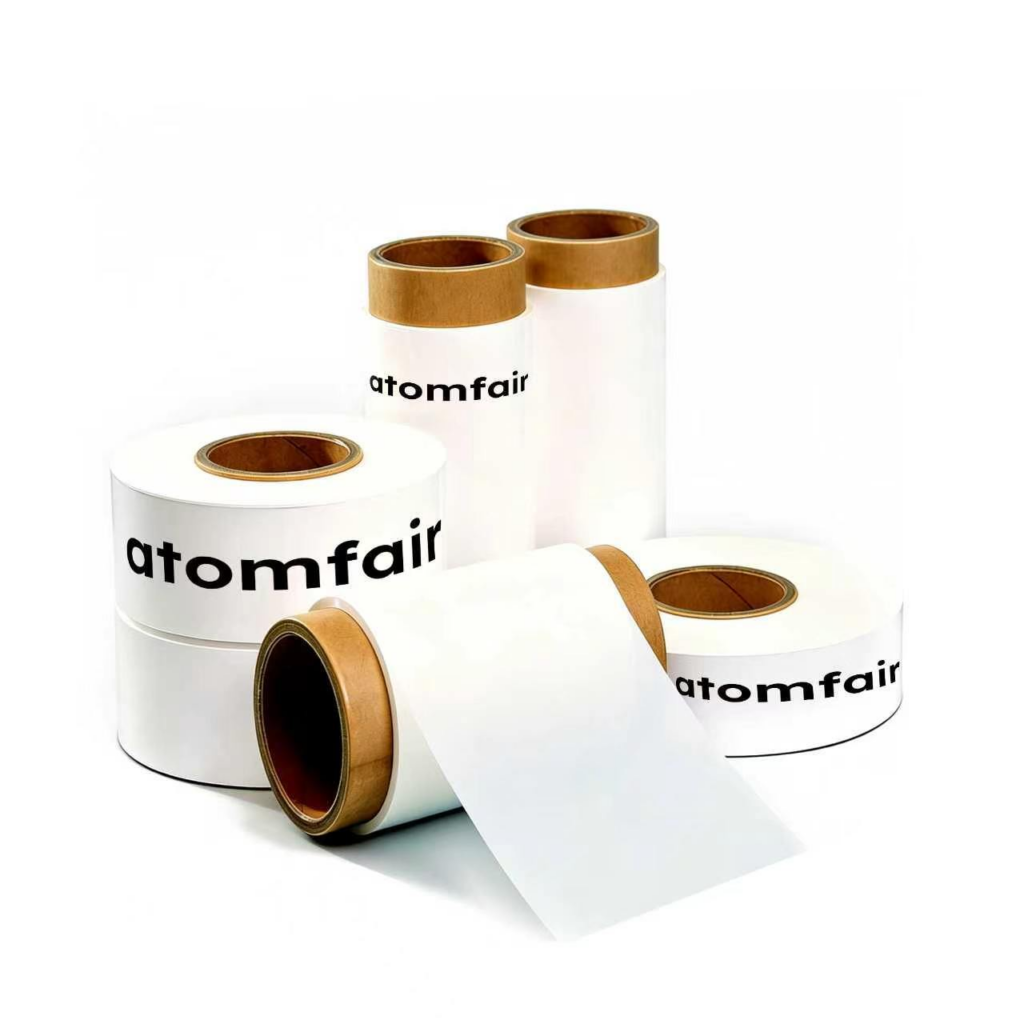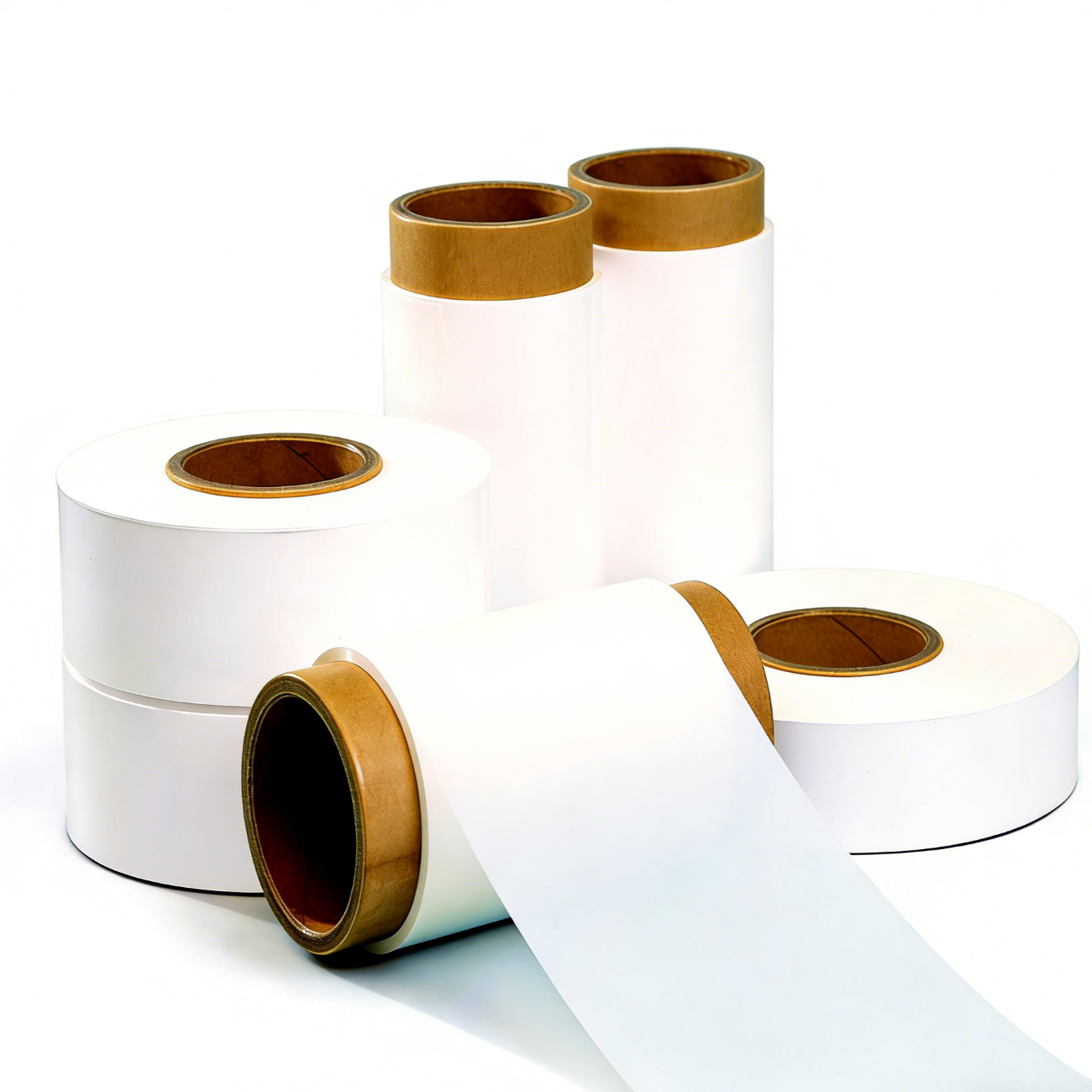
ATOMFAIR® 25UM LI-BATTERY SEPARATOR HIGH-STABILITY MICROPOROUS FILMRESEARCH GRADE MATERIAL
|
|||||||||||||||||||||||||
|
|||||||||||||||||||||||||
Key Features & Advantages |
|
|
APPLICATION SCOPE: Li-ion battery half-cell testing, full coin-cell (CR2032/CR2025) assembly, pouch-cell prototyping, academic electrolyte/separator interaction studies, and pilot-scale battery R&D.
PACKAGING: Sealed moisture-barrier aluminized foil bags with desiccant; standard roll format (width 60–300 mm customizable) under vacuum-sealed conditions; net weight per roll: 2.5–5.0 kg depending on width and length.
IMPORTANT NOTICE: This product is highly sensitive to ambient moisture and static charge. Keep containers tightly sealed or handle exclusively within a dry room (dew point ≤ -40°C) or inert gas glovebox to prevent pore collapse, surface contamination, or electrostatic damage before electrode winding and electrolyte filling.
|
|
TAILORED SOLUTIONS FOR RESEARCH
Contact our engineering team for technical support or official institutional quotations.
EMAIL: inquiry@atomfair.com
|
|
Manufacturer: Atomfair LLC
Brand: ATOMFair
|
This document outlines environmental storage constraints and material stability parameters for the Atomfair dry process PP separator designed for lithium-rich manganese-based battery research. The separator requires sealed storage in a dry, ventilated environment away from heat sources and direct sunlight to prevent degradation.
- Storage Environment Requirements: Store the separator in a sealed container under normal or low temperature, dry, and ventilated conditions to maintain integrity.
- Thermal Stability Parameters: The separator exhibits longitudinal thermal shrinkage of 1.8% and transverse shrinkage of 0.1% at elevated temperatures, with a melting point of 167°C.
- Mechanical Integrity Constraints: Ensure the separator is not subjected to forces exceeding its puncture strength of 167g or tensile strengths of 172 kg/cm³ (MD) and 429 kg/cm³ (TD) to avoid damage.
- Compatibility Considerations: This polypropylene-based separator is optimized for use in lithium-rich manganese-based battery chemistries and may require compatibility testing with other electrolyte systems.
- Transportation Precautions: Avoid sun exposure, fire baking, and rain during transportation to prevent thermal degradation or moisture contamination.
How does the 25 μm thickness and 40% porosity of this dry PP separator affect the balance between mechanical puncture resistance and ionic permeability for Li-rich Mn-based battery applications?
The 25 μm thickness provides a robust mechanical backbone with a longitudinal tensile strength of 172 kg/cm³ and puncture strength of 167 g, while the 40% porosity and air permeability of 349 s ensure adequate ionic transport. This combination is specifically engineered for Li-rich Mn-based chemistries that require both high voltage stability and resistance to cathode volume changes.
How does the low transverse thermal shrinkage of 0.1% at the 167°C melting point influence electrode alignment during high-temperature lamination of Li-rich Mn-based pouch cells?
The near-zero transverse shrinkage (0.1% TD) ensures that the separator maintains precise dimensional stability during thermal processes, critical for preventing electrode misalignment in large-format pouch cells. This is particularly important given the 167°C melting temperature, which defines the upper thermal limit for safe cell fabrication and operation.
What packaging and storage protocols are recommended for this 25 μm dry PP separator to preserve its tensile strength and porosity before cell assembly?
The separator is packaged in plastic-sealed bags with cushion pads to prevent mechanical damage during transport. Storage must be in a sealed, low-temperature, dry, and ventilated environment, away from fire and heat sources, to maintain its 172/429 kg/cm³ tensile strengths and 40% porosity.
This 25 μm dry-process PP separator is engineered for Li-rich Mn-based battery research, offering high transverse tensile strength (429 kg/cm³) and low transverse thermal shrinkage (0.1%) to ensure mechanical and dimensional stability, while its 349 s air permeability necessitates careful electrolyte wetting optimization.
Positive
- High Transverse Tensile Strength: With a transverse tensile strength of 429 kg/cm³, this separator provides robust mechanical integrity in the cross-web direction, reducing the risk of tear propagation during cell winding and assembly.
- Low Transverse Thermal Shrinkage: The 0.1% transverse thermal shrinkage ensures excellent dimensional stability under elevated temperatures, critical for maintaining electrode alignment in Li-rich Mn-based battery stacks.
Trade-offs
- Air Permeability of 349 Seconds: The relatively high Gurley value of 349 seconds indicates elevated ionic resistance, which may limit rate capability and require optimization of electrolyte wetting in thick-electrode or high-power cell designs.
- Strict Storage and Handling Requirements: The separator must be stored in a dry, ventilated environment away from heat sources and open flame, and protected from sun exposure and rain during transport, imposing controlled conditions on inventory management.
Every advanced material, component, equipment, and instrument in our catalog is backed by rigorous testing. We maintain strict internal quality management frameworks and align with CE conformity metrics to deliver transparent, reproducible performance data via our public open-science repository.
To request raw batch performance data, submit formal vendor registration paperwork, or execute a fast-turnaround R&D manufacturing loop, contact us at inquiry@atomfair.com.
Item is dispatched under the Atomfair Shipping & Delivery Framework (Free worldwide shipping on orders over $59 USD excl. heavy equipment). Return is governed by the Atomfair Return & Refund Policy (7-day technical return window).