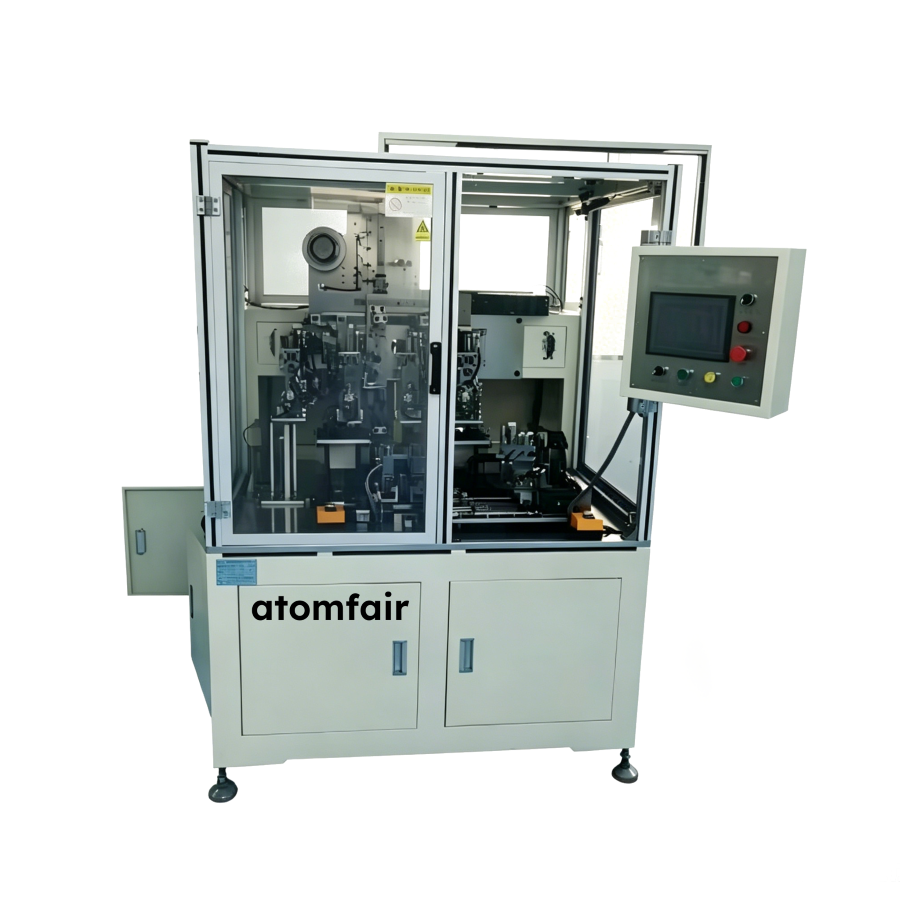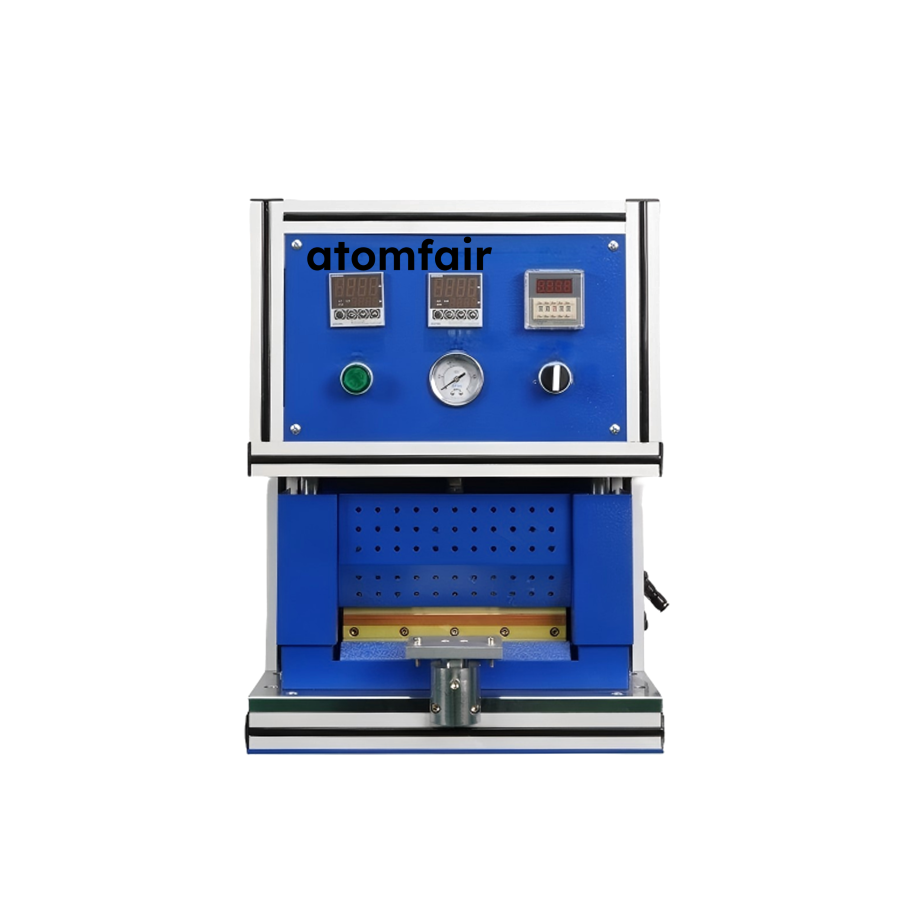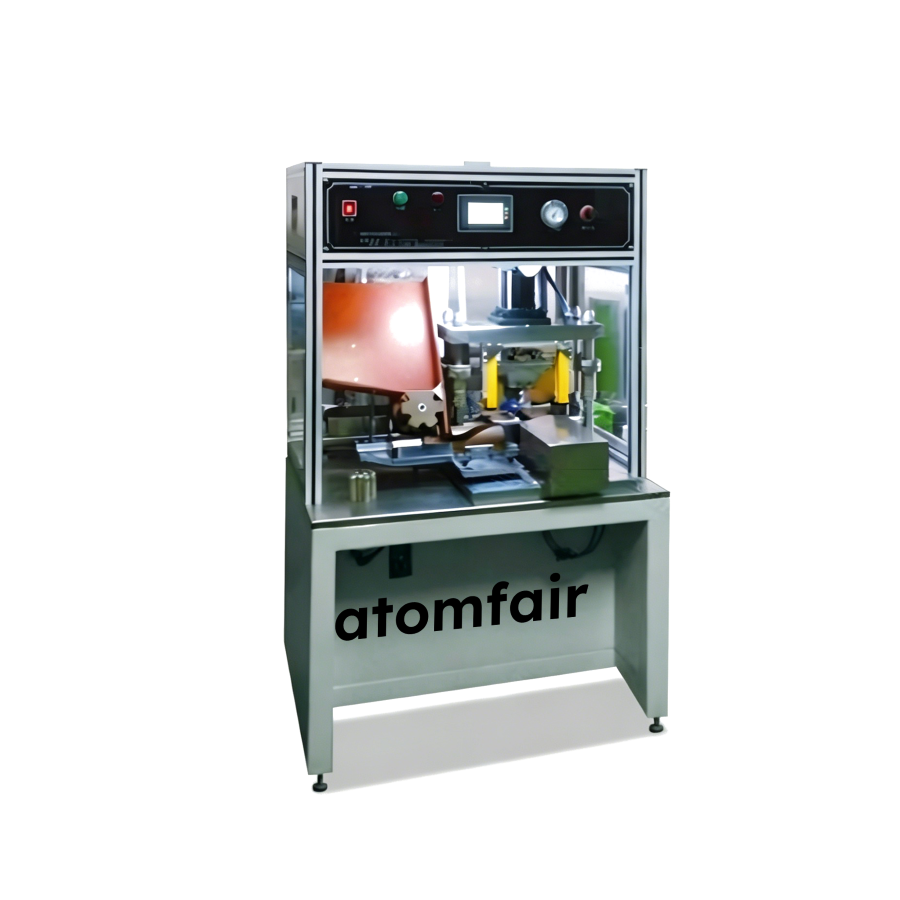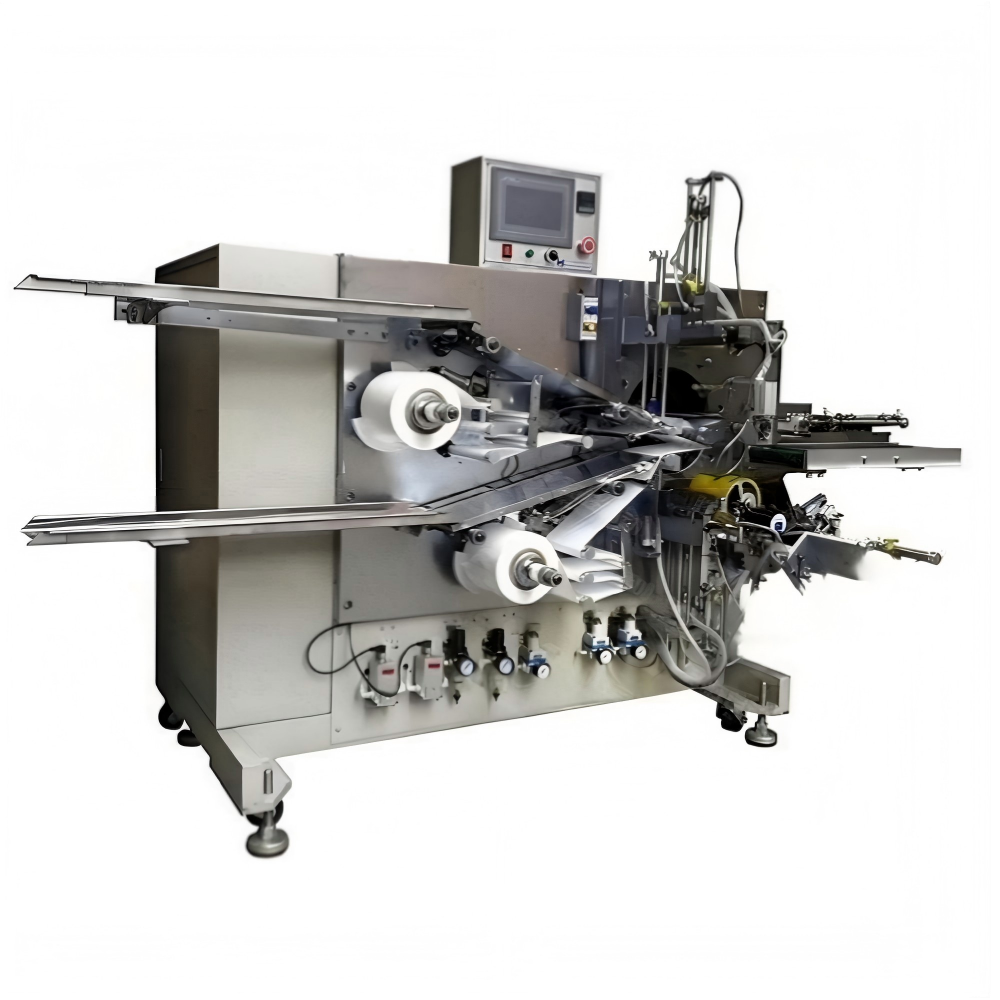
ATOMFAIR CSWM-8632 CYLINDRICAL SEMI-AUTOMATIC WINDING MACHINERESEARCH GRADE EQUIPMENT
|
|||||||||||||||||||||||||||||||||||||||||||||||||||||||||||||||||||||
|
|||||||||||||||||||||||||||||||||||||||||||||||||||||||||||||||||||||
|
TAILORED SOLUTIONS FOR RESEARCH
Contact our engineering team for technical support or official institutional quotations.
EMAIL: inquiry@atomfair.com
|
|||||||||||||||||||||||||||||||||||||||||||||||||||||||||||||||||||||
|
Manufacturer: Atomfair LLC
Brand: ATOMFAIR®
|
Operational constraints for the CSWM-8632 are defined by material specifications and alignment tolerances. Qualified material conditions are required to achieve the stated qualification rate.
- Material Dimensional Constraints: Electrode widths must be between 28 and 73 mm, and separator widths between 30 and 75 mm, with separator thickness ranging from 0.012 to 0.045 mm.
- Alignment Tolerance Constraint: Separator, electrode, and cross-section alignment errors must each remain within ±0.5 mm to maintain the specified qualification rate.
- Qualification Rate Condition: The ≥98% qualification rate is only valid under qualified material conditions and excludes non-equipment factors.
Setup and operation of the CSWM-8632 require adherence to material specifications and alignment tolerances. The machine performs semi-automatic winding with manual electrode feeding.
Required Equipment: CSWM-8632 winding machine, Winding needle (diameter 1.8–6.0 mm), Separator rolls (width 30–75 mm), Termination tape (width 8–60 mm)
- Load Materials
Load the positive electrode, negative electrode, and separator rolls onto their respective unwind stations, ensuring the electrode and separator widths are within the specified ranges. - Thread the Separator
Thread the separator from each unwind station through the tension control system and around the winding needle, ensuring proper alignment with the electrode path. - Set Winding Parameters
Set the winding parameters on the operator interface, including electrode length, width, and the desired finished cell outer diameter. - Initiate Winding
Initiate the winding cycle by pressing the start button, allowing the machine to automatically wind the electrode and separator layers around the needle. - Apply Termination Tape
Allow the automatic taping system to apply the termination tape transversely to secure the cell, ensuring the tape is flat and does not stretch the cell. - Remove Finished Cell
Remove the finished cell from the winding needle after the needle is withdrawn, taking care to avoid disturbing the winding alignment. - Inspect Alignment
Inspect the finished cell for separator and electrode alignment, verifying that the alignment errors are within the ±0.5 mm specification.
What is the maximum electrode width and minimum winding needle diameter the ATOMFAIR CSWM-8632 can handle for cylindrical cell winding?
The CSWM-8632 supports electrode widths from 28 to 73 mm and winding needle diameters from 1.8 to 6.0 mm (customizable). This allows winding of cells with outer diameters from 6 to 35 mm, with a qualification rate of ≥98% under qualified material conditions.
How does the dual tension control system on the CSWM-8632 maintain alignment accuracy during winding?
The machine uses dual active separator unwinding with tension proximity switch regulation, providing independent upper and lower tension control. This automatically and smoothly adjusts tension during winding, helping to maintain separator, electrode, and cross-section alignment errors all within ±0.5 mm.
What are the material dimensional limits for electrodes and separators on the CSWM-8632, and how do they affect production capacity?
Electrodes can be 150–1000 mm long, 28–73 mm wide, and 0.1–0.2 mm thick; separators are 30–75 mm wide and 0.012–0.045 mm thick. Production capacity is 5–10 pcs/min, adjustable based on electrode length and width, with longer or wider electrodes reducing throughput.
The ATOMFAIR CSWM-8632 semi-automatic cylindrical winding machine delivers ±0.5 mm alignment precision and ≥98% qualification rate under qualified material conditions, with dual active separator tension control and transverse termination taping for stable lithium-ion cell winding in research and pilot production.
Positive
- ±0.5 mm alignment precision: Separator, electrode, and cross-section alignment errors are each ≤ ±0.5 mm, enabling consistent cell geometry and a qualification rate ≥98% under qualified material conditions.
- Independent dual tension control: Dual active separator unwinding with tension proximity switch regulation provides automatic, smooth tension adjustment with independent upper and lower control, reducing winding defects and improving cell quality.
Trade-offs
- Material-dependent qualification rate: The ≥98% qualification rate is specified only under qualified material conditions and excludes non-equipment factors, so substandard electrodes or separators will reduce yield.
- Semi-automatic manual feeding: Electrode feeding is manual, limiting throughput to 5–10 pcs/min and requiring operator skill to maintain alignment and tension consistency across batches.
Every advanced material, component, equipment, and instrument in our catalog is backed by rigorous testing. We maintain strict internal quality management frameworks and align with CE conformity metrics to deliver transparent, reproducible performance data via our public open-science repository.
To request raw batch performance data, submit formal vendor registration paperwork, or execute a fast-turnaround R&D manufacturing loop, contact us at inquiry@atomfair.com.
Item is dispatched under the Atomfair Shipping & Delivery Framework (Free worldwide shipping on orders over $59 USD excl. heavy equipment). Return is governed by the Atomfair Return & Refund Policy (7-day technical return window).