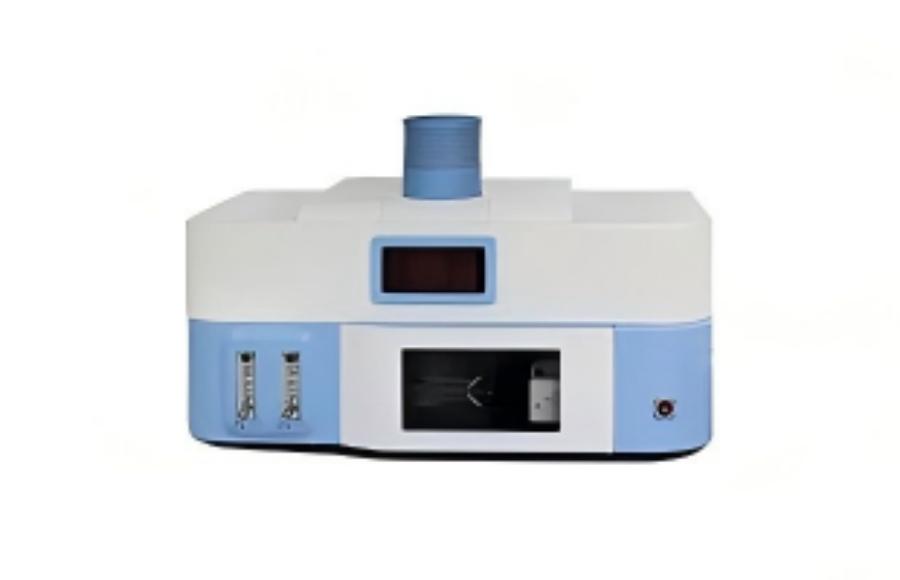
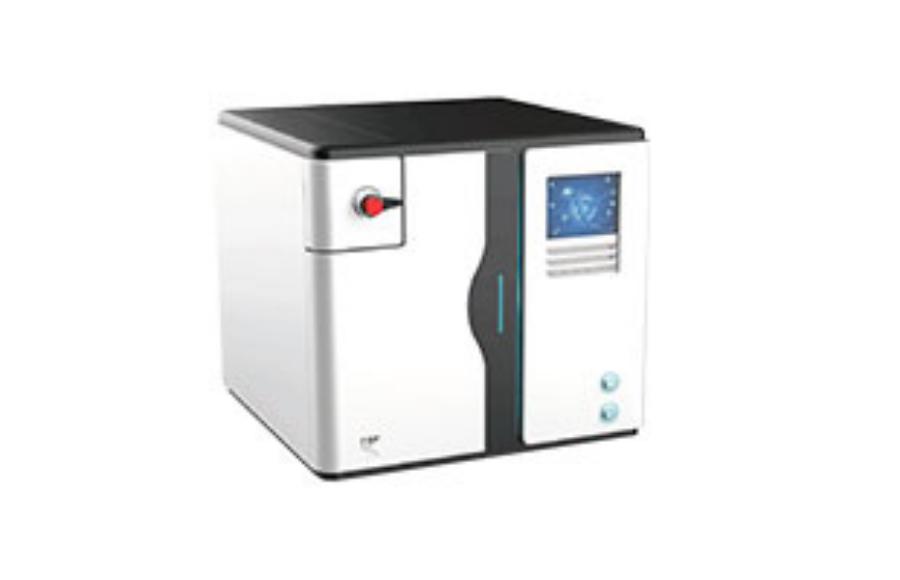
Atomfair AMS-815 Optical System Aberration Measurement Experiment Instrument
1. Product Overview
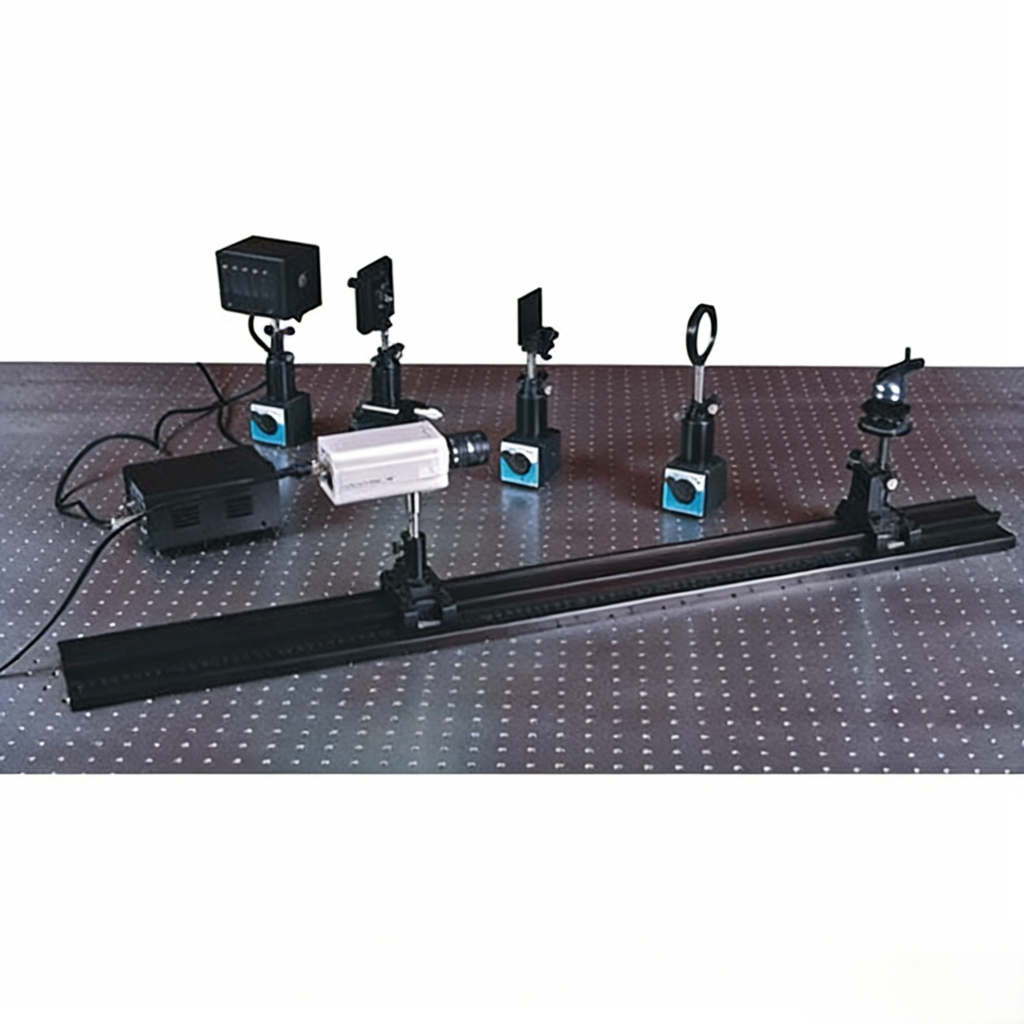
Atomfair AMS-815 Optical System Aberration Measurement Experiment Instrument adopts a specially designed aberration lens with clear presentation of aberration phenomena. The involved knowledge points are closely aligned with the core content of aberration theory, making it an ideal teaching experiment system to help students firmly master aberration theory, suitable for the teaching needs of physics/engineering optics majors.
2. Core Features
-
- Equipped with a specially designed aberration lens, the aberration phenomena are intuitive and clear, easy to observe and learn;
-
- Knowledge points focus on the key points of aberration theory, with highly targeted experimental design to help implement theory into practice;
-
- Diversified experimental methods, covering simulation, observation, measurement and other forms, adapting to core teaching needs.
3. Main Experimental Content
-
- Computer simulation of optical system aberration;
-
- Adjustment and use of collimator and measurement of positional chromatic aberration;
-
- Observation of monochromatic aberration of optical system by star test method;
-
- Observation of optical system aberration by shadow method and principle of knife-edge tester;
-
- Measurement of optical system aberration by shearing interference.
4. Core Knowledge Points
-
- Monochromatic aberration of optical system (spherical aberration, coma, field curvature, astigmatism, distortion);
-
- Theories related to positional chromatic aberration;
-
- Methods for observing and measuring aberration such as star test method, shadow method, shearing interference method.
5. Specification Parameters (International Standard)
-
- Core components: Specially designed aberration lens, meeting the accuracy requirements of teaching-level aberration observation;
-
- Experimental coverage: Compatible with simulation, observation and measurement experiments of monochromatic aberration and positional chromatic aberration;
-
- Adapted methods: Supports diversified experimental methods such as computer simulation, star test method, shadow method, shearing interference method;
-
- Teaching adaptability: Experimental design conforms to the teaching logic of overseas optics majors, with comprehensive coverage of knowledge points.
6. Customization Services
Configuration parameters related to experimental content and supporting teaching resources can be customized according to the curriculum settings and teaching priorities of institutions.
If youe interested, have any questions, or have specific customization requirements, please feel free to contact us at inquiry@atomfair.com.
The instrument requires precise alignment of the collimator and test optics for accurate aberration measurements. The experimental methods, including star test and shearing interference, necessitate proper optical configuration and adjustment.
- Collimator Alignment: Proper adjustment of the collimator is required for measuring positional chromatic aberration.
How does the specially designed aberration lens in the Atomfair AMS-815 enhance the learning of aberration theory compared to standard optical lenses?
The AMS-815 uses a specially designed aberration lens that presents monochromatic aberrations (spherical aberration, coma, field curvature, astigmatism, distortion) and positional chromatic aberration in an intuitive and clear manner. This allows students to directly observe and measure these phenomena in a controlled teaching setup, bridging the gap between theoretical knowledge and practical understanding, which is difficult to achieve with standard lenses that typically minimize such aberrations.
What experimental methods for measuring optical aberrations does the Atomfair AMS-815 support, and how do they complement each other?
The instrument supports computer simulation, the star test method, the shadow method (knife-edge tester principle), and shearing interference. These methods collectively enable students to simulate, observe, and measure both monochromatic and chromatic aberrations. The combination allows for cross-validation of results from different techniques, reinforcing key concepts in aberration theory as outlined in the experimental content.
Are there specific alignment requirements when using the collimator in the Atomfair AMS-815 for measuring positional chromatic aberration?
Yes, the experimental content explicitly includes the adjustment and use of the collimator for measuring positional chromatic aberration, indicating that proper alignment is essential for accurate measurements. The system is designed for teaching environments, so these alignment procedures are part of the learning process, requiring careful setup to obtain reliable results.
The AMS-815 is a teaching-grade optical system aberration measurement instrument that integrates a specially designed aberration lens with simulation, observation, and measurement methods, covering monochromatic and positional chromatic aberration theory for physics and engineering optics curricula.
Positive
- Specially designed aberration lens: The instrument includes a specially designed aberration lens that presents aberration phenomena intuitively and clearly, facilitating observation and learning of monochromatic and positional chromatic aberrations.
- Diversified experimental methods: Supports computer simulation, star test, shadow method, and shearing interference, enabling comprehensive coverage of aberration observation and measurement techniques aligned with core teaching needs.
Trade-offs
- Teaching-level accuracy only: The aberration lens meets teaching-level accuracy requirements, which may limit its suitability for research-grade or high-precision metrology applications.
- Requires optical lab infrastructure: Experiments require a collimator, optical bench, and alignment tools, demanding a properly equipped optics laboratory and trained personnel for setup and measurement.
Every advanced material, component, equipment, and instrument in our catalog is backed by rigorous testing. We maintain strict internal quality management frameworks and align with CE conformity metrics to deliver transparent, reproducible performance data via our public open-science repository.
To request raw batch performance data, submit formal vendor registration paperwork, or execute a fast-turnaround R&D manufacturing loop, contact us at inquiry@atomfair.com.
Item is dispatched under the Atomfair Shipping & Delivery Framework (Free worldwide shipping on orders over $59 USD excl. heavy equipment). Return is governed by the Atomfair Return & Refund Policy (7-day technical return window).