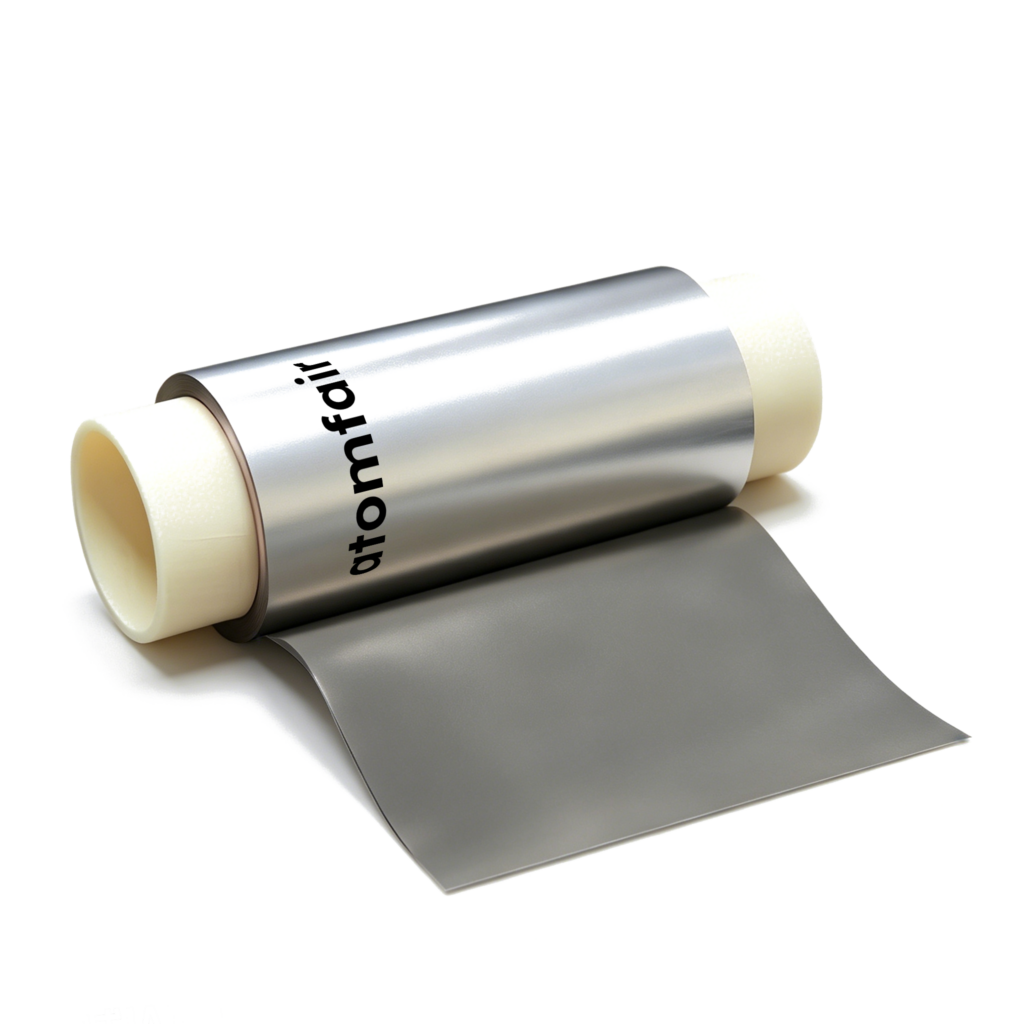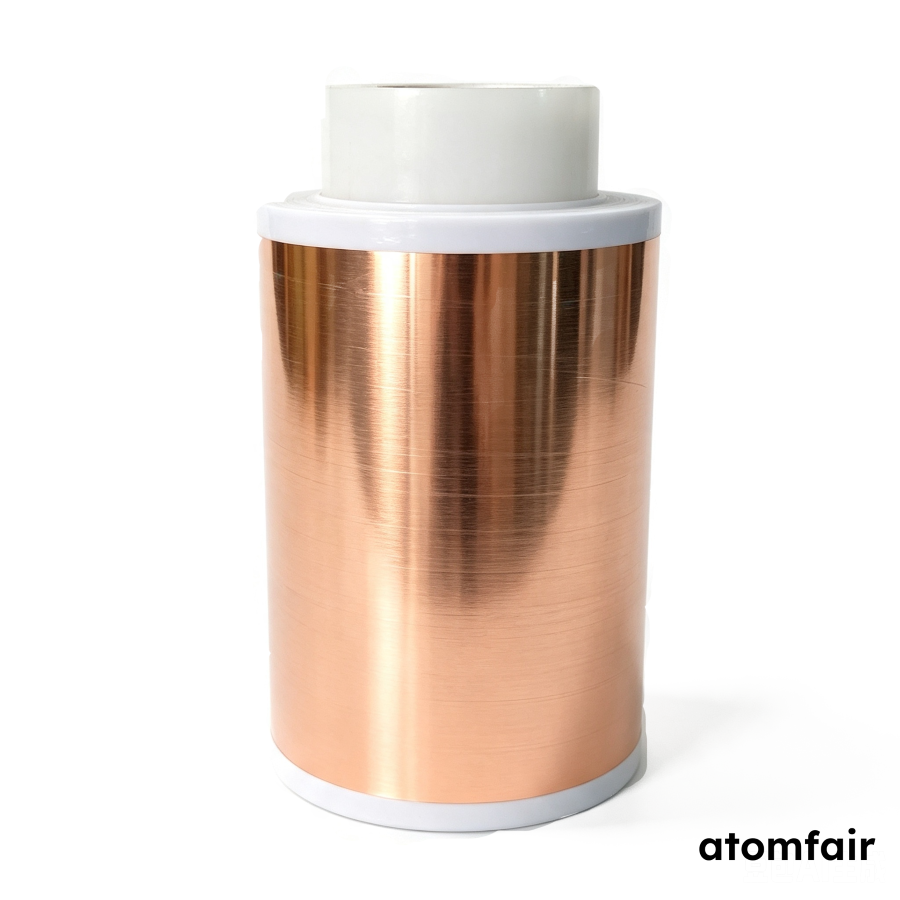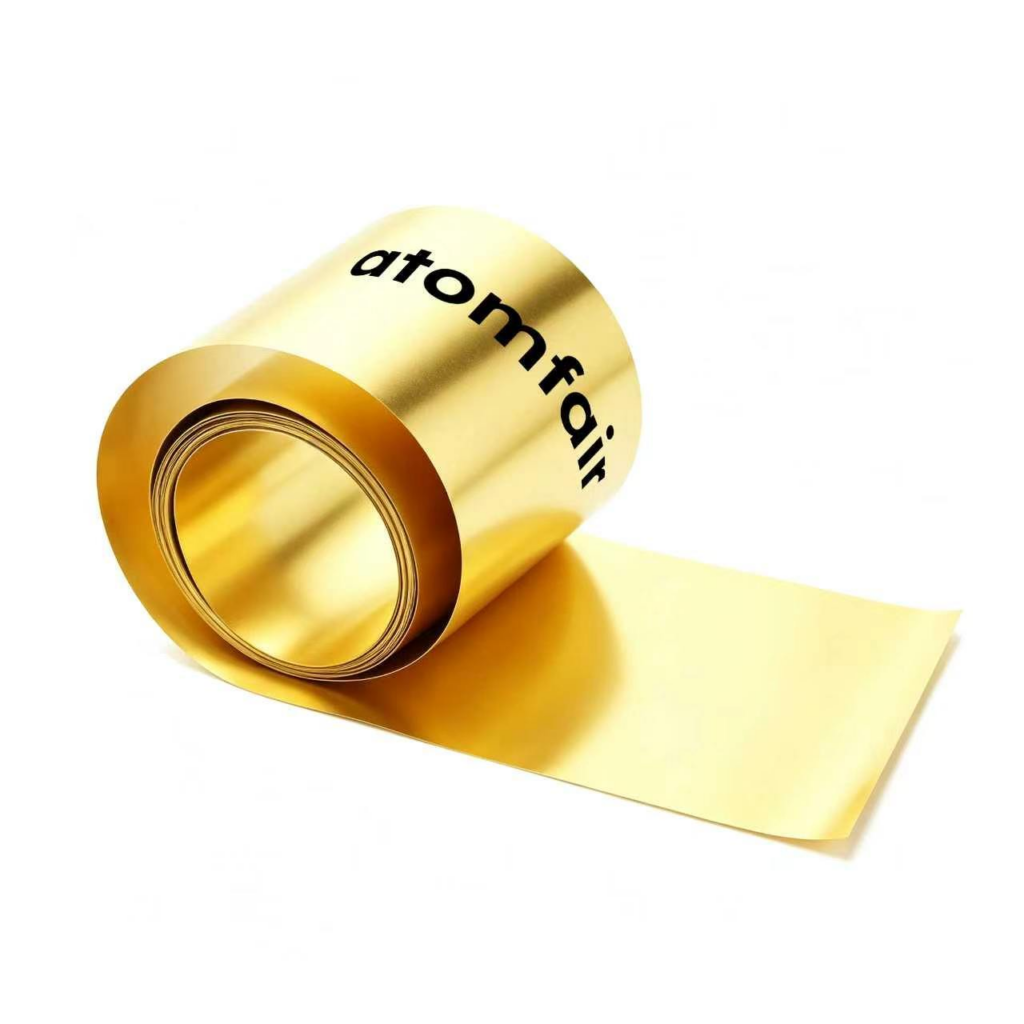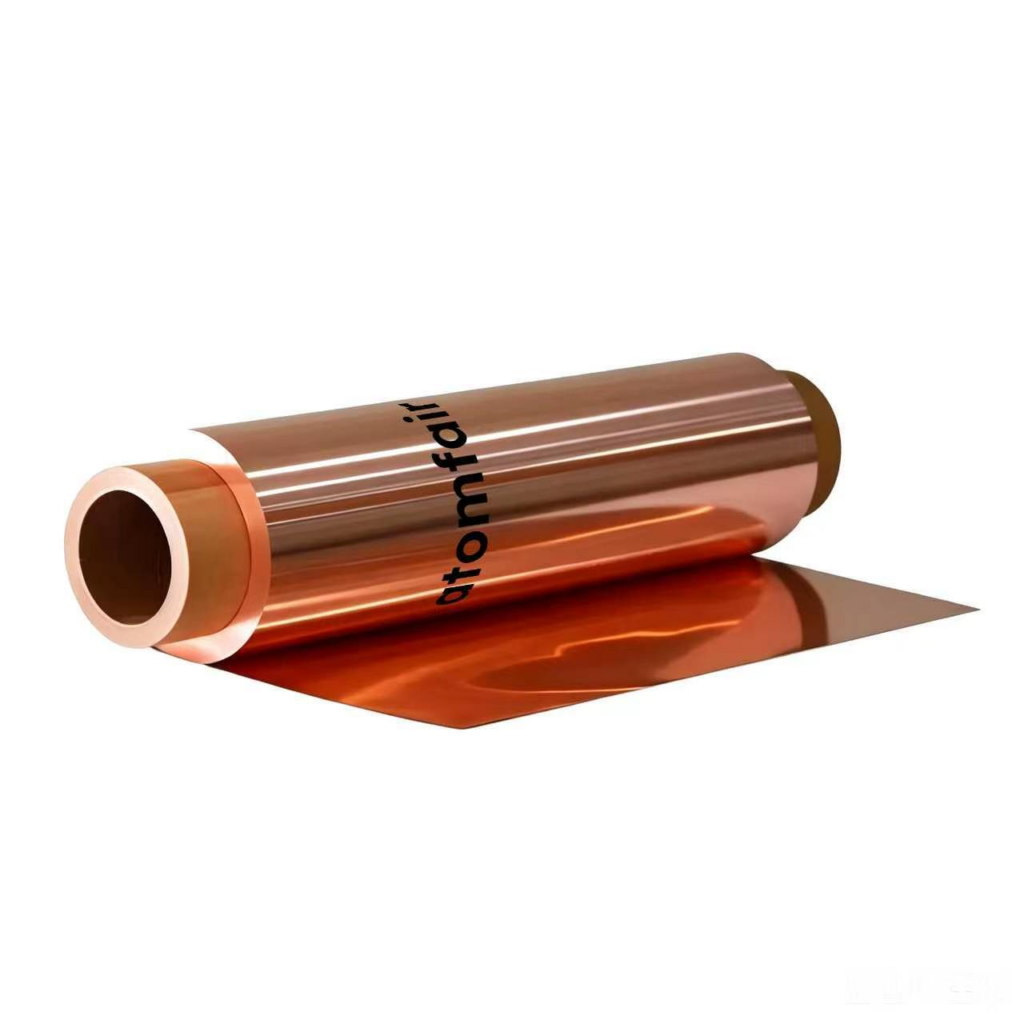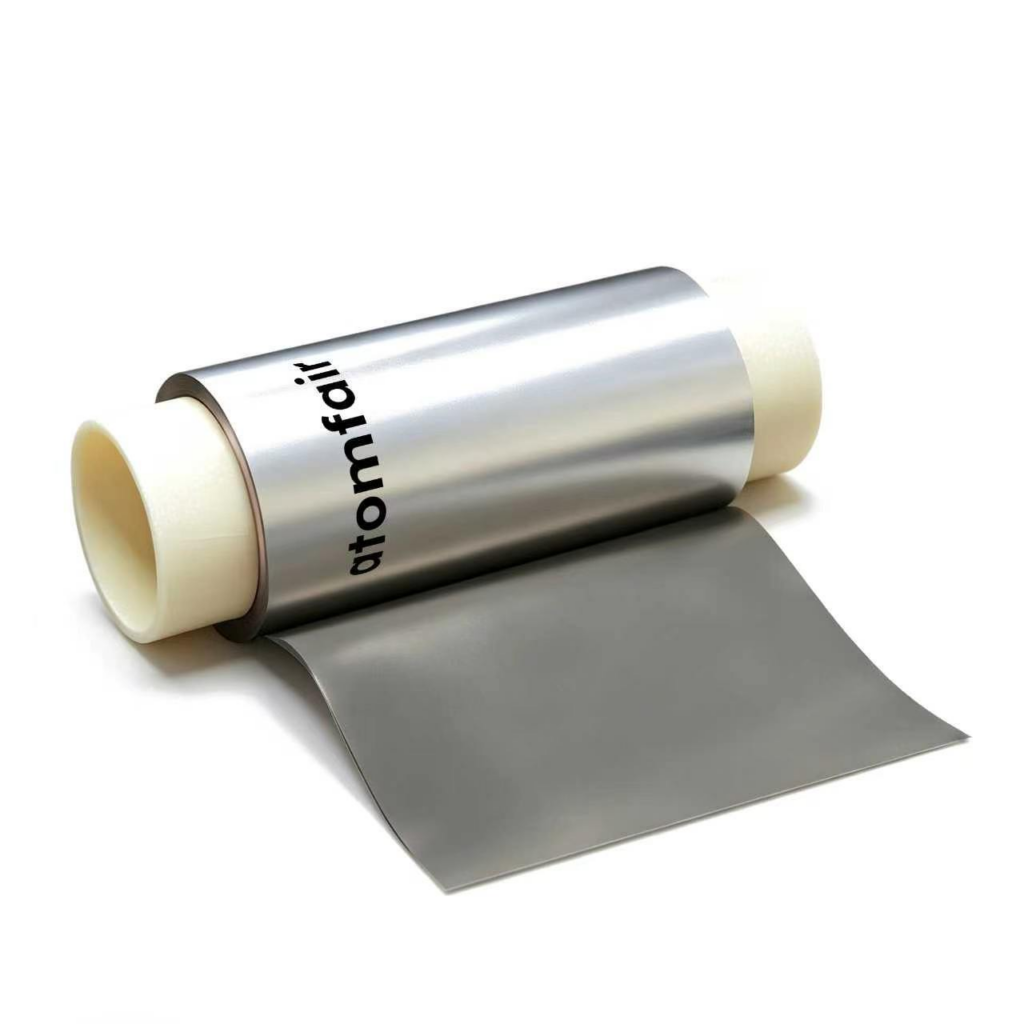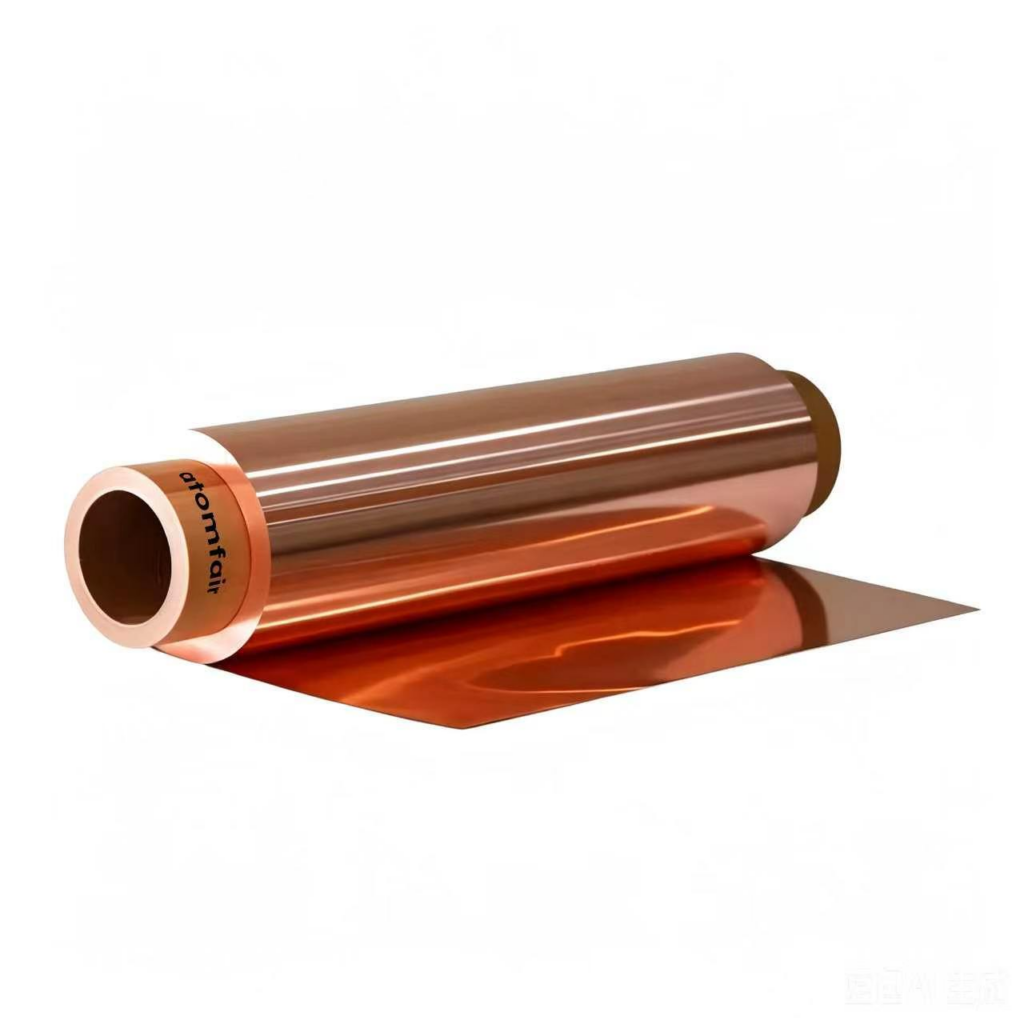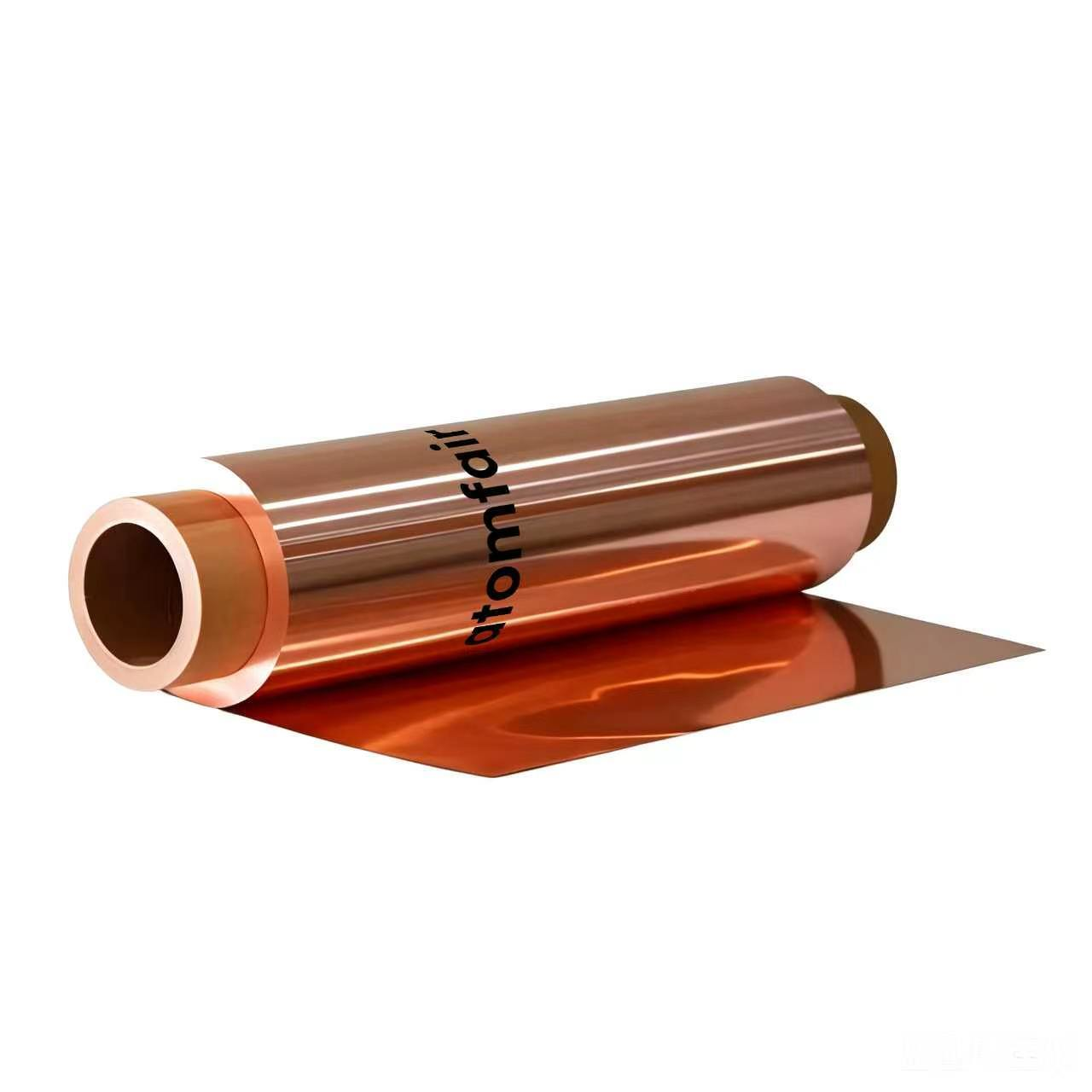
ATOMFAIR® C5191 PHOSPHOR BRONZE STRIP & SHEETPRECISION ENGINEERING ALLOY
|
|||||||||||||||||||||||||||||||||||||||||||||||||||||||||||||||||||||||||||||||||||||||||
|
|||||||||||||||||||||||||||||||||||||||||||||||||||||||||||||||||||||||||||||||||||||||||
|
TAILORED SOLUTIONS FOR RESEARCH
Contact our engineering team for technical support or official institutional quotations.
EMAIL: inquiry@atomfair.com
|
|||||||||||||||||||||||||||||||||||||||||||||||||||||||||||||||||||||||||||||||||||||||||
|
Manufacturer: Atomfair LLC
Brand: ATOMFair
|
|||||||||||||||||||||||||||||||||||||||||||||||||||||||||||||||||||||||||||||||||||||||||
What is the trade-off in mechanical properties when selecting a harder temper like EH versus the annealed O state for Atomfair C5191 tin-phosphorus bronze foil?
Selecting a harder temper such as EH increases tensile strength and fatigue resistance for spring applications but significantly reduces ductility compared to the O state. The O (annealed) state provides maximum elongation of 40% for severe forming operations, while harder tempers like H or EH deliver optimal elasticity and wear resistance for contact springs, as supported by the product's hardness state options (O, 1/4H, 1/2H, H, EH, SH) and the O-state tensile strength of 315 N/mm².
Can Atomfair C5191 or C5210 tin-phosphorus bronze foil be used in electronic connectors that must maintain a non-magnetic environment, such as in MRI equipment?
Yes, both C5191 and C5210 foil are inherently non-magnetic, making them suitable for connectors and components in MRI and other magnetically sensitive applications. The product description explicitly lists non-magnetic behavior as a core characteristic, and the high fatigue strength and corrosion resistance further support long-term reliability in such environments.
What safety and handling precautions are needed for Atomfair tin-phosphorus bronze foil in explosive or spark-sensitive atmospheres?
Atomfair tin-phosphorus bronze foil is safe for use in explosive atmospheres because it produces no sparks when impacted, as stated in the product's core characteristics. Additionally, its corrosion resistance and non-magnetic nature eliminate the need for special storage beyond standard controlled humidity conditions to prevent surface oxidation, though no specific storage parameters are provided.
Atomfair C5191/C5210 tin-phosphorus bronze foil provides high fatigue strength, excellent elasticity, and non-magnetic properties suited for high-end precision manufacturing. Its thin gauge (0.01–0.15 mm) and tight thickness tolerances (e.g., ±0.002 mm) necessitate careful handling and precise process control during fabrication.
Positive
- High fatigue strength and elasticity: The alloy's high fatigue strength and excellent elasticity provide mechanical reliability under cyclic loading and spring-like applications, reducing failure risk in dynamic components.
- Non-magnetic with excellent weldability: Non-magnetic behavior avoids interference in sensitive electronic or magnetic environments, while excellent weldability enables seamless integration into assemblies requiring soldering or brazing.
Trade-offs
- Thin gauge handling sensitivity: Foil thickness ranges from 0.01 mm to 0.15 mm, demanding careful handling to prevent creasing, tearing, or dimensional distortion during cutting, stamping, or lay-up.
- Tight thickness tolerance constraints: Thickness tolerances as fine as ±0.002 mm for the 0.01–0.06 mm range require precision measurement equipment and stringent process control, increasing quality assurance overhead.
Every advanced material, component, equipment, and instrument in our catalog is backed by rigorous testing. We maintain strict internal quality management frameworks and align with CE conformity metrics to deliver transparent, reproducible performance data via our public open-science repository.
To request raw batch performance data, submit formal vendor registration paperwork, or execute a fast-turnaround R&D manufacturing loop, contact us at inquiry@atomfair.com.
Item is dispatched under the Atomfair Shipping & Delivery Framework (Free worldwide shipping on orders over $59 USD excl. heavy equipment). Return is governed by the Atomfair Return & Refund Policy (7-day technical return window).