|
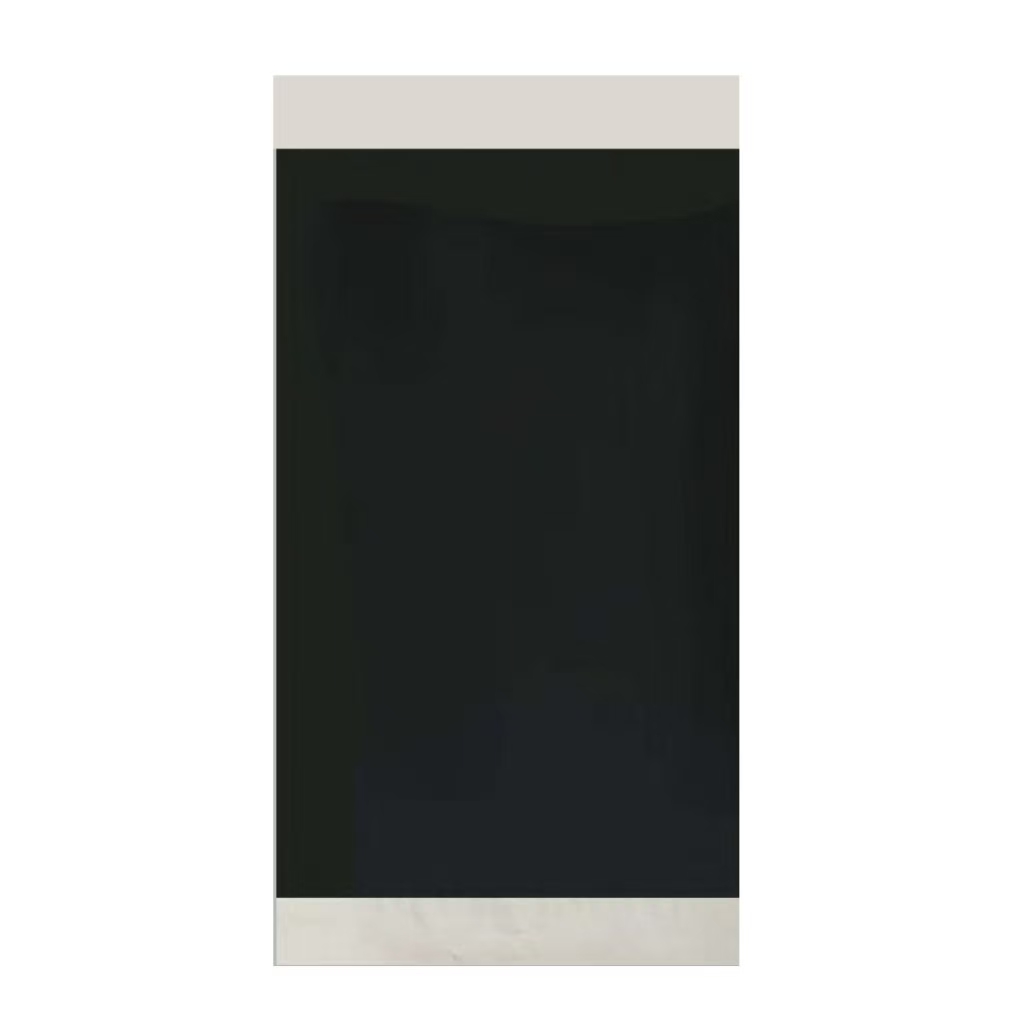
NCM811 Double-Sided Cathode, 61 mg/cm² per side, Dry Process
Battery Electrode Sheet
|
||||||||||||||||||||||||||||||||||||||||||||
|
This document specifies the mandatory handling and storage requirements for the Atomfair NCM811 electrode sheet. It defines the vacuum baking protocol and moisture control measures necessary to preserve material integrity.
- Moisture Sensitivity: The electrode sheet is sensitive to moisture and must be protected from exposure to prevent degradation.
- Baking Protocol: A vacuum baking step at 100°C for 12 hours is mandatory before use to remove residual moisture.
- Handling Environment: Handle the sheet only in a dry environment to avoid moisture uptake.
- Research Use Only: This product is intended exclusively for laboratory research and not for any other application.
This procedure describes the mandatory vacuum baking process for the electrode sheet before use. It ensures the removal of moisture to prevent structural degradation.
Required Equipment: Vacuum oven
- Transfer to oven
Transfer the electrode sheets into a vacuum oven. - Set temperature
Set the oven temperature to 100°C. - Evacuate
Evacuate the oven to achieve vacuum conditions. - Maintain conditions
Maintain the vacuum and temperature for 12 hours.
What is the significance of the 61 mg/cm² coating density for NCM811 electrode sheets in half-cell testing?
The 61 mg/cm² double-side coating density, applied via advanced dry process, ensures highly uniform loading across the 90×120 mm layout, avoiding localized variations that could skew electrochemical performance data. This level of control is critical for baseline testing and variable elimination in lithium-ion battery R&D, as it directly supports cell-to-cell consistency and reliable electrolyte validation.
Why is carbon-coated aluminum foil used as the substrate for this NCM811 electrode sheet?
The carbon-coated aluminum foil substrate is specifically selected to minimize interfacial contact resistance between the current collector and the active material, maximize structural attachment of the coating, and enhance overall functional cell stability. This design is essential for achieving reproducible results in half-cell and full-cell benchmarking, as it reduces parasitic losses that could otherwise distort capacity or impedance measurements.
What is the recommended baking protocol for this NCM811 electrode sheet before use, and why is it necessary?
The product must be baked for 12 hours under vacuum at 100°C to prevent moisture contamination or structural degradation prior to high-stakes thermal validation testing. This protocol is critical because NCM811 cathodes are hygroscopic and can suffer from capacity fade or gas evolution if residual water is not removed, especially when used in pouch or coin cells with reactive electrolytes.
This NCM811 electrode sheet features 96% active material loading via dry process double-sided coating at 61 mg/cm² on carbon-coated aluminum foil, suitable for half-cell and full-cell R&D but requiring mandatory vacuum baking before use to prevent moisture contamination.
Positive
- High active material purity: With 96.0% active material ratio, the sheet minimizes compositional variability in half-cell and benchmarking studies, improving data reliability.
- Uniform dry-process coating: Advanced dry process delivers consistent 61 mg/cm² loading across the double-sided 90×120 mm area, eliminating localized density variations common in wet coating methods.
Trade-offs
- Mandatory vacuum baking protocol: The sheets must be baked under vacuum at 100°C for 12 hours prior to thermal validation to prevent moisture-induced structural degradation, adding a critical pre-processing step.
Every advanced material, component, equipment, and instrument in our catalog is backed by rigorous testing. We maintain strict internal quality management frameworks and align with CE conformity metrics to deliver transparent, reproducible performance data via our public open-science repository.
To request raw batch performance data, submit formal vendor registration paperwork, or execute a fast-turnaround R&D manufacturing loop, contact us at inquiry@atomfair.com.
Item is dispatched under the Atomfair Shipping & Delivery Framework (Free worldwide shipping on orders over $59 USD excl. heavy equipment). Return is governed by the Atomfair Return & Refund Policy (7-day technical return window).