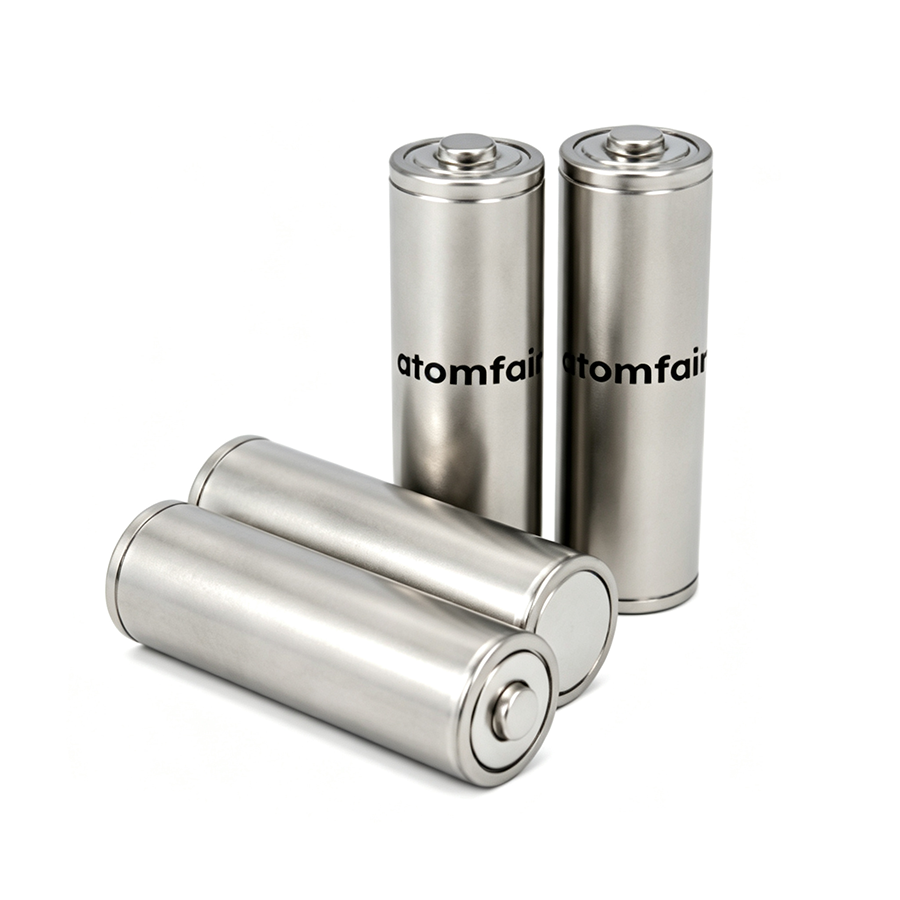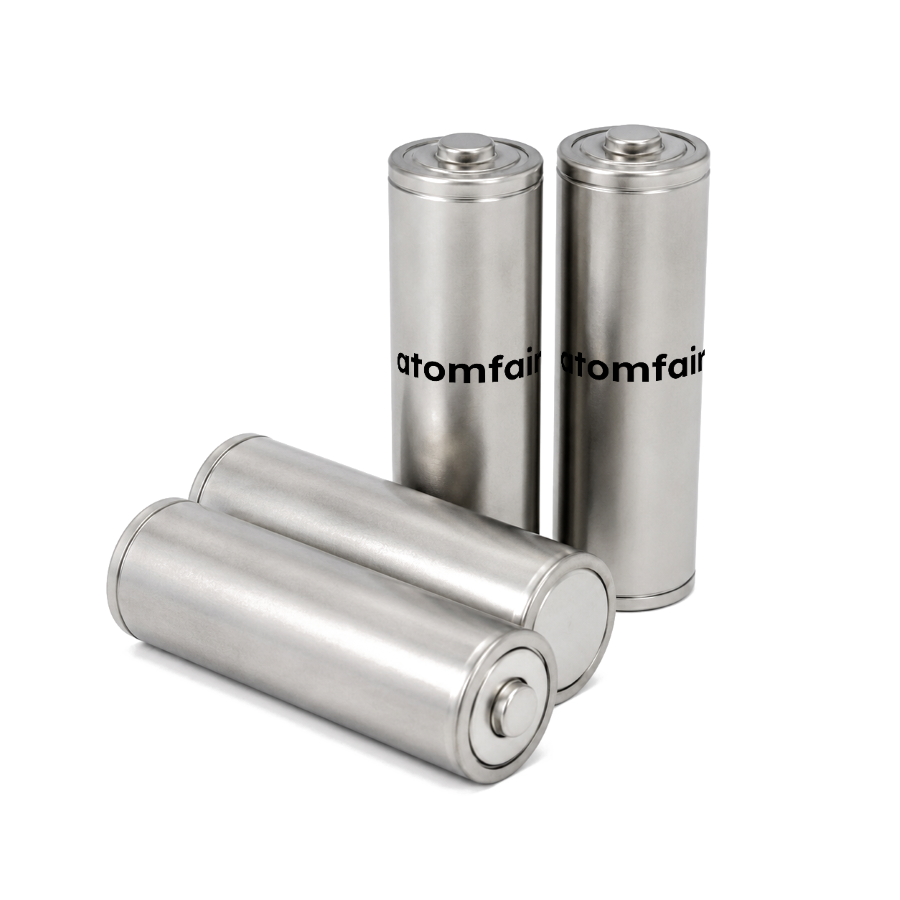
Custom Unfilled Dry Cylindrical CellRESEARCH & DEVELOPMENT GRADE
|
||||||||||||||||||||||||||
|
||||||||||||||||||||||||||
Related Products |
||||||||||||||||||||||||||
|
||||||||||||||||||||||||||
|
TAILORED SOLUTIONS FOR RESEARCH
Contact our engineering team for technical support or official quotations.
EMAIL: inquiry@atomfair.com
|
||||||||||||||||||||||||||
|
Manufacturer: Atomfair LLC
Brand: ATOMFAIR®
|
||||||||||||||||||||||||||
How does the absence of pre-filled electrolyte affect the voltage stability and capacity retention of these dry cells during long-term storage?
The unfilled dry cell design eliminates electrolyte degradation during storage, ensuring minimal self-discharge and voltage drift over extended periods. The product description specifies 'Optimized for extended storage with minimal self-discharge' and the absence of electrolyte filling reduces leakage risks, allowing the cell to maintain its pre-fill state until the researcher adds electrolyte immediately before testing.
Can these custom unfilled cylindrical cells be integrated into automated battery testing systems that use standard form factors?
Yes, these cells are available in multiple cylindrical formats as stated under 'Size Options: Multiple cylindrical formats available,' which allows them to match standard form factors used in research. Because they are delivered without electrolyte, the testing workflow must include a controlled electrolyte filling step. The 'Fully Customizable' feature permits dimensions, capacity, and technical features to be tailored to integrate with existing equipment specifications.
What specific PPE and environmental conditions are required for safe handling and storage of these unfilled dry cells?
The product description mandates 'Use appropriate PPE when handling materials' and 'Store in a cool, dry place away from direct sunlight and heat sources.' The no-electrolyte state reduces chemical leakage risks, but handling should follow standard precautions for dry electrode materials. For optimal shelf life, maintain a controlled environment with low humidity and avoid temperature extremes as advised in the safety and handling section.
The Custom Dry Cylindrical Cell provides a flexible platform for battery research by omitting electrolyte fill, enabling custom electrolyte integration and reducing leakage risk, but requires the end user to perform electrolyte filling under controlled conditions and adhere to strict storage protocols.
Positive
- No electrolyte leakage risk: Absence of electrolyte filling eliminates leakage during storage and handling, simplifying experimental assembly and reducing chemical exposure hazards in the lab.
- Fully customizable specifications: Dimensions, capacity, and voltage can be tailored to precise research requirements, enabling adaptation to a wide range of battery testing and prototype configurations.
Trade-offs
- Electrolyte filling required prior use: The dry cell is supplied without electrolyte; users must perform filling as a separate processing step, requiring appropriate equipment and expertise in electrolyte handling.
- Sensitive storage and handling conditions: Cells must be stored in a cool, dry environment away from direct sunlight and heat sources, and appropriate PPE is required during handling to ensure safety.
Every advanced material, component, equipment, and instrument in our catalog is backed by rigorous testing. We maintain strict internal quality management frameworks and align with CE conformity metrics to deliver transparent, reproducible performance data via our public open-science repository.
To request raw batch performance data, submit formal vendor registration paperwork, or execute a fast-turnaround R&D manufacturing loop, contact us at inquiry@atomfair.com.
Item is dispatched under the Atomfair Shipping & Delivery Framework (Free worldwide shipping on orders over $59 USD excl. heavy equipment). Return is governed by the Atomfair Return & Refund Policy (7-day technical return window).