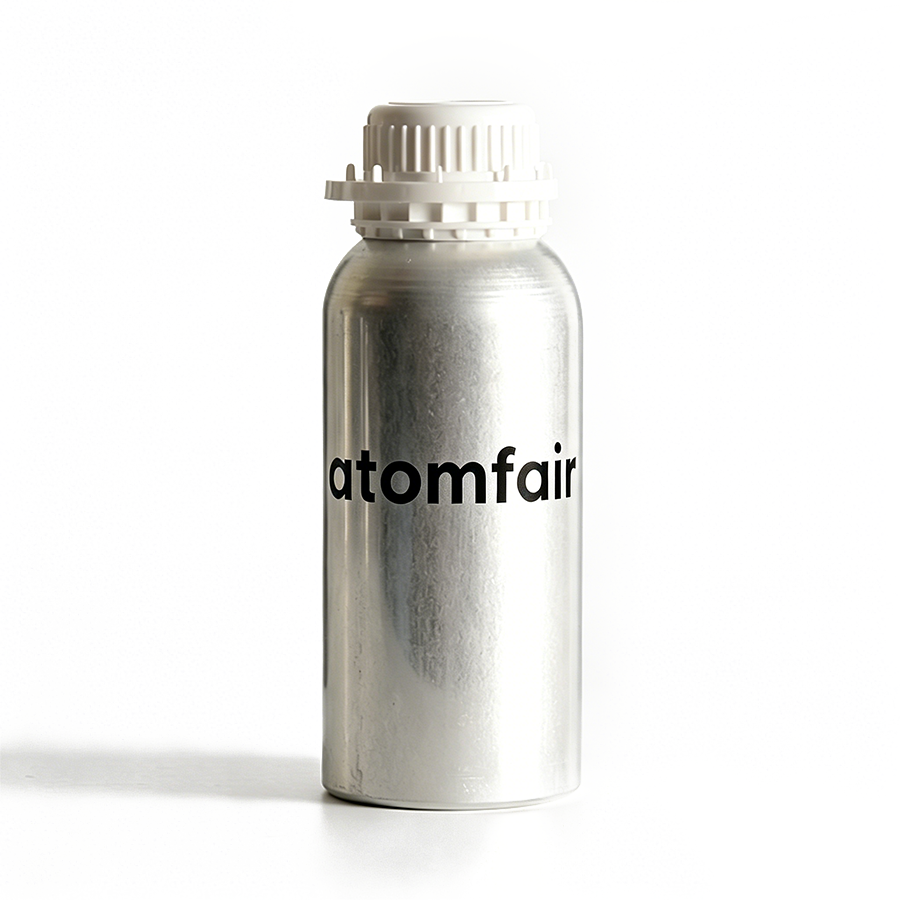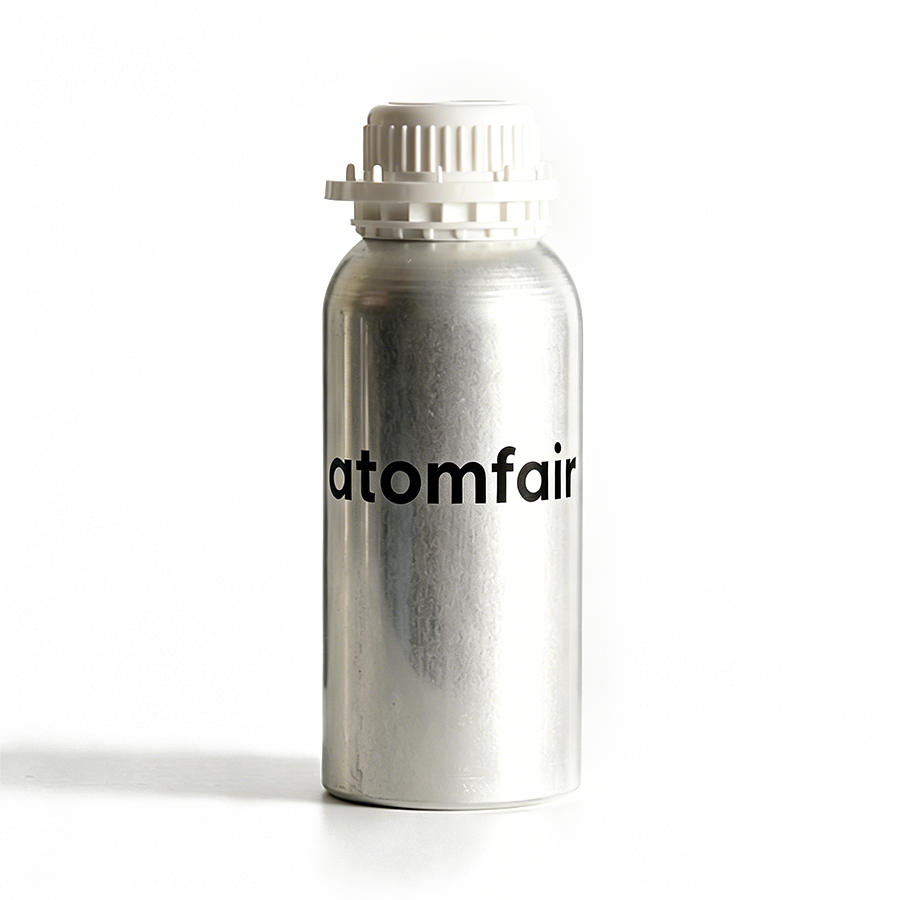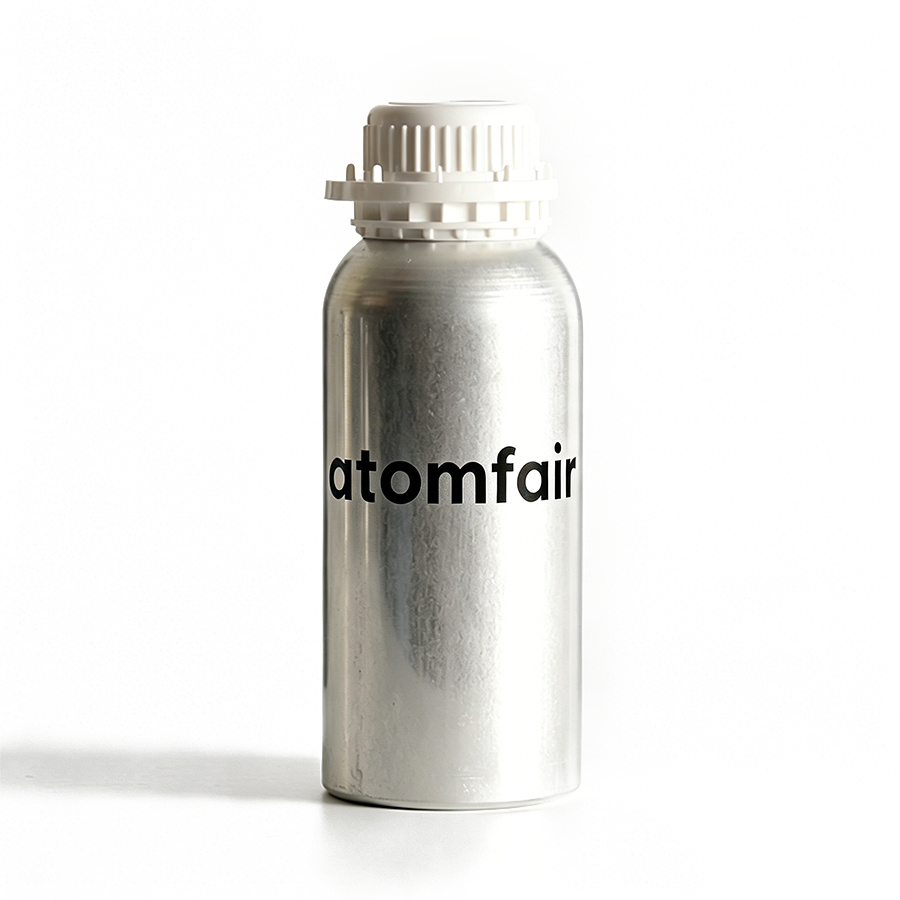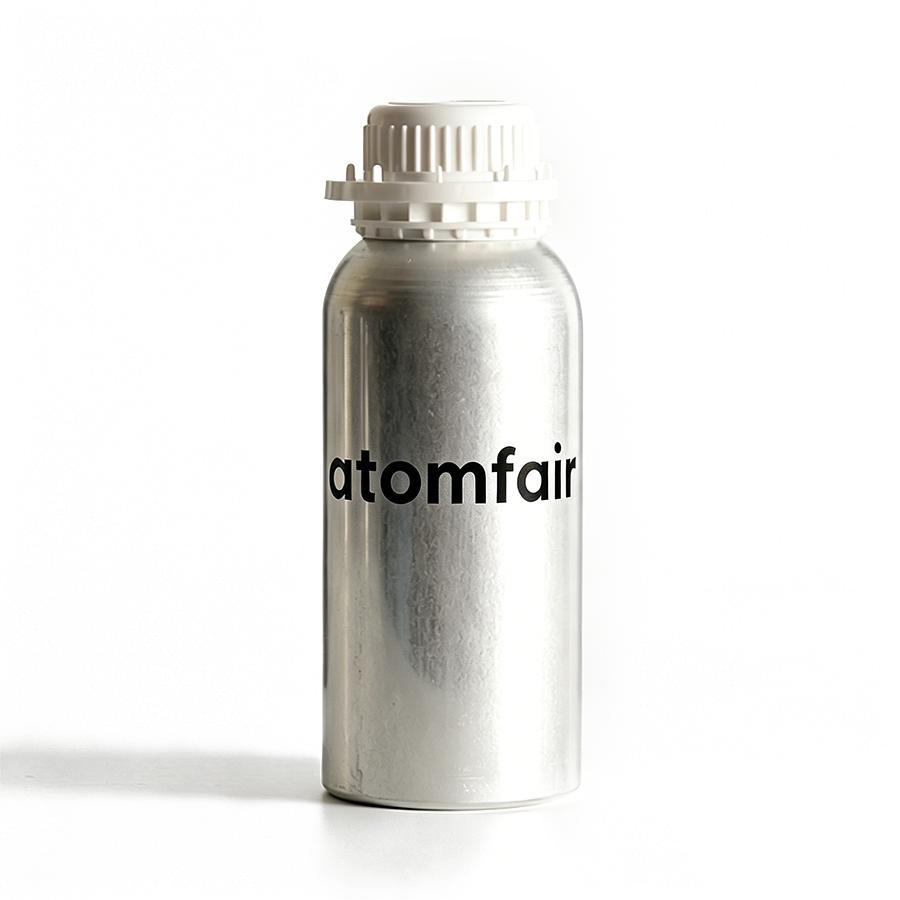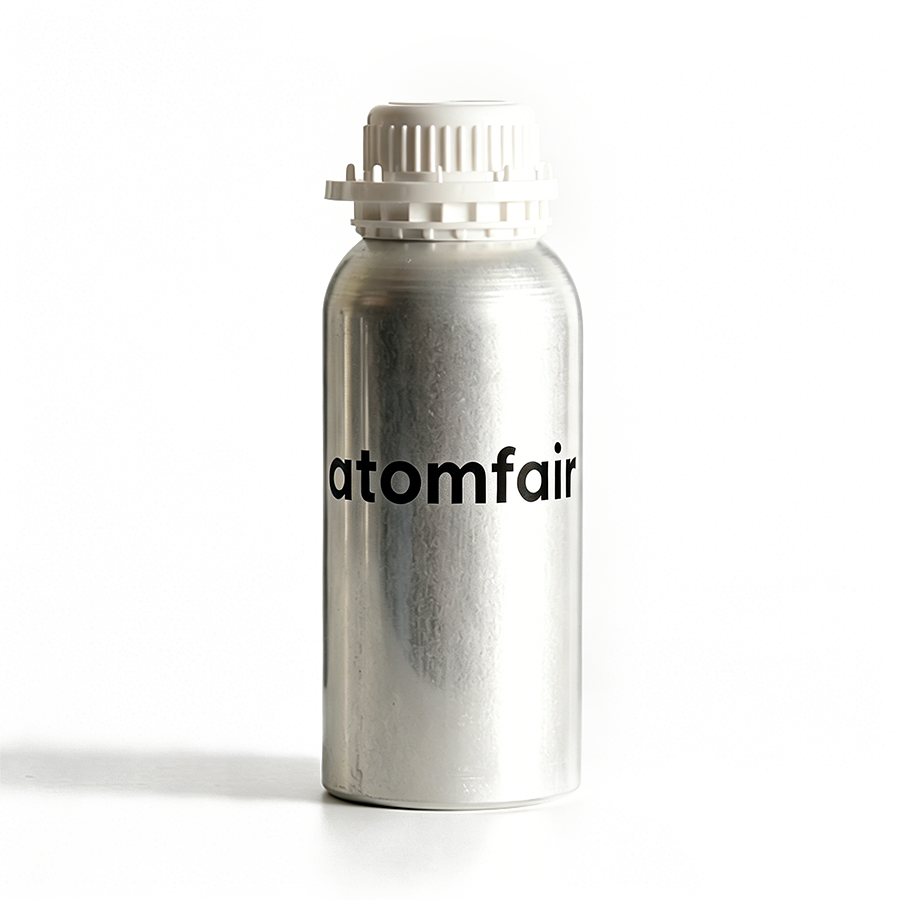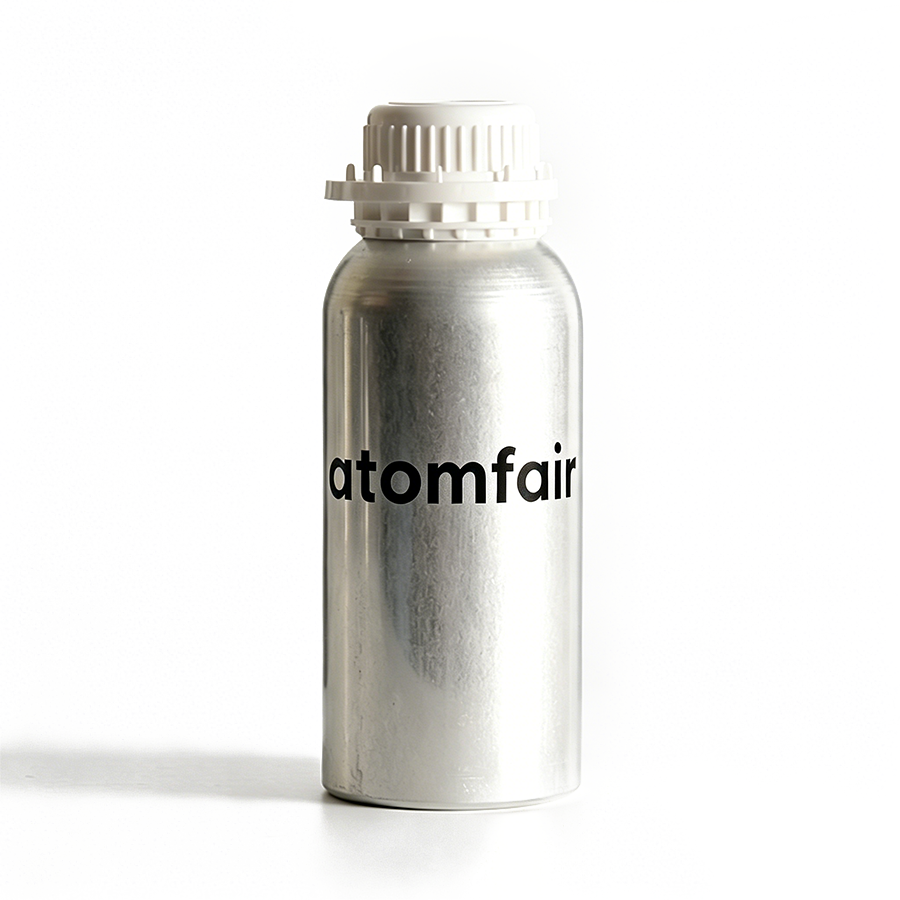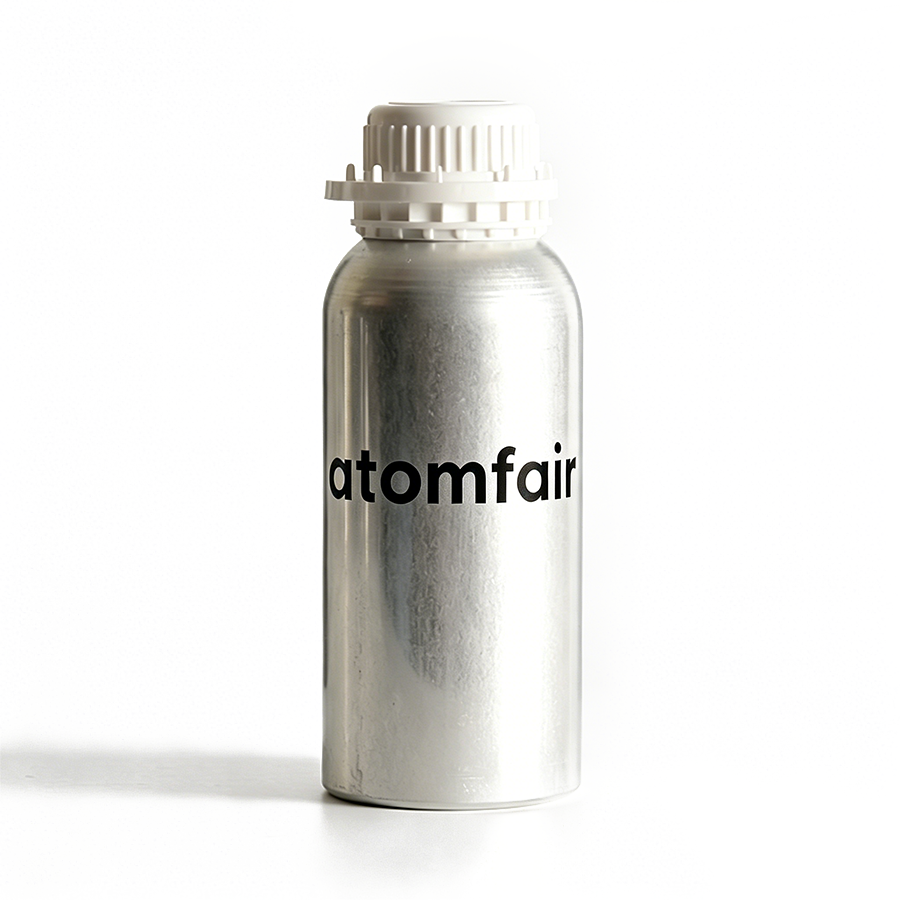
ATOMFAIR® ELECTROLYTE FOR CONSUMER ELECTRONICSRESEARCH GRADE MATERIAL
|
||||||||||||||||||||||||||||||
|
||||||||||||||||||||||||||||||
The electrolyte must be stored under inert atmosphere (argon or nitrogen) to prevent moisture absorption and degradation. Avoid exposure to temperatures above 40°C to maintain chemical stability and prevent decomposition.
- Moisture Sensitivity: This electrolyte reacts with atmospheric moisture, requiring transfer and storage in a dry environment with controlled humidity below 1 ppm.
- Temperature Limits: Prolonged storage above 40°C may accelerate solvent evaporation and salt precipitation, degrading performance.
- Containment Requirements: Use only sealed, chemically compatible (PTFE or glass) containers to avoid contamination and leakage.
- Incompatible Materials: Avoid contact with strong oxidizing agents, water, and metals such as aluminum and copper without proper passivation.
- Safety Precautions: Wear nitrile gloves and safety goggles when handling; work in a fume hood or glovebox to prevent inhalation and skin contact.
This procedure describes the safe handling and preparation of the electrolyte for battery assembly. Follow steps to minimize exposure to moisture and prevent contamination.
Required Equipment: Inert-atmosphere glovebox, Clean, dry syringe, Sealed, chemically compatible container, Personal protective equipment (nitrile gloves, safety goggles)
- Precondition glovebox
Transfer the sealed electrolyte container into an inert-atmosphere glovebox with controlled oxygen and moisture levels. - Inspect electrolyte
Verify the electrolyte is clear, colorless, and free of precipitate or discoloration before opening. - Dispense electrolyte
Dispense the required volume using a clean, dry syringe while keeping the container sealed between withdrawals. - Seal and store
Seal the dispensing container immediately after use and return it to the inert storage environment. - Dispose waste
Dispose of any waste electrolyte and contaminated materials according to local hazardous waste regulations.
How does this electrolyte balance ionic conductivity with electrochemical stability to support fast charging without compromising cycle life?
This electrolyte is formulated to simultaneously optimize high ionic conductivity for rapid lithium ion transport and a wide electrochemical window for compatibility with diverse cathode materials. The product description confirms both properties are engineered to enable fast charging while reducing capacity fade, ensuring extended cycle life without sacrificing chemical stability or safety.
Is this electrolyte compatible with NMC and LCO cathode chemistries used in smartphones and laptops?
Yes, the electrolyte is designed for broad compatibility across consumer electronics battery chemistries. The description explicitly states strong chemical stability against various cathode materials and a wide electrochemical window, which together support integration with common cathodes such as NMC (nickel manganese cobalt) and LCO (lithium cobalt oxide) used in smartphones, tablets, and laptops.
What storage conditions and handling precautions are required for this research-grade electrolyte to ensure safety and prevent performance degradation?
Store this electrolyte in a cool, dry place away from moisture and direct sunlight to preserve its thermal and chemical stability. Handling requires appropriate personal protective equipment (PPE) as specified by local chemical safety regulations, and it must be disposed of per local guidelines. The formulation's enhanced safety properties reduce risks of thermal runaway and leakage, but proper lab protocol remains essential.
This research-grade electrolyte is formulated for consumer electronics batteries, with high ionic conductivity and chemical stability to support rapid charging and extended cycle life. Its performance relies on strict storage conditions: cool, dry, and moisture-free environments.
Positive
- High Ionic Conductivity: Optimized for efficient lithium-ion transport, enabling quick charging and discharging in portable devices.
- Chemical Stability: Strong stability against various cathode materials minimizes degradation over time, enhancing cycle life.
Trade-offs
- Moisture Sensitivity: Must be stored away from moisture to prevent degradation of electrochemical performance; requires sealed, dry storage conditions.
- Requires Cool Storage: Performance and stability are temperature-dependent; storage in a cool, dry place away from direct sunlight is explicitly required.
Every advanced material, component, equipment, and instrument in our catalog is backed by rigorous testing. We maintain strict internal quality management frameworks and align with CE conformity metrics to deliver transparent, reproducible performance data via our public open-science repository.
To request raw batch performance data, submit formal vendor registration paperwork, or execute a fast-turnaround R&D manufacturing loop, contact us at inquiry@atomfair.com.
Item is dispatched under the Atomfair Shipping & Delivery Framework (Free worldwide shipping on orders over $59 USD excl. heavy equipment). Return is governed by the Atomfair Return & Refund Policy (7-day technical return window).