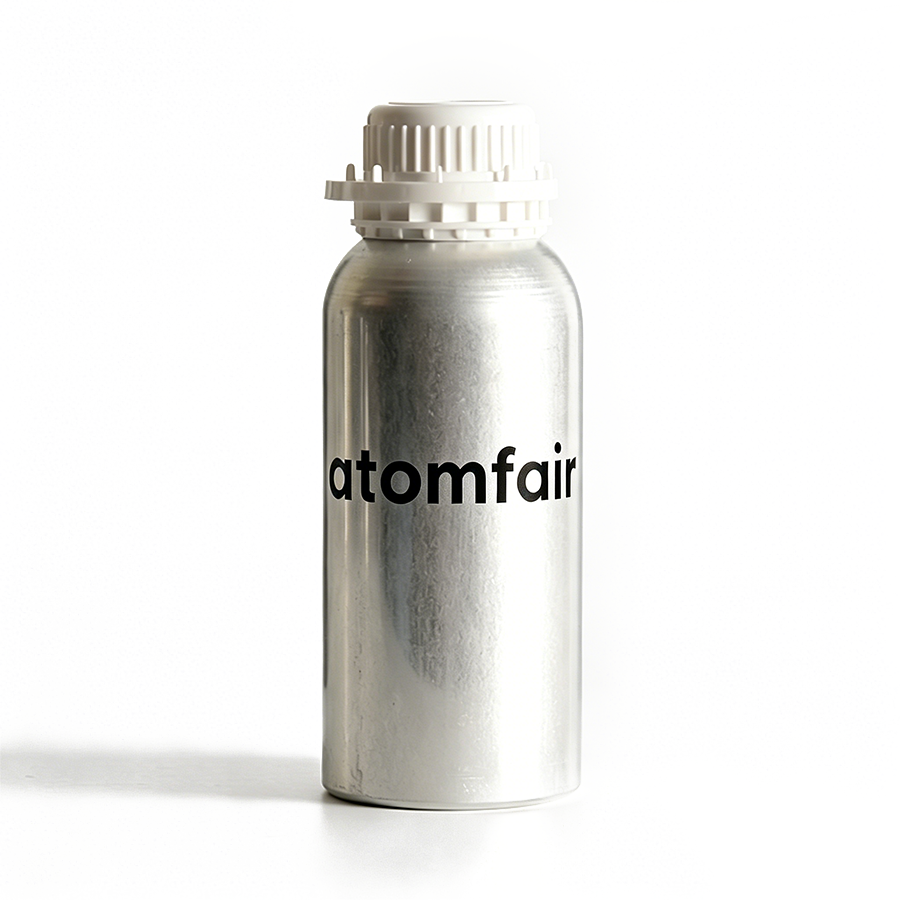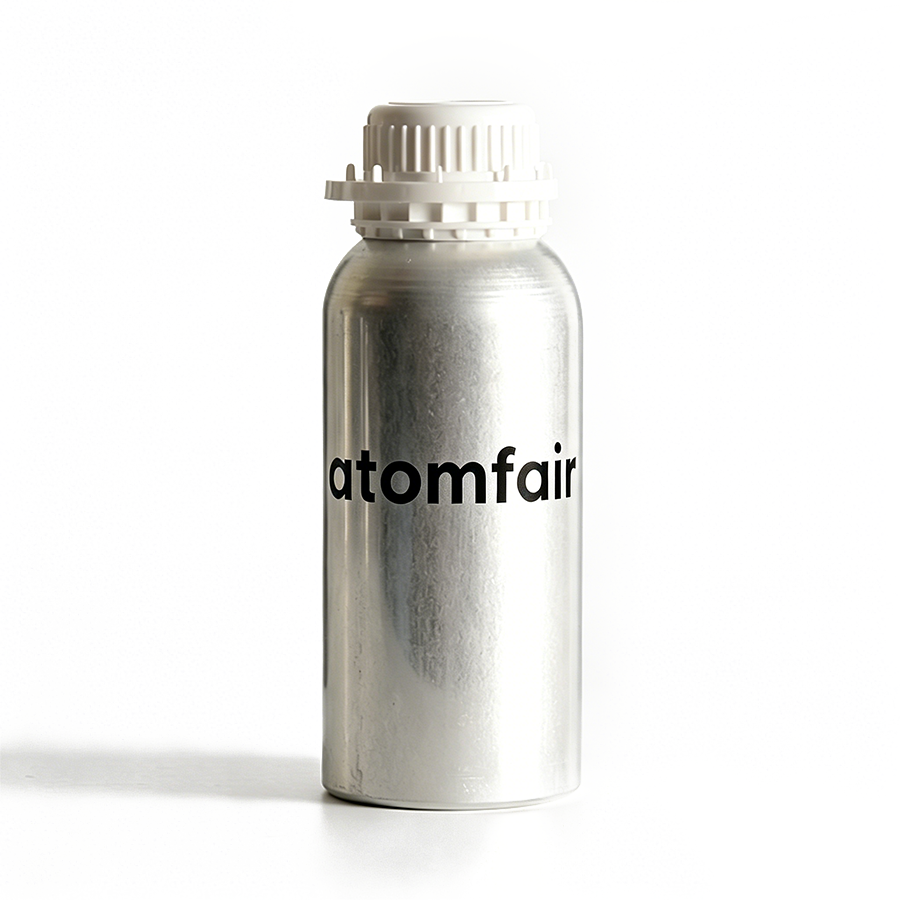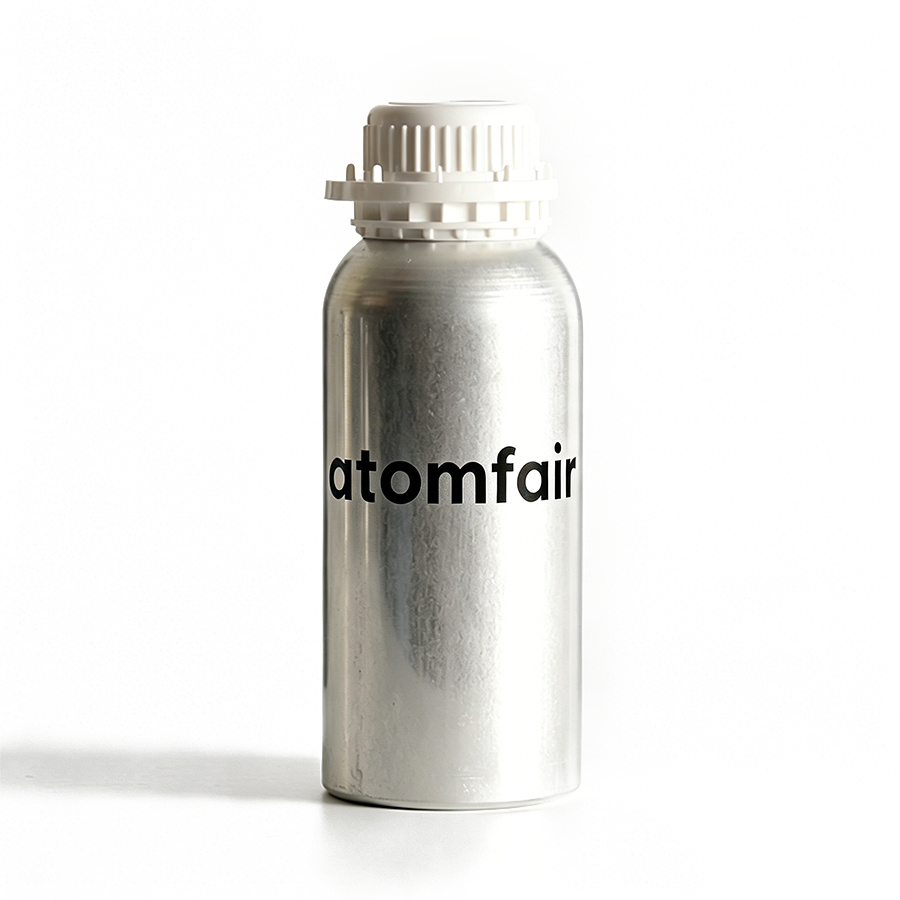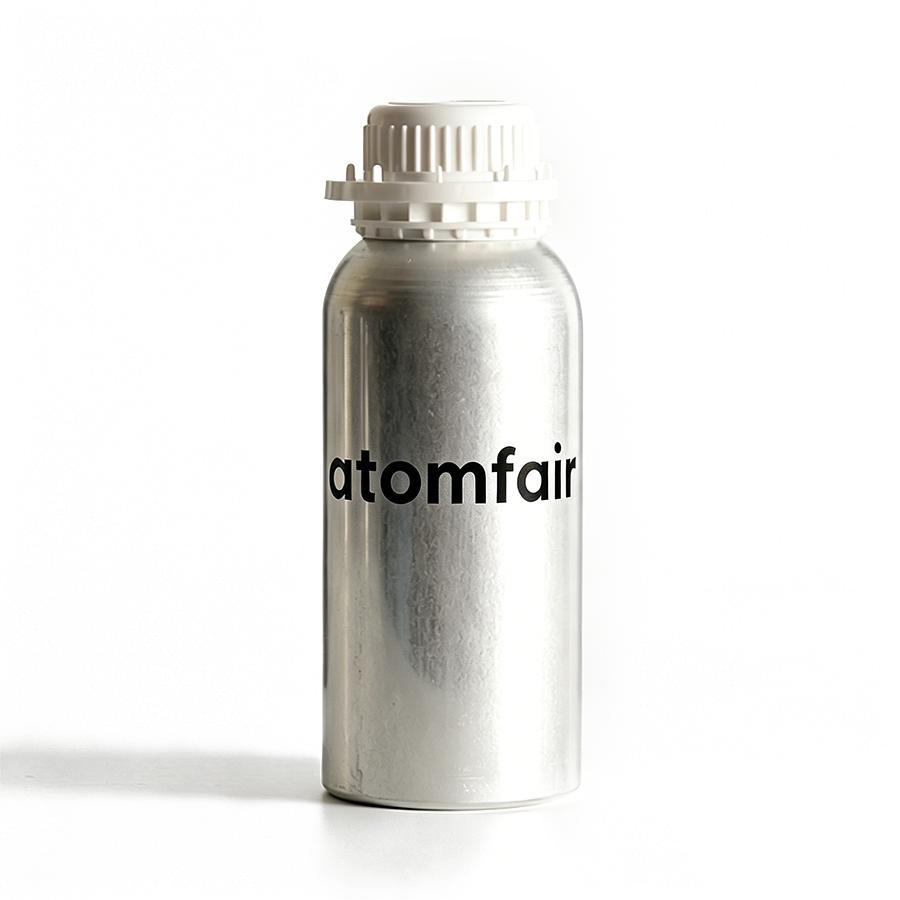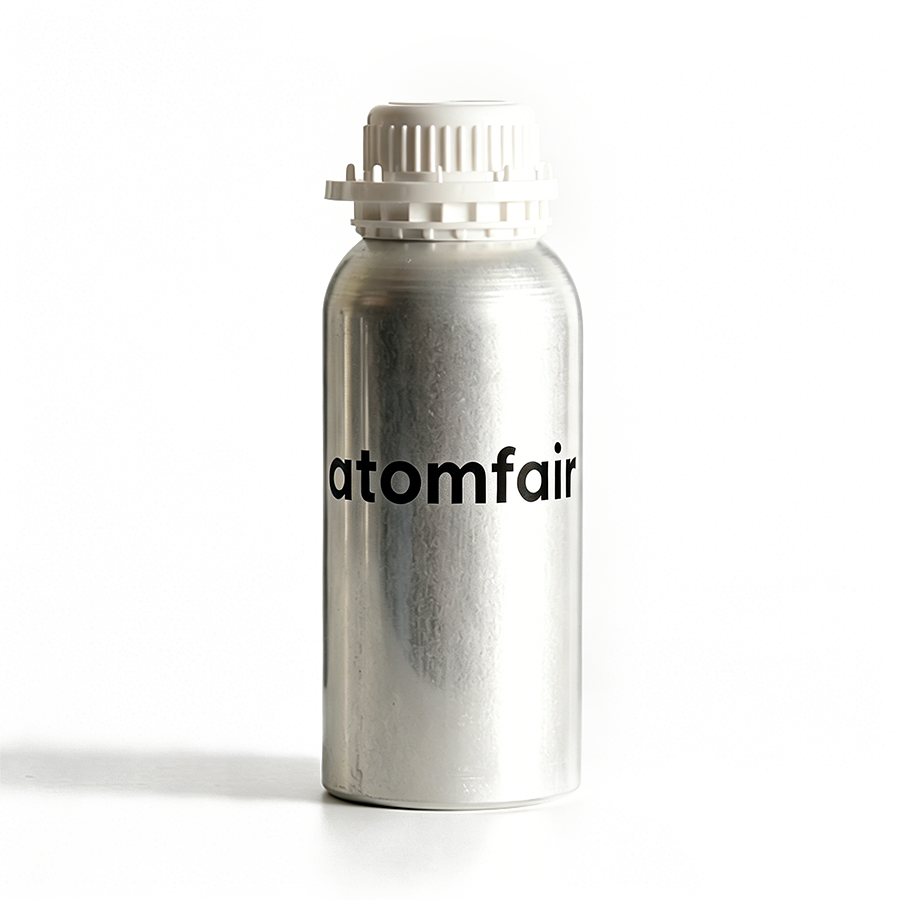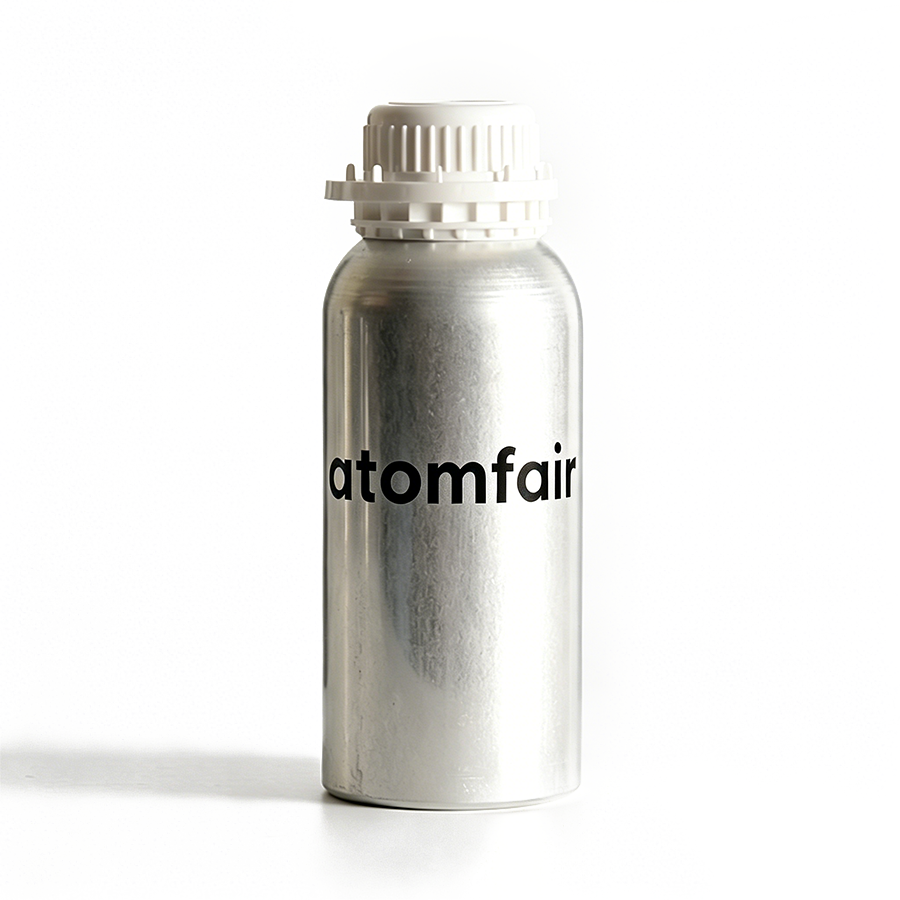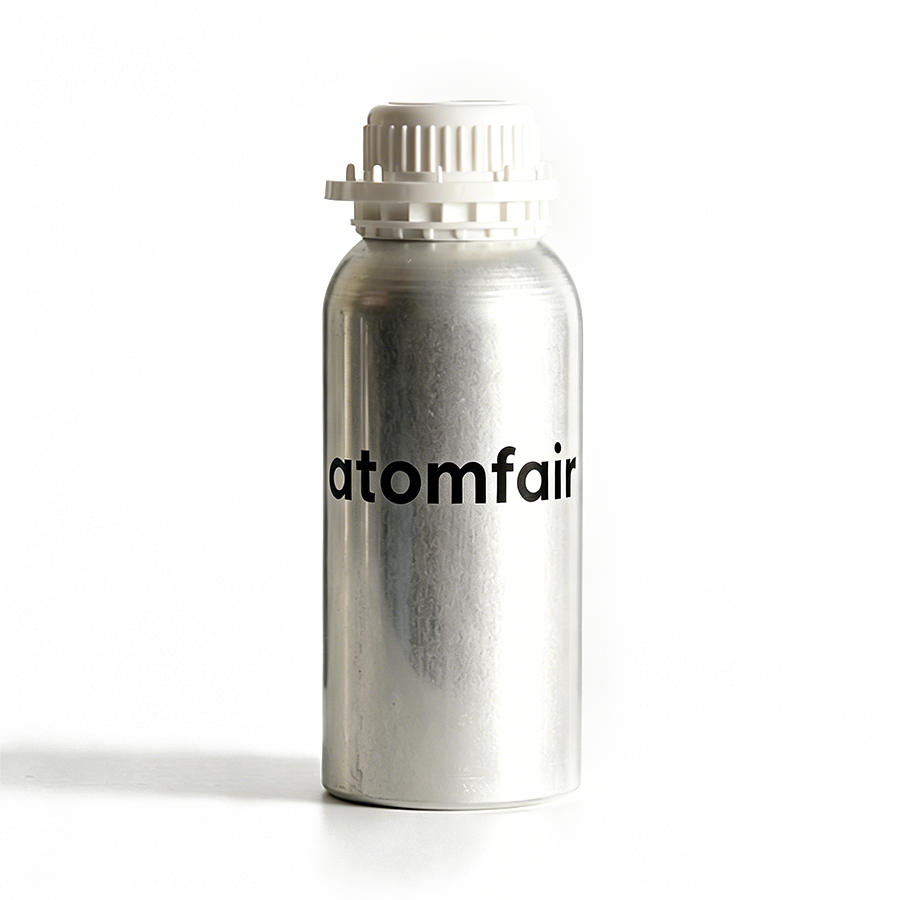
ATOMFAIR® ELECTROLYTE FOR LITHIUM TITANATERESEARCH GRADE MATERIAL
|
||||||||||||||||||||||||||||||
|
||||||||||||||||||||||||||||||
This electrolyte requires storage below 25°C in a sealed, inert atmosphere to prevent moisture-induced hydrolysis and thermal degradation. Containment must be in chemically resistant vessels to avoid leakage and exposure to flammable organic solvents.
- Moisture Sensitivity: Exposure to ambient moisture triggers decomposition of the lithium salt, generating hydrofluoric acid and compromising electrolyte performance.
- Temperature Stability: Prolonged storage above 25°C accelerates solvent evaporation and increases risk of thermal runaway due to flammable components.
- Inert Atmosphere Requirement: All handling and filling operations must be conducted under dry argon or nitrogen to prevent oxidative degradation and fire hazard.
- Compatibility Warnings: Contact with strong oxidizers, acids, or alkaline materials may cause violent reactions and must be strictly avoided.
- Disposal Compliance: Spent electrolyte must be treated as hazardous chemical waste and disposed of according to local environmental regulations for lithium battery materials.
This procedure ensures safe transfer of the electrolyte from its sealed container into a lithium titanate cell under inert atmosphere. Adherence to these steps minimizes moisture ingress and operator exposure to flammable and toxic components.
Required Equipment: Argon-filled glovebox with oxygen and moisture sensors, Personal protective equipment including chemical-resistant gloves, goggles, and lab coat, Dry, calibrated syringe or pipette for electrolyte transfer, Sealed electrolyte container with inert gas overpressure
- Prepare Glovebox Atmosphere
Verify that the glovebox atmosphere is dry and inert with oxygen and moisture levels below 1 ppm before introducing any materials. - Don Personal Protective Equipment
Put on chemical-resistant gloves, safety goggles, and a lab coat to protect against electrolyte splashes and vapor exposure. - Transfer Electrolyte to Syringe
Draw the electrolyte from its sealed container into a dry, pre-conditioned syringe under positive argon flow to avoid air contact. - Inject into Cell Assembly
Inject the electrolyte into the pre-assembled lithium titanate cell through the designated fill port while maintaining an argon blanket. - Seal the Cell
Immediately seal the fill port using a crimp cap or compression fitting to prevent solvent evaporation and moisture intrusion. - Clean Equipment and Area
Wipe down all tools and surfaces with a compatible solvent to remove residual electrolyte and avoid contamination in subsequent operations. - Dispose of Waste Properly
Collect all used syringes, wipes, and excess electrolyte in designated hazardous waste containers according to laboratory safety protocols.
How does this electrolyte achieve high ionic conductivity without compromising chemical stability against lithium titanate cathodes?
The electrolyte is specifically formulated for Li4Ti5O12 cathodes, providing optimized ionic conductivity for fast lithium-ion transport while maintaining excellent chemical stability against the cathode material, reducing side reactions. It also features a wide electrochemical window and thermal stability, ensuring performance across various temperatures and compatible anodes for demanding applications.
Can this electrolyte be integrated with standard lithium-ion battery manufacturing processes for applications requiring rapid charge-discharge cycles?
Yes, the electrolyte is designed for advanced battery technology including electric vehicles and energy storage systems, where high power and fast charging are critical. Its wide electrochemical window ensures compatibility with various anode materials, and its thermal stability maintains performance under demanding conditions. However, handling and storage requirements—cool, dry place, moisture protection, and PPE—must be strictly followed during integration.
What specific storage conditions and safety precautions are required for this research-grade electrolyte to maintain its performance?
Store the electrolyte in a cool, dry place away from moisture and direct sunlight to preserve its chemical stability and ionic conductivity. During handling, use appropriate personal protective equipment (PPE) as recommended. For disposal, follow local regulations for battery materials. These measures are essential to prevent degradation and ensure safe operation across its intended high-power applications.
This electrolyte formulation is engineered for lithium titanate cathodes, providing high ionic conductivity and chemical stability to support rapid charge-discharge cycles, but requires controlled storage to prevent moisture degradation and is optimized specifically for LTO systems.
Positive
- High Ionic Conductivity: Optimized for fast lithium ion transport, essential for high power applications such as electric vehicles and energy storage systems.
- Chemical Stability Against LTO: Offers excellent stability against lithium titanate, reducing the risk of side reactions and enhancing cycle life.
Trade-offs
- Moisture Sensitivity: Must be stored in a cool, dry place away from moisture; exposure can degrade electrolyte performance and safety.
- Limited Cathode Compatibility: Specifically formulated for lithium titanate high power cathodes; may not be optimal for other cathode chemistries without reformulation.
Every advanced material, component, equipment, and instrument in our catalog is backed by rigorous testing. We maintain strict internal quality management frameworks and align with CE conformity metrics to deliver transparent, reproducible performance data via our public open-science repository.
To request raw batch performance data, submit formal vendor registration paperwork, or execute a fast-turnaround R&D manufacturing loop, contact us at inquiry@atomfair.com.
Item is dispatched under the Atomfair Shipping & Delivery Framework (Free worldwide shipping on orders over $59 USD excl. heavy equipment). Return is governed by the Atomfair Return & Refund Policy (7-day technical return window).