|
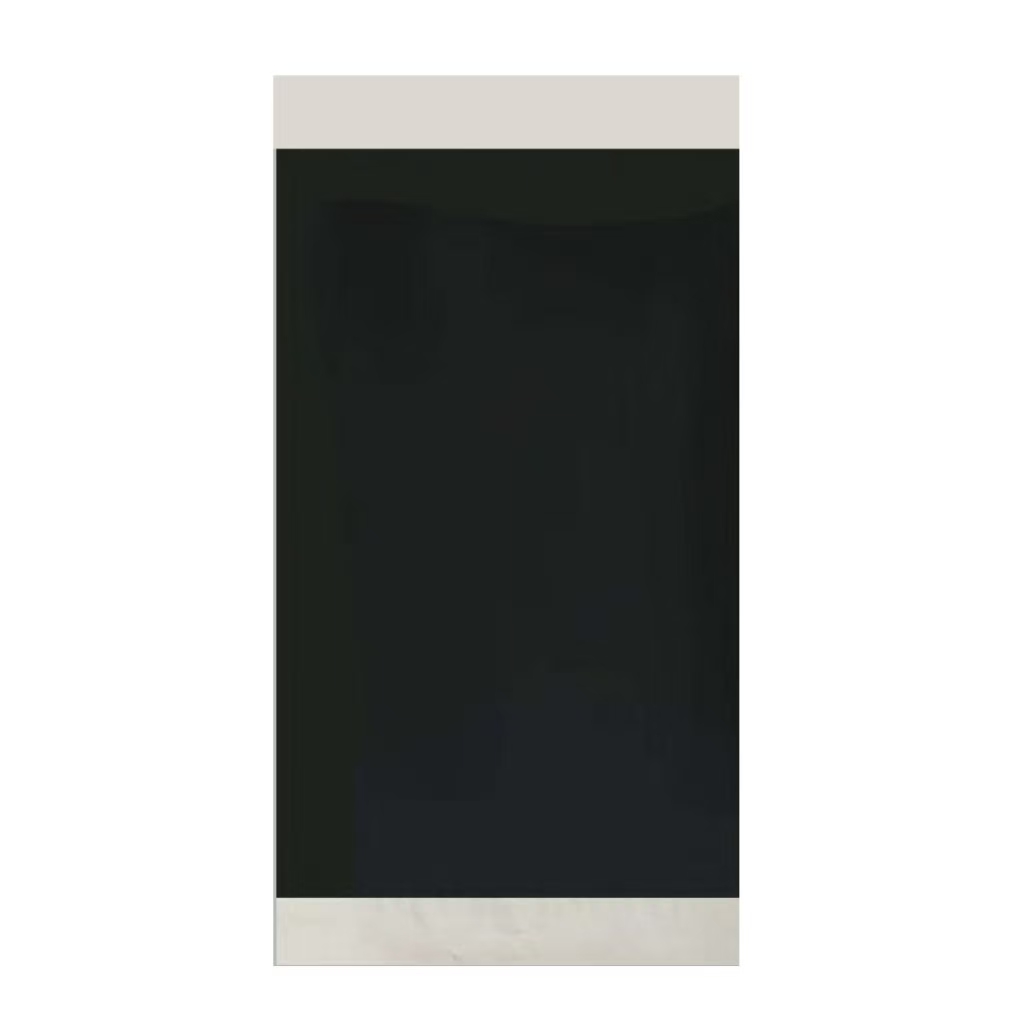
LFP Cathode Lithium Iron Phosphate, Dry Process
Double-Sided Anode Sheet
|
||||||||||||||||||||||||||||||||||||||||||||
|
The electrode sheet is highly sensitive to ambient humidity and requires anhydrous inert gas handling to prevent moisture degradation. Proper storage in cool, dry conditions and use of PPE are mandatory to maintain material integrity and safety.
- Humidity Sensitivity: Exposure to ambient humidity can cause phase contamination and moisture degradation of the uncalendered pore network.
- Storage Conditions: Store in a cool, dry place away from direct sunlight and heat sources to preserve electrode performance.
- Handling PPE: Use appropriate personal protective equipment when handling the electrode sheet to prevent contamination.
- Disposal: Dispose of the material according to local regulations to ensure environmental compliance.
Follow these steps to safely handle and store the electrode without compromising its quality. The procedure ensures protection from humidity and physical damage.
- Inspect the electrode
Inspect the electrode sheet for any visible damage or signs of moisture contamination before use. - Transfer to inert gas
Transfer the electrode sheet to an anhydrous inert gas environment for any processing or validation testing. - Seal container
Seal the container tightly after each use to prevent exposure to ambient humidity. - Store properly
Store the sealed electrode in a cool, dry place away from direct sunlight and heat sources. - Dispose correctly
Dispose of any unused or waste electrode material according to local regulations.
How does the uncalendered pore network of the dry-process LFP electrode affect its handling and performance in battery testing?
The uncalendered pore network is highly sensitive to ambient humidity, requiring containers to be tightly sealed or handled exclusively within an anhydrous inert gas environment to prevent moisture degradation before validation testing. The dry-process coating ensures uniform distribution of active olivine structures and eliminates solvent residues, which enhances cell-to-cell consistency and baseline testing control.
What environmental conditions are required for storing and handling the Atomfair LFP dry-process electrode?
The electrode must be stored in a cool, dry place away from direct sunlight and heat sources. Because the uncalendered pore network is sensitive to humidity, containers must be kept tightly sealed; if opened, handling must be performed exclusively within an anhydrous inert gas environment to avoid phase contamination or moisture degradation. Appropriate personal protective equipment (PPE) should be used during handling.
What intrinsic safety features does the dry-process LFP electrode offer over traditional wet-process electrodes?
The dry-process LFP electrode eliminates solvent residues through a binder-fibrillated dry network, which combined with the high thermal resistance of LFP chemistry minimizes thermal runaway risk thresholds. This provides enhanced intrinsic safety and structural stability, making it suitable for applications in electric vehicles and grid energy storage systems where safety is critical.
This LFP dry-process electrode sheet uses a solvent-free fibrillated network to eliminate solvent residues, providing high thermal stability and cycle life for EV and grid storage applications. The uncalendered pore structure demands strict humidity control during handling and storage, requiring either sealed containers or anhydrous inert gas environments to prevent moisture degradation before validation.
Positive
- Solvent-free dry process coating: Uniform distribution of active olivine structures is achieved via binder fibrillation without solvent, eliminating residual solvent contamination and improving intrinsic safety and structural stability for consistent cell-to-cell performance.
- High thermal stability and long cycle life: Premium LFP chemistry provides excellent thermal resistance, minimizing thermal runaway risk while sustaining nominal capacity over numerous charge-discharge cycles, supporting demanding EV and grid energy storage applications.
Trade-offs
- Humidity-sensitive uncalendered pore network: The dry-process electrode maintains an uncalendered pore structure that is highly sensitive to ambient humidity; containers must remain tightly sealed or handling must occur exclusively in anhydrous inert gas to prevent moisture-induced phase contamination before validation testing.
- Strict storage and handling requirements: Appropriate PPE is required during handling, and the material must be stored in a cool, dry place away from direct sunlight and heat sources, with disposal following local regulations—imposing operational constraints on laboratory storage and workflow.
Every advanced material, component, equipment, and instrument in our catalog is backed by rigorous testing. We maintain strict internal quality management frameworks and align with CE conformity metrics to deliver transparent, reproducible performance data via our public open-science repository.
To request raw batch performance data, submit formal vendor registration paperwork, or execute a fast-turnaround R&D manufacturing loop, contact us at inquiry@atomfair.com.
Item is dispatched under the Atomfair Shipping & Delivery Framework (Free worldwide shipping on orders over $59 USD excl. heavy equipment). Return is governed by the Atomfair Return & Refund Policy (7-day technical return window).