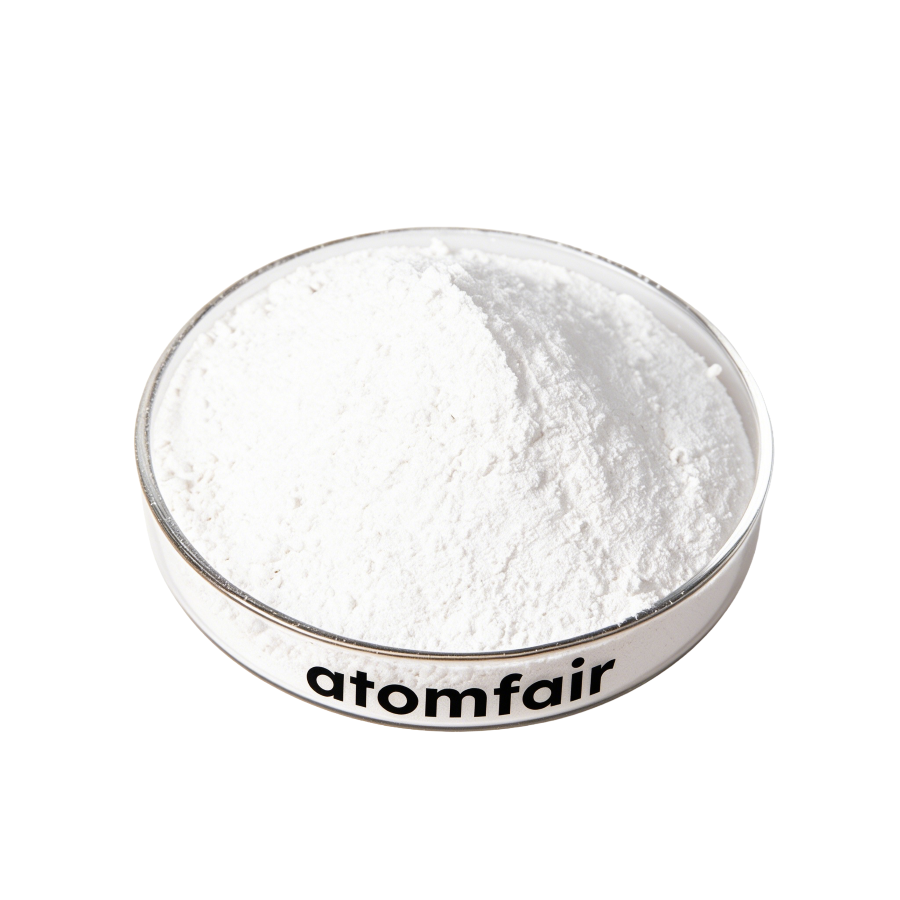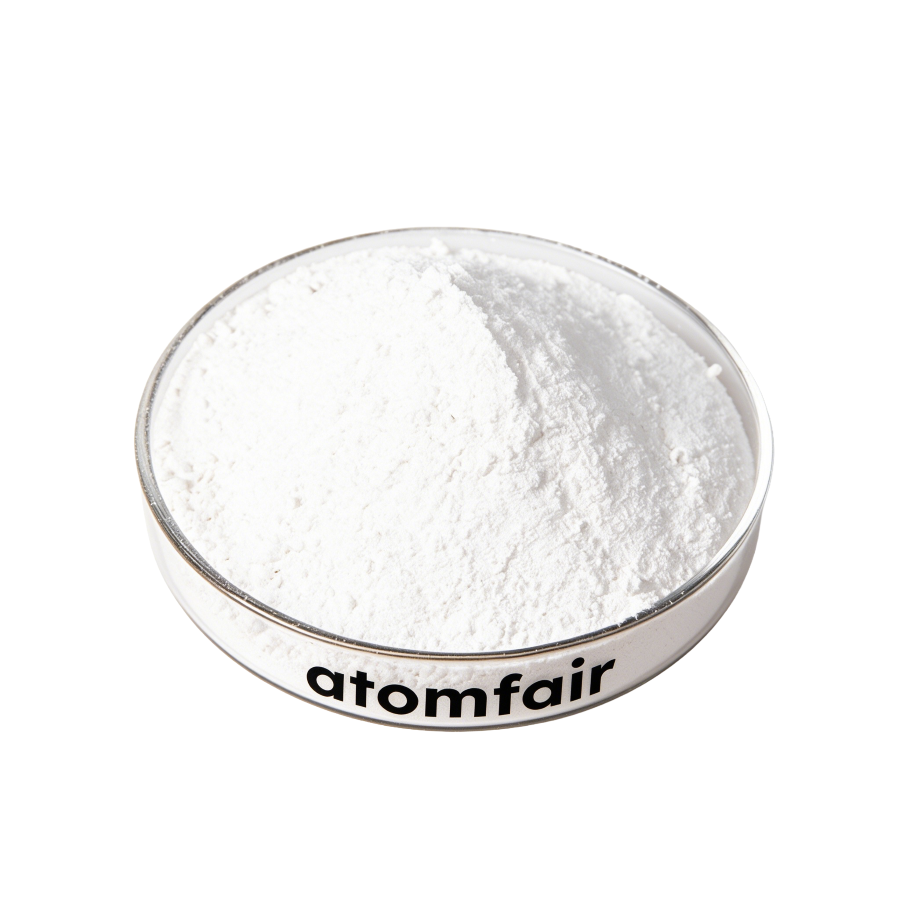
Zinc Oxide Nanorods, 100-2000nm, 1 gProduct Type: Shape-controlled inorganic nanomaterial
Research-grade laboratory product
|
|||||||||||||||||||||||
|
|||||||||||||||||||||||
|
LABORATORY PROCUREMENT SUPPORT
For model selection, material form, dimensional range, concentration or package confirmation, contact our technical sales team.
E-MAIL: inquiry@atomfair.com
|
|||||||||||||||||||||||
|
Manufacturer: Atomfair LLC
Brand: ATOMFAIR®
|
What is the aspect ratio range of these zinc oxide nanorods, and how does the polydispersity affect their alignment in solution-processed films?
The aspect ratio of these zinc oxide nanorods ranges from 1.5 (at 10 µm length and 2000 nm diameter) to 100 (at 3 µm length and 100 nm diameter). This wide polydispersity can lead to inconsistent alignment in thin-film deposition, as longer, thinner rods may orient differently than shorter, thicker rods under shear or electric fields.
Are these zinc oxide nanorods supplied as a dry powder or as a pre-dispersed suspension, and what solvent systems are compatible?
The product is supplied as a dry powder in a 1 g package, as no solvent or concentration is listed in the specifications. For redispersion, users must select a compatible solvent based on the intended application, as the manufacturer does not specify a solvent.
What filter pore size is recommended to retain these zinc oxide nanorods during solution processing?
Given the diameter range of 100–2000 nm, a filter with pore size ≤ 100 nm (e.g., 0.1 µm or 100 kDa) is required to retain the smallest rods. For the largest rods, a 2 µm pre-filter may be used to remove aggregates, but the final filter should be ≤ 100 nm to ensure complete retention of the entire size distribution.
Zinc Oxide Nanorods (100-2000 nm diameter, 3-10 μm length) are a shape-controlled inorganic nanomaterial supplied in 1 g packages, offering defined anisotropic morphology for research applications requiring rod-like geometry with broad dimensional tolerances.
Positive
- Shape-controlled nanorod morphology: The product is explicitly a shape-controlled inorganic nanomaterial, providing consistent rod geometry with specified length (3-10 μm) and diameter (100-2000 nm) ranges, enabling anisotropic property studies.
- Broad diameter range accommodates varied experiments: The 100-2000 nm diameter span allows researchers to select or fractionate within this window for size-dependent optical, electronic, or catalytic investigations without purchasing multiple distinct products.
Trade-offs
- Wide dimensional tolerances require characterization: The length (3-10 μm) and diameter (100-2000 nm) ranges are broad, meaning individual batches may exhibit significant variation; users must perform independent TEM/SEM analysis to confirm actual dimensions for each experiment.
- Limited package size of 1 g: The 1 g package may be insufficient for large-scale syntheses, multiple replicate trials, or high-throughput screening, necessitating multiple purchases or careful allocation for small-scale studies only.
Every advanced material, component, equipment, and instrument in our catalog is backed by rigorous testing. We maintain strict internal quality management frameworks and align with CE conformity metrics to deliver transparent, reproducible performance data via our public open-science repository.
To request raw batch performance data, submit formal vendor registration paperwork, or execute a fast-turnaround R&D manufacturing loop, contact us at inquiry@atomfair.com.
Item is dispatched under the Atomfair Shipping & Delivery Framework (Free worldwide shipping on orders over $59 USD excl. heavy equipment). Return is governed by the Atomfair Return & Refund Policy (7-day technical return window).