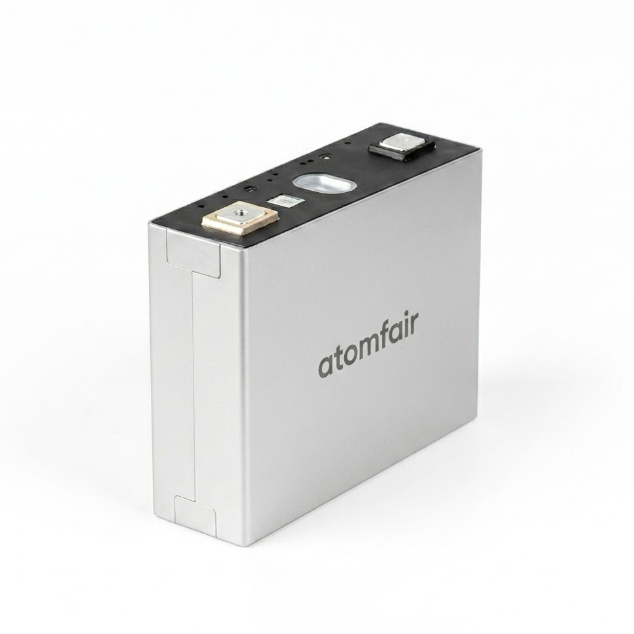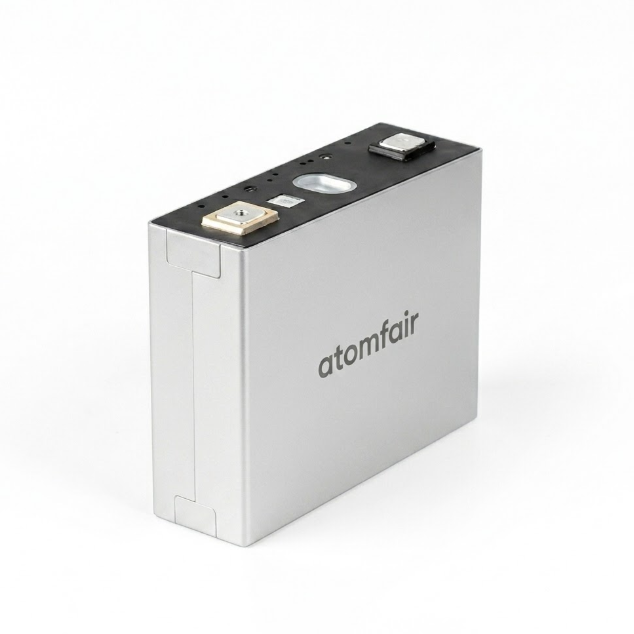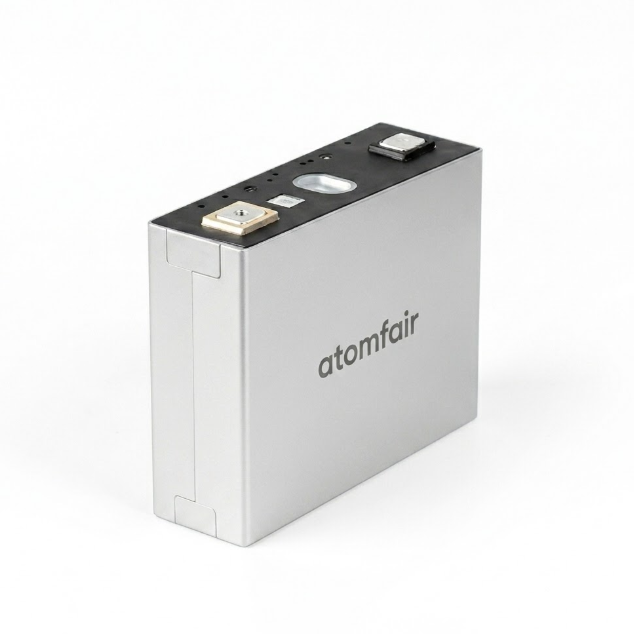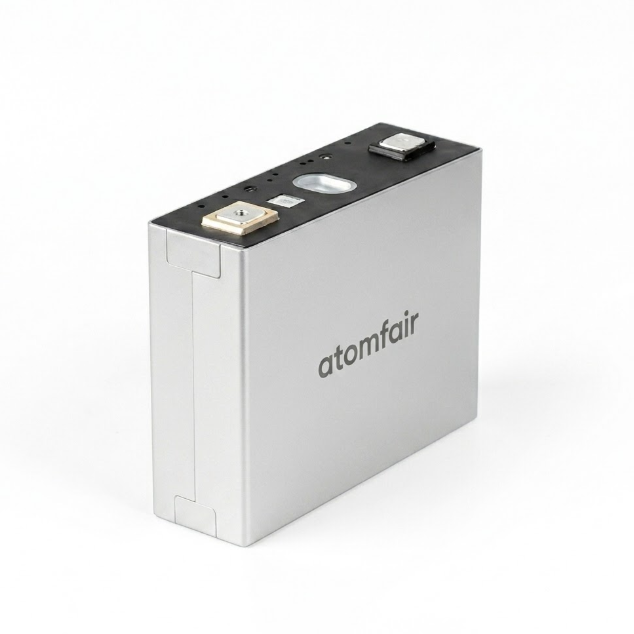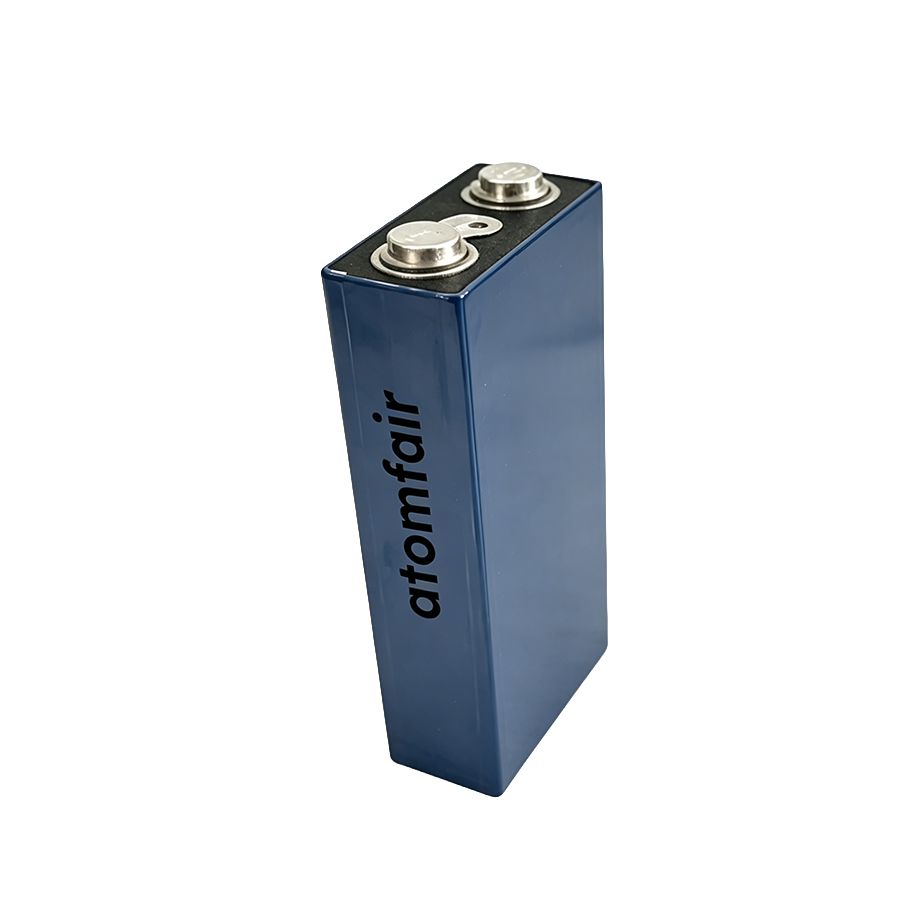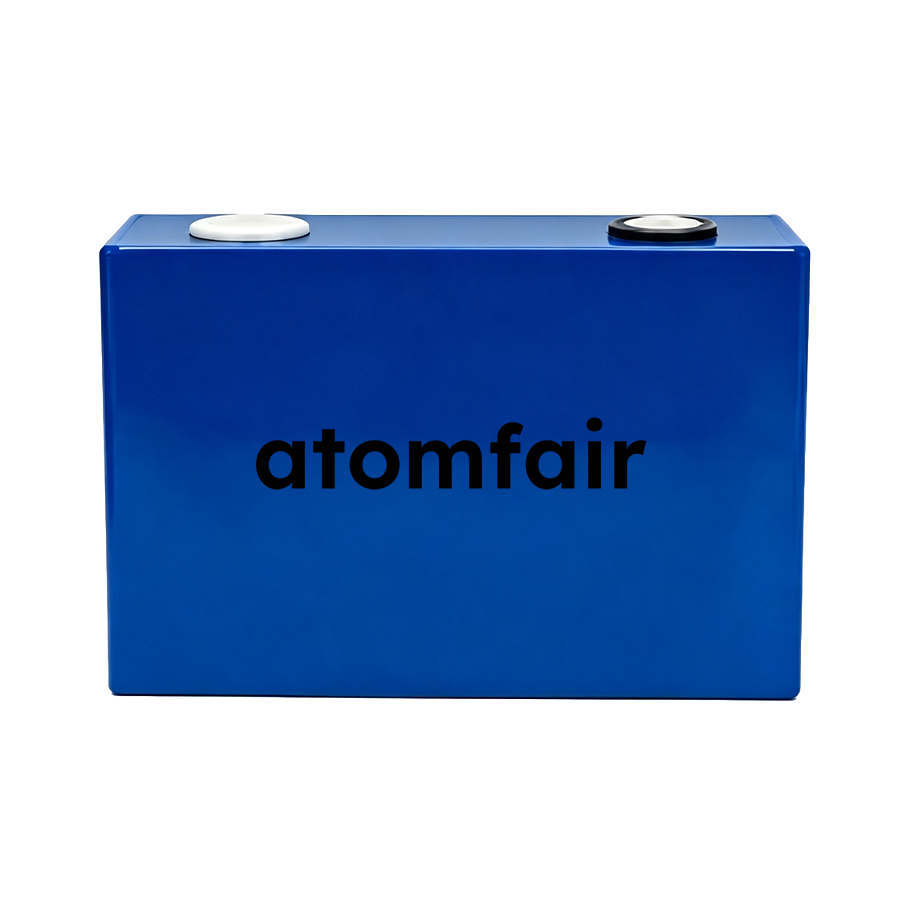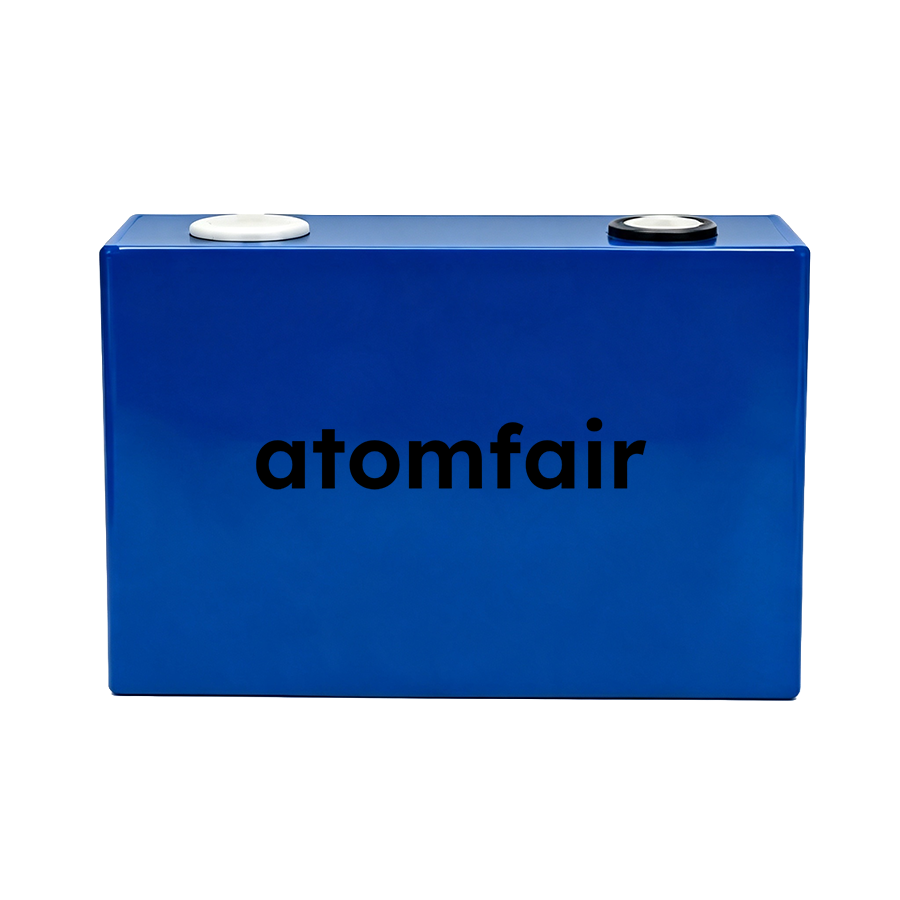
3.2V Low-Temperature (-20°C to 60°C) Prismatic Battery Cell Series | ATOMFAIRCOMMERCIAL GRADE PRODUCTION
|
|||||||||||||||||||||||||||||||||||||||||||||||||||||||
|
|||||||||||||||||||||||||||||||||||||||||||||||||||||||
|
TAILORED SOLUTIONS FOR RESEARCH
Contact our engineering team for technical support or official institutional quotations.
EMAIL: inquiry@atomfair.com
|
|||||||||||||||||||||||||||||||||||||||||||||||||||||||
|
Manufacturer: Atomfair LLC
Brand: ATOMFAIR®
|
|||||||||||||||||||||||||||||||||||||||||||||||||||||||
Environmental storage and operational constraints for the ATOMFAIR low-temperature prismatic cell series. These constraints ensure safe handling and optimal performance across the product's intended applications.
- Storage Environment: Store cells in a cool, dry environment to prevent capacity degradation and maintain safety.
- Temperature Limits: Avoid prolonged exposure to temperatures above 60°C or below -20°C during operation to prevent damage.
- Electrical Safety: Do not disassemble, deform, short-circuit, or incinerate the cells to avoid thermal runaway or fire.
- Protection Circuitry: Ensure appropriate cell balancing and protection circuitry is utilized in battery pack assembly.
- Discharge Current Limits: Do not exceed 2C continuous discharge current or 5C instantaneous discharge current to prevent overheating.
Chronological steps for safe handling and initialization of the 3.2V low-temperature prismatic battery cells. These steps cover storage, preparation, and assembly precautions.
Required Equipment: Battery management system (BMS) with cell balancing and protection circuitry
- Store cells appropriately
Store cells in a cool, dry environment to maintain optimal performance and service life. - Avoid extreme temperatures
Avoid prolonged exposure to temperatures above 60°C or below -20°C during operation. - Integrate protection circuitry
Ensure appropriate cell balancing and protection circuitry is utilized in battery pack assembly. - Handle with care
Avoid disassembling, deforming, short-circuiting, or incinerating the cells.
How does the ATOMFAIR 3.2V low-temperature prismatic cell achieve 95% capacity retention at -20°C without compromising cycle life?
The cell delivers 95% charge and discharge capacity retention at -20°C through advanced laminated (stacked) electrode technology, which also reduces internal resistance to ≤0.25 mΩ—a 30% improvement over traditional wound cells. This design enables 1C standard charge/discharge rates under cold conditions while maintaining ≥1,500 cycles at low-temperature charge/discharge (70% SOC retention) and ≥6,000 cycles under standard conditions.
What are the key compatibility constraints when integrating the 206Ah, 280Ah, or 304Ah prismatic cell into a battery pack for cold-environment equipment?
The cell operates from -20°C to 60°C with a nominal voltage of 3.2V and supports up to 5C maximum instantaneous discharge and 2C continuous discharge. Integration requires appropriate cell balancing and protection circuitry to prevent over-discharge or short-circuit, and storage must be in a cool, dry environment. The prismatic format with individual protective insulation is designed for drones, launchers, communication equipment, and vehicles, but pack-level thermal management is critical to avoid prolonged exposure beyond the -20°C to 60°C range.
What handling and storage requirements are critical to preserve the low-temperature performance and cycle life of this prismatic cell?
Cells must be stored in industrial standard sealed structural containers with individual protective insulation tailored for square prismatic formats. Avoid prolonged exposure above 60°C or below -20°C during operation, and do not disassemble, deform, short-circuit, or incinerate. For optimal service life, maintain a cool, dry storage environment and ensure proper cell balancing in battery pack assembly to prevent accelerated degradation under low-temperature charge/discharge cycles.
Technical evaluation of the ATOMFAIR 3.2V low-temperature prismatic cell series (206/280/304 Ah) confirms 95% capacity retention at -20°C, ultra-low internal resistance (≤0.25 mΩ) via laminated electrode construction, and cycle life of ≥6,000 cycles standard / ≥1,500 cycles low-temp. Operating constraints include temperature sensitivity outside -20°C to 60°C and need for external balancing/protection circuitry.
Positive
- Low-Temperature Charge/Discharge Retention: Delivers 95% charge and 95% discharge capacity retention at -20°C, enabling reliable operation in cold environments where conventional cells fail.
- Ultra-Low Internal Resistance: Internal resistance ≤ 0.25 mΩ, achieved via laminated (stacked) electrode technology, reduces heat generation and improves power output compared to traditional wound cells.
Trade-offs
- Temperature Operating Limits: Prolonged exposure above 60°C or below -20°C during operation degrades performance; storage requires a cool, dry environment to maintain cell integrity.
- Reduced Cycle Life Under Low-Temperature Cycling: Low-temperature charge/discharge cycling reduces cycle life to ≥1,500 cycles (70% SOC retention) compared to ≥6,000 cycles under standard conditions, requiring careful application planning.
Every advanced material, component, equipment, and instrument in our catalog is backed by rigorous testing. We maintain strict internal quality management frameworks and align with CE conformity metrics to deliver transparent, reproducible performance data via our public open-science repository.
To request raw batch performance data, submit formal vendor registration paperwork, or execute a fast-turnaround R&D manufacturing loop, contact us at inquiry@atomfair.com.
Item is dispatched under the Atomfair Shipping & Delivery Framework (Free worldwide shipping on orders over $59 USD excl. heavy equipment). Return is governed by the Atomfair Return & Refund Policy (7-day technical return window).