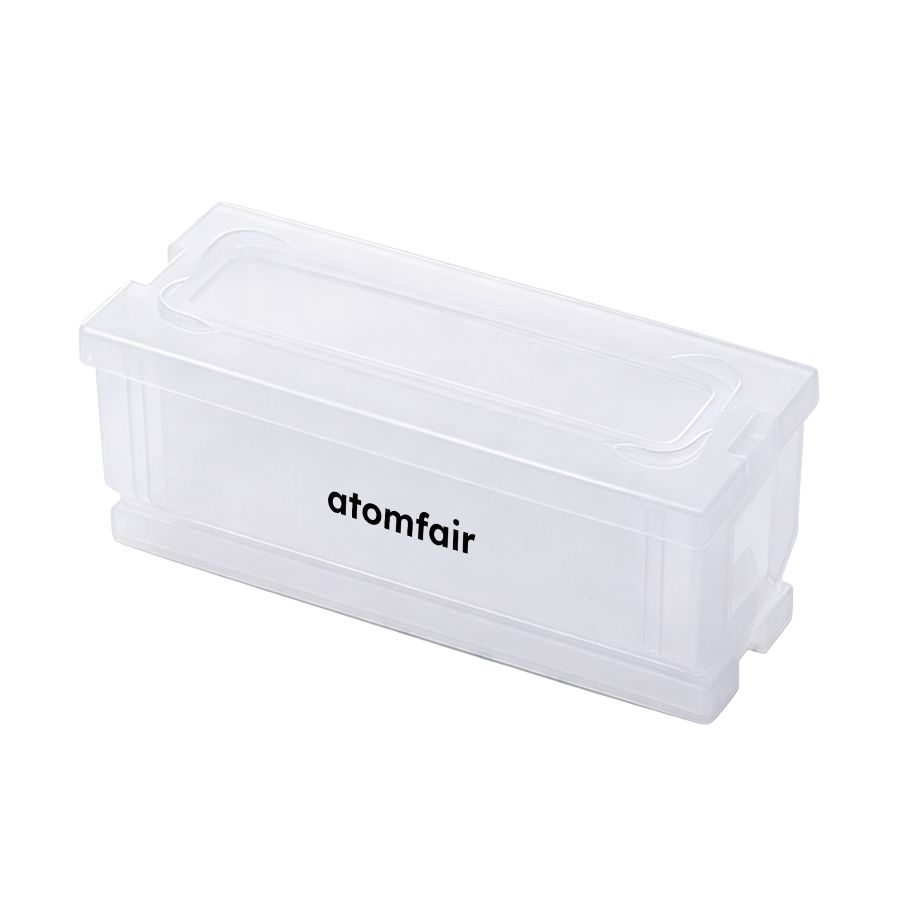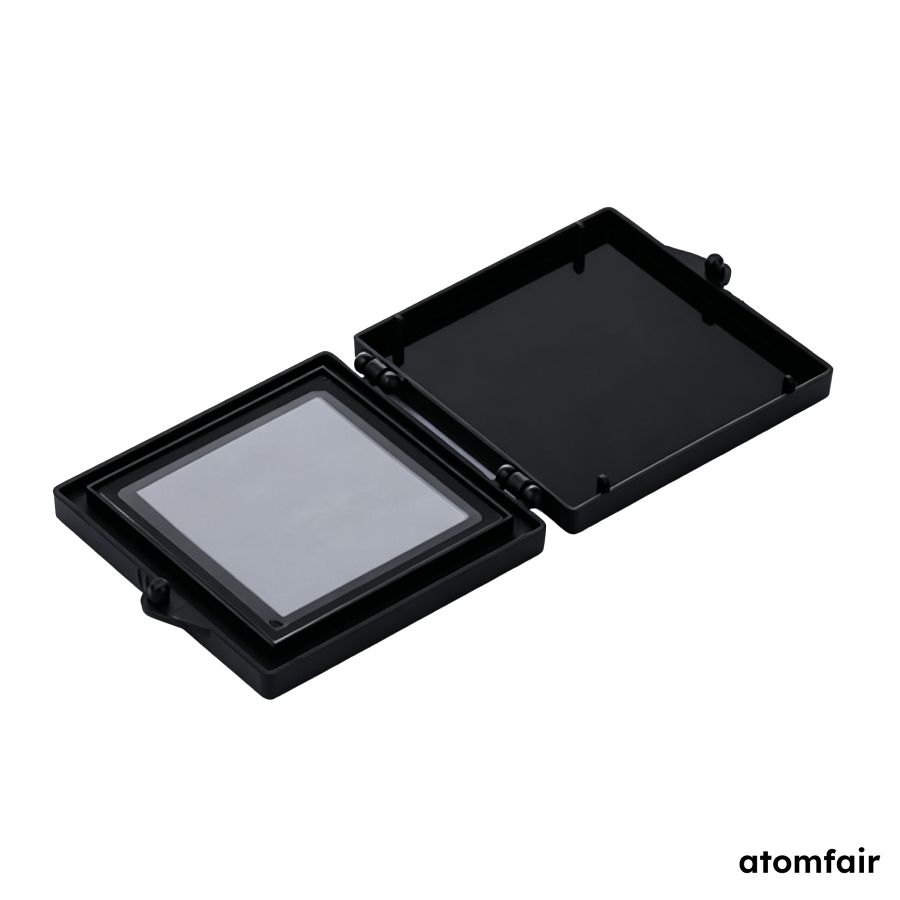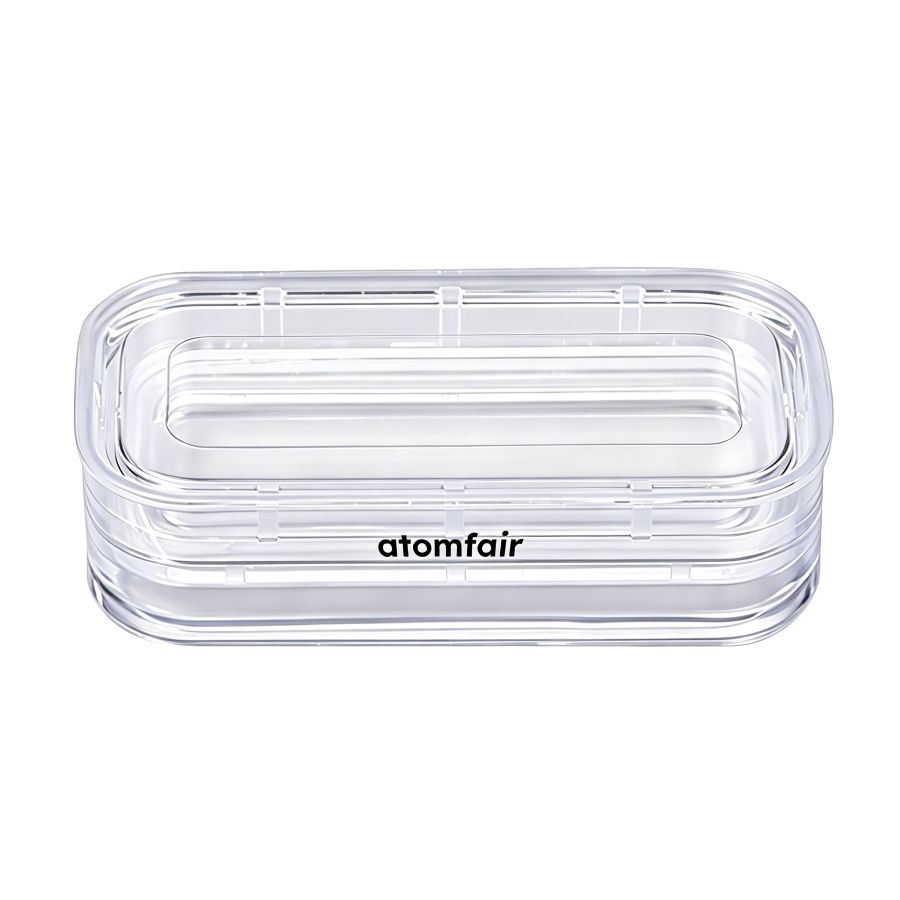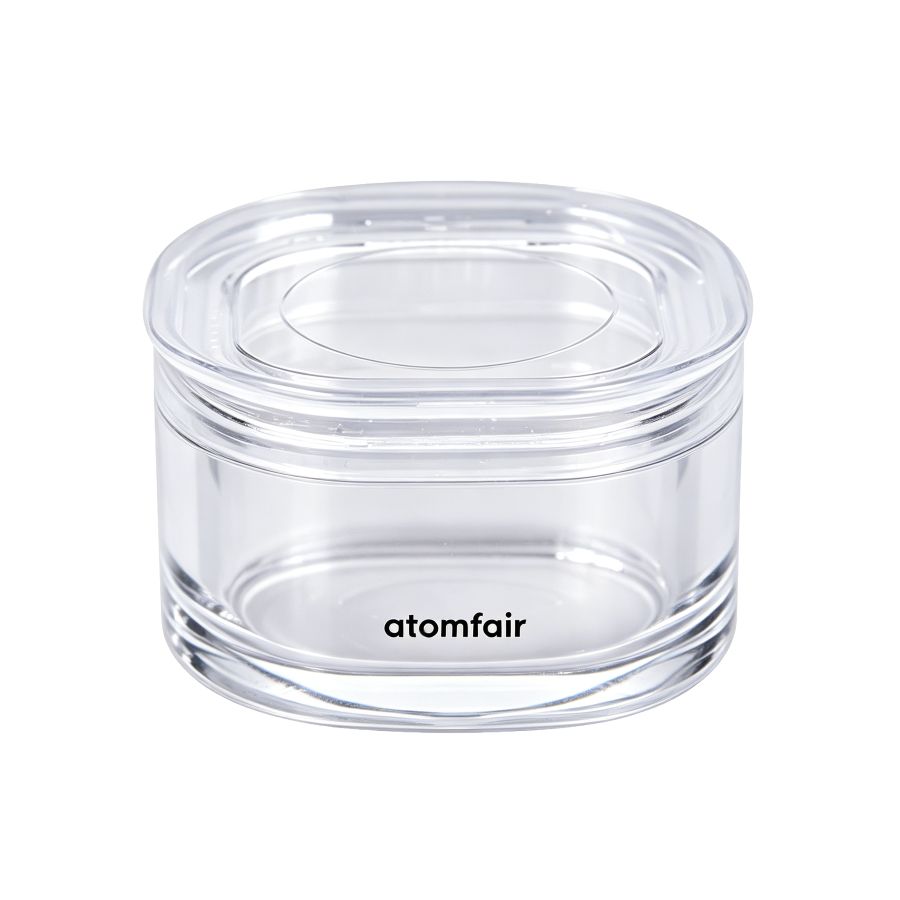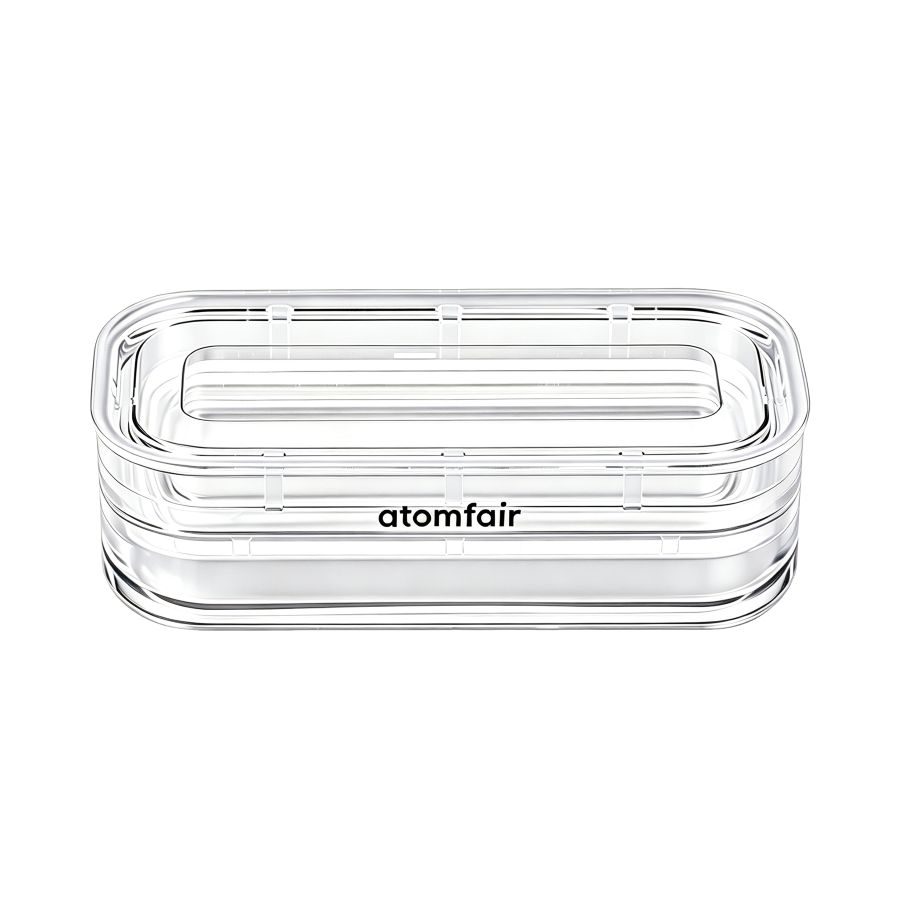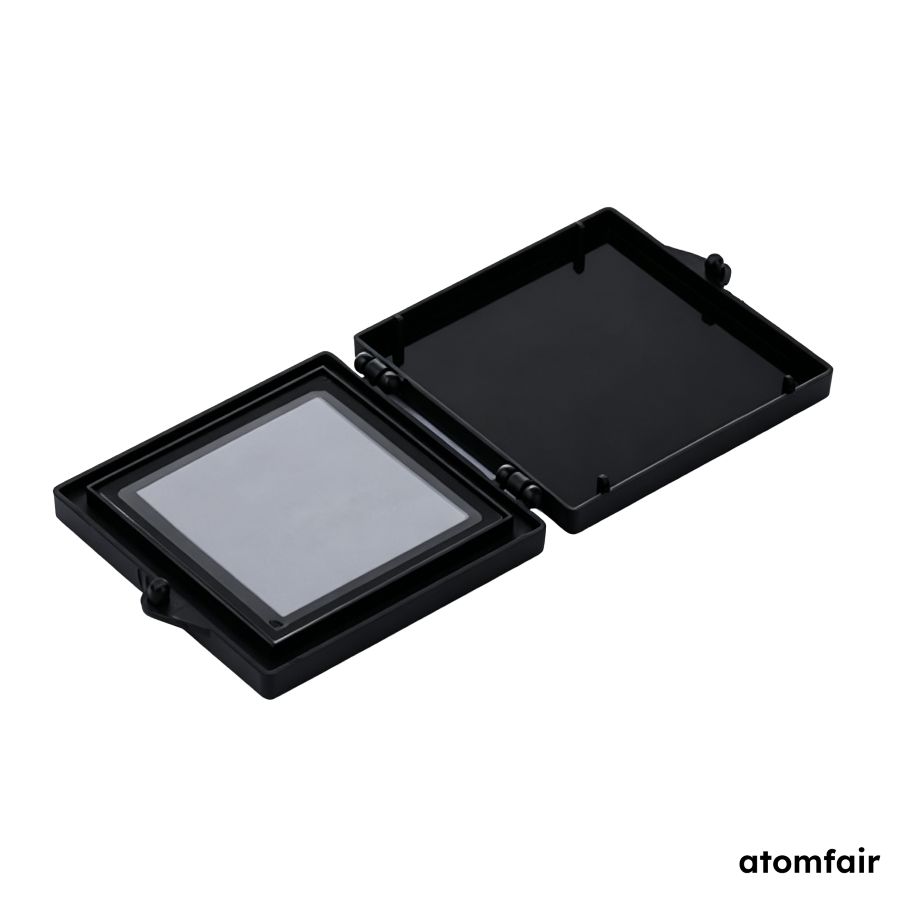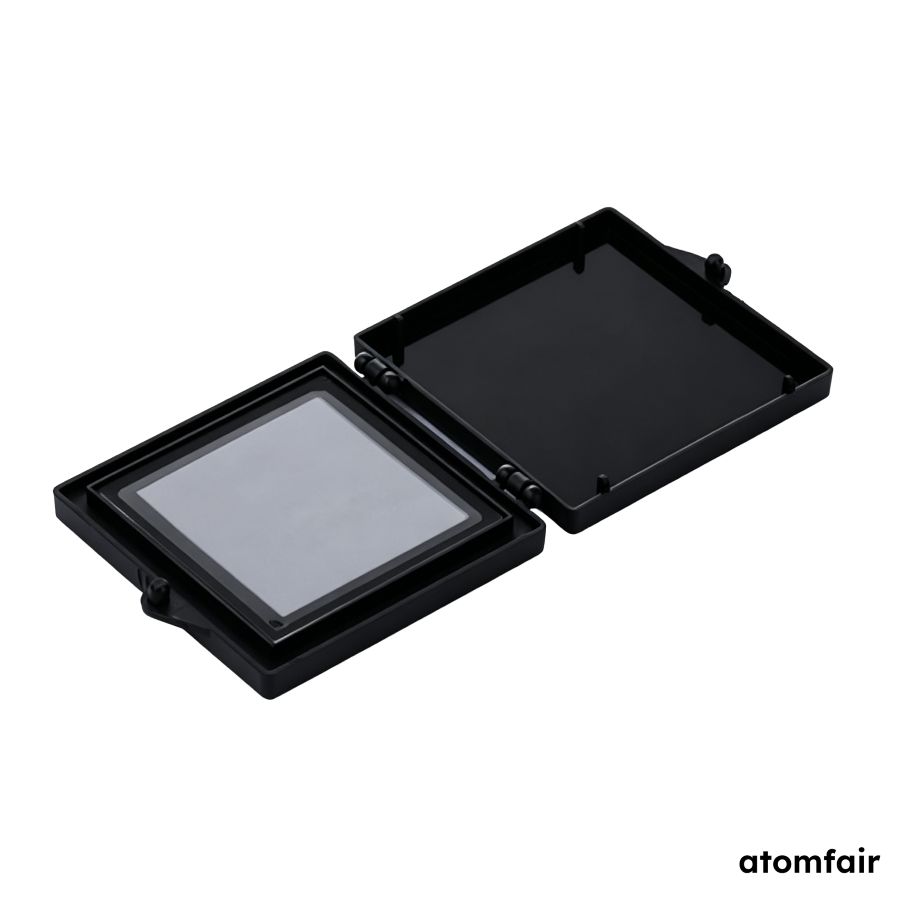
LID-TYPE VACUUM RELEASE TRAY 30 GRID ULTRA-LOW ADHESION,5pcsRESEARCH GRADE MATERIAL
|
|||||||||||||||||||||||||||||||||
|
|||||||||||||||||||||||||||||||||
|
TAILORED SOLUTIONS FOR RESEARCH
Contact our engineering team for technical support or official institutional quotations.
EMAIL: inquiry@atomfair.com
|
|||||||||||||||||||||||||||||||||
|
Manufacturer: Atomfair LLC
Brand: ATOMFAIR®
|
|||||||||||||||||||||||||||||||||
This vacuum release tray requires connection to a compatible vacuum station and vacuum pump system for sample release. It is designed to withstand continuous outgassing and multi-cycle depressurization without dimensional warping.
- Storage Requirement: The tray is double-vacuum bag sealed under dry inert nitrogen gas atmosphere to guarantee zero contamination during transport.
- Infrastructure Requirement: The tray must be used with a compatible vacuum station and vacuum pump system to activate the release mode.
- Structural Integrity: The tray resists dimensional warping under continuous outgassing and multi-cycle depressurization.
The vacuum release tray holds samples using ultra-low adhesion and releases them under vacuum. Follow these steps to activate the release mode and remove samples without damage.
Required Equipment: Vacuum Station, Vacuum Pump
- Place the tray
Place the vacuum release tray onto the compatible vacuum station. - Connect the pump
Connect the vacuum pump to the vacuum station using the appropriate tubing. - Activate release
Activate the vacuum pump to initiate the release mode and remove the sample.
How does the ultra-low adhesion platform compare to standard low-adhesion trays in preventing thin-film peeling during sample detachment?
The ultra-low adhesion platform uses a specially structural elastomer that provides reliable anchor hold while enabling micro-level non-destructive sample detachment, preventing thin-film peeling or device deformation. This is superior to standard low-adhesion trays that may leave residue or cause stress marks, as confirmed by the product's engineered ultra-low residue surface energy specification.
Are the different lid configurations (ESD-safe full-black, conductive full-black, ESD-safe clear) interchangeable with the same conductive black tray, and do they affect vacuum sealing performance?
Yes, all three models share the same conductive black tray and differ only in lid and insert material. Vacuum sealing performance is maintained across configurations because the tray is engineered with premium chemical-resistant components designed to withstand continuous outgassing and multi-cycle depressurization without dimensional warping.
What infrastructure is required to operate the vacuum release mechanism, and can a standard laboratory vacuum pump be used?
The vacuum release tray requires a compatible Vacuum Station and Vacuum Pump system specifically designed for these trays. Standard laboratory vacuum pumps are not recommended, as the release mode activation depends on the integrated vacuum system to ensure controlled sample removal without damage.
This 30-grid ultra-low adhesion vacuum release tray provides non-destructive sample containment for sensitive research materials, relying on external vacuum infrastructure for release and requiring explicit ordering for non-standard mesh configurations.
Positive
- Non-destructive ultra-low adhesion platform: Specially engineered structural elastomer enables reliable sample hold while ensuring micro-level non-destructive detachment, preventing thin-film peeling or device deformation.
- Integrated ESD protection pathways: Anti-static matrices and conductive polymer backings provide immediate dissipative pathways to eliminate high-voltage electrostatic field disruptions, critical for sensitive semiconductor and quantum device handling.
Trade-offs
- Requires dedicated vacuum station and pump: Sample release operation depends on external vacuum infrastructure; the tray alone cannot release samples without a compatible vacuum station and pump system.
- Non-standard mesh requires custom ordering: Alternative mesh densities or colors are not default; buyers must specify requirements in order remarks, which may lead to delays or configuration errors if not communicated.
Every advanced material, component, equipment, and instrument in our catalog is backed by rigorous testing. We maintain strict internal quality management frameworks and align with CE conformity metrics to deliver transparent, reproducible performance data via our public open-science repository.
To request raw batch performance data, submit formal vendor registration paperwork, or execute a fast-turnaround R&D manufacturing loop, contact us at inquiry@atomfair.com.
Item is dispatched under the Atomfair Shipping & Delivery Framework (Free worldwide shipping on orders over $59 USD excl. heavy equipment). Return is governed by the Atomfair Return & Refund Policy (7-day technical return window).