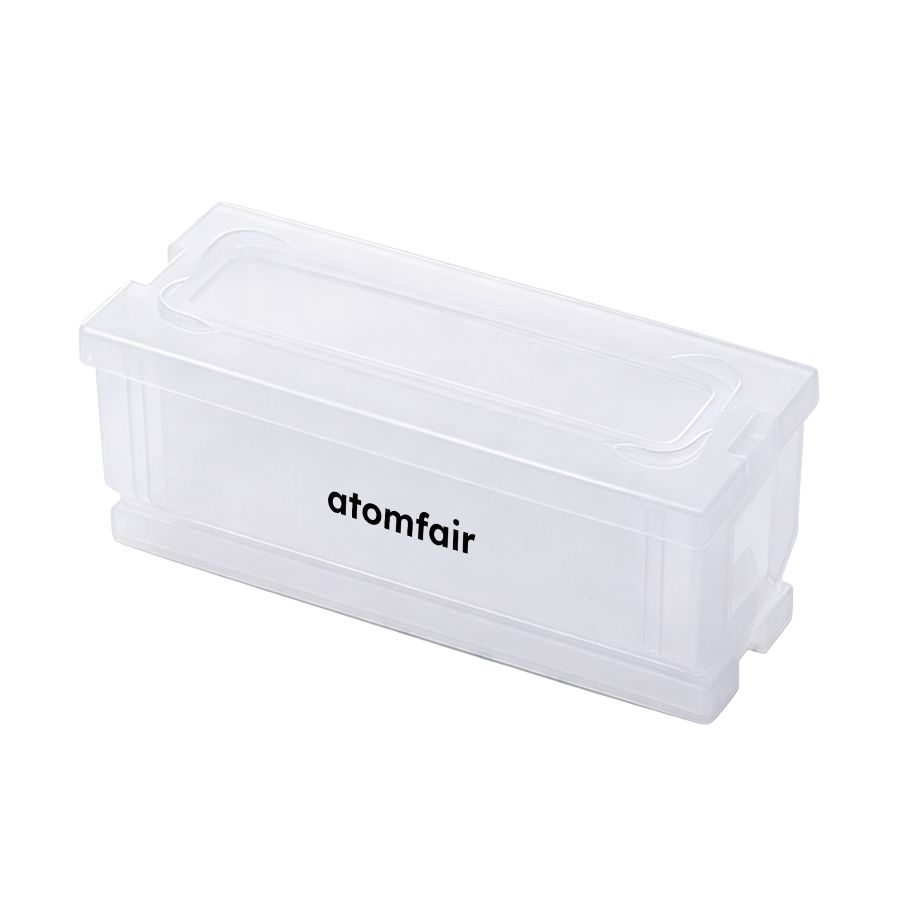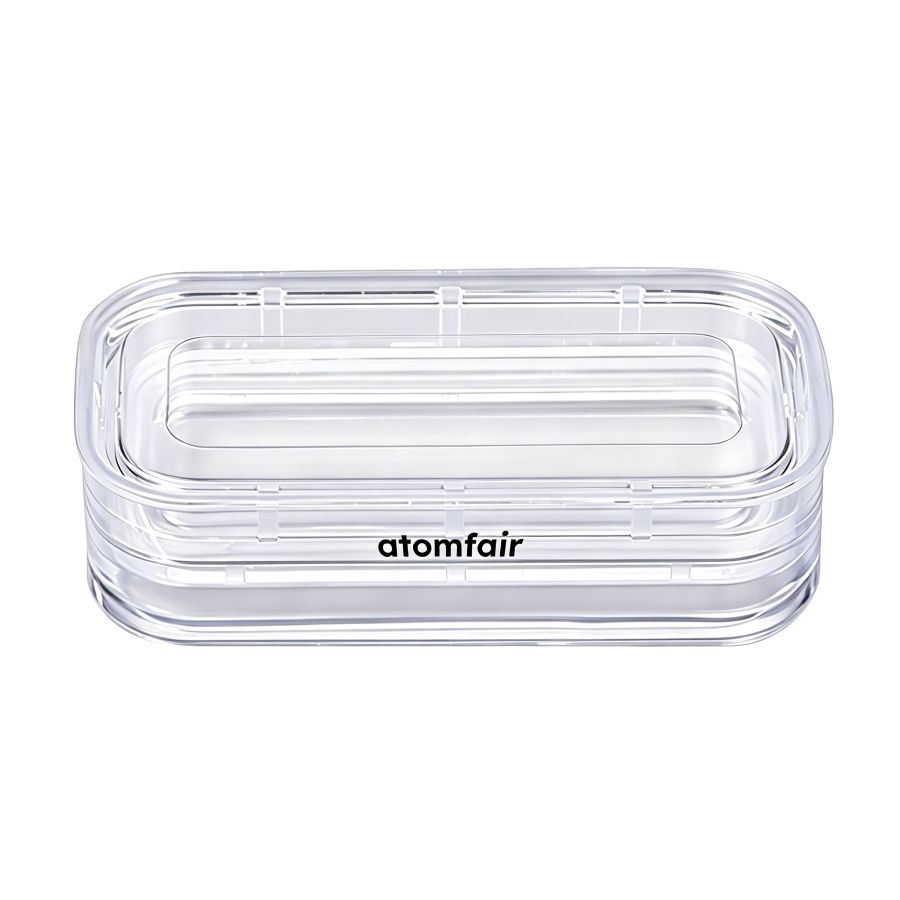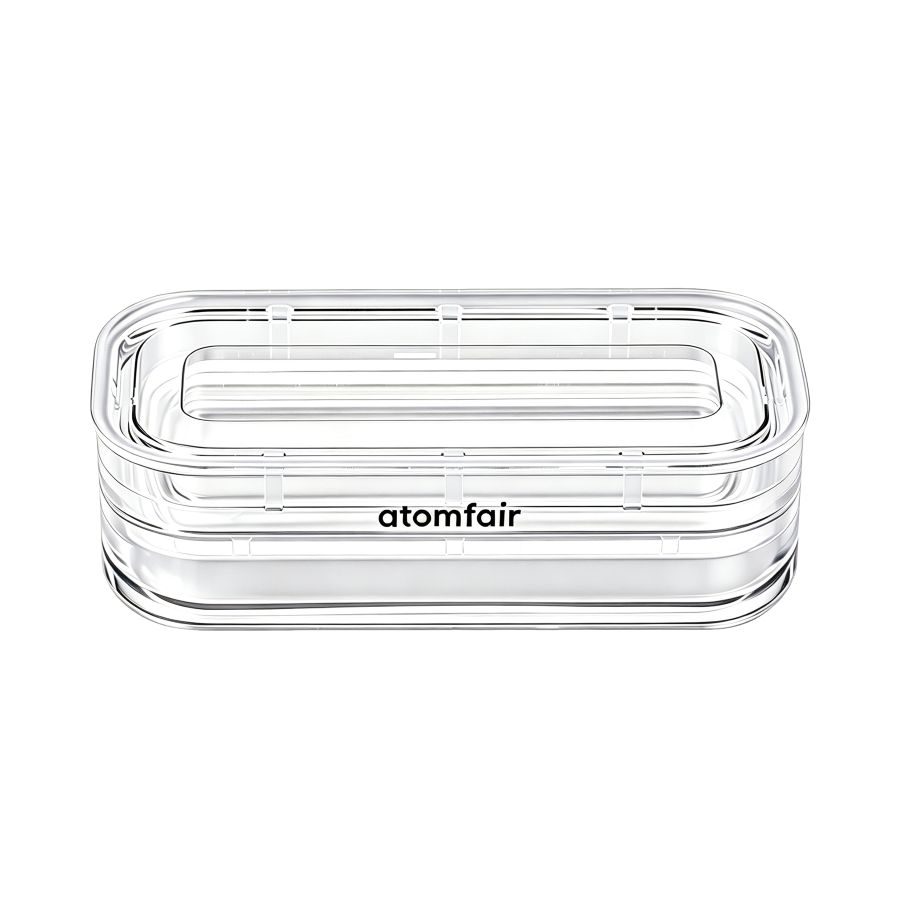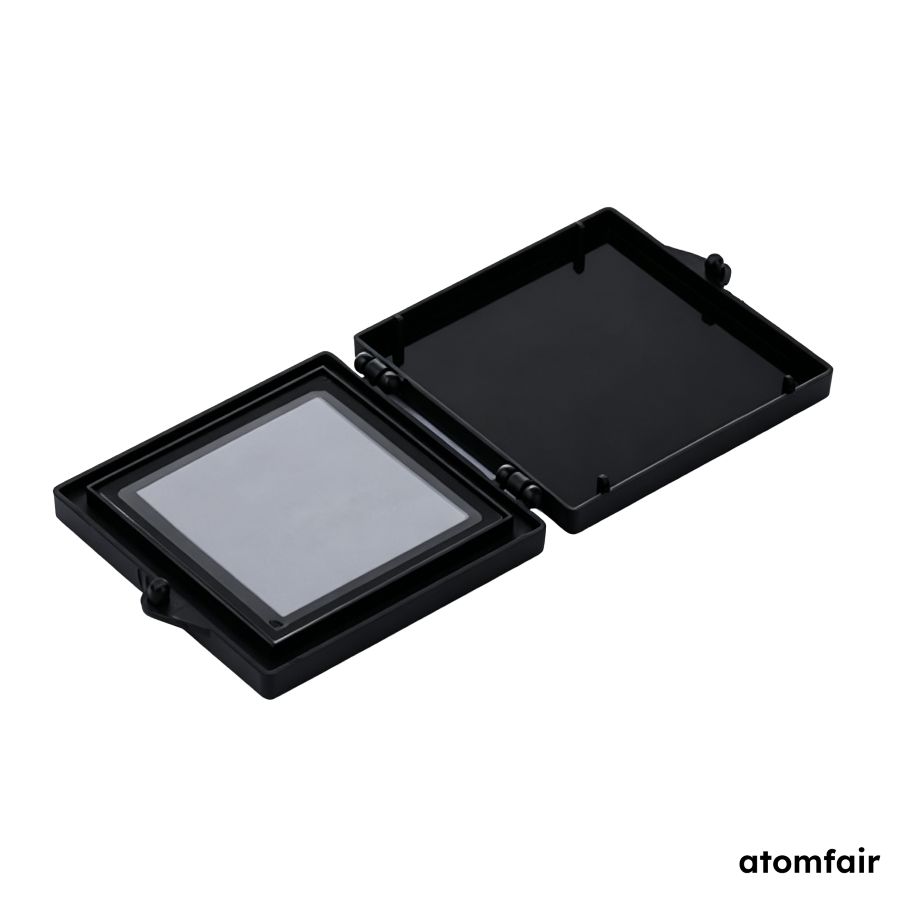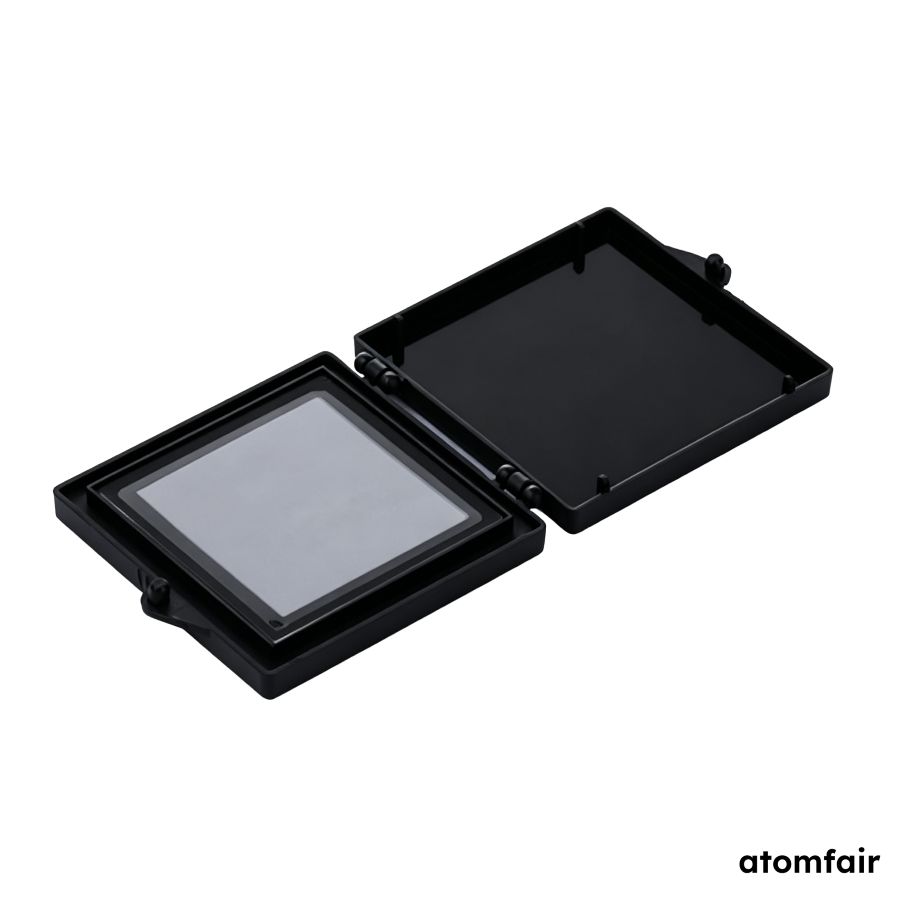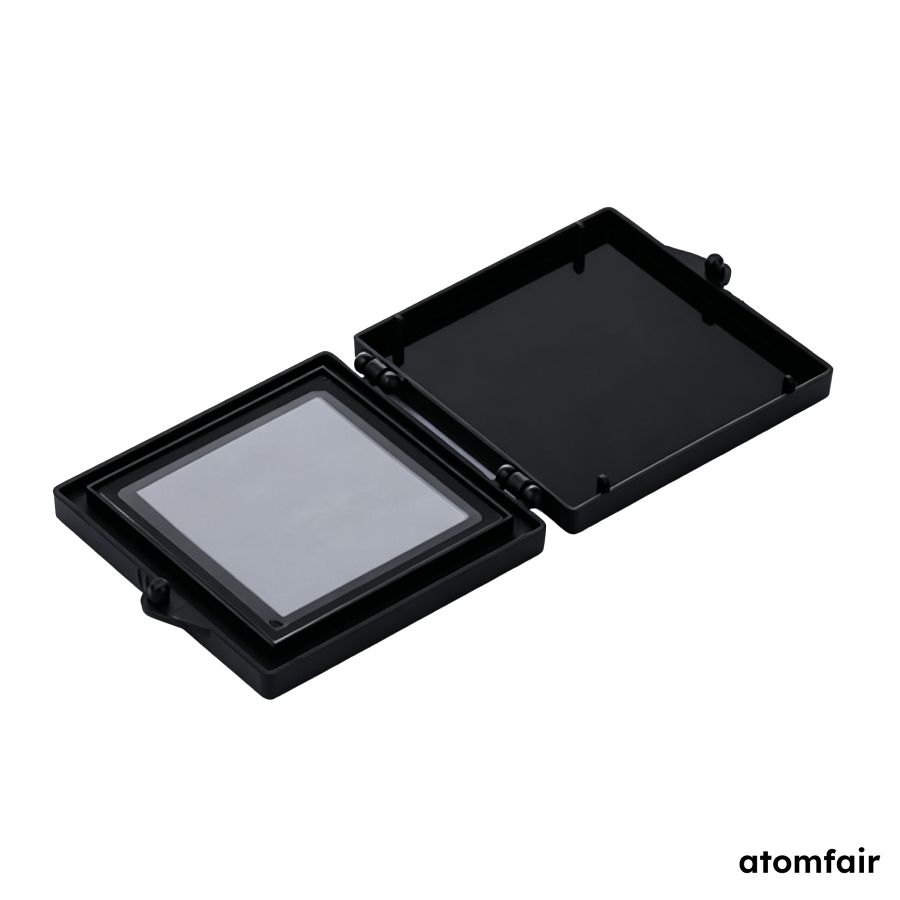
LID-TYPE VACUUM RELEASE TRAY 400 GRID LOW ADHESION,5pcsRESEARCH GRADE MATERIAL
|
|||||||||||||||||||||||||||||||||
|
|||||||||||||||||||||||||||||||||
|
TAILORED SOLUTIONS FOR RESEARCH
Contact our engineering team for technical support or official institutional quotations.
EMAIL: inquiry@atomfair.com
|
|||||||||||||||||||||||||||||||||
|
Manufacturer: Atomfair LLC
Brand: ATOMFAIR®
|
|||||||||||||||||||||||||||||||||
This tray requires dry inert atmosphere storage to maintain zero-contamination integrity. It must be used exclusively with a compatible vacuum station and pump system to activate the release mode for sample removal.
- Storage Atmosphere: Store the tray in its original double-vacuum bag under dry inert nitrogen to prevent contamination and maintain adhesion properties.
- Vacuum System Compatibility: Only use the tray with a compatible vacuum station and pump to avoid damage and ensure proper release functionality.
- ESD Protection: The integrated anti-static and conductive materials provide dissipative pathways to prevent electrostatic discharge damage to sensitive samples.
- Mesh Configuration: The default white 16 mesh is pre-installed; alternative mesh densities or colors must be specified at order placement.
- Chemical Resistance: The tray components are designed to withstand continuous outgassing and multi-cycle depressurization without dimensional warping.
This procedure describes loading samples into the grid and activating the vacuum release system for non-destructive retrieval. The tray must be connected to a compatible vacuum station and pump.
Required Equipment: Vacuum Station, Vacuum Pump, Tweezers
- Position the tray
Position the tray on a flat, clean surface and ensure the lid is removed to expose the grid array. - Load samples
Place each sample into an individual grid compartment, ensuring they are centered and not overlapping the grid walls. - Connect vacuum system
Connect the tray's vacuum port to the compatible vacuum station and pump using the appropriate tubing. - Activate vacuum
Activate the vacuum pump to apply negative pressure, which secures the samples in place for transport or processing. - Release samples
To release samples, deactivate the vacuum pump and allow the pressure to equalize, then gently lift the samples using clean tweezers.
Does the low adhesion platform of the Atomfair 400-grid vacuum release tray compromise sample holding force during transport despite its residue-free release?
No. The specially structured elastomer used in the low adhesion platform provides reliable anchor hold for rigorous transport while enabling micro-level non-destructive detachment. According to the product description, it prevents micro-shifting or structural dislodgement during transport and eliminates microscopic surface residue, adhesive transfer, and localized stress marks upon sample removal, so no holding force is sacrificed for this application.
What specific vacuum system infrastructure is required to operate the Atomfair lid-type vacuum release tray?
The tray requires a compatible vacuum station and vacuum pump (both sold separately) to activate the Release Mode for sample removal. The product description explicitly states that the tray must be used in conjunction with a compatible Vacuum Station and Vacuum Pump system, and provides links to those products. Without such a system, the vacuum release function cannot be utilized.
How does the packaging of the Atomfair vacuum release tray ensure zero contamination during transport and storage?
Each tray is double-vacuum bag sealed under a dry inert nitrogen gas atmosphere to guarantee zero contamination during transport. The product is packaged with a cleanroom compliance certificate and shock-absorbent shells. To maintain the low-adhesion and ESD-safe properties, trays should remain in their original sealed packaging until use in a controlled environment.
The lid-type vacuum release tray with 400-grid low-adhesion surface provides non-destructive sample containment for delicate devices, but requires an external vacuum station and pump for operation and defaults to 16-mesh; alternative mesh densities must be specified at order.
Positive
- Precision 20×20 grid isolation: The 400-grid orthogonal array enables systematic cell-by-cell micro-mapping, clean optical screening, and efficient batch sample cataloging for processes like quantum chip handling or 2D material transfer.
- Low-residue non-destructive detachment: The low-surface-energy elastomer adhesive provides reliable anchor hold during transport yet allows micro-level detachment without adhesive transfer, thin-film peeling, or structural deformation of delicate samples.
Trade-offs
- Requires external vacuum infrastructure: Release mode activation depends on a compatible vacuum station and pump system (not included), adding infrastructure and operational steps for sample removal.
- Default mesh may not suit all applications: The configuration ships with white 16 mesh; alternative mesh densities (33–195 mesh) or yellow mesh must be explicitly specified in order remarks, which may delay procurement if not pre-defined.
Every advanced material, component, equipment, and instrument in our catalog is backed by rigorous testing. We maintain strict internal quality management frameworks and align with CE conformity metrics to deliver transparent, reproducible performance data via our public open-science repository.
To request raw batch performance data, submit formal vendor registration paperwork, or execute a fast-turnaround R&D manufacturing loop, contact us at inquiry@atomfair.com.
Item is dispatched under the Atomfair Shipping & Delivery Framework (Free worldwide shipping on orders over $59 USD excl. heavy equipment). Return is governed by the Atomfair Return & Refund Policy (7-day technical return window).