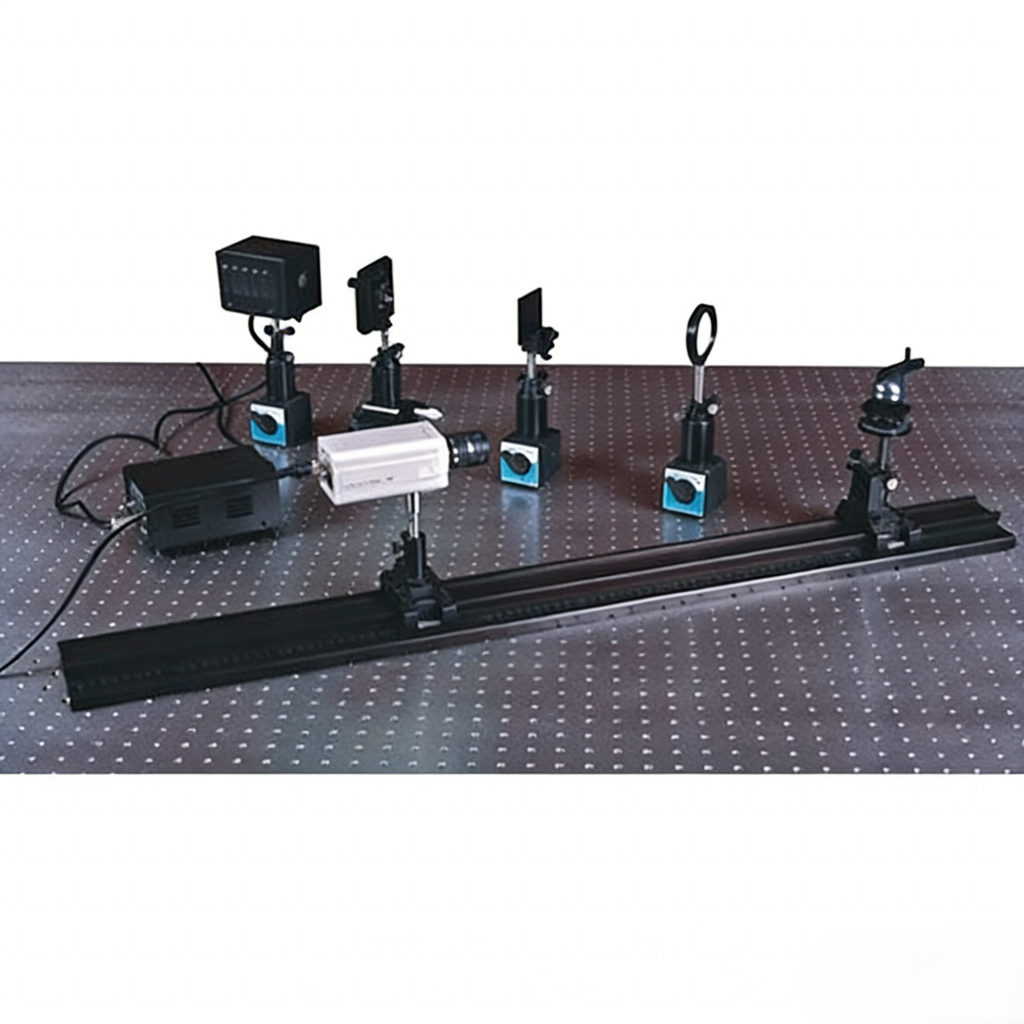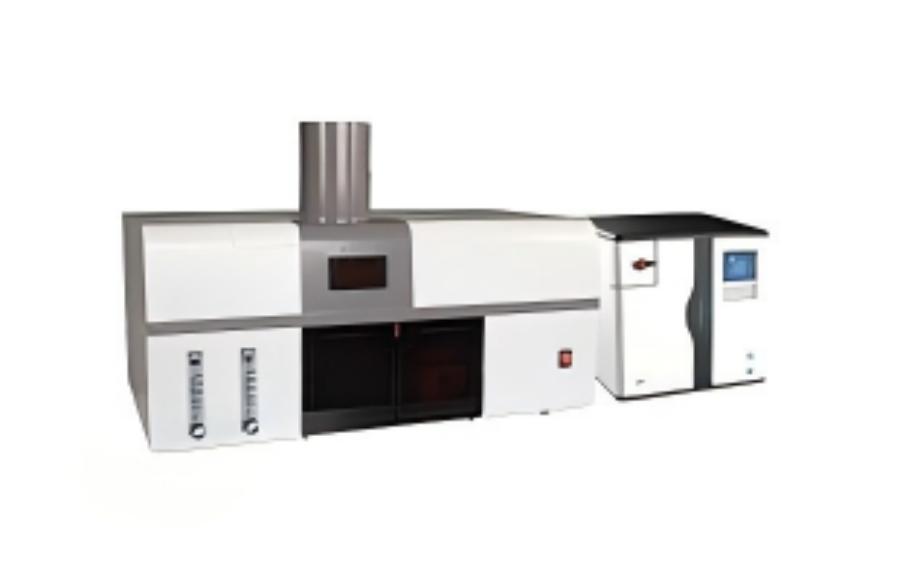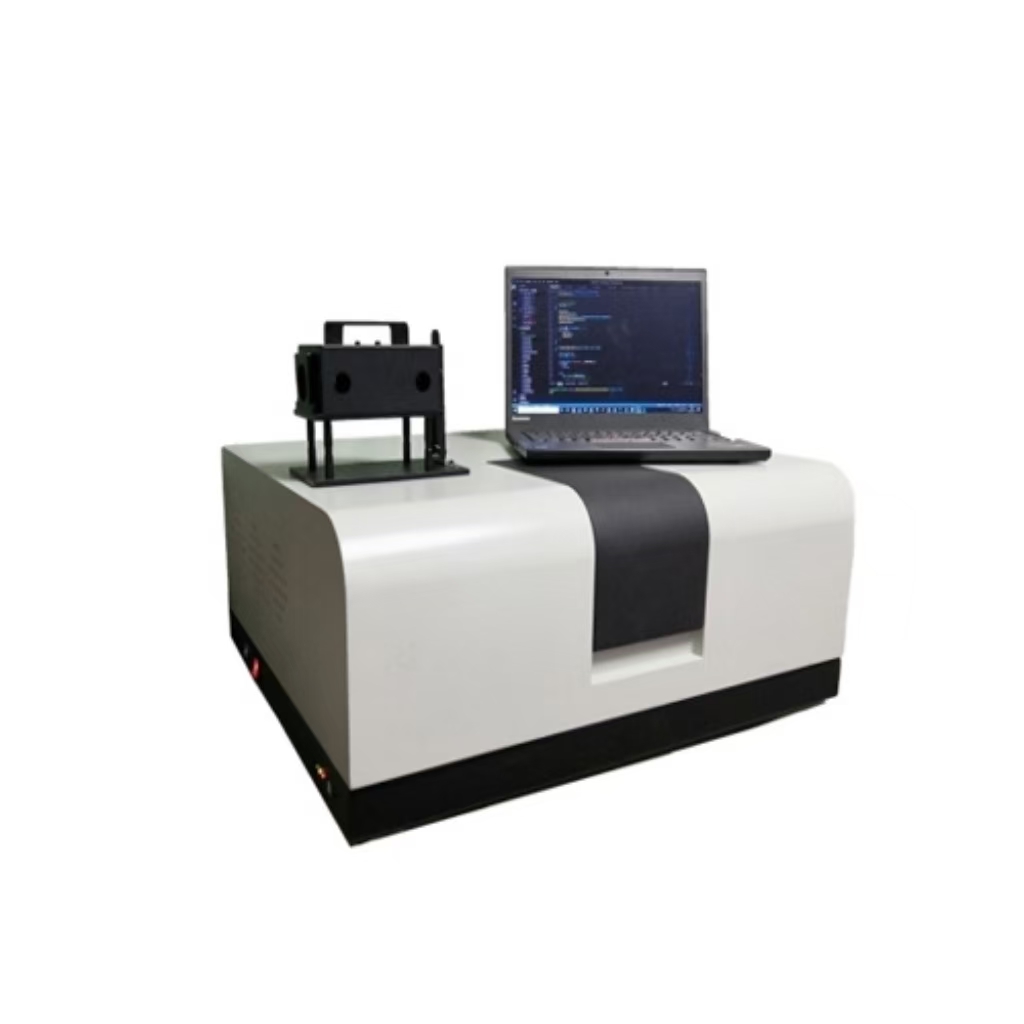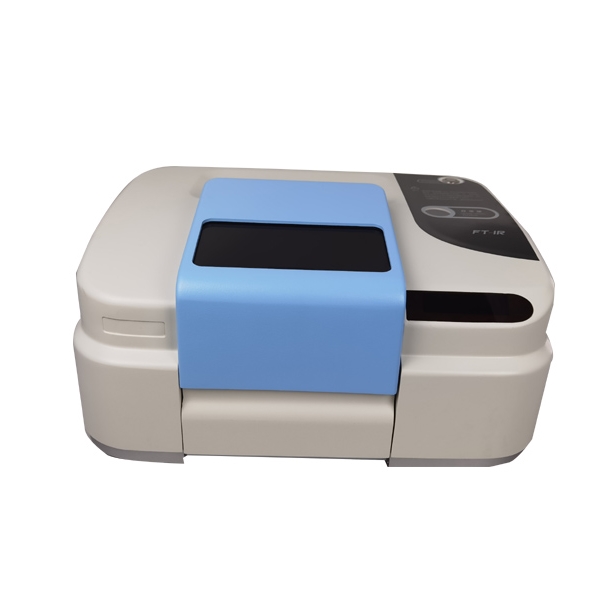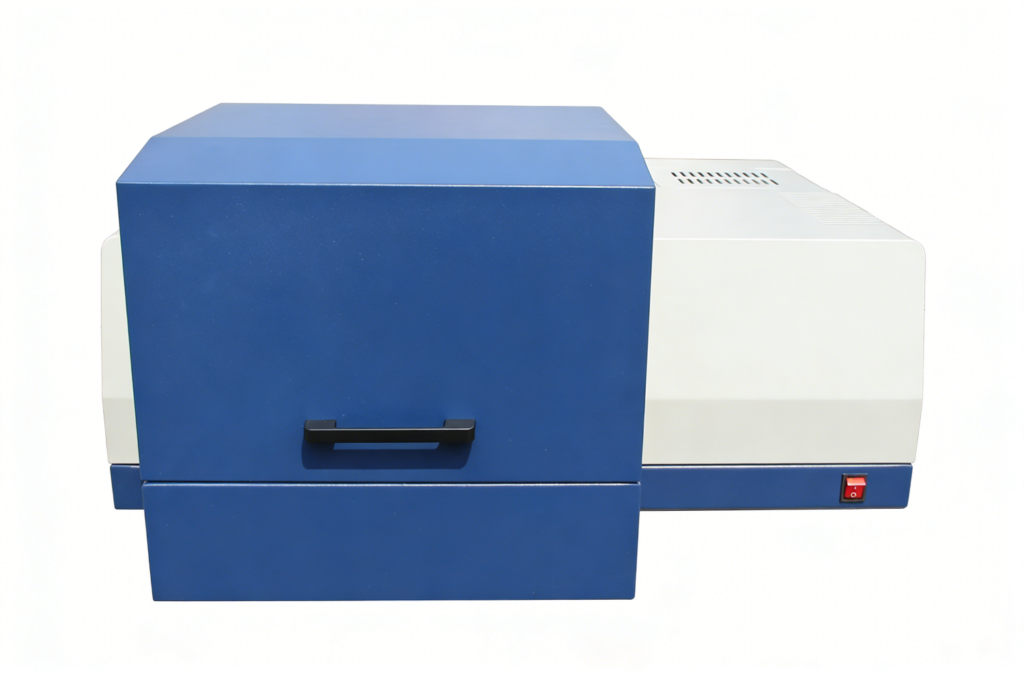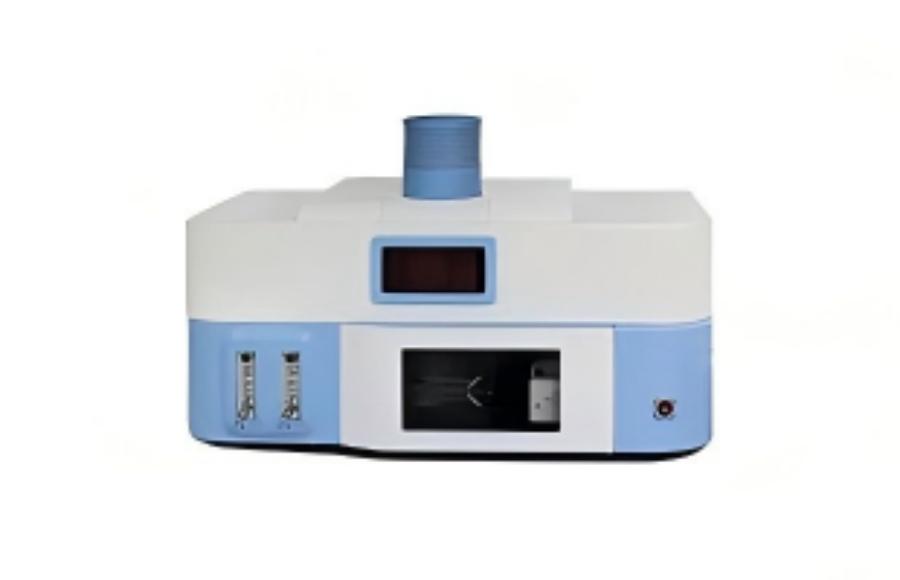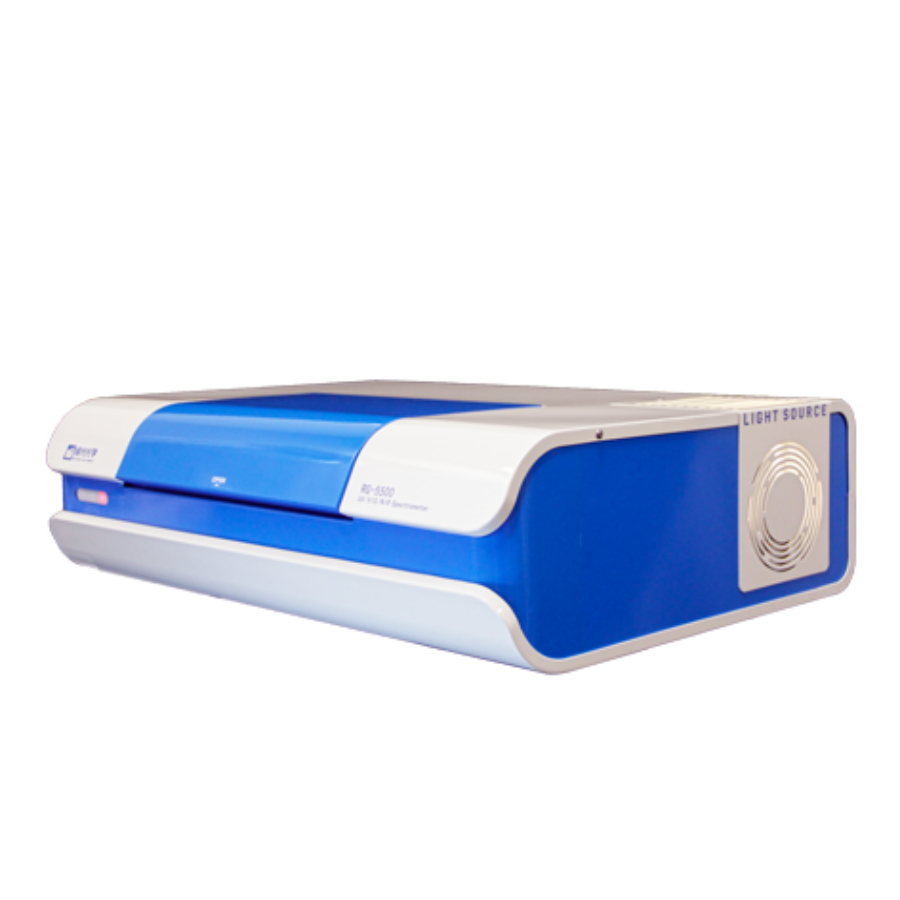
Atomfair UVVIS-NIR 7393 Spectrophotometer
Product Overview
Atomfair UVVIS-NIR 7393 is a versatile UV-Vis-NIR spectrophotometer with 175nm-3300nm range. It integrates diffuse/specular reflection, transmission & DRS analysis, boasting 3 holographic gratings, high-performance detection, USB/Wi-Fi connectivity and multi-language support for global scientific & industrial use.
Core Parameters
- Wavelength Range: 175nm ~ 3300nm
- Grating Configuration: Three high-quality holographic gratings, fully covering the entire measurement band
- Receiving System: Three high-performance receiving systems, greatly improving detection performance
- Measurement Modes: Support for reflection, transmission, absorbance, DRS reflection measurement
- Optional Accessories: Transmission accessories, reflection accessories (5°, 15°, 25° optional), DRS accessories
- Communication Mode: USB, WIFI
- Software Function: Equipped with spectrum measurement, photometric measurement, secondary development functions, supporting multi-language including English, Russian etc.
Application Advantages
The equipment integrates multiple measurement functions in one, easy to operate and accurate in measurement, which can meet the material analysis needs of researchers and engineers in different scenarios, and effectively improve work efficiency and the reliability of analysis results.
Core Competitive Advantages
- Full-band coverage & high-performance detection: 175nm~3300nm wide wavelength range with three holographic gratings and three high-performance receiving systems ensure the accuracy and detection sensitivity of full-band measurement, suitable for various material analysis scenarios.
- Multi-function integrated design: Simultaneously support diffuse reflection (integrating sphere accessories), specular reflection (reflection accessories), transmission, absorbance, DRS reflection and other measurement methods, one device meets the testing needs of multiple scenarios without purchasing additional special equipment.
- Flexible adaptation & easy operation: Provide optional 5°/15°/25° reflection accessories, transmission and DRS accessories, dual USB & WIFI communication modes, with multi-language software and secondary development functions, adapting to the operating habits and customized needs of users in different regions of the world.
- Cross-scenario versatility: Taking into account the accurate analysis of basic scientific research and the efficient detection of industrial production, it can quickly complete the determination of material concentration, content and element composition, suitable for material analysis needs in multiple industries.
If you’re interested, have any questions, or have specific customization requirements, please feel free to contact us at inquiry@atomfair.com.
Specifies operational configuration constraints for the Atomfair UVVIS-NIR 7393 before optical measurements are performed. These constraints address required accessory selection and communication setup.
- Measurement accessory matching: Install the optional transmission, reflection (5°, 15°, or 25°), or DRS accessory that corresponds to the intended measurement mode.
- Communication interface selection: Select either USB or Wi-Fi as the communication interface when connecting the instrument to the control computer.
- Software measurement mode selection: Choose reflection, transmission, absorbance, or DRS reflection as the active software measurement mode before acquiring data.
This procedure configures the Atomfair UVVIS-NIR 7393 for transmission, reflection, absorbance, or DRS measurements using its control software and optional accessories. Complete this configuration before sample spectra are acquired.
Required Equipment: Transmission accessory, Reflection accessory (5°, 15°, or 25°), DRS accessory
- Connect Instrument
Connect the instrument to the control computer using either USB or Wi-Fi. - Launch Software
Launch the multi-language control software and select the preferred operating language. - Install Accessory
Install the appropriate transmission, reflection (5°, 15°, or 25°), or DRS accessory for the intended measurement mode. - Select Measurement Mode
Select the corresponding transmission, reflection, absorbance, or DRS measurement mode in the software.
How does the three-grating configuration in the Atomfair UVVIS-NIR 7393 improve measurement accuracy and sensitivity across the 175–3300 nm range?
The three high-quality holographic gratings, combined with three high-performance receiving systems, ensure full-band coverage and detection sensitivity. This configuration eliminates gaps in wavelength response typically seen in single-grating systems, providing consistent performance from deep UV to NIR for applications like diffuse and specular reflection, transmission, and absorbance measurements.
Can the Atomfair UVVIS-NIR 7393 be integrated into an existing laboratory software ecosystem via its secondary development functions?
Yes, the spectrophotometer supports secondary development functions, enabling custom software integration. It communicates via USB and Wi-Fi, and its multi-language software includes English and Russian. This allows researchers to automate data collection, build custom analysis pipelines, or connect to laboratory information management systems (LIMS).
Does the Atomfair UVVIS-NIR 7393 support diffuse reflectance spectroscopy (DRS) for solid or powder samples?
Yes, the instrument supports DRS reflection measurement mode as a standard measurement method. Optional DRS accessories are available to enable diffuse reflectance analysis of solid and powder samples, making it suitable for applications such as catalyst characterization and pigment analysis without requiring a separate dedicated instrument.
The Atomfair UVVIS-NIR 7393 integrates three holographic gratings and three receiving systems to cover 175–3300 nm, enabling diffuse/specular reflection, transmission, absorbance, and DRS measurements in a single instrument. Its multi-angle reflection accessories and dual USB/Wi-Fi connectivity support flexible lab deployment, though the requirement for multiple detectors and gratings increases system complexity and maintenance considerations.
Positive
- Broad spectral coverage: The 175–3300 nm range with three holographic gratings and three receiving systems ensures full-band measurement capability, supporting diverse material analysis from deep UV to NIR without changing instruments.
- Multi-mode measurement integration: Simultaneously supports diffuse reflection, specular reflection, transmission, absorbance, and DRS, eliminating the need for multiple dedicated instruments and simplifying workflow in multi-application labs.
Trade-offs
- Complex multi-detector architecture: The use of three separate gratings and receiving systems increases optical alignment complexity and may require more frequent calibration and maintenance compared to single-detector designs.
- Accessory-dependent measurement modes: Reflection and DRS measurements require optional accessories (5°/15°/25° reflection, transmission, DRS), meaning full functionality is only achieved with additional purchases and setup.
Every advanced material, component, equipment, and instrument in our catalog is backed by rigorous testing. We maintain strict internal quality management frameworks and align with CE conformity metrics to deliver transparent, reproducible performance data via our public open-science repository.
To request raw batch performance data, submit formal vendor registration paperwork, or execute a fast-turnaround R&D manufacturing loop, contact us at inquiry@atomfair.com.
Item is dispatched under the Atomfair Shipping & Delivery Framework (Free worldwide shipping on orders over $59 USD excl. heavy equipment). Return is governed by the Atomfair Return & Refund Policy (7-day technical return window).