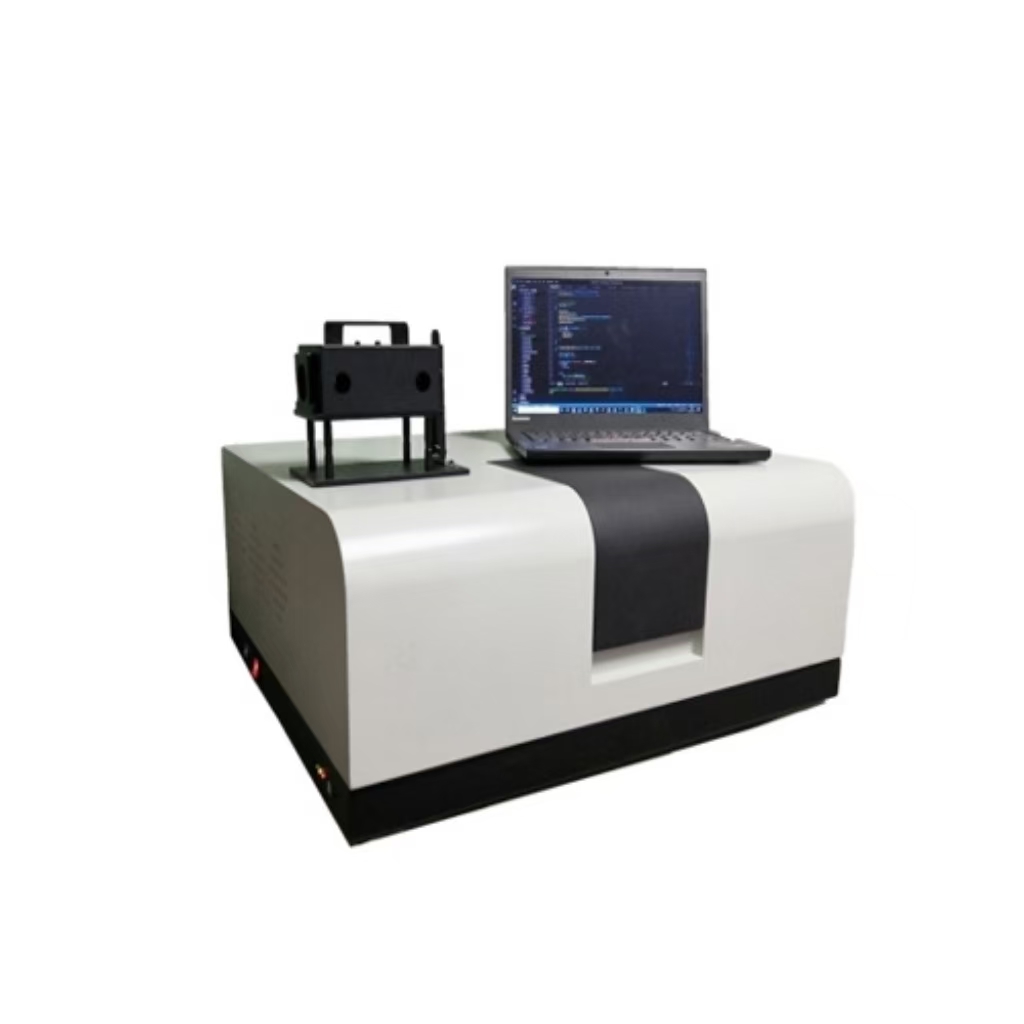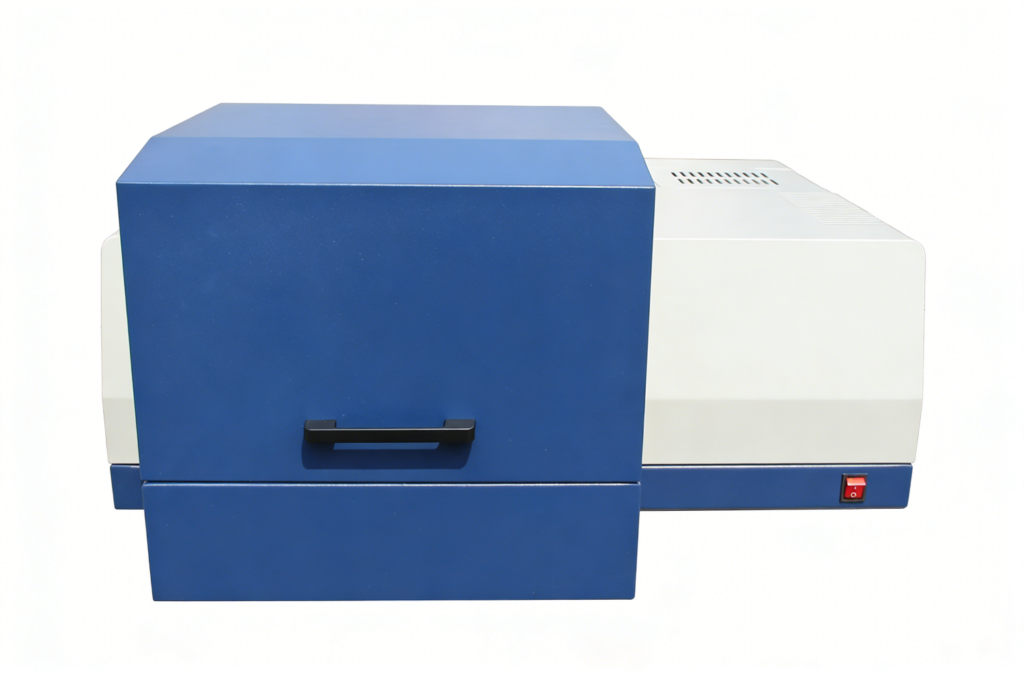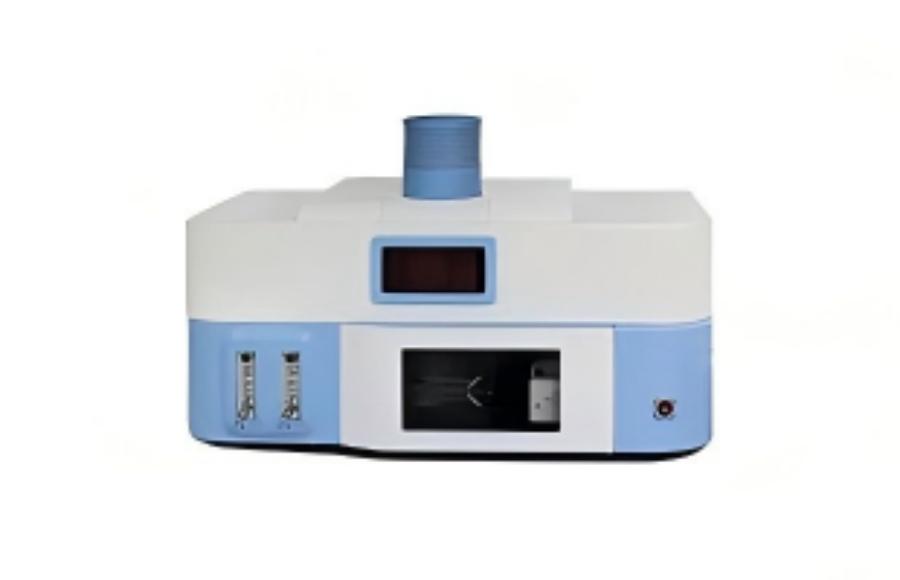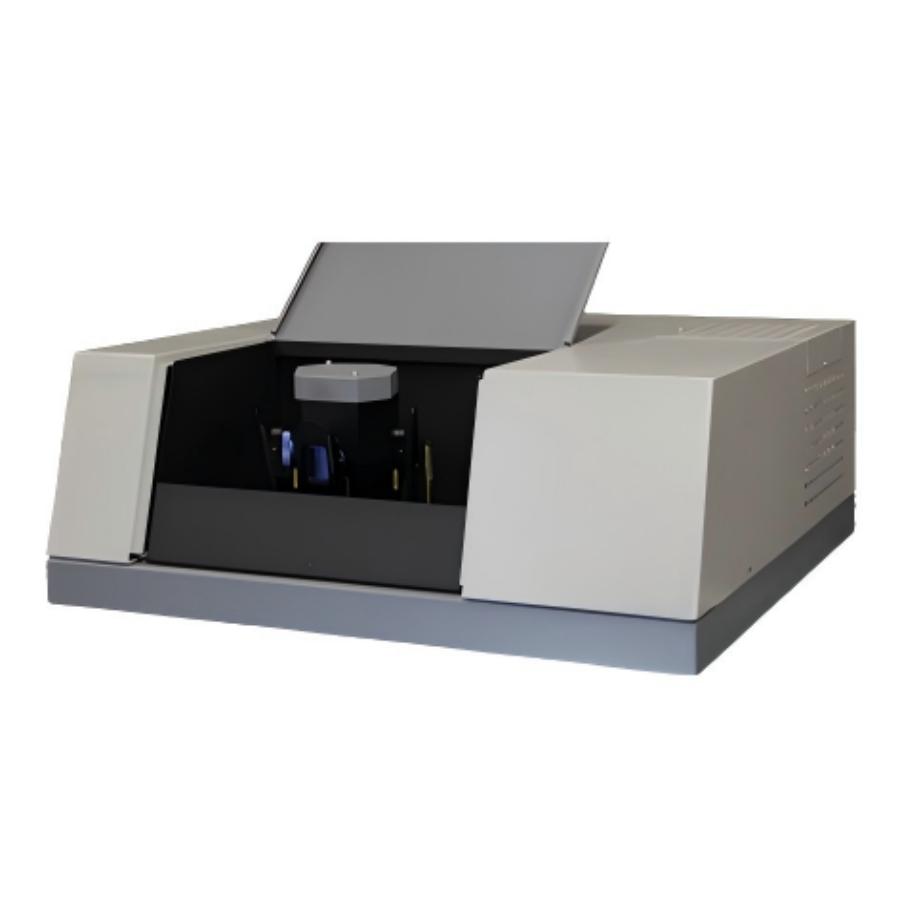
Atomfair UV-VIS-NIR 739 Integrating Sphere Spectrophotometer
Product Overview
Atomfair UV-VIS-NIR 739 Integrating Sphere Spectrophotometer is a dual-beam spectrophotometer, which can realize continuous scanning of ultraviolet, visible and near-infrared bands. It is widely used in semiconductor field, material science research, university scientific research and other scenarios, providing accurate testing support for relevant research and applications.
Core Parameters
Wavelength range: 250nm ˜ 2500nm
Grating configuration: Two sets of high-quality holographic gratings, fully covering the entire measurement band
Receiving system: Two sets of high-performance receiving systems to ensure the stability and accuracy of signal reception
Measurement mode: Support multiple measurement modes including reflection, transmission, absorbance and DRS reflection
Optional accessories: Transmission accessories, reflection accessories (optional angles of 5°, 15°, 25°), DRS accessories
Communication mode: USB interface for convenient and stable connection
Software function: With spectrum measurement and photometric measurement functions, support multi-language including Chinese, English, Russian etc.
Applicable Fields
Semiconductor field, material science research, university scientific research, etc.
If you’re interested, have any questions, or have specific customization requirements, please feel free to contact us at inquiry@atomfair.com.
How does the Atomfair UV-VIS-NIR 739 handle the transition between UV-VIS and NIR measurement ranges?
The 739 uses two dedicated holographic gratings and two separate receiving systems, each optimized for either the UV-VIS (250–1100 nm) or NIR (1100–2500 nm) region. This dual-beam design enables seamless continuous scanning across the full 250–2500 nm range without the need for manual grating changes or performance compromises at the transition zone.
Can the Atomfair 739 be configured for diffuse reflectance measurements at specific angles?
Yes, the integrating sphere supports DRS (diffuse reflectance) mode, and optional reflection accessories are available at fixed angles of 5°, 15°, and 25°. These allow precise specular or directional reflectance analysis, making the instrument suitable for thin-film and surface characterization in semiconductor and materials research.
What are the system requirements and infrastructure needed to operate the Atomfair 739 spectrophotometer?
The instrument connects via a standard USB interface and does not require compressed air, cooling water, or other specialized lab infrastructure. The included software supports Chinese, English, and Russian languages and runs on typical Windows PCs, making integration into existing laboratory setups straightforward.
The Atomfair UV-VIS-NIR 739 Integrating Sphere Spectrophotometer is a dual-beam instrument covering 250–2500 nm with dual holographic gratings and dual receiving systems, enabling continuous scanning across UV, visible, and near-infrared bands. Its multi-mode measurement capability (reflection, transmission, absorbance, DRS) and optional angle-specific reflection accessories make it suitable for semiconductor and materials research applications requiring spectral flexibility.
Positive
- Broad spectral coverage: The 250–2500 nm range with dual holographic gratings ensures continuous scanning across UV, visible, and near-infrared bands, eliminating the need for manual grating changes during measurements.
- Multi-mode measurement capability: Supports reflection, transmission, absorbance, and DRS modes, with optional reflection accessories at 5°, 15°, and 25° angles, enabling versatile sample characterization in semiconductor and materials research.
Trade-offs
- Requires optional accessories: Full functionality depends on purchasing separate transmission, reflection, or DRS accessories, which are not included as standard and may add to the total cost of ownership.
- USB-only connectivity: The instrument relies solely on USB for communication, which may limit integration with older laboratory systems or require additional adapters for legacy setups.
Every advanced material, component, equipment, and instrument in our catalog is backed by rigorous testing. We maintain strict internal quality management frameworks and align with CE conformity metrics to deliver transparent, reproducible performance data via our public open-science repository.
To request raw batch performance data, submit formal vendor registration paperwork, or execute a fast-turnaround R&D manufacturing loop, contact us at inquiry@atomfair.com.
Item is dispatched under the Atomfair Shipping & Delivery Framework (Free worldwide shipping on orders over $59 USD excl. heavy equipment). Return is governed by the Atomfair Return & Refund Policy (7-day technical return window).