Atomfair UG 723 Ultrasonic Grating Instrument
Product Overview
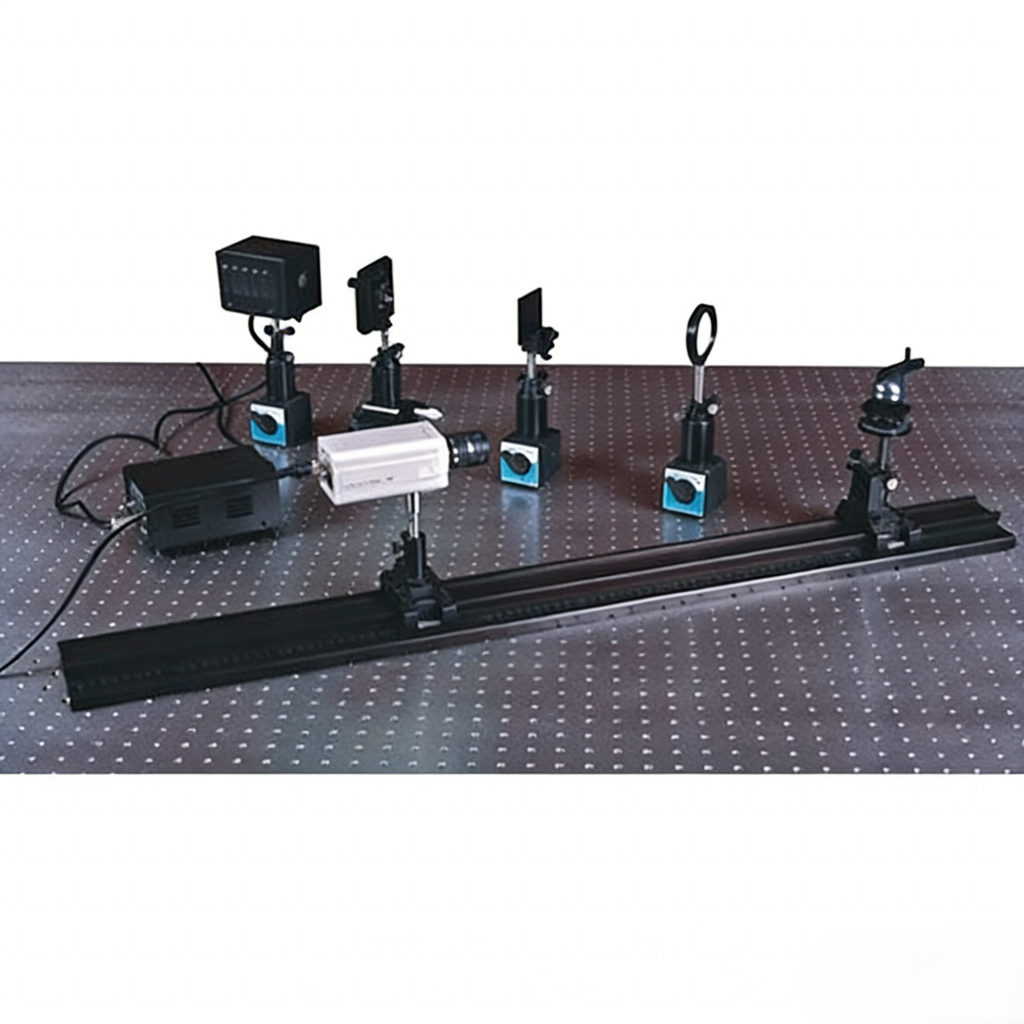
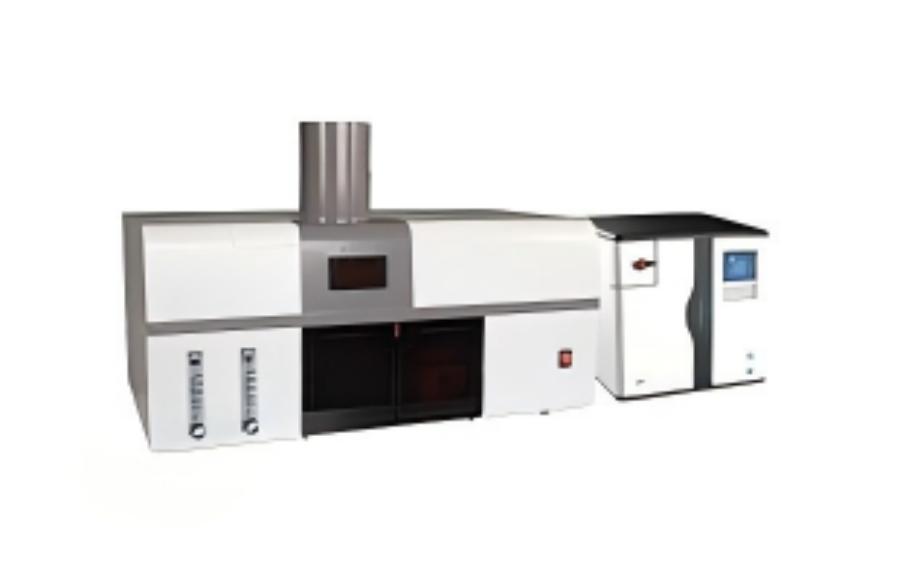
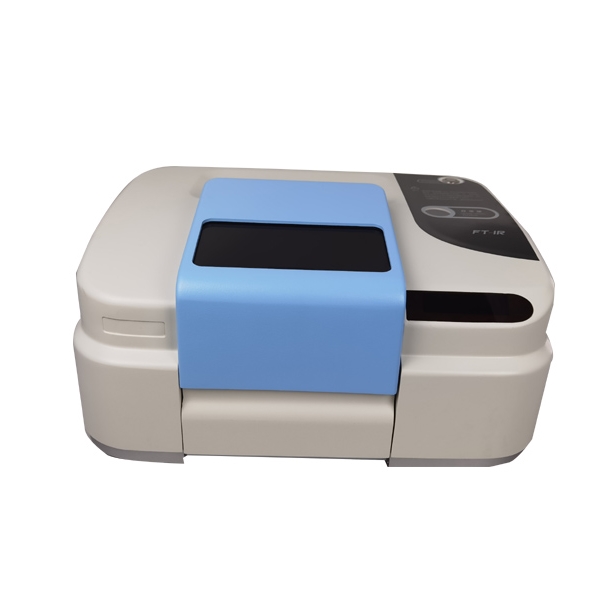
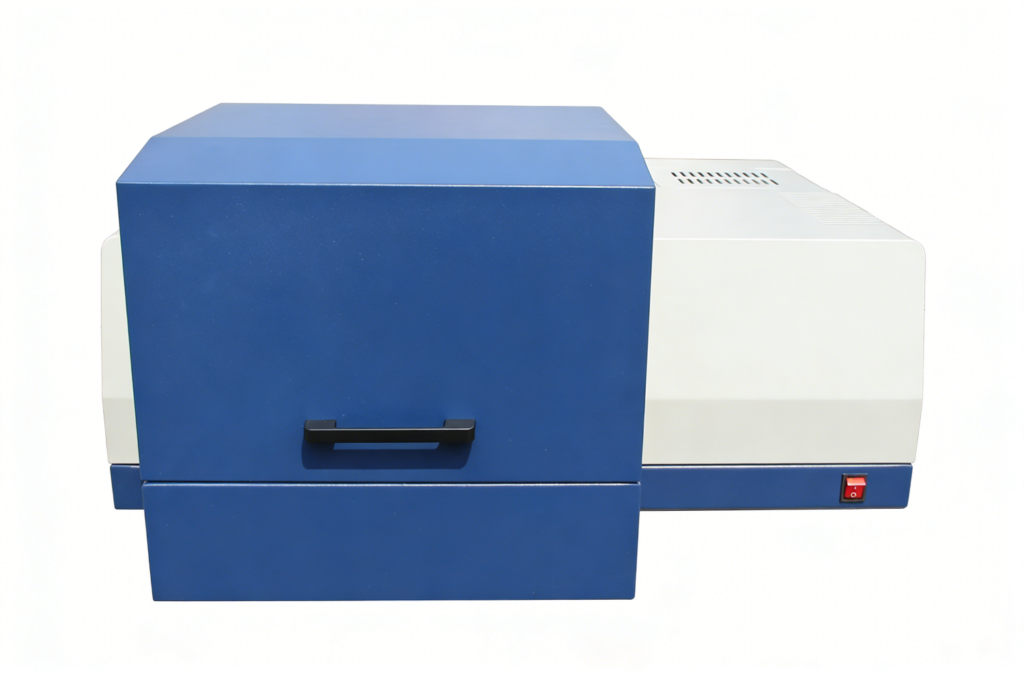
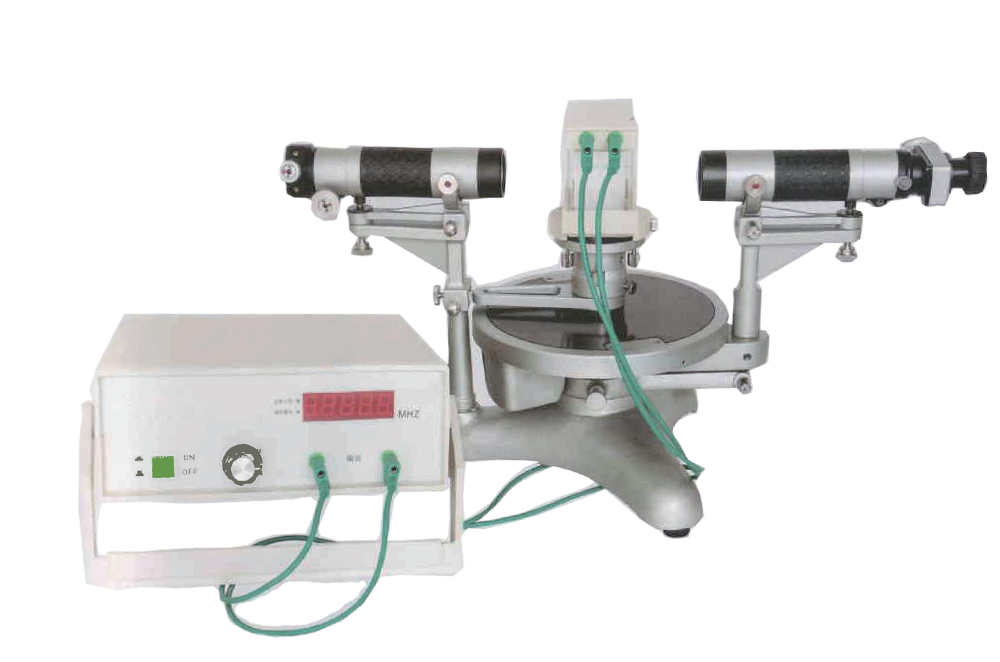
Atomfair UG 723 Ultrasonic Grating Instrument is designed based on a spectrometer platform, specially built for physics teaching and engineering optics experiment scenarios. Through this instrument, students can intuitively understand the phenomenon of ultrasonic grating formed by ultrasonic waves in liquid media, and accurately measure the speed of sound in liquids. The product has stable performance and precise measurement, which is an essential tool for optical experiments in colleges and universities.
Instrument Features
- Based on spectrometer platform, it can accurately calculate and measure the speed of sound in liquid media.
- Help users deeply understand the physical phenomenon of ultrasonic grating formed by ultrasonic waves in liquid media.
Main Experimental Contents
Measure the speed of sound in liquid media (standard configuration with low-pressure mercury lamp light source)
Specifications & Parameters
- Input Voltage: AC 220V, 50Hz
- Output Signal Frequency: 8-12MHz
- Operating Frequency: 9.5-11.5MHz
- Measuring Range of Micrometer Eyepiece: 8mm
- Measurement Precision: 0.01mm
Main Configurations
Ultrasonic signal source, ultrasonic generator, liquid cell, micrometer eyepiece
Optional Accessories: Spectrometer, light source, etc.
Customization Service
Exclusive configuration parameters can be customized according to different experimental teaching or scientific research needs of customers.
If you’re interested, have any questions, or have specific customization requirements, please feel free to contact us at inquiry@atomfair.com.
Store the instrument in a clean, dry environment with stable ambient temperature. Ensure proper electrical grounding and avoid operating with damaged power cords or exposed connectors.
- Electrical Supply Constraint: Operate the instrument only with AC 220V 50Hz supply to avoid damage or electrical hazard.
- Liquid Cell Requirement: Ensure the liquid cell is filled with the test liquid before activating ultrasonic output to prevent transducer damage.
- Operating Frequency Constraint: Do not operate the instrument outside the 9.5-11.5 MHz frequency range to maintain measurement accuracy and prevent overheating.
Set up the ultrasonic grating instrument on a stable optical bench. Fill the liquid cell with the test liquid and follow the step-by-step procedure to determine the speed of sound.
Required Equipment: Ultrasonic signal source, Ultrasonic generator, Liquid cell, Micrometer eyepiece
- Connect Power
Connect the instrument to a grounded AC 220V 50Hz power outlet using the provided cable. - Fill Liquid Cell
Fill the liquid cell with the test liquid up to the indicated level to ensure proper ultrasonic coupling. - Activate Ultrasonic Source
Turn on the ultrasonic signal source and adjust the operating frequency to within the 9.5-11.5 MHz range. - Align Optics
Align the spectrometer and micrometer eyepiece to observe the diffraction pattern generated by the ultrasonic grating. - Record and Calculate
Record the positions of diffraction orders and calculate the speed of sound using the grating equation.
What is the significance of the 9.5-11.5 MHz operating frequency range for measuring the speed of sound in liquids with the UG 723?
The operating frequency of 9.5-11.5 MHz determines the wavelength of the ultrasonic wave in the liquid, which directly affects the spacing of the ultrasonic grating and thus the diffraction pattern observed. The instrument's output signal frequency range of 8-12 MHz allows fine-tuning to achieve a clear and measurable grating. The speed of sound in the liquid is calculated from the known frequency and the measured wavelength via the diffraction pattern, so the frequency selection is critical for accurate measurement.
Can the UG 723 ultrasonic grating instrument be used with light sources other than the standard low-pressure mercury lamp?
Yes, the UG 723 is built on a spectrometer platform and supports optional light sources. The standard configuration includes a low-pressure mercury lamp, but the instrument can accommodate other monochromatic or nearly monochromatic light sources available as optional accessories. This flexibility allows adaptation to different experimental requirements, as long as the source provides sufficient intensity for observing the diffraction pattern through the micrometer eyepiece.
What electrical and handling requirements are necessary for accurate operation of the UG 723?
The instrument requires an input voltage of AC 220V at 50Hz. For reliable measurements, the liquid cell must be free of bubbles and temperature gradients to maintain a stable ultrasonic grating. The micrometer eyepiece has a measuring range of 8 mm with 0.01 mm precision, so careful focusing and gentle adjustment are needed to avoid mechanical damage. The device should be placed on a stable optical bench or spectrometer base to minimize vibrations.
The Atomfair UG 723 Ultrasonic Grating Instrument leverages a spectrometer platform to measure sound velocity in liquids via ultrasonic grating, with a 0.01 mm micrometer eyepiece precision and 8–12 MHz output signal frequency, making it suitable for academic optics and physics laboratories.
Positive
- High measurement precision: The micrometer eyepiece offers 0.01 mm measurement precision, enabling accurate determination of sound velocity in liquid media for educational and research applications.
- Spectrometer-based design: Built on a spectrometer platform, the instrument integrates with standard optical setups, facilitating intuitive demonstration of ultrasonic grating phenomena in liquid media.
Trade-offs
- Requires external components: The standard configuration includes the ultrasonic signal source, generator, liquid cell, and micrometer eyepiece, but a spectrometer and light source are optional accessories, requiring additional procurement for full operation.
- Specific power and frequency constraints: The instrument operates on AC 220V, 50Hz and requires a signal frequency of 8–12 MHz, limiting use to facilities with compatible power supply and frequency control capabilities.
Every advanced material, component, equipment, and instrument in our catalog is backed by rigorous testing. We maintain strict internal quality management frameworks and align with CE conformity metrics to deliver transparent, reproducible performance data via our public open-science repository.
To request raw batch performance data, submit formal vendor registration paperwork, or execute a fast-turnaround R&D manufacturing loop, contact us at inquiry@atomfair.com.
Item is dispatched under the Atomfair Shipping & Delivery Framework (Free worldwide shipping on orders over $59 USD excl. heavy equipment). Return is governed by the Atomfair Return & Refund Policy (7-day technical return window).