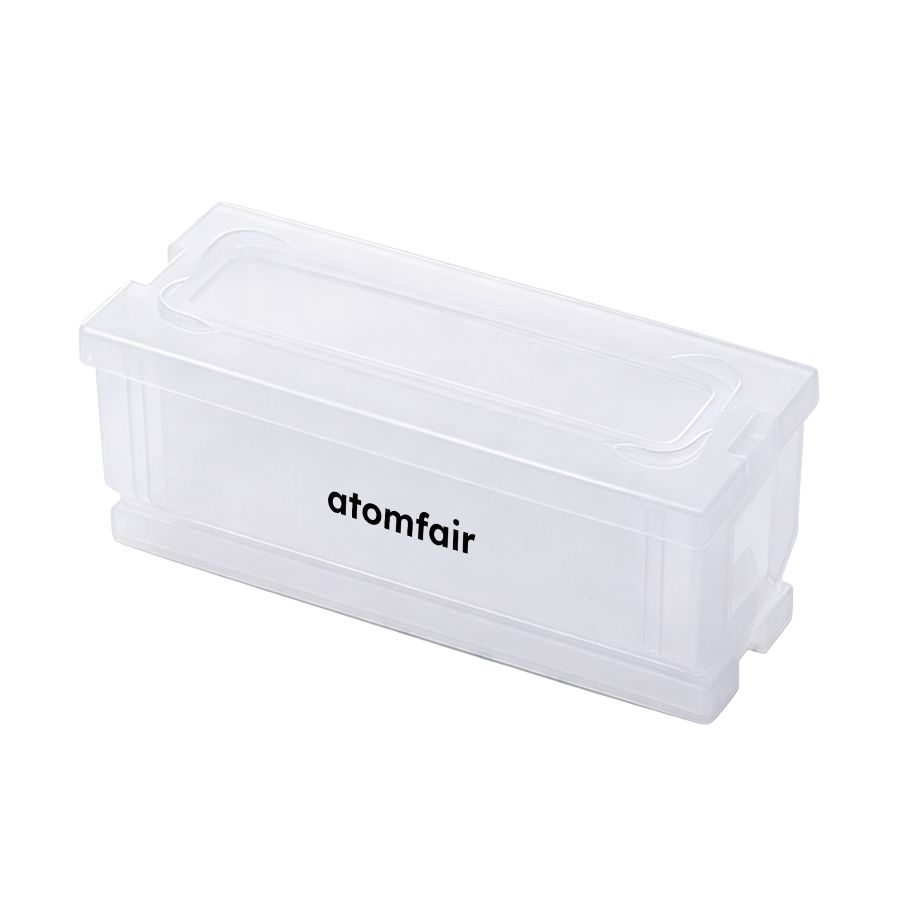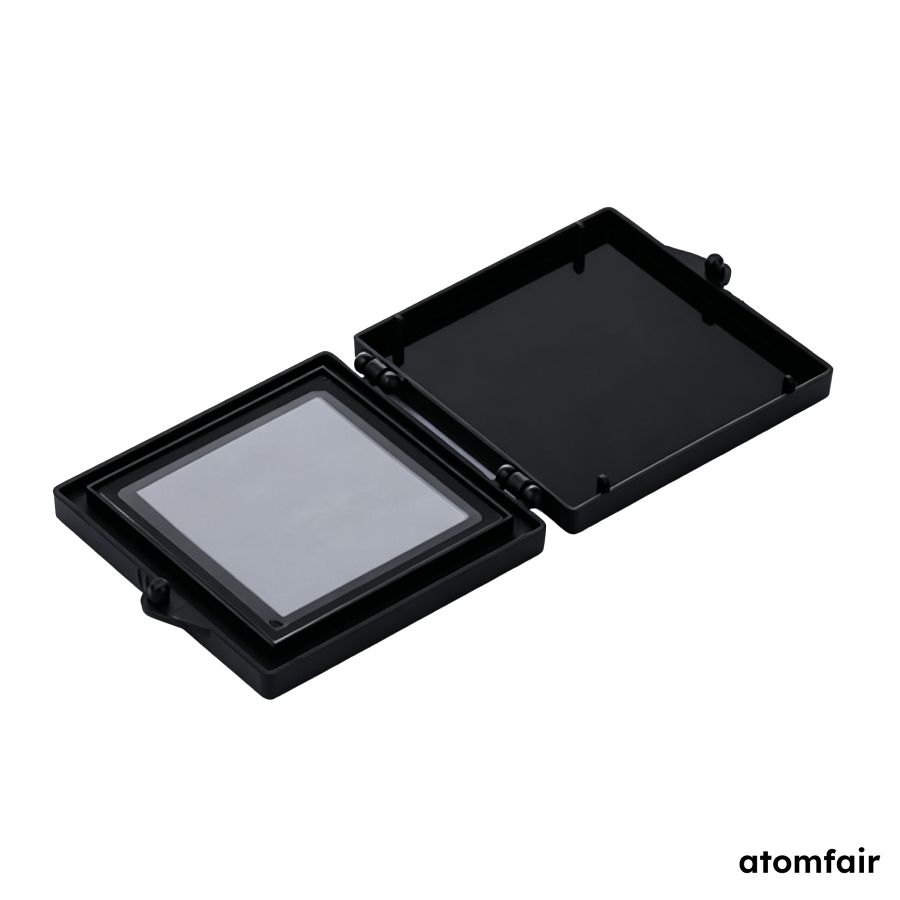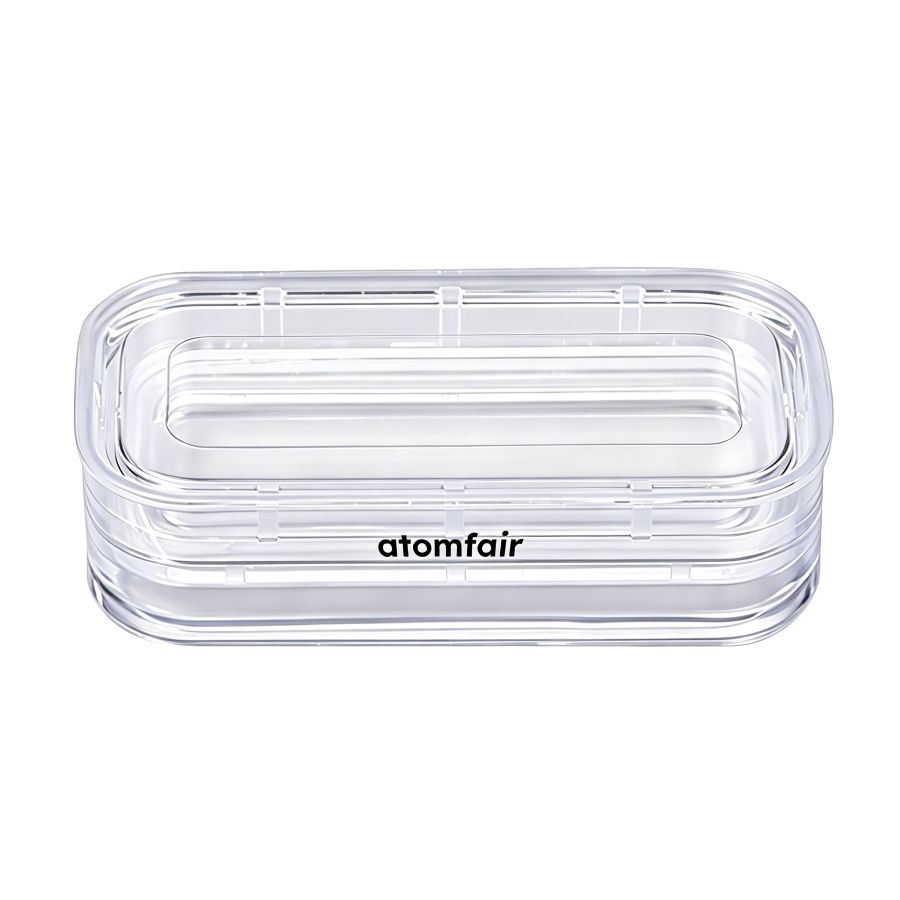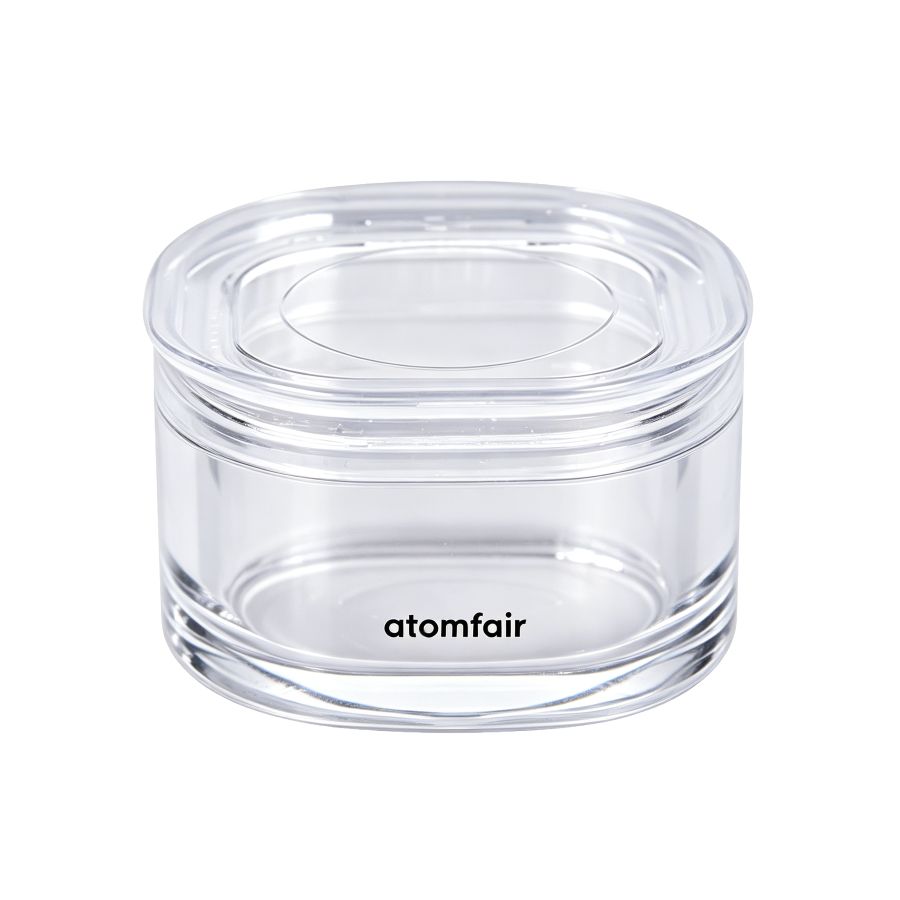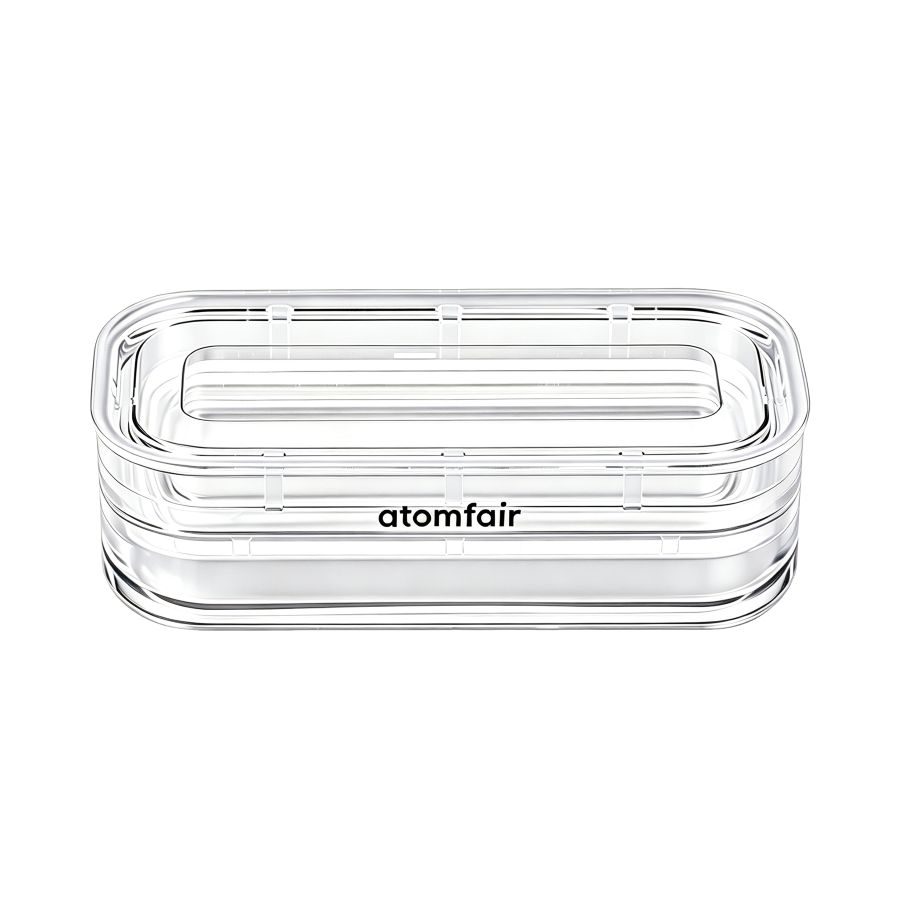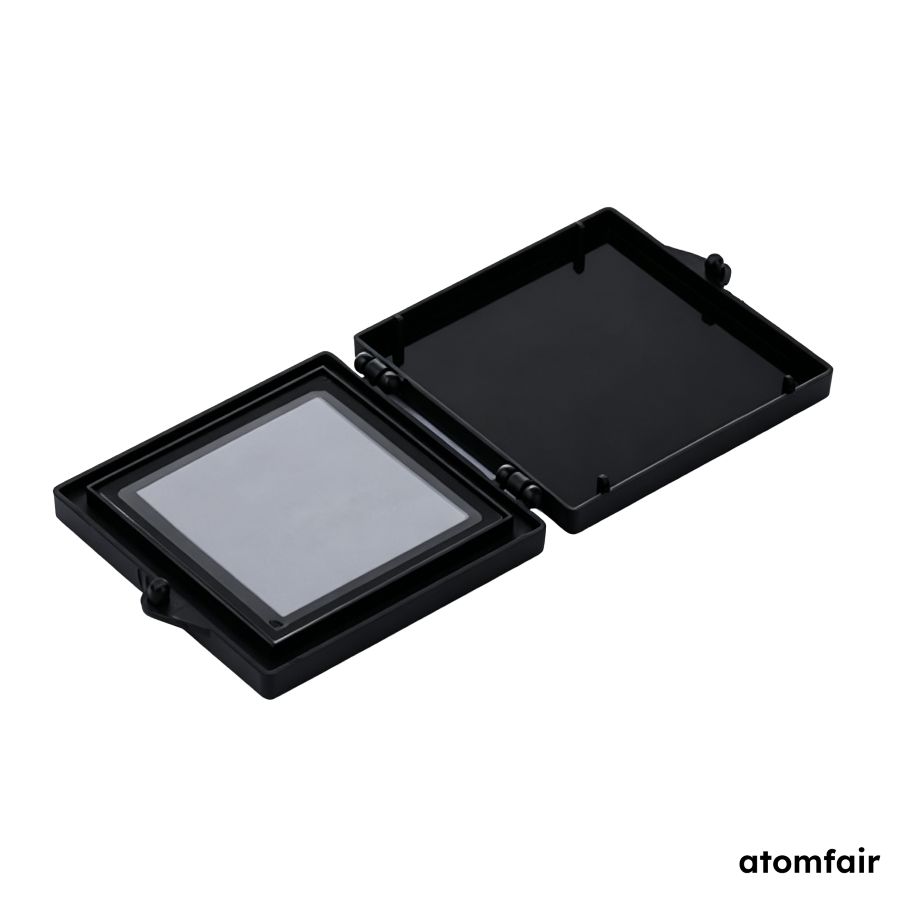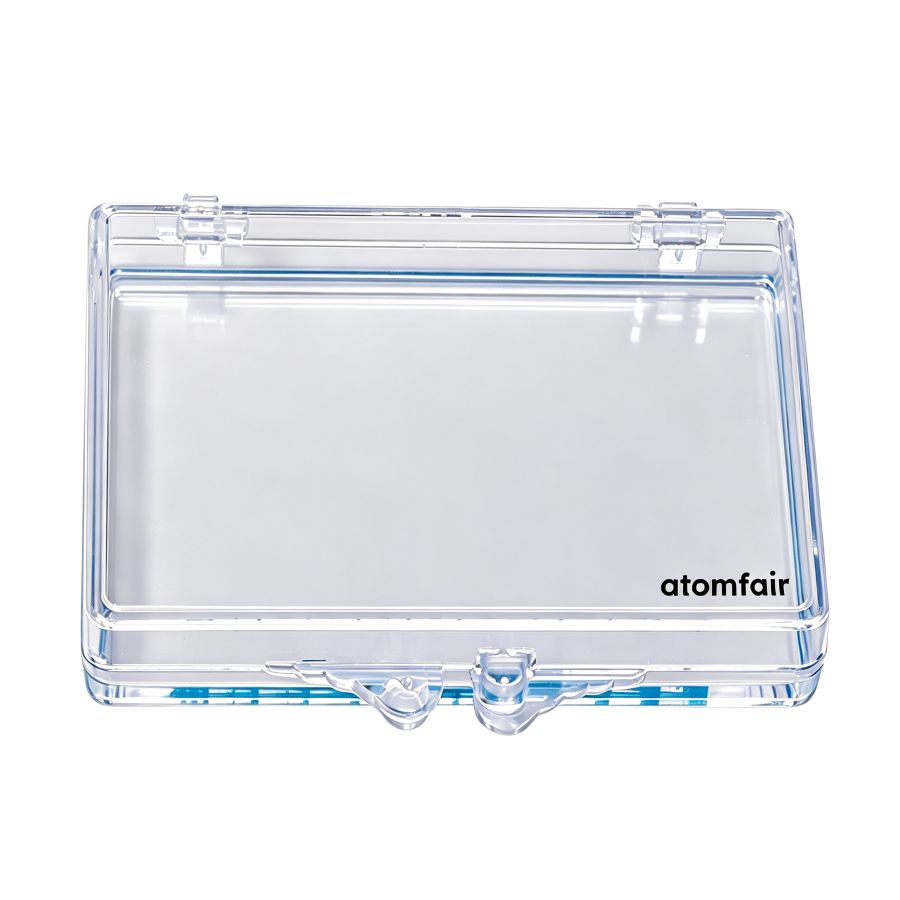
Sticky Box 68 x 68 x 16.3 mm,10pcsPrecision component storage and transfer
|
||||||||||||||||||||||||||||||||||||||||||||||||||||||||||||||||
|
||||||||||||||||||||||||||||||||||||||||||||||||||||||||||||||||
|
TAILORED SOLUTIONS FOR RESEARCH
For custom colors, tray layout, quantity planning or shipment support, contact our engineering sales team.
EMAIL: inquiry@atomfair.com
|
||||||||||||||||||||||||||||||||||||||||||||||||||||||||||||||||
|
Manufacturer: Atomfair LLC
Brand: ATOMFAIR®
|
||||||||||||||||||||||||||||||||||||||||||||||||||||||||||||||||
The adhesive positioning surface must be kept free of dust and contamination prior to component loading. Component size, surface finish, and visible finish must be confirmed against the handling task, and retention force should be verified with actual samples before batch selection.
- Cleanliness Requirement: Keep the adhesive surface clean before loading parts to ensure reliable retention and avoid contamination of components.
- Finish and Cavity Confirmation: Confirm the selected visible finish and cavity format match the specific handling task to ensure compatibility with inspection and component size.
- Retention Force Verification: For sensitive parts, verify retention and release force with actual samples before final batch selection to avoid damage or insufficient hold.
Inspect the adhesive surface for cleanliness and confirm the cavity format matches the task. Place components onto the adhesive surface, close the box, and retrieve components using tweezers for damage-free handling.
Required Equipment: Tweezers or vacuum pickup tool, Cleanroom wipes (optional)
- Inspect Adhesive Surface
Inspect the self-adhesive positioning surface for any dust, debris, or contamination before loading components. - Confirm Box Configuration
Confirm the visible finish and cavity format of the sticky box are appropriate for the component size, surface finish, and handling task. - Place Components
Place components directly onto the open adhesive cavity using tweezers or a vacuum pickup tool, without applying pressure. - Close and Secure Box
Close the box lid to protect the components during transfer and short-term storage. - Retrieve Components
Retrieve components by lifting them from the adhesive surface with tweezers, minimizing force to avoid damage.
How does the open adhesive cavity design affect retention force compared to indexed compartment boxes for non-standard part geometries?
The open adhesive cavity provides direct surface retention without indexed separation, which allows placement of deeper or non-indexed parts that would not fit in compartmentalized boxes. However, it may offer less organized separation for multiple components. The product description states it is an 'open cavity format for components that require direct surface retention without compartment indexing' and is 'useful for deeper or non-indexed parts that still require adhesive positioning inside a closed box.'
What types of components are incompatible with the self-adhesive positioning surface in this sticky box?
Components with delicate surface coatings that may be damaged by adhesive residue or those requiring indexed separation are not suitable. The description specifies it is designed for 'optical parts, chips, ceramic parts, miniature assemblies' and warns: 'For sensitive parts, verify retention and release force with actual samples before final batch selection.' The adhesive surface must be kept clean before loading to avoid contamination.
What handling precautions are necessary to maintain the adhesive performance of this sticky box during repeated use?
The adhesive surface must be kept clean before loading parts to maintain retention. Use tweezers or vacuum tools for retrieval and repositioning, as stated: 'The self-adhesive positioning surface supports convenient retrieval and repositioning with tweezers or vacuum tools.' For sensitive parts, verify retention and release force with actual samples to avoid damage.
This sticky box provides a protective shell with self-adhesive positioning for non-clamping retention of small precision parts during inspection and transfer. Its open cavity design supports direct placement without indexing, but requires careful adhesive maintenance and validation for sensitive components.
Positive
- Pressure-free adhesive positioning: Reduces slip and hard-contact damage during short-distance transfer and bench handling, compared to mechanical clamping.
- Open cavity for non-indexed parts: Useful for deeper or irregularly shaped components that require adhesive retention inside a closed box without compartment indexing.
Trade-offs
- Adhesive surface cleanliness requirement: The adhesive surface must be kept clean before loading components to avoid contamination, which adds handling precautions during lab use.
- Retention force validation needed: For sensitive parts, retention and release force must be verified with actual samples before final batch selection, introducing an upfront testing step.
Every advanced material, component, equipment, and instrument in our catalog is backed by rigorous testing. We maintain strict internal quality management frameworks and align with CE conformity metrics to deliver transparent, reproducible performance data via our public open-science repository.
To request raw batch performance data, submit formal vendor registration paperwork, or execute a fast-turnaround R&D manufacturing loop, contact us at inquiry@atomfair.com.
Item is dispatched under the Atomfair Shipping & Delivery Framework (Free worldwide shipping on orders over $59 USD excl. heavy equipment). Return is governed by the Atomfair Return & Refund Policy (7-day technical return window).