ATOMFAIR® TI65 TITANIUM ALLOY POWDERADDITIVE MANUFACTURING GRADE MATERIAL
|
|||||||||||||||||||||||||||||||||||||
|
|||||||||||||||||||||||||||||||||||||
|
TAILORED SOLUTIONS FOR RESEARCH
Contact our engineering team for technical support or official institutional quotations.
EMAIL: inquiry@atomfair.com
|
|||||||||||||||||||||||||||||||||||||
|
Manufacturer: Atomfair LLC
Brand: ATOMFAIR®
|
|||||||||||||||||||||||||||||||||||||
This titanium alloy powder requires strict control of atmospheric exposure to prevent oxidation and contamination. Processing must be conducted under anhydrous, inert gas conditions to maintain material integrity.
- Environmental Sensitivity: The powder must be stored in a tightly sealed container within a dry, oxygen-free environment to avoid oxidation.
- Processing Requirement: Selective laser melting of this powder must be performed under a continuously purged inert gas atmosphere.
- Failure Mode: Oxidation: Exposure to ambient oxygen can cause surface oxidation, compromising powder flowability and final part properties.
- Infrastructure Requirement: Handling and transfer of the powder require access to a glovebox or gas-tight system with controlled humidity and oxygen levels.
- Contamination Risk: Moisture absorption can introduce hydrogen and degrade the powder's performance in additive manufacturing.
This procedure outlines the essential steps for handling and storing the powder to prevent oxidation and contamination. Always work under inert gas conditions and ensure containers are sealed when not in use.
Required Equipment: Inert gas glovebox, Gas-tight storage container
- Store in inert gas environment
Store the powder container in a maintained dry, inert gas environment at all times. - Inspect container seal
Inspect the container seal for damage or leakage before introducing the powder to the processing equipment. - Transfer under inert gas
Transfer the powder into the SLM machine hopper under a continuous purge of inert gas to prevent oxygen ingress. - Reseal after use
Reseal the powder container immediately after use and return it to the inert gas storage environment.
What is the maximum operating temperature for Ti65 titanium alloy powder in SLM-printed components?
Ti65 titanium alloy powder is engineered for high-temperature structural applications, with post-heat-treatment mechanical properties validated at 650°C. At this elevated temperature, the material retains a tensile strength ≥620 MPa, yield strength ≥520 MPa, and elongation ≥20.0%, as specified in the technical data. This performance is enabled by complex multicomponent alloying with silicon and tantalum additions that promote creep resistance.
What are the critical powder handling and storage requirements to prevent oxidation of Ti65 powder?
Ti65 titanium alloy powder must be processed and stored under anhydrous, gas-regulated laboratory protocols to prevent contamination or early oxidation. The packaging is a climate-isolated container structure that protects the powder from ambient oxygen interaction. Users must keep containers tightly sealed or handle the powder exclusively within dry, inert gas environments until melt validation.
What particle size distribution and flowability specifications are required for consistent SLM processing of Ti65 powder?
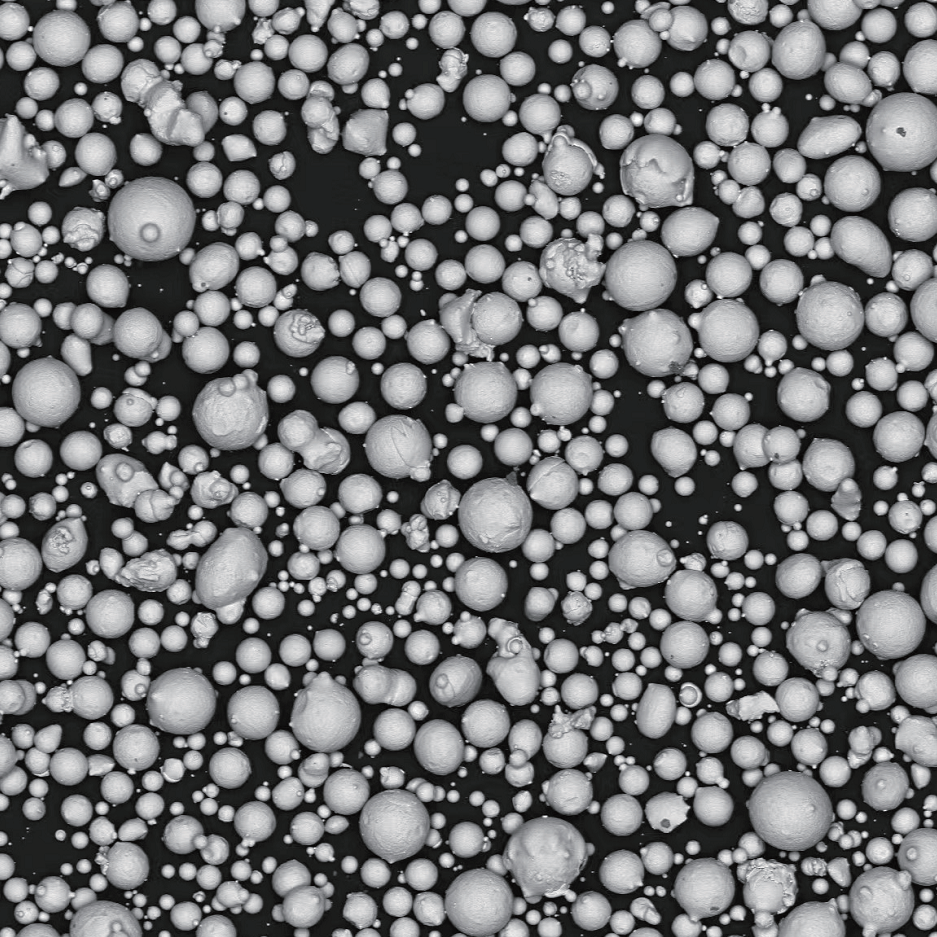
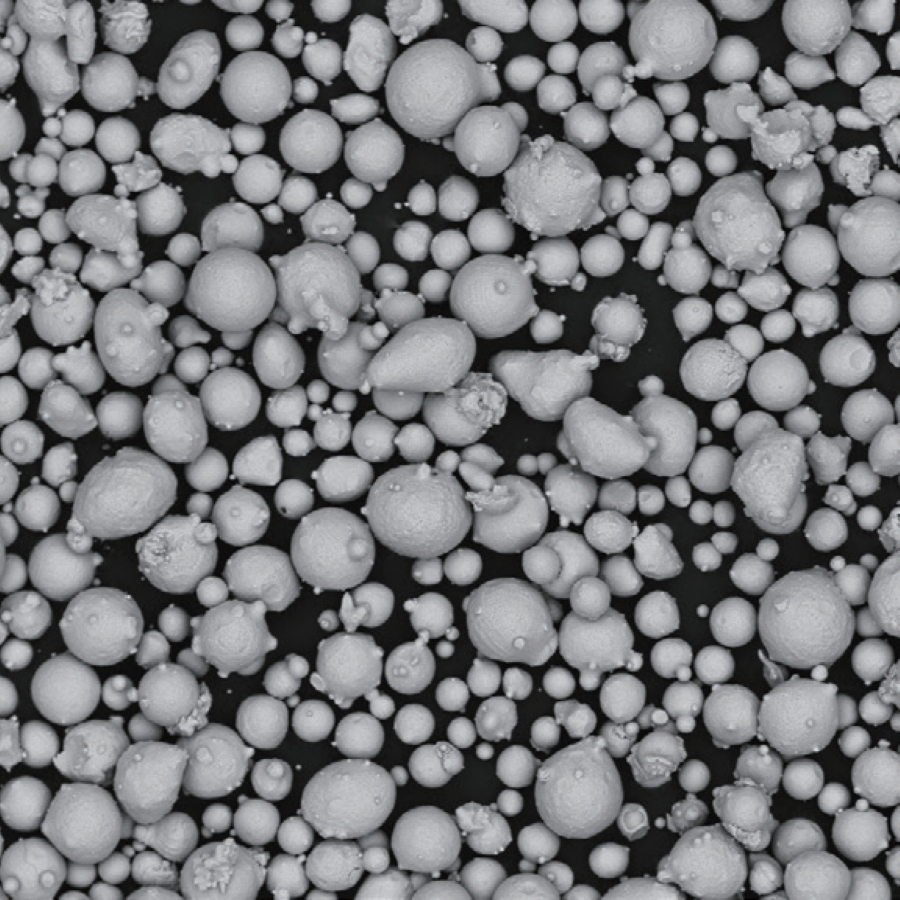
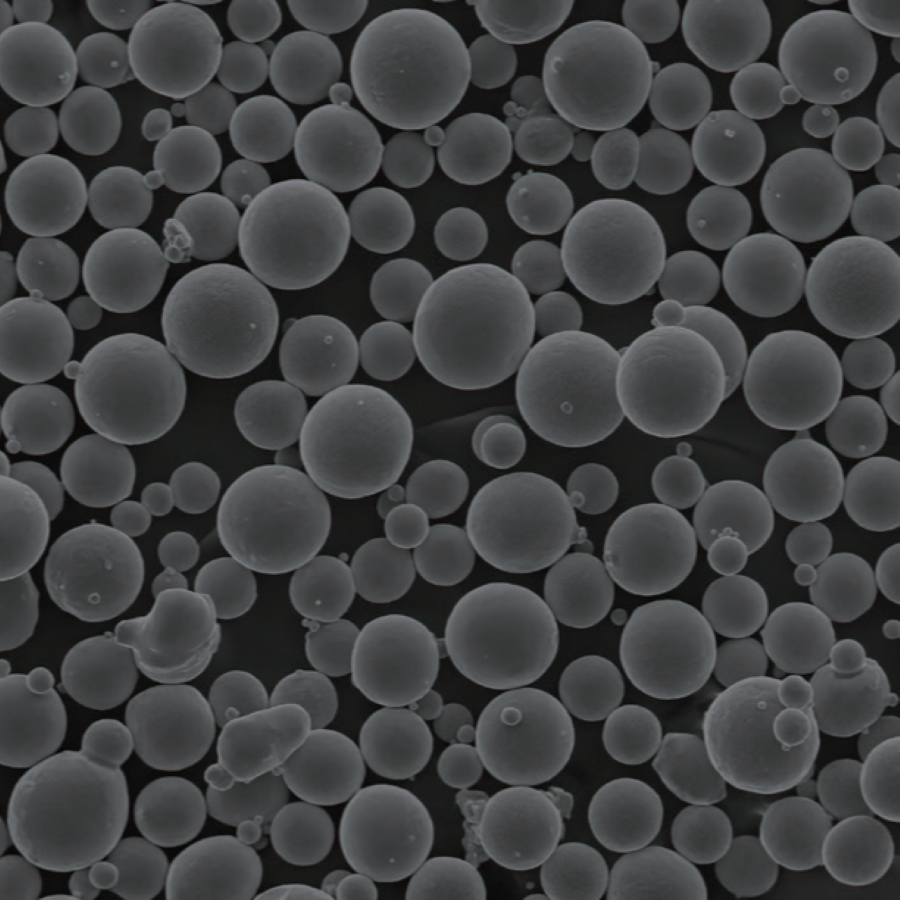
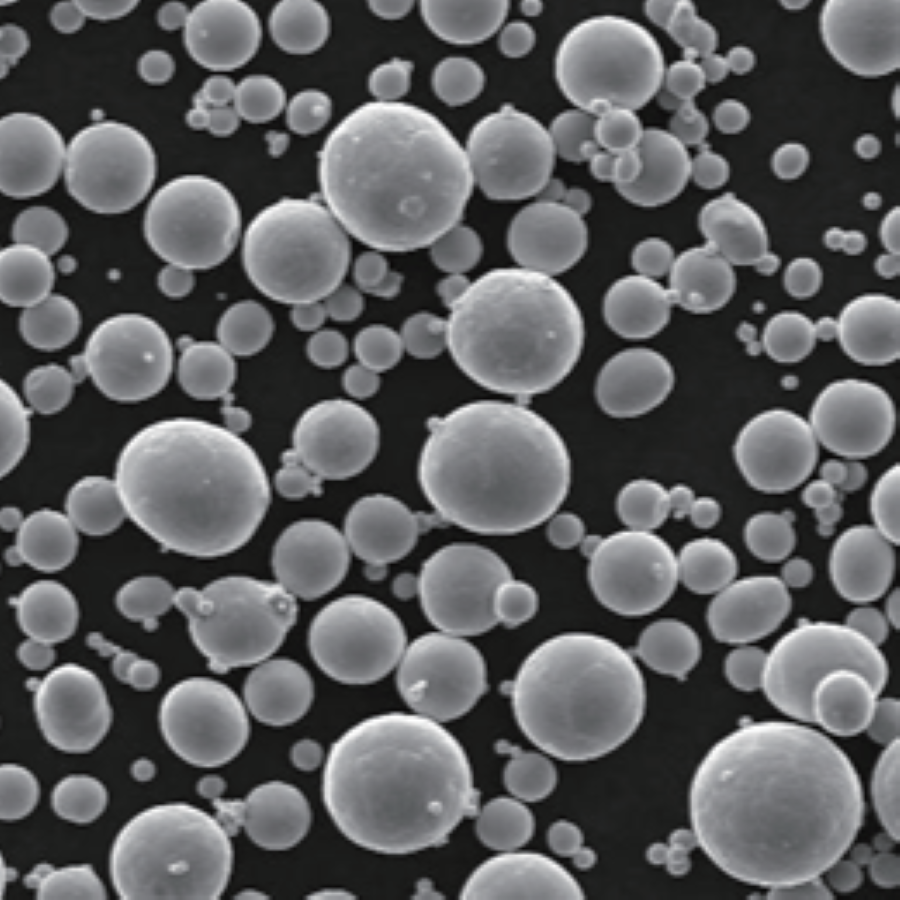
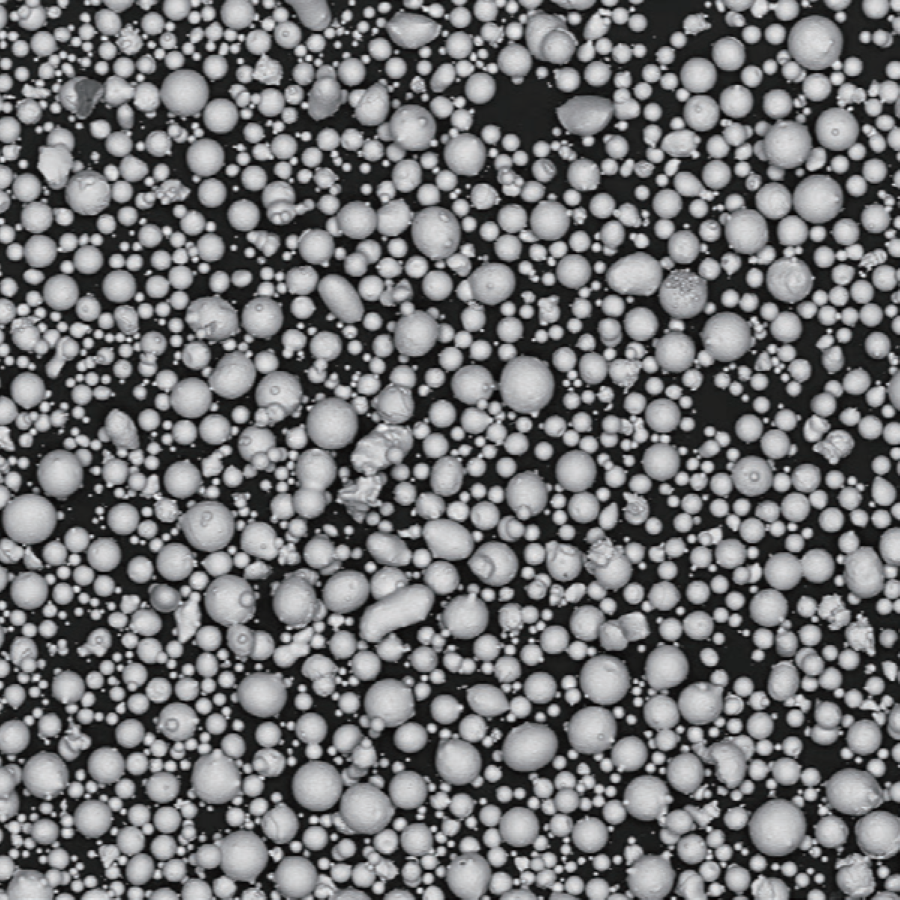
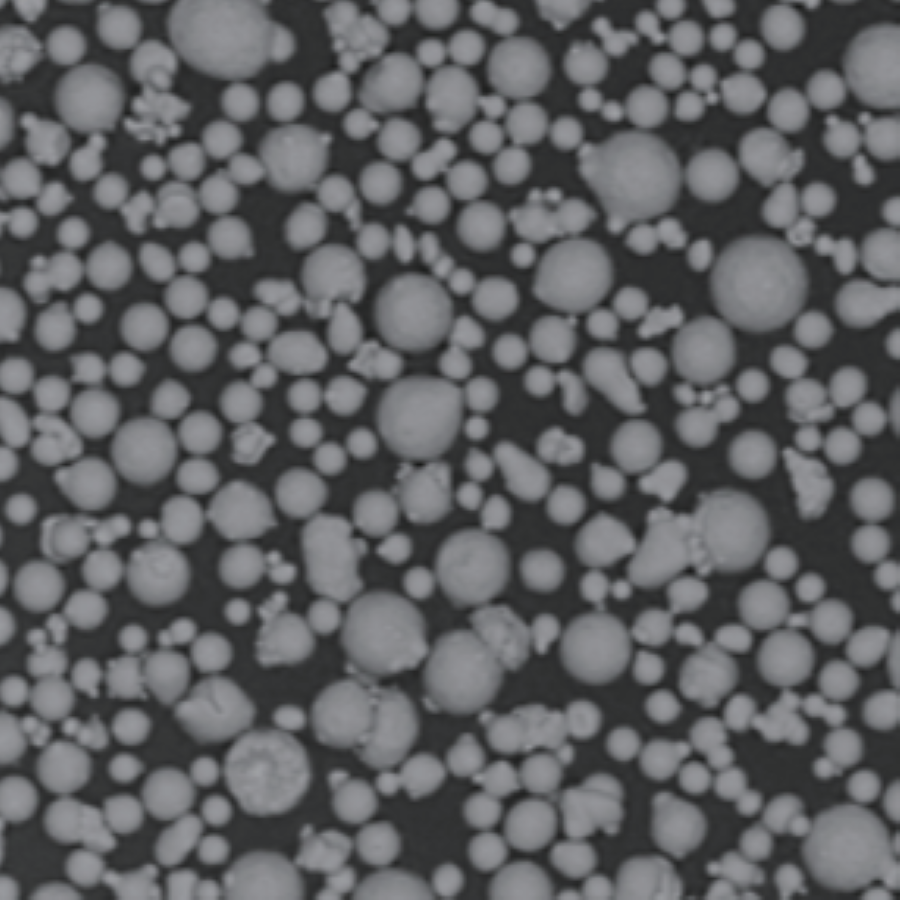
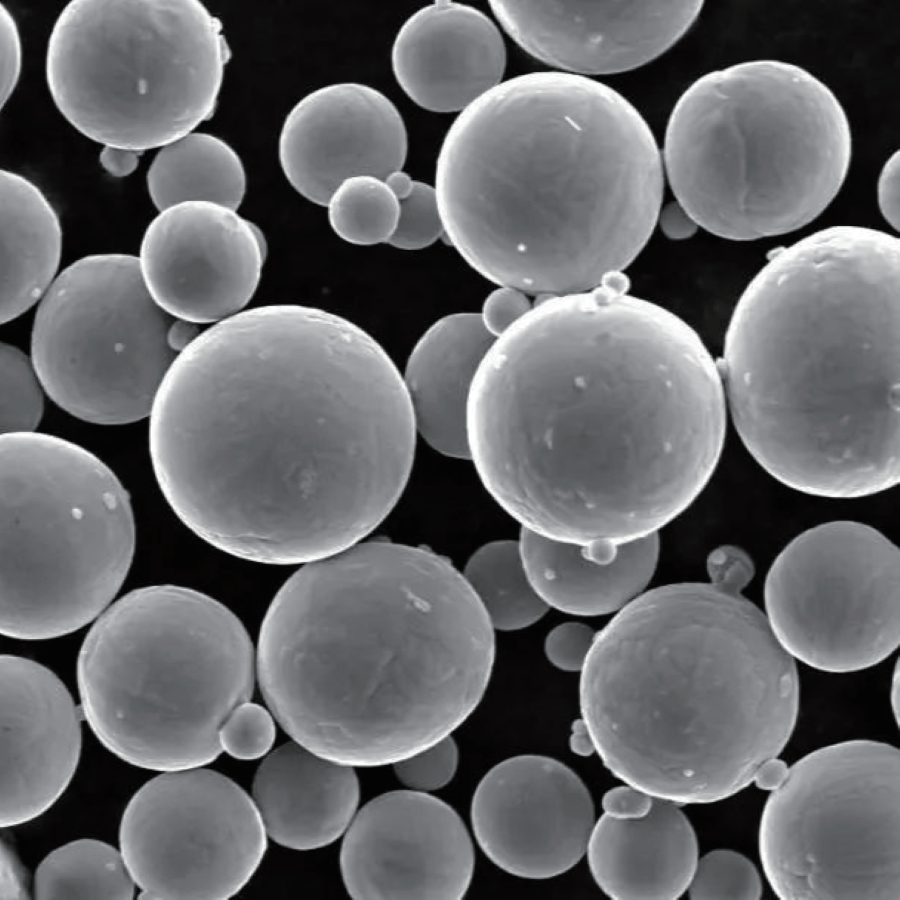
The Ti65 powder has a particle size range of D10 ≥15 μm, D50 between 30-40 μm, and D90 ≤63 μm, with a sphericity threshold ≥0.9 to ensure smooth bed delivery. Flowability is ≤35 seconds per standard measurement volume, and apparent density is ≥2.4 g/cm³ with tap density ≥2.6 g/cm³. These parameters are meticulously optimized for selective laser melting (SLM) environments to avoid deposition variances.
Ti65 titanium alloy powder is a high-performance additive manufacturing material engineered for selective laser melting, offering superior high-temperature strength and creep resistance with precisely controlled powder characteristics for reliable SLM processing.
Positive
- High-temp mechanical retention: Retains ≥620 MPa tensile strength at 650°C with ≥20% elongation, enabling use in high-temperature structural components.
- Optimized SLM powder flow: Sphericity ≥0.9, flowability ≤35 s, and D50 of 30-40 μm ensure smooth bed delivery and consistent layer deposition in automated SLM tracks.
Trade-offs
- Inert atmosphere required: Processing and storage must be under anhydrous, gas-regulated inert environments to prevent oxidation and contamination before melt validation.
- Application-specific design: Intended for aerospace additive manufacturing and high-temperature research; not specified for general-purpose or low-temperature applications.
Every advanced material, component, equipment, and instrument in our catalog is backed by rigorous testing. We maintain strict internal quality management frameworks and align with CE conformity metrics to deliver transparent, reproducible performance data via our public open-science repository.
To request raw batch performance data, submit formal vendor registration paperwork, or execute a fast-turnaround R&D manufacturing loop, contact us at inquiry@atomfair.com.
Item is dispatched under the Atomfair Shipping & Delivery Framework (Free worldwide shipping on orders over $59 USD excl. heavy equipment). Return is governed by the Atomfair Return & Refund Policy (7-day technical return window).