ATOMFAIR® TI2ALNB TITANIUM ALLOY POWDERADDITIVE MANUFACTURING GRADE MATERIAL
|
|||||||||||||||||||||||||||||||||||||||
|
|||||||||||||||||||||||||||||||||||||||
|
TAILORED SOLUTIONS FOR RESEARCH
Contact our engineering team for technical support or official institutional quotations.
EMAIL: inquiry@atomfair.com
|
|||||||||||||||||||||||||||||||||||||||
|
Manufacturer: Atomfair LLC
Brand: ATOMFAIR®
|
|||||||||||||||||||||||||||||||||||||||
This powder requires strict anhydrous and inert gas handling to prevent oxidation and contamination. Storage must be sealed and isolated from ambient atmospheric exposure.
- Moisture Sensitivity: Exposure to moisture can degrade powder flowability and lead to oxidation of the reactive titanium matrix.
- Oxidation Risk: Early oxidation before melt validation can compromise the intermetallic phase structure and mechanical properties.
- Inert Atmosphere Requirement: All handling must be performed under dry, inert gas to maintain the powder's chemical purity and sphericity.
This procedure ensures that the powder is handled under inert gas to prevent oxidation and contamination. Proper sealing and transfer are critical for maintaining material integrity.
- Prepare Inert Environment
Verify that the handling environment is dry and inert gas-purged before opening the powder container. - Transfer Powder
Transfer the powder into the SLM system under inert gas to prevent oxidation and contamination. - Seal Container
Seal the container immediately after each use to maintain anhydrous conditions and prevent moisture ingress.
What is the typical particle size distribution and flowability of Atomfair Ti2AlNb powder for SLM processing?
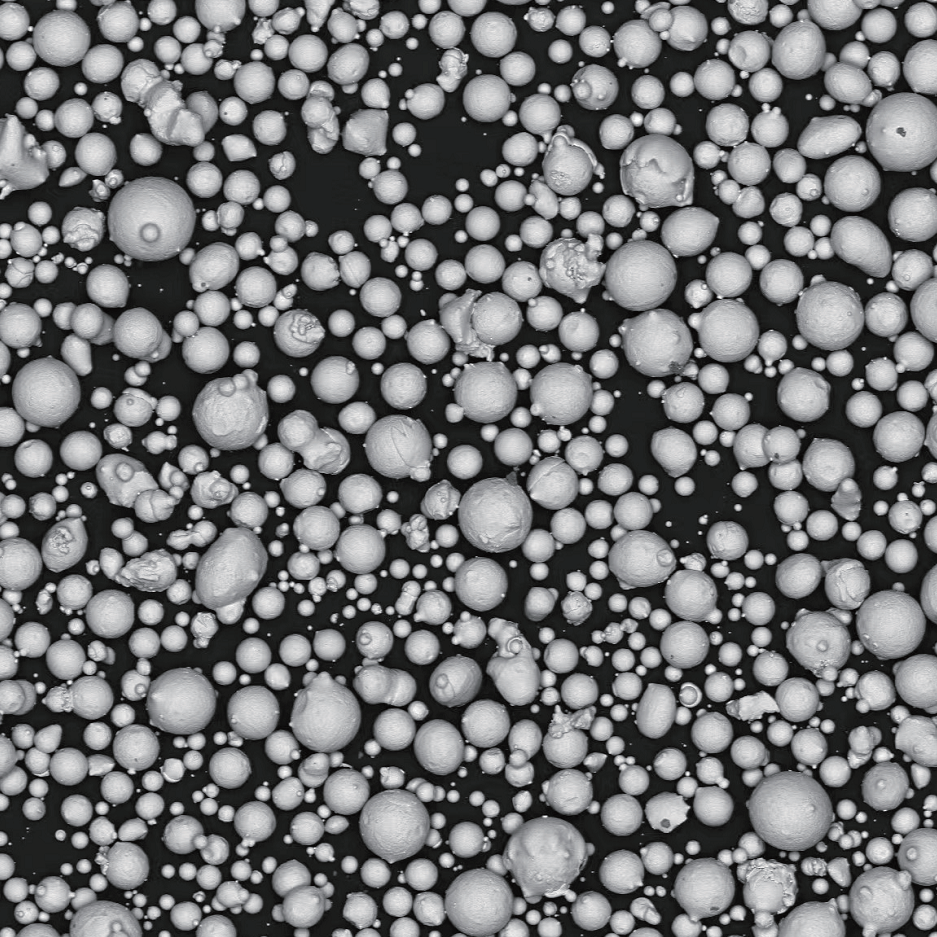
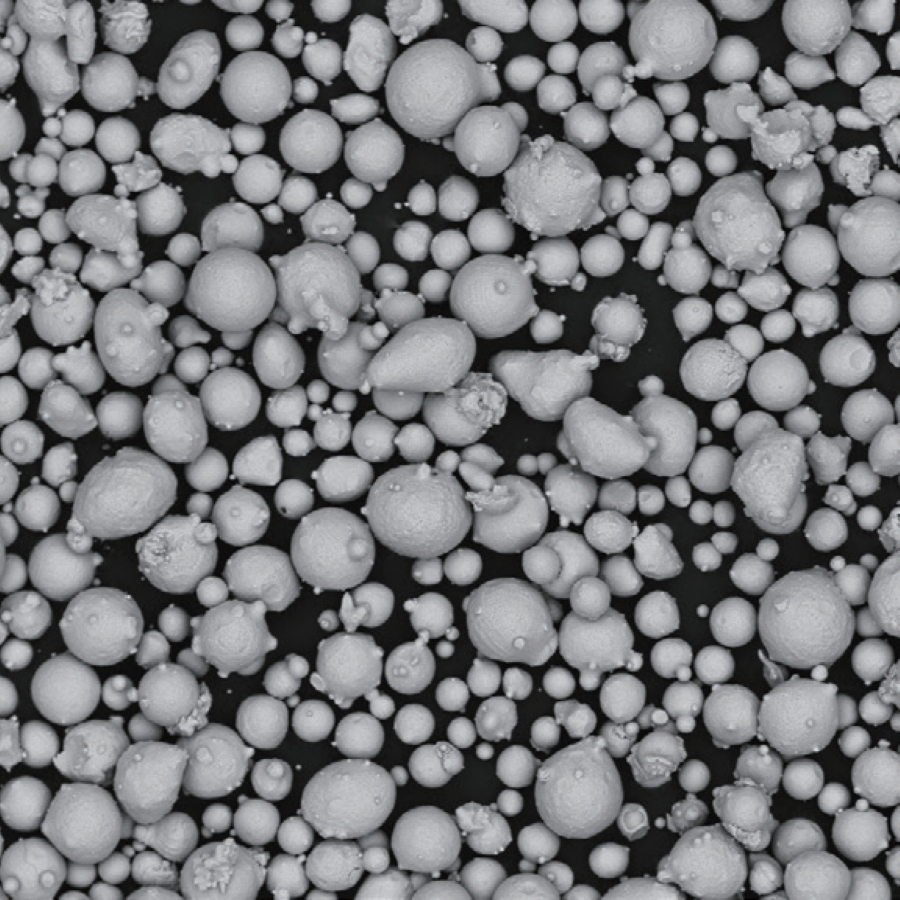
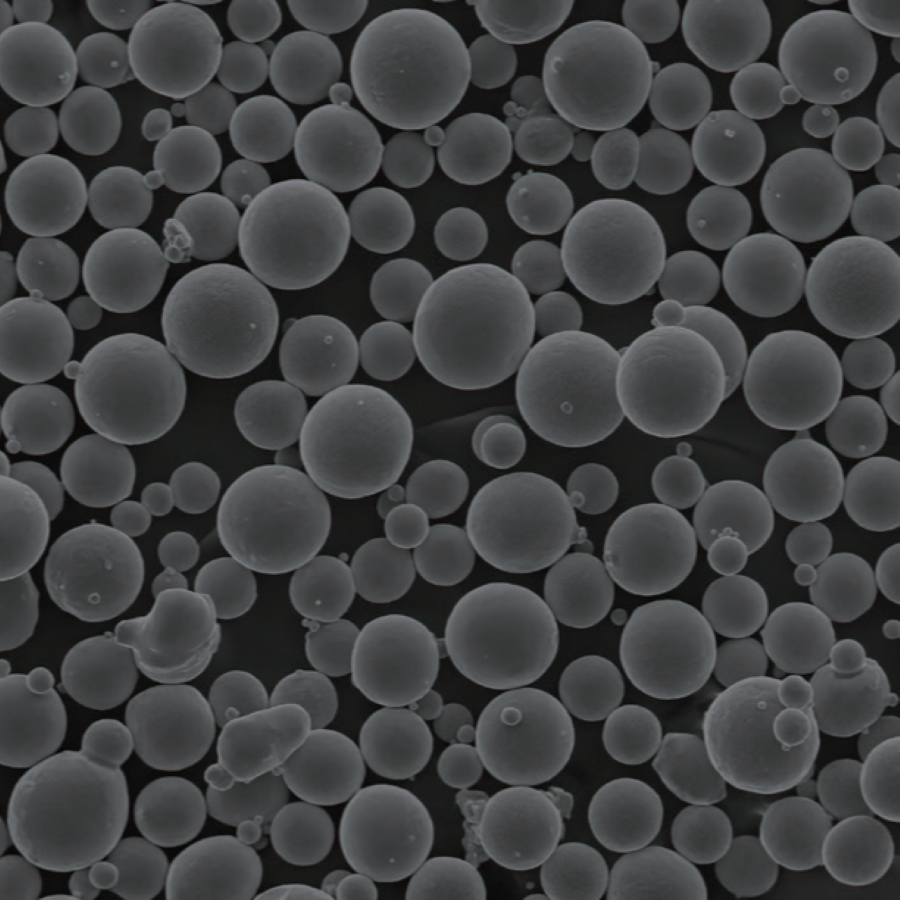
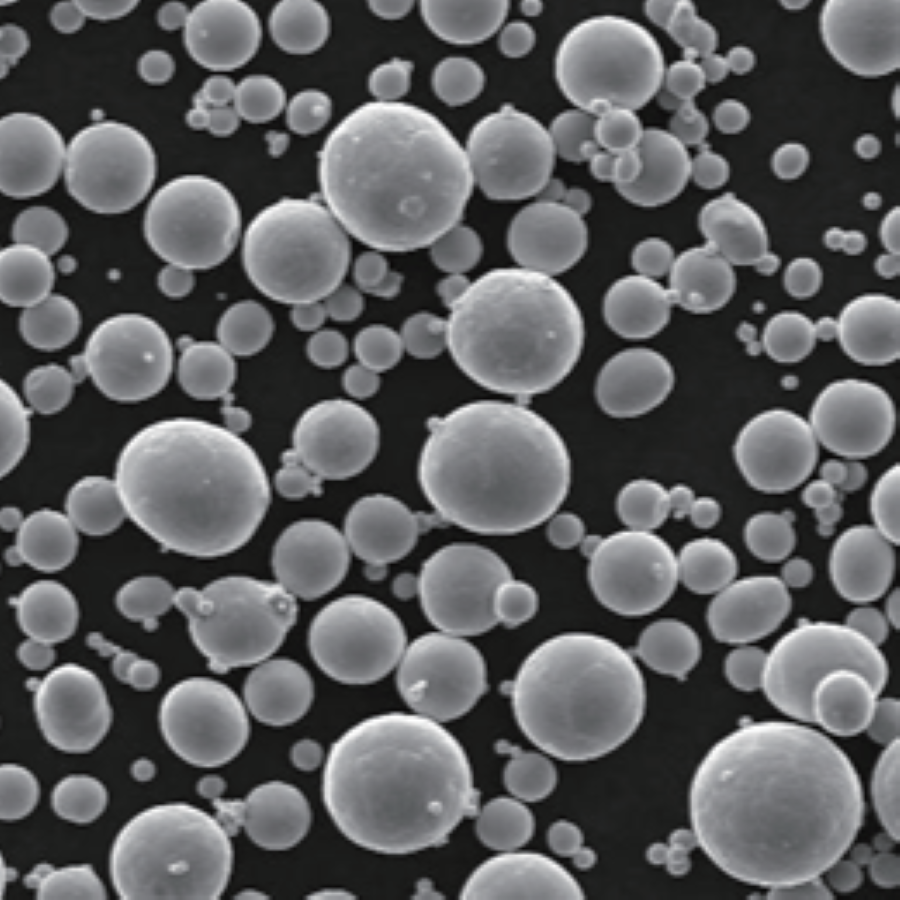
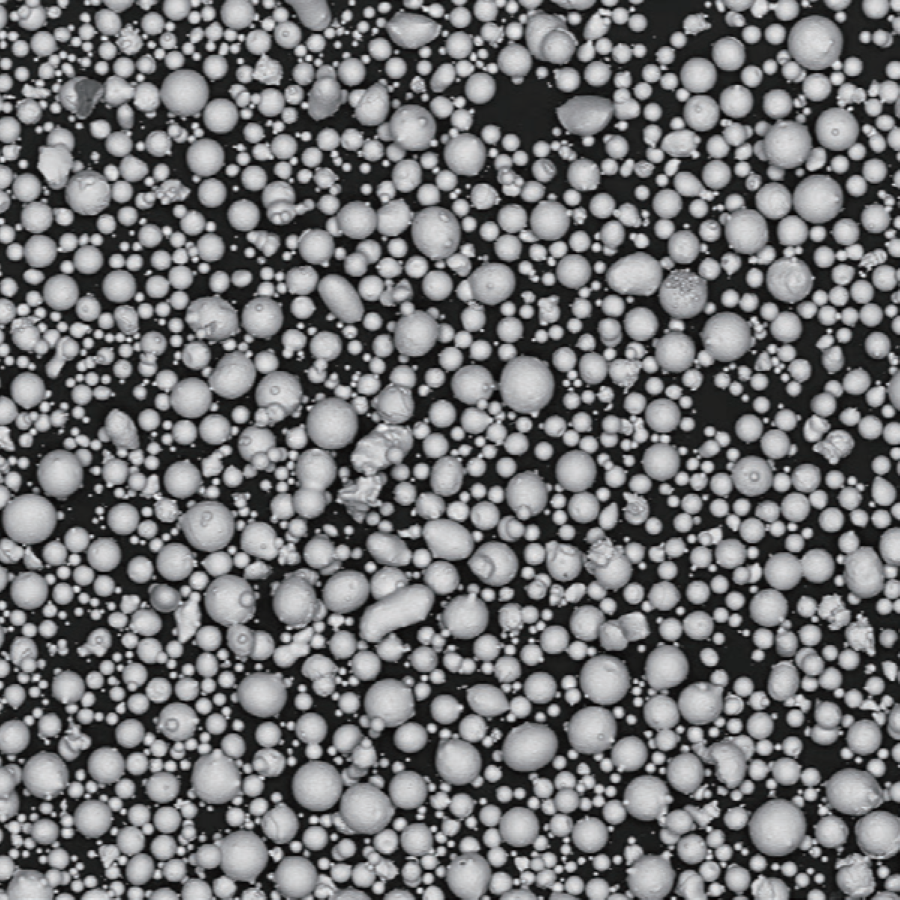
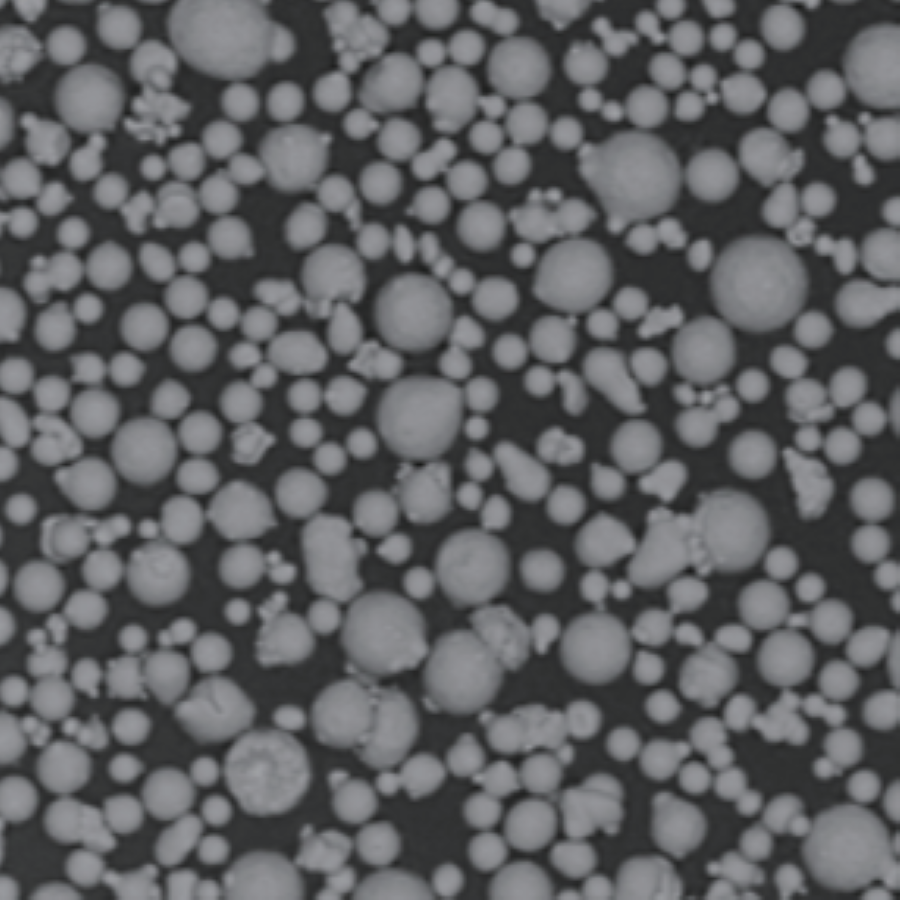
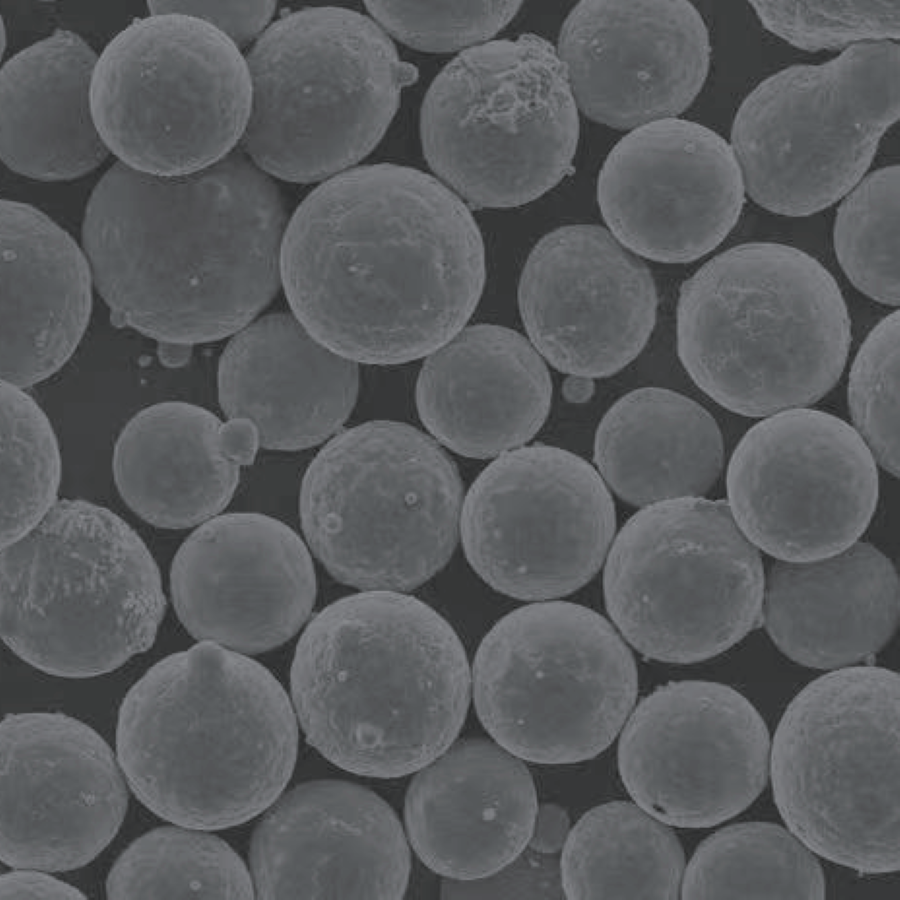
The powder has a D50 of 30–40 μm, D90 ≤63 μm, and sphericity ≥0.9, ensuring flowability ≤30 seconds per standard measurement volume. This combination is critical for consistent layer deposition and dense part consolidation in selective laser melting.
What are the critical alloying element limits in Ti2AlNb powder that affect high-temperature performance in aerospace components?
Aluminum (10.0–12.0 wt%) and niobium (41.0–45.0 wt%) provide the intermetallic foundation for lightweight strength at elevated temperatures. Carbon and iron are strictly limited to ≤0.1 wt% and ≤0.2 wt%, respectively, to prevent brittle phase segregation and preserve intermetallic integrity.
What storage conditions are required for Ti2AlNb titanium alloy powder to maintain its oxidation resistance?
The powder must be stored in anhydrous, inert gas environments (e.g., argon) and kept in tightly sealed, climate-isolated containers to prevent oxygen interaction. Processing should be conducted exclusively under dry, gas-regulated laboratory protocols to avoid contamination before melt validation.
This evaluation covers ATOMFAIR Ti2AlNb titanium alloy powder as an SLM feedstock: its high sphericity, controlled flowability, and tight trace-element limits support dense intermetallic builds, but anhydrous inert-gas handling is mandatory from storage through processing to avoid oxidation and contamination.
Positive
- High Sphericity for Consistent Recoating: Sphericity ≥0.9 with powder flowability ≤30 s per standard measurement volume promotes smooth bed delivery and reduces deposition variability in automated SLM tracks.
- Balanced Nb-Al Intermetallic Strengthening: The Nb 41.0-45.0 wt% and Al 10.0-12.0 wt% matrix supports post-solution-treatment tensile strength ≥900 MPa, yield strength ≥850 MPa, and elongation ≥8% at room temperature.
Trade-offs
- Anhydrous Inert-Gas Handling Required: The powder must be processed and stored under anhydrous, gas-regulated laboratory protocols; containers must remain tightly sealed or be handled exclusively in dry, inert gas environments to prevent contamination or early oxidation.
- Restricted to Aerospace AM Applications: Application scope is limited to aerospace additive manufacturing and advanced materials research setups, specifically components such as aero-engine compressors, integrated blisks, and high-performance casings.
Every advanced material, component, equipment, and instrument in our catalog is backed by rigorous testing. We maintain strict internal quality management frameworks and align with CE conformity metrics to deliver transparent, reproducible performance data via our public open-science repository.
To request raw batch performance data, submit formal vendor registration paperwork, or execute a fast-turnaround R&D manufacturing loop, contact us at inquiry@atomfair.com.
Item is dispatched under the Atomfair Shipping & Delivery Framework (Free worldwide shipping on orders over $59 USD excl. heavy equipment). Return is governed by the Atomfair Return & Refund Policy (7-day technical return window).