|
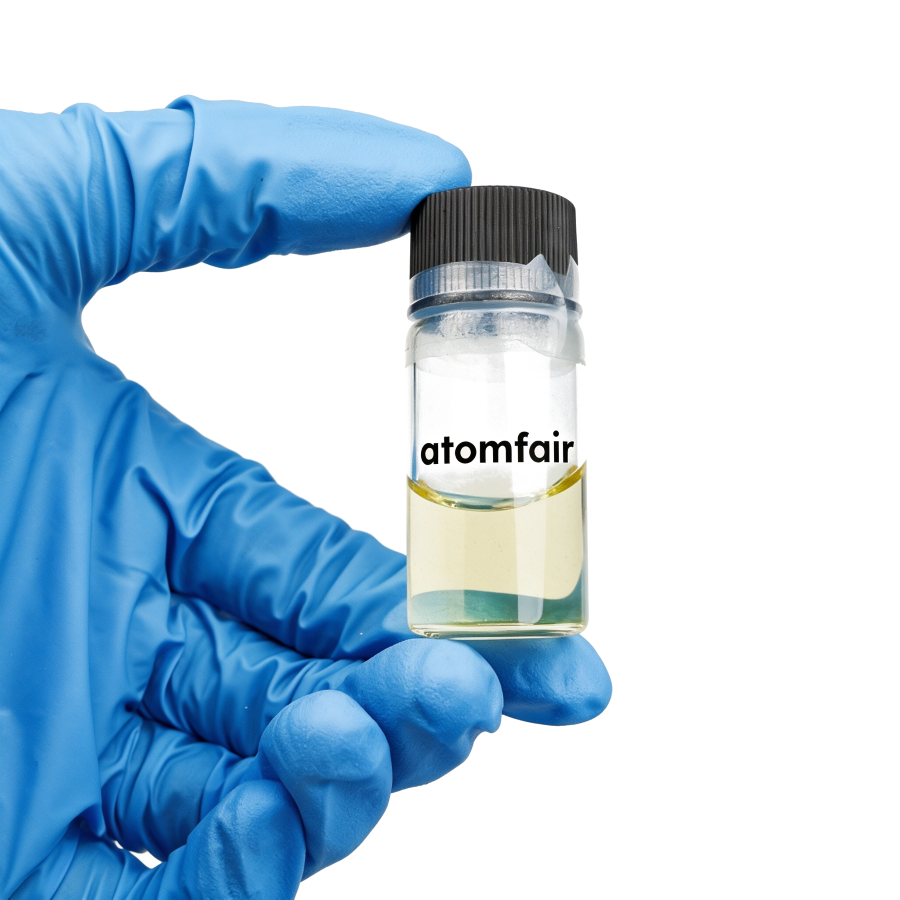
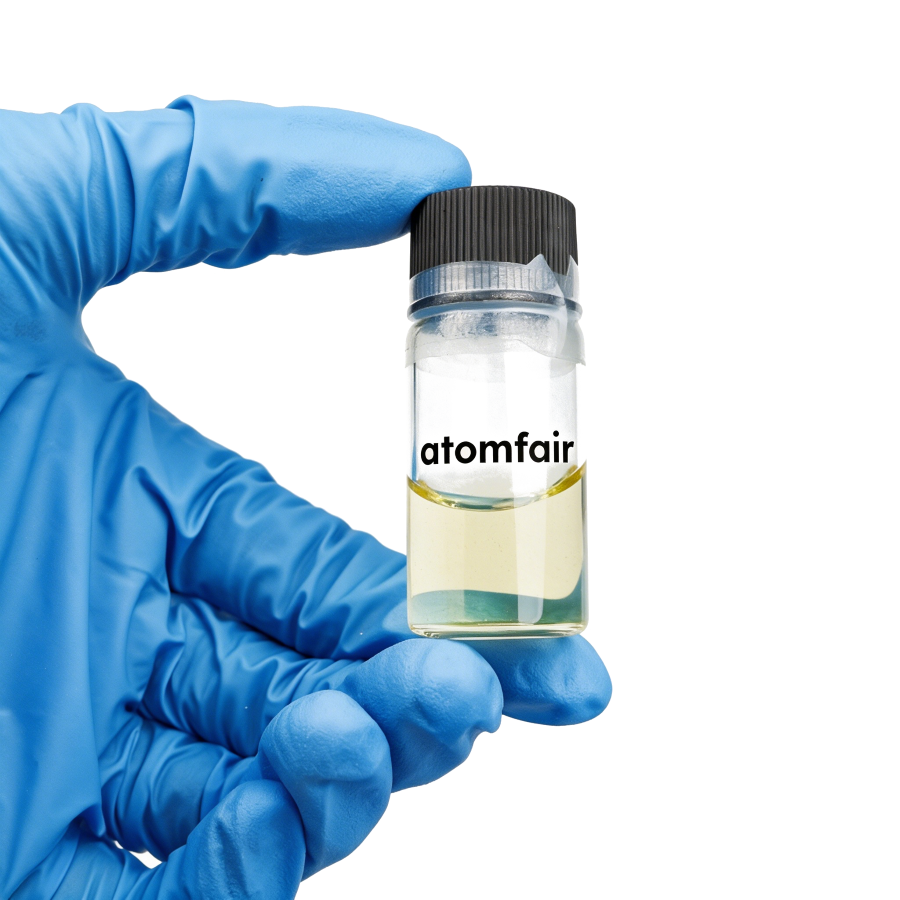
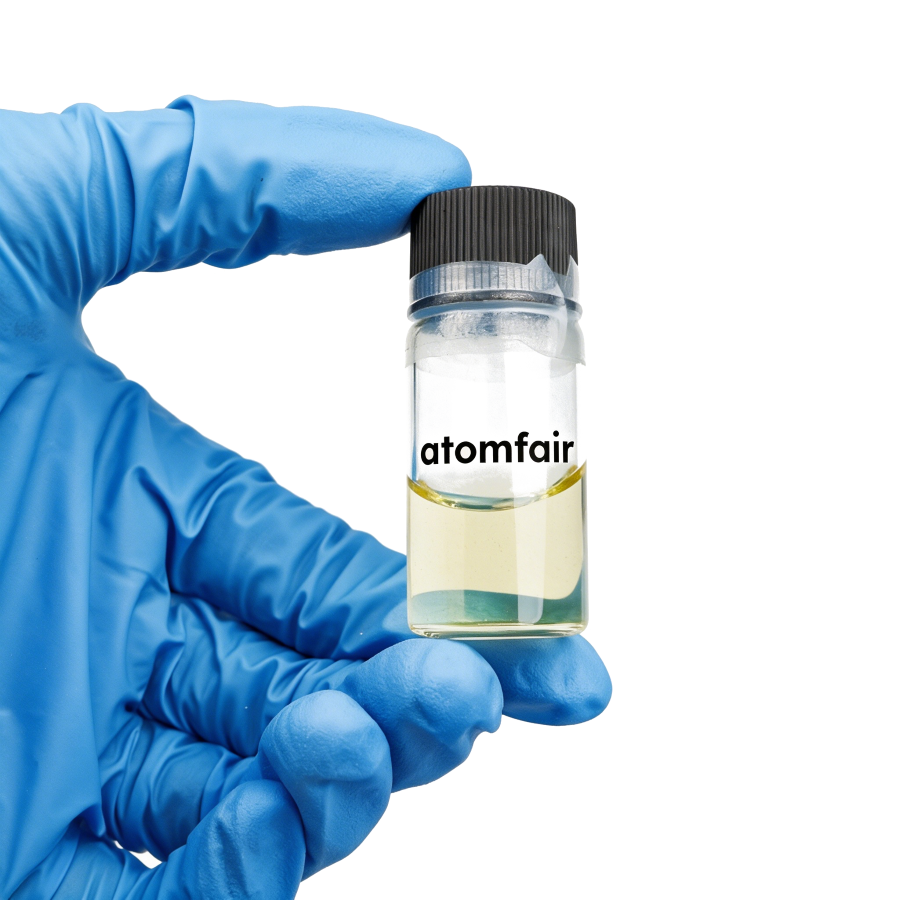
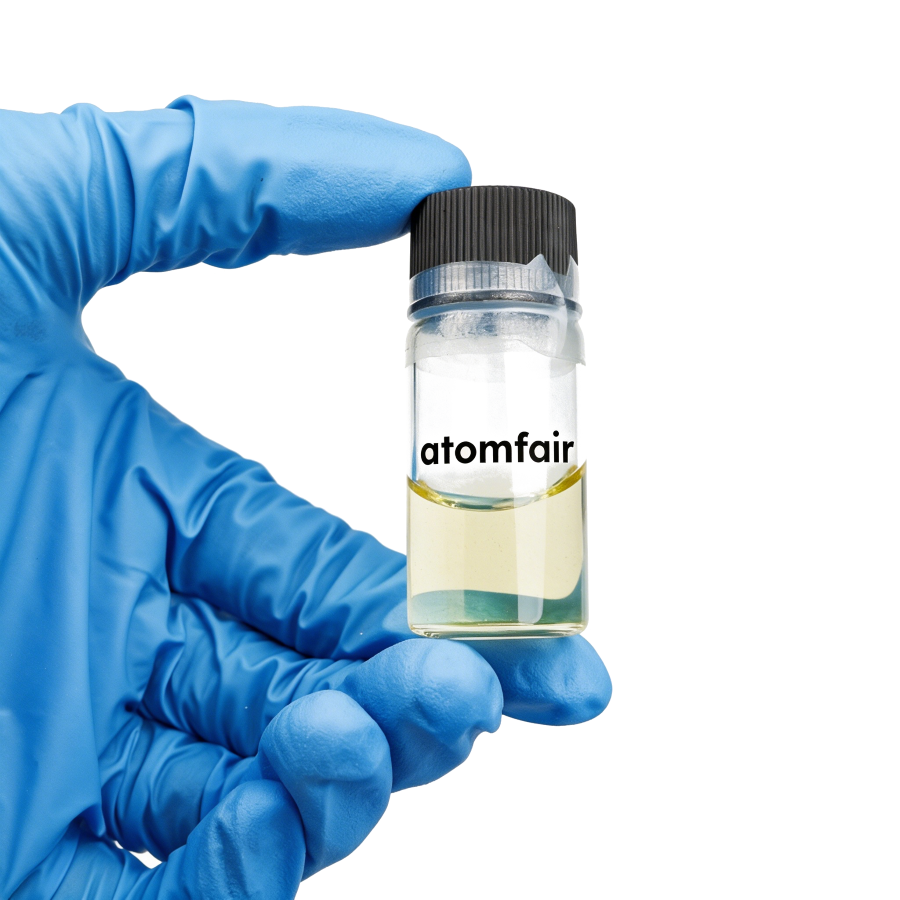
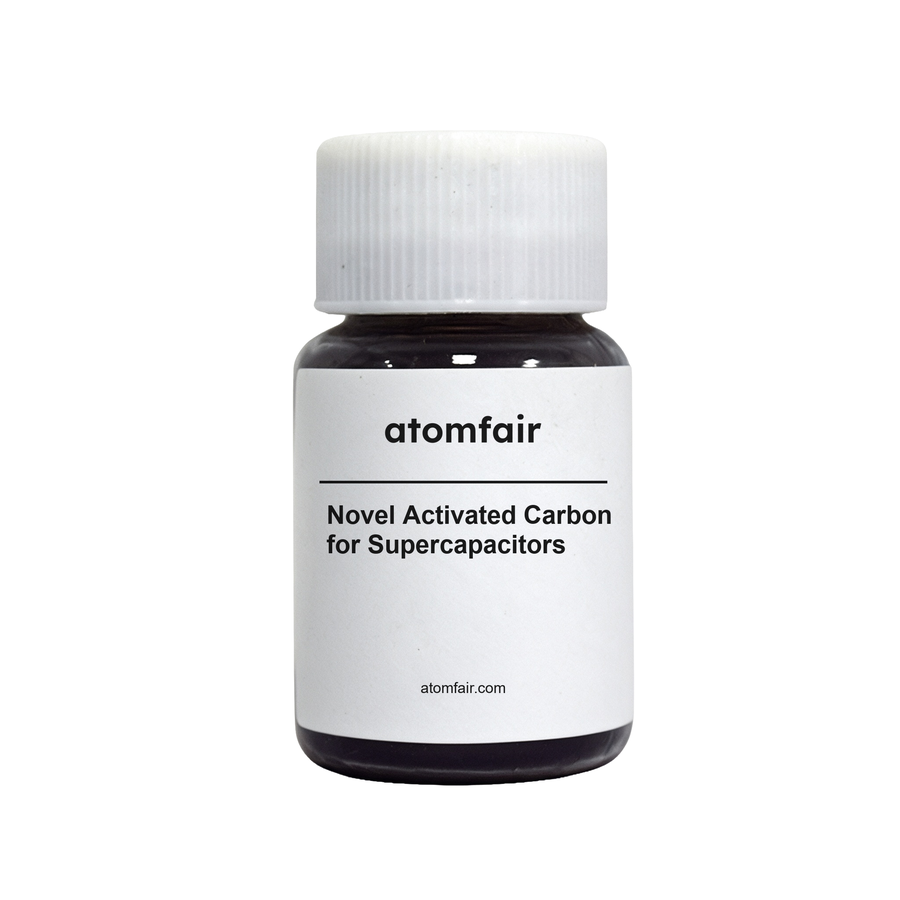
Novel Activated Carbon for Supercapacitors – 20 g Package
Product Type: Supercapacitor Activated Carbon
Research-grade laboratory product
|
|||||||||||||||||||||||||||||||
|
|||||||||||||||||||||||||||||||
|
LABORATORY PROCUREMENT SUPPORT
For material selection, package selection and specification confirmation, contact our technical sales team.
E-MAIL: inquiry@atomfair.com
|
Manufacturer: Atomfair LLC
Brand: ATOMFAIR®
What are the implications of the 2.4–3.2 nm pore size range for electrolyte ion accessibility and rate performance in this supercapacitor activated carbon?
The 2.4–3.2 nm pore size classifies this material as small mesoporous, accessible to common organic electrolyte ions (e.g., TEABF4 in acetonitrile) while maintaining a high surface area of ~2500 m²/g. The stated pore volume of 0.3–0.7 cm³/g and narrow pore distribution indicate a trade-off: smaller pores enhance capacitance density but may restrict ion mobility at higher charge/discharge rates compared to carbons with larger mesopores.
Is this activated carbon compatible with both aqueous and organic electrolyte systems for supercapacitor fabrication?
Yes, the pH of 6.0–7.0 is near-neutral, making the material suitable for aqueous (e.g., H₂SO₄, KOH) and organic electrolytes. Its high purity of ~99.9 wt% (EDS) minimizes parasitic side reactions. However, the particle size of 1–10 µm and apparent density of 0.13–0.15 g/cm³ should be considered when formulating slurries and coating electrodes for consistent performance.
What storage and handling precautions are recommended for this supercapacitor-grade activated carbon due to its fine particle size and surface chemistry?
The 1–10 µm particle size presents an inhalation hazard; handling should be performed in a fume hood or glovebox. With a surface area of ~2500 m²/g and pH 6.0–7.0, the material is hygroscopic and will adsorb ambient moisture and volatile organics. Store in an airtight, dry container away from oxidizers and strong acids.
This research-grade activated carbon delivers a high surface area (~2500 m2/g) and narrow mesopore size (2.4-3.2 nm) optimized for supercapacitor electrodes, but its broad particle size distribution (1-10 um) and low apparent density (0.13-0.15 g/cm3) introduce processing considerations for consistent electrode fabrication.
Positive
- High Surface Area for Enhanced Capacitance: With ~2500 m2/g surface area, this material provides abundant active sites for electric double-layer formation, directly improving specific capacitance in supercapacitor electrodes.
- High Purity Minimizes Side Reactions: At ~99.9 wt% purity (EDS), the carbon contains minimal metal or ash contaminants, reducing parasitic faradaic reactions and improving cycle stability.
Trade-offs
- Broad Particle Size Distribution: The 1-10 um particle size range (SEM) may require additional classification or sieving to achieve uniform electrode coating, especially for thin-film or high-rate applications.
- Low Apparent Density Affects Electrode Loading: With apparent density of 0.13-0.15 g/cm3, achieving practical areal mass loadings may require thicker electrode layers or multiple coating passes, impacting device architecture.
Every advanced material, component, equipment, and instrument in our catalog is backed by rigorous testing. We maintain strict internal quality management frameworks and align with CE conformity metrics to deliver transparent, reproducible performance data via our public open-science repository.
To request raw batch performance data, submit formal vendor registration paperwork, or execute a fast-turnaround R&D manufacturing loop, contact us at inquiry@atomfair.com.
Item is dispatched under the Atomfair Shipping & Delivery Framework (Free worldwide shipping on orders over $59 USD excl. heavy equipment). Return is governed by the Atomfair Return & Refund Policy (7-day technical return window).