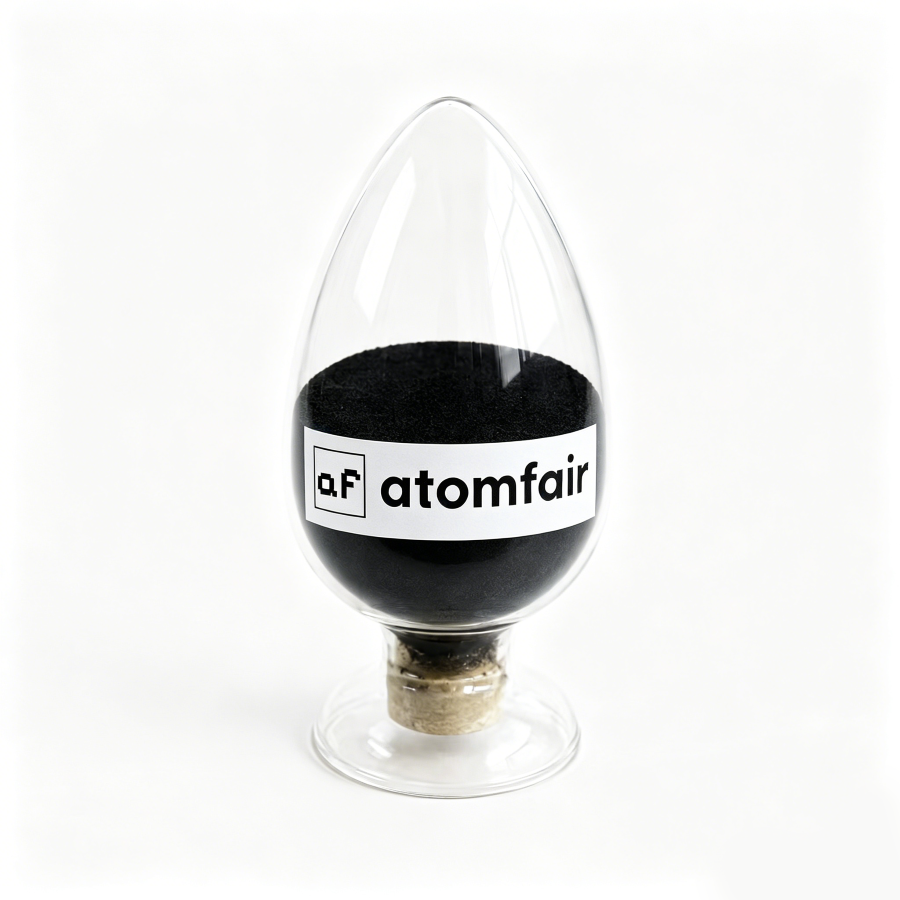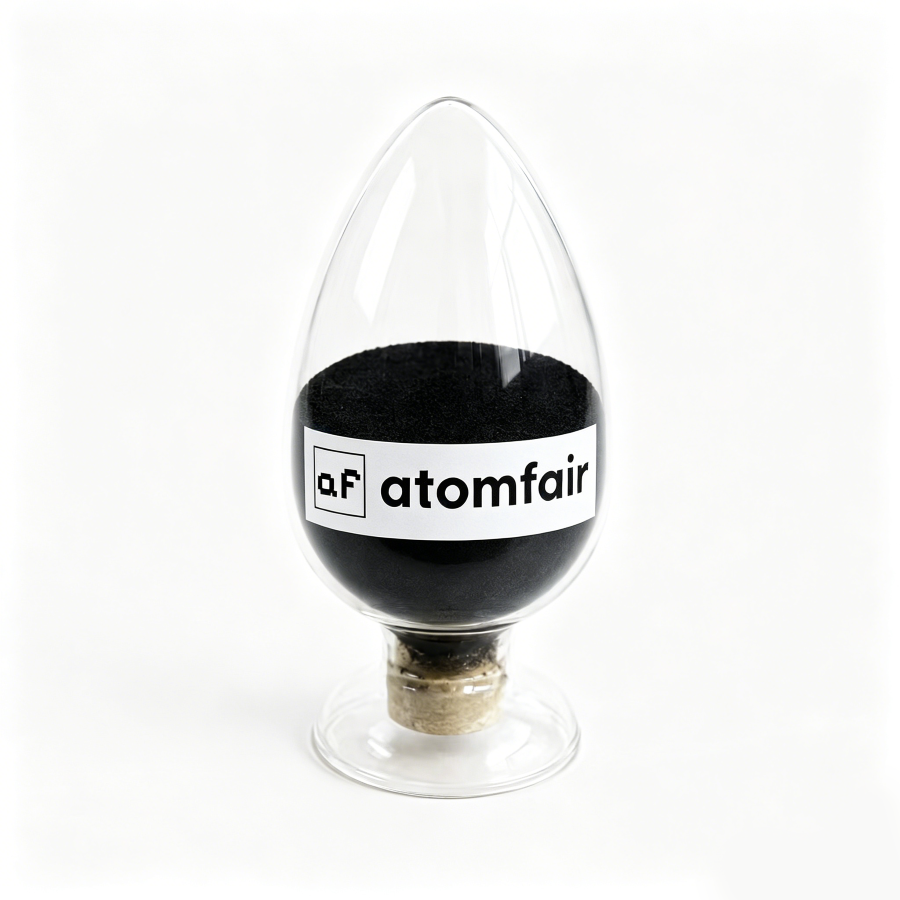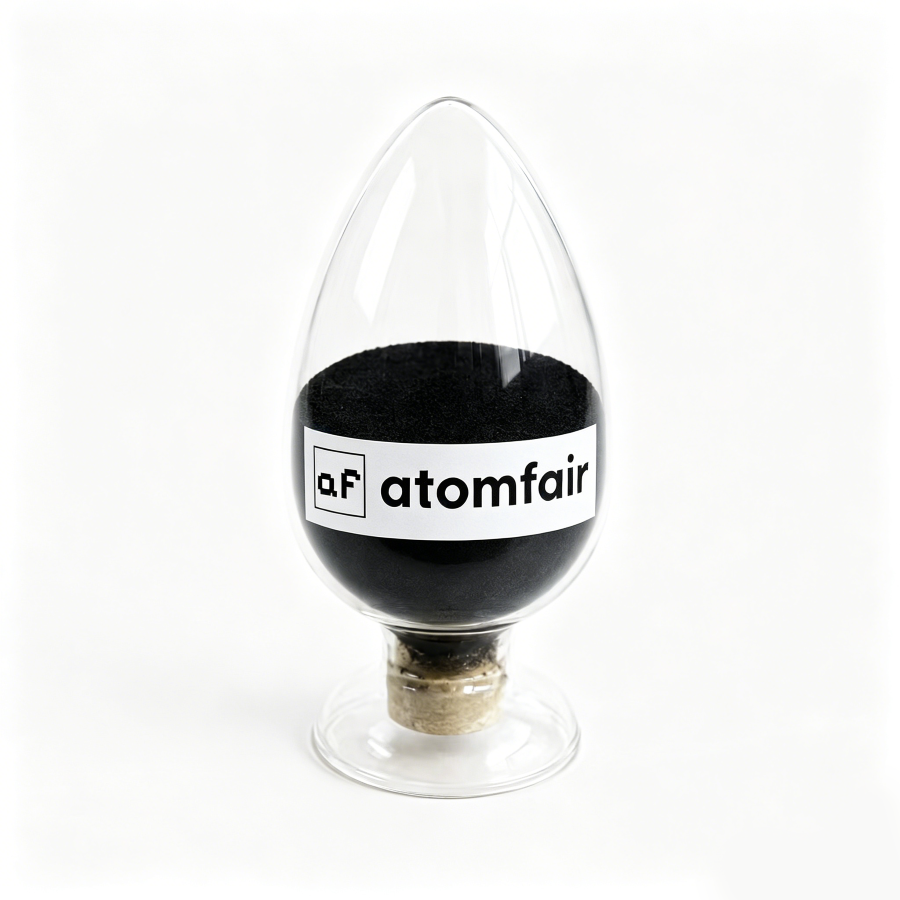
ATOMFAIR® SPAN750 HIGH CAPACITY SULFUR CATHODE MATERIALRESEARCH GRADE MATERIAL
|
|||||||||||||||||||||||||||||||||||
|
|||||||||||||||||||||||||||||||||||
|
TAILORED SOLUTIONS FOR RESEARCH
Contact our engineering team for technical support or official institutional quotations.
EMAIL: inquiry@atomfair.com
|
|||||||||||||||||||||||||||||||||||
|
Manufacturer: Atomfair LLC
Brand: ATOMFAIR®
|
|||||||||||||||||||||||||||||||||||
This material exhibits sensitivity to moisture and cross-contamination. Handling requires strict adherence to dry processing protocols to preserve material integrity before cell fabrication.
- Moisture Sensitivity: Material must be stored in hermetically sealed containers and handled only in dry environments to prevent moisture-induced degradation.
- Cross-Contamination Prevention: Avoid contact with other cathode materials or foreign particles to maintain purity and electrochemical performance.
- Processing Environment: All handling and processing steps must be conducted in an inert glovebox or dry room with controlled atmosphere.
- Container Integrity: Keep structural containers tightly locked and only open immediately before use in dry conditions.
What performance trade-off does the SPAN750's high-capacity design present compared to the available high-rate series variants?
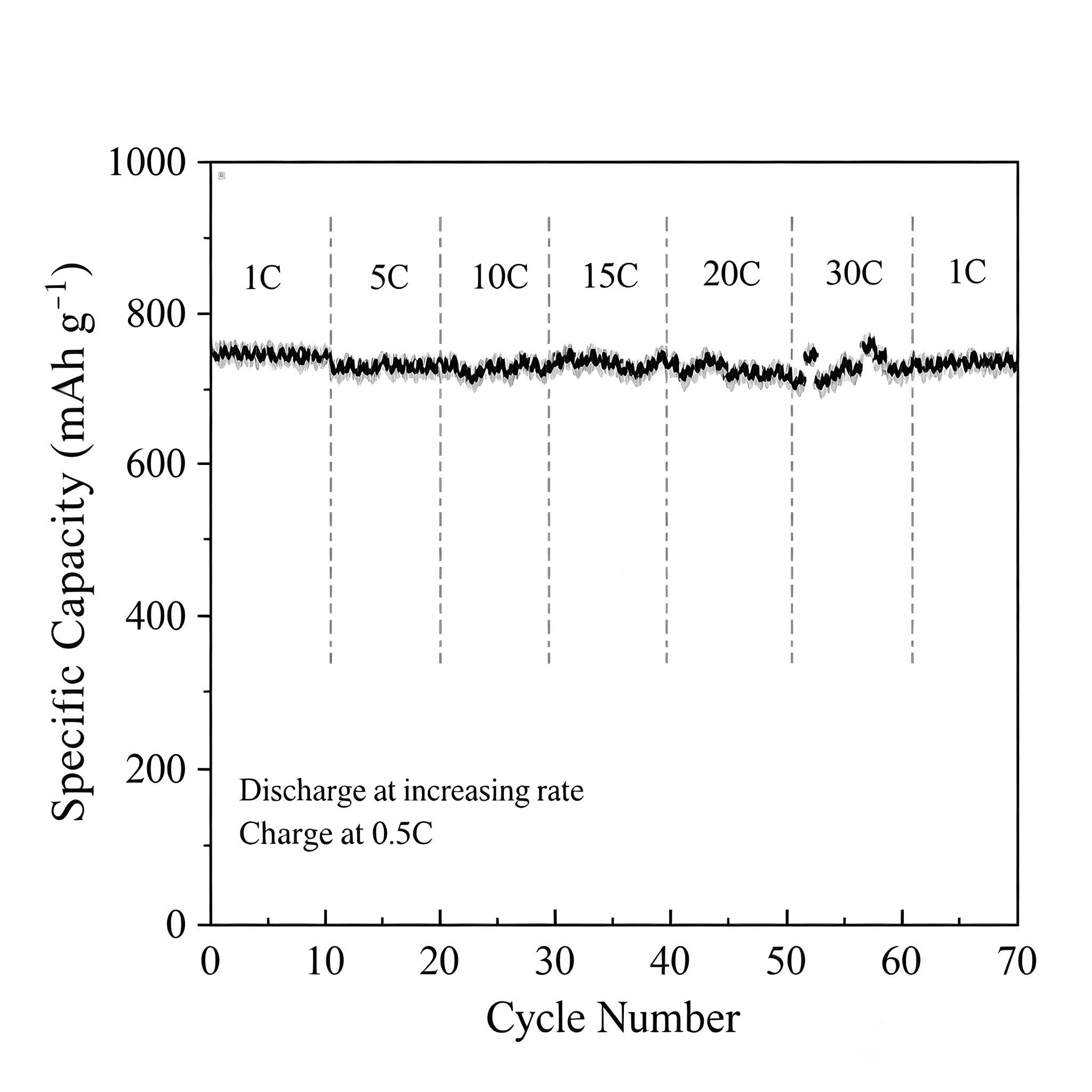
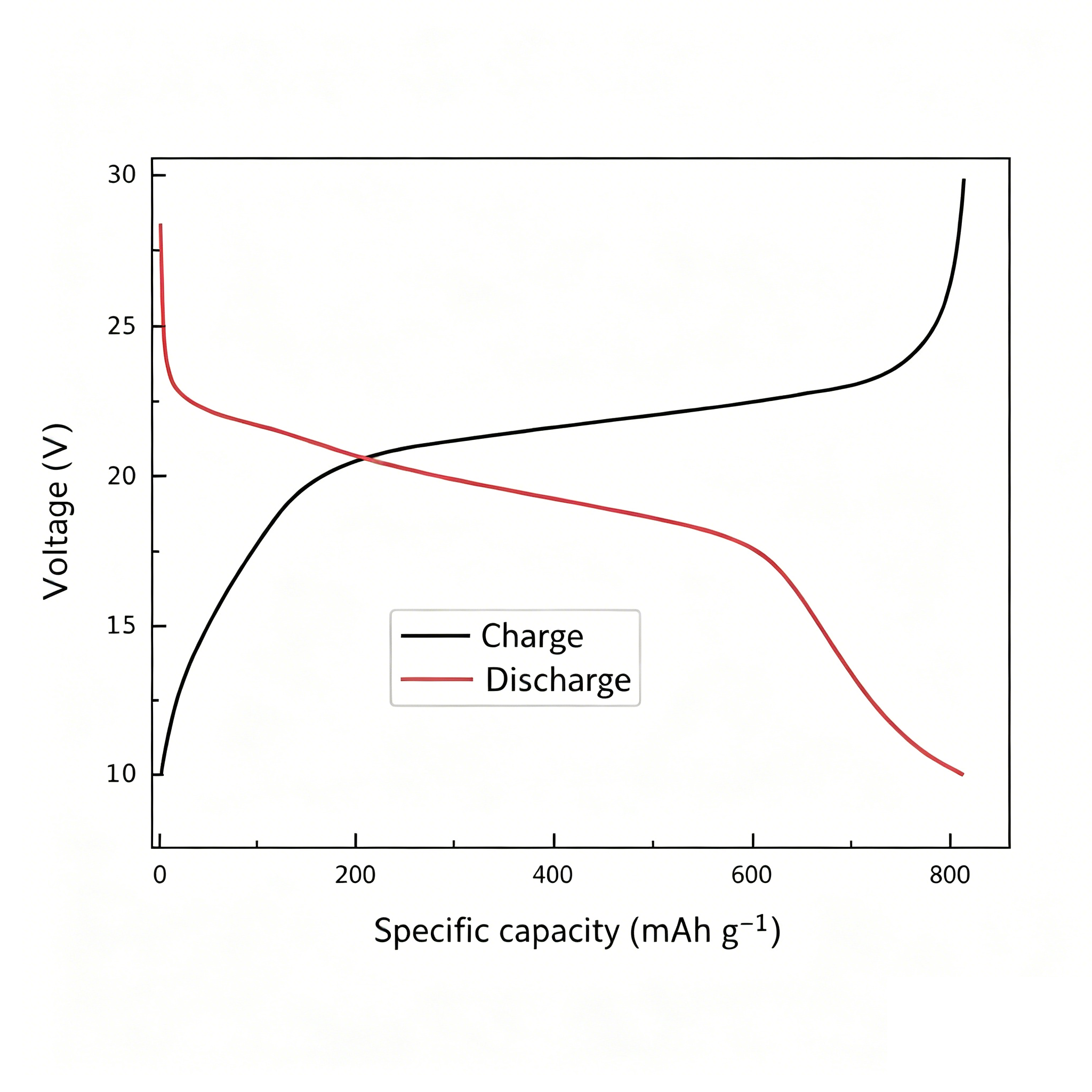
The SPAN750 is a capacity-type sulfur cathode material engineered for maximum specific capacity (≥800 mAh/g) and energy density (>500 Wh/kg in Li-SPAN cells), with an optimized microstructure that delivers 'outstanding C-rate performance' according to the supplier. However, the manufacturer explicitly offers 'high-rate series variations' as alternative options, indicating that the SPAN750 prioritizes capacity over rate capability for applications where ultra-high discharge rates are not the primary requirement.
What are the critical compatibility constraints for integrating SPAN750 into a lithium metal battery configuration?
SPAN750 is designed for high-energy-density composite cathodes in next-generation solid-state or liquid lithium metal configurations (Li-SPAN cells). It is highly sensitive to moisture and cross-contamination; therefore, all handling must be performed in standardized dry processing zones or inert glovebox matrices, and containers must be kept hermetically sealed to preserve control parameters before cell fabrication. The material's solid-solid phase conversion mechanism eliminates polysulfide shuttle issues, but the cathode must be paired with a compatible lithium metal anode to achieve the stated performance.
What storage and handling infrastructure is required for the SPAN750 sulfur cathode material?
SPAN750 must be stored in hermetically sealed aluminum composite vacuum containers to protect the powder geometry from moisture and contamination. Handling requires a dry or inert atmosphere (e.g., glovebox) to prevent degradation from moisture exposure, and the containers must be tightly locked between uses. The supplier notes that the material is processed under ISO 9001 compliance, but users must maintain strict environmental control to avoid compromising the baseline parameters before cell assembly.
The SPAN750 sulfur cathode material leverages a solid-solid phase conversion mechanism to eliminate polysulfide shuttle effects, delivering a reversible capacity of 750–900 mAh/g at 45°C with a sulfur loading ≥55 wt%, but requires strict moisture-controlled handling and dry processing infrastructure to prevent performance degradation.
Positive
- Solid-solid phase conversion eliminates shuttle: The cross-linked polymer skeleton anchors sulfur molecules, preventing polysulfide dissolution and shuttle mechanisms, which improves cell-to-cell consistency and cycle stability.
- High specific capacity above 900 mAh/g: With sulfur content ≥55 wt%, the material achieves a reversible capacity of 750–900 mAh/g at the 5th cycle (45°C), supporting energy densities beyond 500 Wh/kg in Li-SPAN configurations.
Trade-offs
- Moisture and contamination sensitivity: The material is sensitive to variable moisture profiles and cross-contamination; it must be stored in hermetically sealed containers and handled in dry processing zones or inert gloveboxes to preserve baseline performance.
- Requires controlled dry processing infrastructure: Optimal handling and cell fabrication demand standardized dry processing environments or inert glovebox matrices, adding laboratory infrastructure and expertise requirements.
Every advanced material, component, equipment, and instrument in our catalog is backed by rigorous testing. We maintain strict internal quality management frameworks and align with CE conformity metrics to deliver transparent, reproducible performance data via our public open-science repository.
To request raw batch performance data, submit formal vendor registration paperwork, or execute a fast-turnaround R&D manufacturing loop, contact us at inquiry@atomfair.com.
Item is dispatched under the Atomfair Shipping & Delivery Framework (Free worldwide shipping on orders over $59 USD excl. heavy equipment). Return is governed by the Atomfair Return & Refund Policy (7-day technical return window).