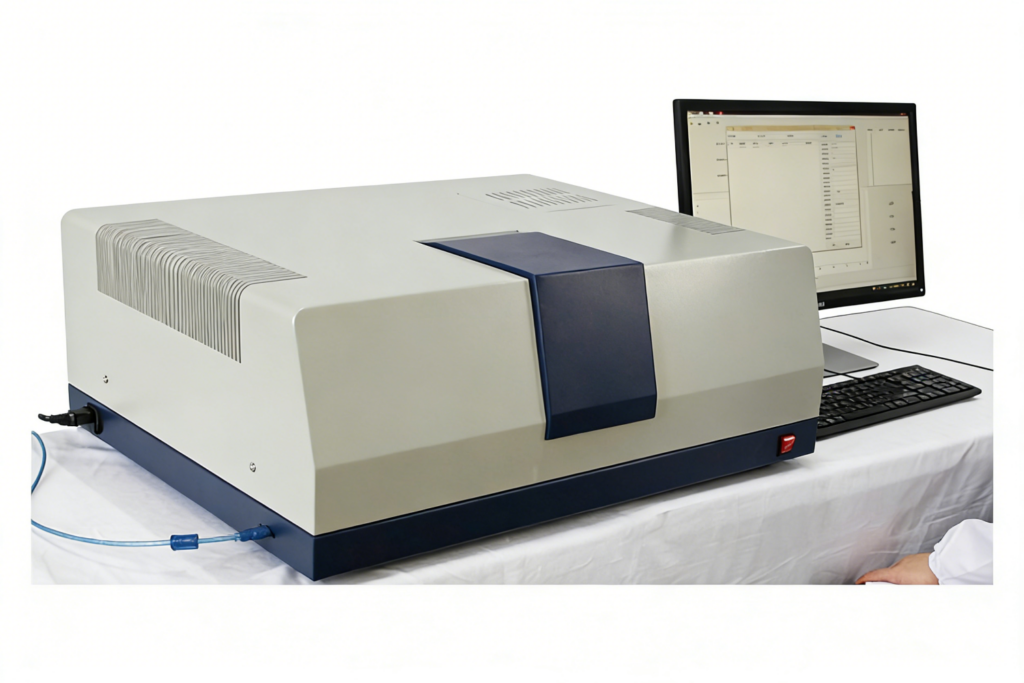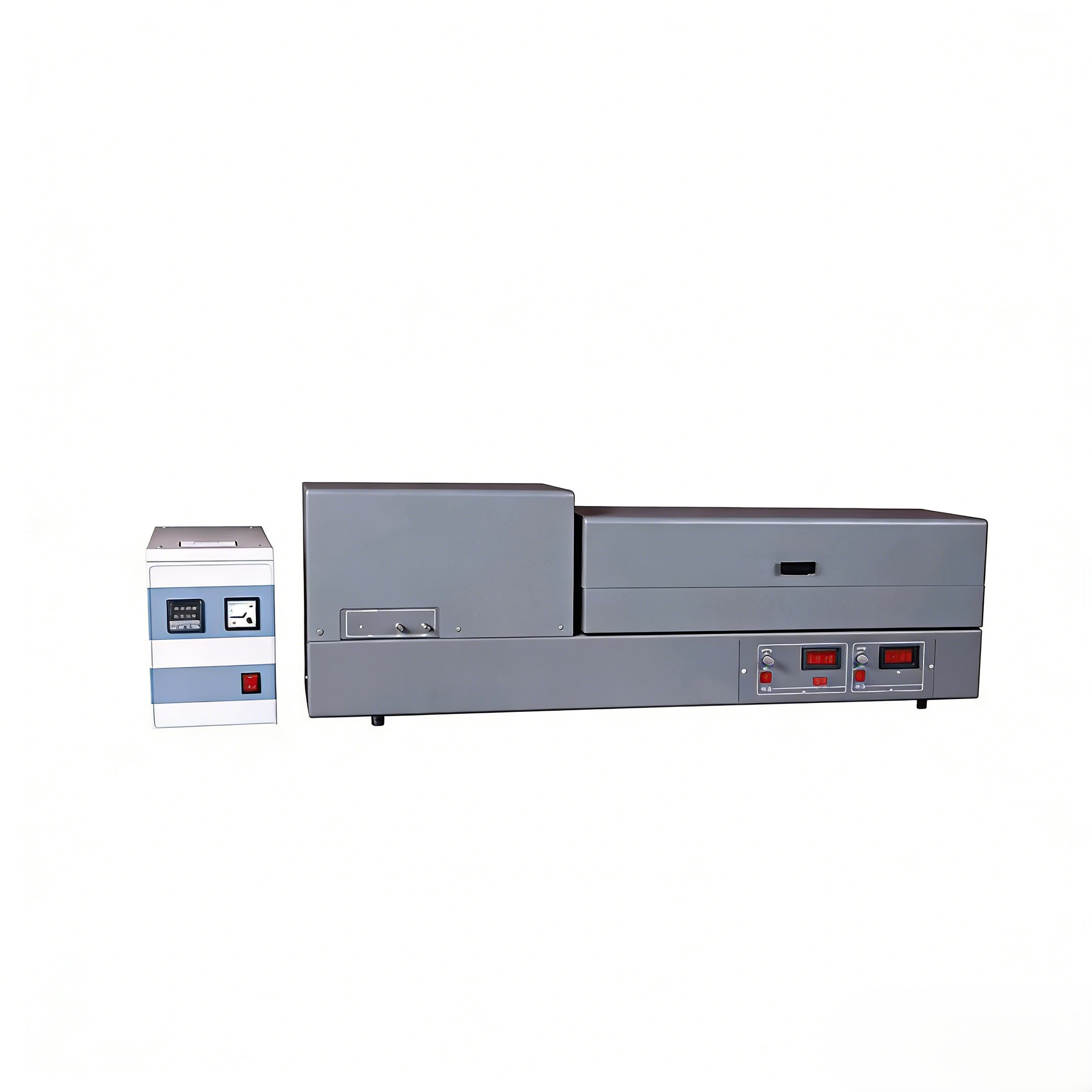
Atomfair-SPCS-837 Single Photon Counting Experimental System
Product Overview
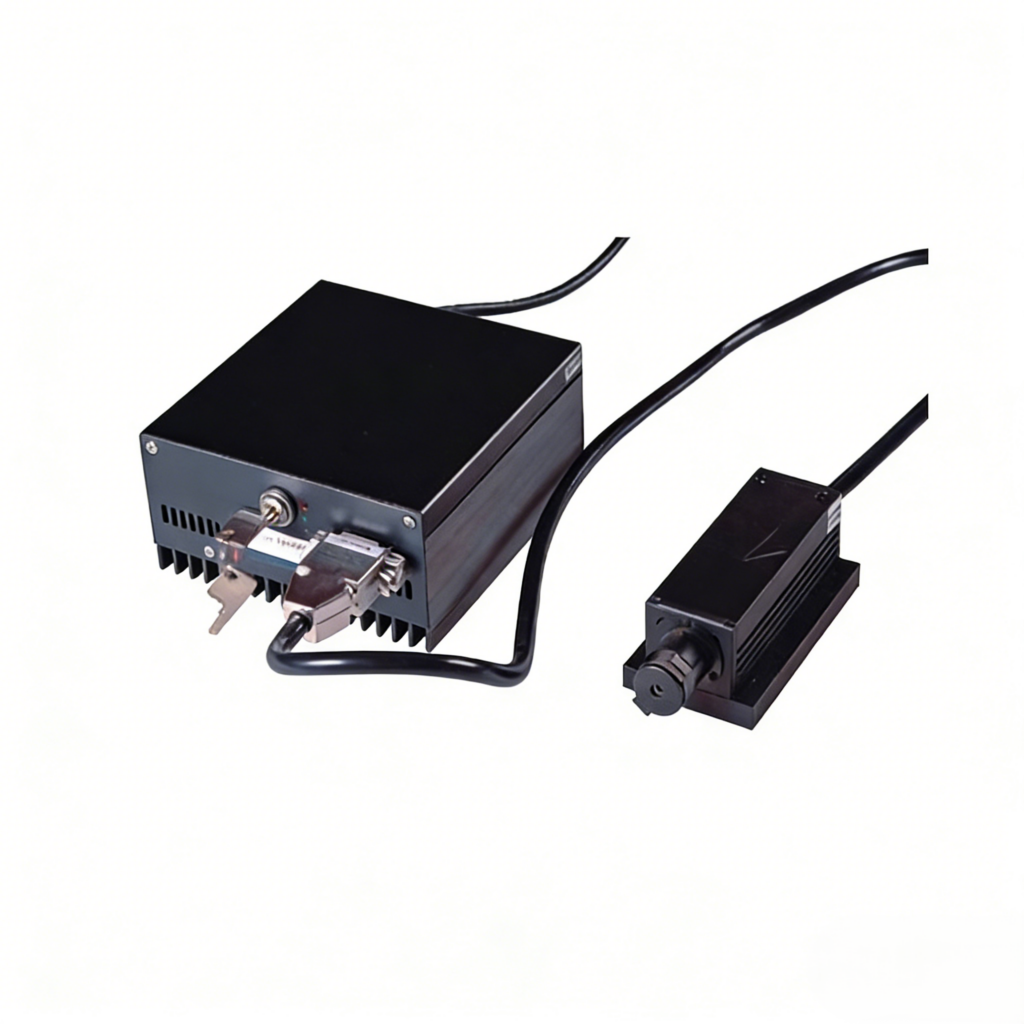
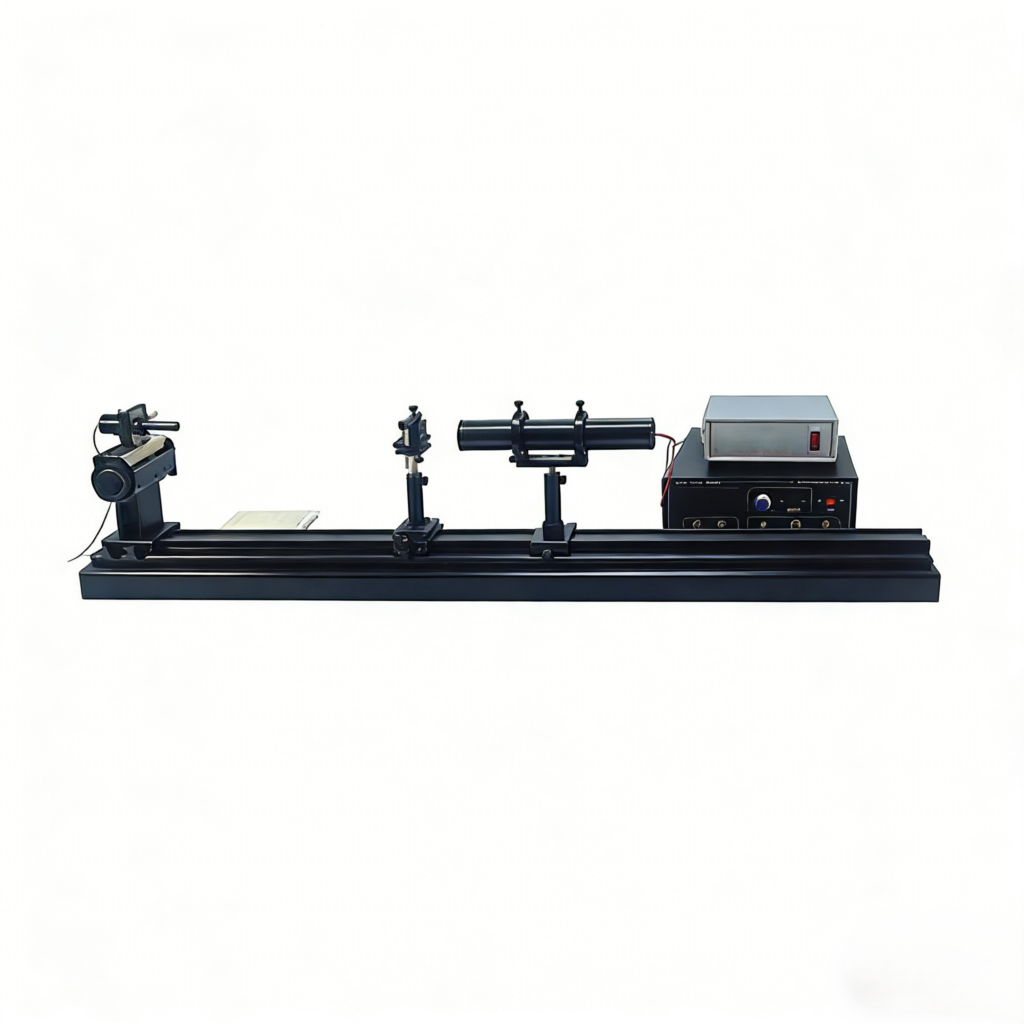
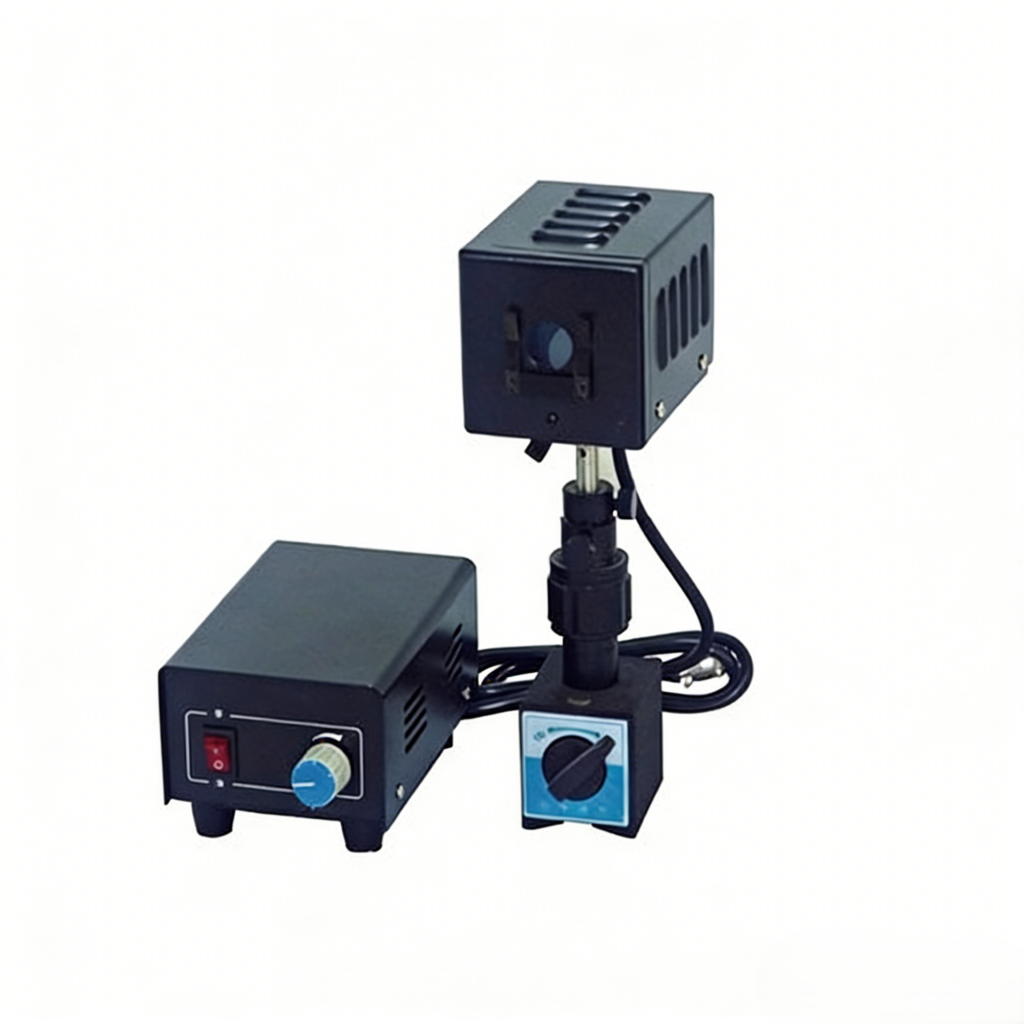
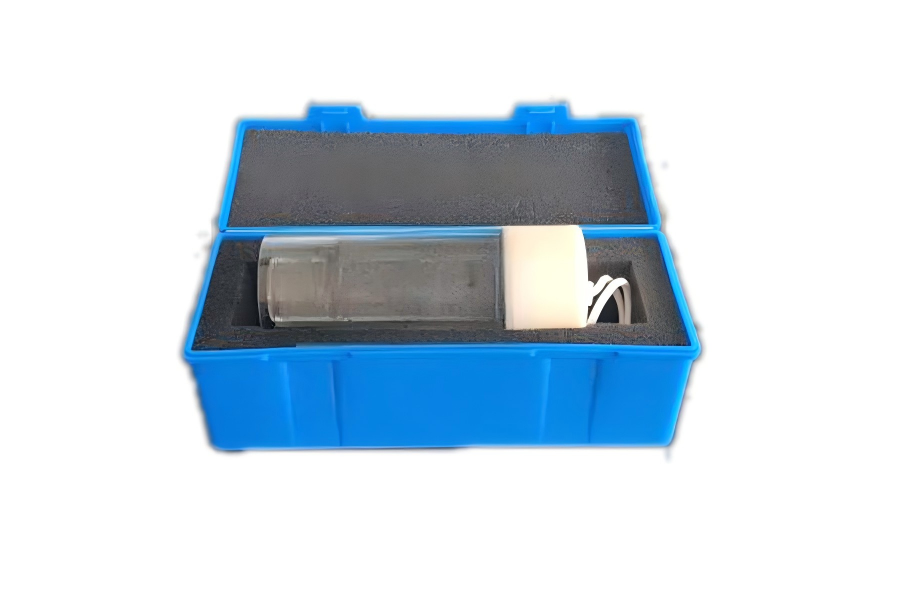
Atomfair-SPCS-837 Single Photon Counting Experimental System belongs to the optoelectronics and laser category. It is composed of core components including a single photon counter, a semiconductor refrigeration system, an external optical path system, an optical power indicator, and supporting working software. Adopting pulse height discrimination counting and digital counting technology, the system features a high linear dynamic range. The output digital signals are easy to be processed by computers, providing a reliable experimental environment for relevant teaching experiments. It has been awarded the Second Prize of National University Physics Experiment Teaching Instruments.
Core Technical Specifications (International Standards)
| No. | Item | Specification |
| 1 | Spectral Response Range | 360nm±650nm |
| 2 | Light Source | Light-emitting diode (LED), central wavelength 500nm, half-width 30nm |
| 3 | Integration Time | 0±30min (1mS/step, adjustable) |
| 4 | Maximum Count | ≥10⁷ |
| 5 | Dark Count | ≤30cps (-20°C) |
| 6 | Threshold Voltage | 0V±2.56V (10mV/step, adjustable) |
| 7 | Power Unit | 20μW/200μW two-speed switching, with a 3.5-digit meter display |
| 8 | Refrigeration Unit | Circulating water cooling, temperature control accuracy of 0.1°C, temperature control range below -30°C |
Optional Configurations
| No. | Item | Specification |
| 1 | Computer | 2.5G dual-core processor, 200G hard disk, 3G memory, independent graphics card |
| 2 | Monitor | LCD monitor |
| 3 | Printer | Standard basic printing function |
Product Applications
This experimental system is mainly designed for physics experiment teaching in colleges and universities. It can be used to carry out experiments related to single photon counting, helping students deepen their understanding of optoelectronic detection principles, photon statistics characteristics, and related digital signal processing technologies. Meanwhile, it also provides a stable and reliable experimental platform for researchers engaged in low-light level detection, optical communication, and other related fields to conduct preliminary experimental research and data collection.
If you’re interested, have any questions, or have specific customization requirements, please feel free to contact us at inquiry@atomfair.com.
How does the system's threshold voltage setting affect the trade-off between photon detection efficiency and dark count rejection in the SPCS-837?
The SPCS-837 uses pulse height discrimination counting with a threshold voltage adjustable from 0V to 2.56V in 10 mV steps. A higher threshold reduces detection of low-amplitude noise pulses (including dark counts) but also rejects valid single-photon pulses with lower amplitudes. The optimal setting depends on the photon energy and the desired balance between sensitivity and noise floor, as determined by the specific experimental conditions.
Is the Atomfair-SPCS-837 compatible with external laser sources, or is it limited to the built-in LED?
The system includes an external optical path system, which allows integration with external light sources such as lasers, provided their wavelength falls within the detector's spectral response range of 360 nm to 650 nm. The built-in LED (central wavelength 500 nm, half-width 30 nm) is provided for standardized teaching experiments, but the external optics enable customized setups for research applications.
What infrastructure is required for the circulating water cooling system of the SPCS-837 to ensure reliable operation?
The SPCS-837's semiconductor refrigeration unit requires a circulating water supply capable of maintaining temperature control accuracy of 0.1°C to achieve a cooling range below -30°C. Users must provide a continuous flow of coolant, typically clean water or a water-glycol mixture, and ensure proper heat dissipation. Insufficient cooling or flow interruption can degrade dark count performance (specified ≤30 cps at -20°C) and may cause temperature fluctuations affecting measurement reproducibility.
The Atomfair-SPCS-837 integrates a single photon counter with pulse height discrimination and digital counting, achieving a high linear dynamic range and a maximum count of ≥10⁷, making it suitable for teaching and low-light research. Its semiconductor refrigeration with circulating water cooling maintains a dark count of ≤30cps at -20°C, but requires external water infrastructure and careful thermal management.
Positive
- High linear dynamic range: Pulse height discrimination and digital counting provide a high linear dynamic range, enabling accurate photon counting across a wide range of intensities, which is critical for quantitative experiments in optoelectronics.
- Low dark count with cooling: The semiconductor refrigeration system achieves a dark count of ≤30cps at -20°C, reducing noise for low-light-level detection and improving signal-to-noise ratio in photon statistics experiments.
Trade-offs
- Requires water cooling infrastructure: The refrigeration unit uses circulating water cooling, necessitating a water supply and heat exchange setup, which adds laboratory infrastructure and maintenance requirements.
- Limited spectral range: The spectral response range of 360nm–650nm restricts use to visible and near-UV wavelengths, limiting applicability for infrared or deep-UV photon counting without additional detectors.
Every advanced material, component, equipment, and instrument in our catalog is backed by rigorous testing. We maintain strict internal quality management frameworks and align with CE conformity metrics to deliver transparent, reproducible performance data via our public open-science repository.
To request raw batch performance data, submit formal vendor registration paperwork, or execute a fast-turnaround R&D manufacturing loop, contact us at inquiry@atomfair.com.
Item is dispatched under the Atomfair Shipping & Delivery Framework (Free worldwide shipping on orders over $59 USD excl. heavy equipment). Return is governed by the Atomfair Return & Refund Policy (7-day technical return window).