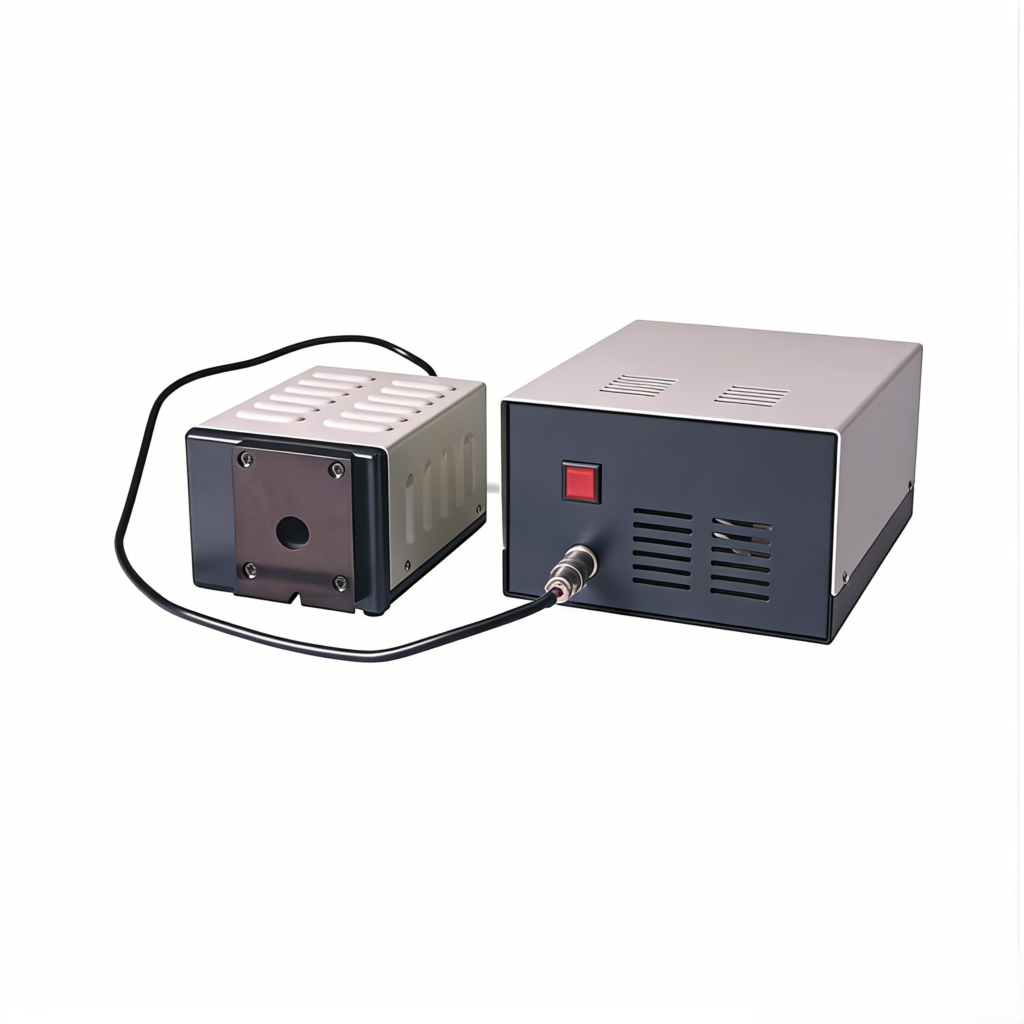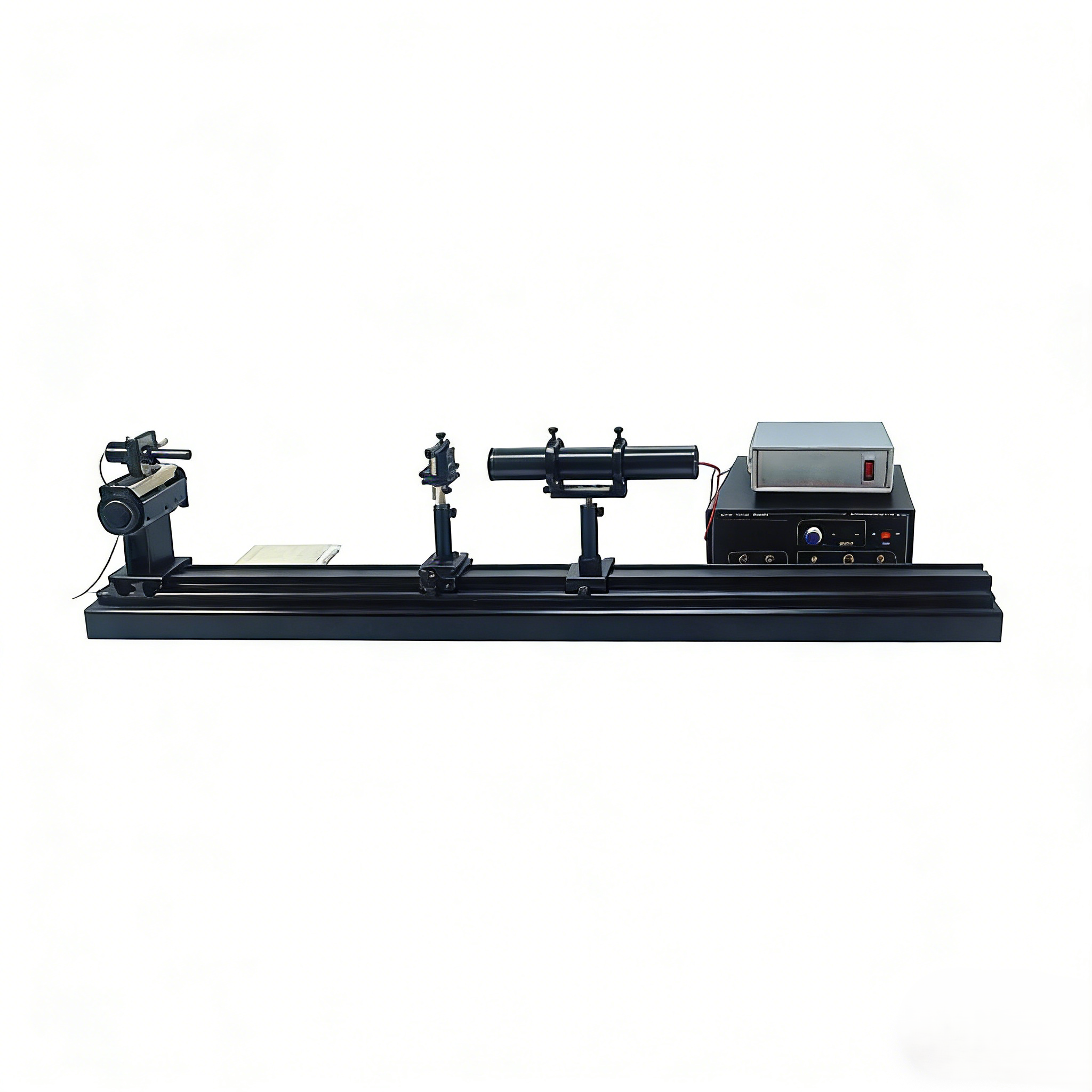
Atomfair AOE-739 Acousto-Optic Effect Experimental Setup
Product Overview
The Atomfair AOE-739 Acousto-Optic Effect Experimental Setup belongs to the optoelectronics and laser category, launched in July 2022. It is professionally designed for exploring the principles of acousto-optic effects and conducting practical experiments, serving as an essential tool for in-depth learning and research in related fields.
Acousto-optic effect refers to the phenomenon where light undergoes diffraction when passing through a medium disturbed by ultrasonic waves, resulting from the interaction between light waves and sound waves in the medium. This effect provides an effective means to control the frequency, direction, and intensity of laser beams. Acousto-optic devices manufactured based on this principle, such as acousto-optic modulators, acousto-optic deflectors, and tunable filters, hold significant application value in laser technology, optical signal processing, integrated optical communication technology, and other fields.
Experimental Contents
- Explore the basic mechanism of acousto-optic interaction.
- Learn the core principle of Bragg diffraction.
- Observe the Bragg diffraction phenomenon and accurately measure the diffraction angle.
- Realize sound velocity calculation with the help of the acousto-optic effect.
Specifications & Configuration
| No. | Name | Specifications |
|---|---|---|
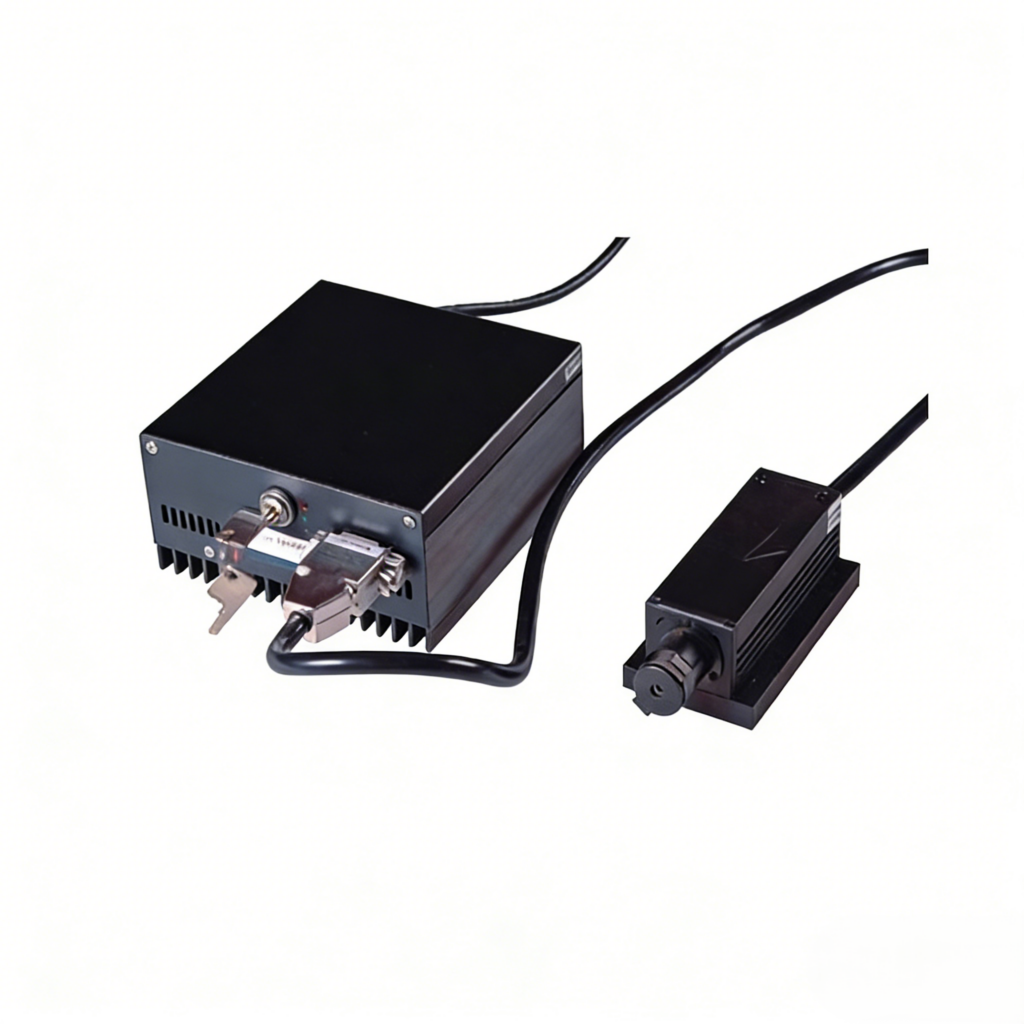
| 1 | Light Source | Helium-neon laser, 632.8nm, ≥1.5mW |
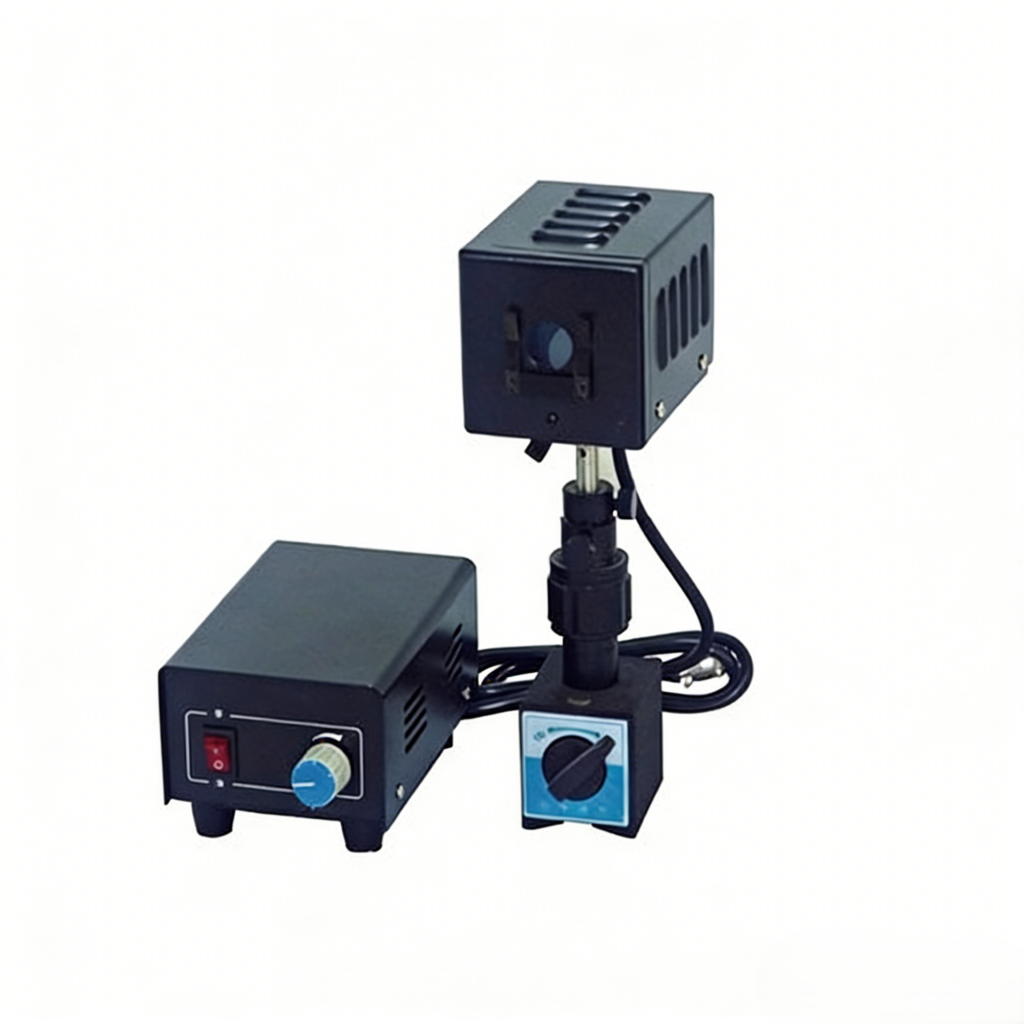
| 2 | Acousto-Optic Modulator | Equipped with a driving power supply |
| 3 | Lateral Scanning Mechanism | Precision: 0.01mm, Range: >100mm |
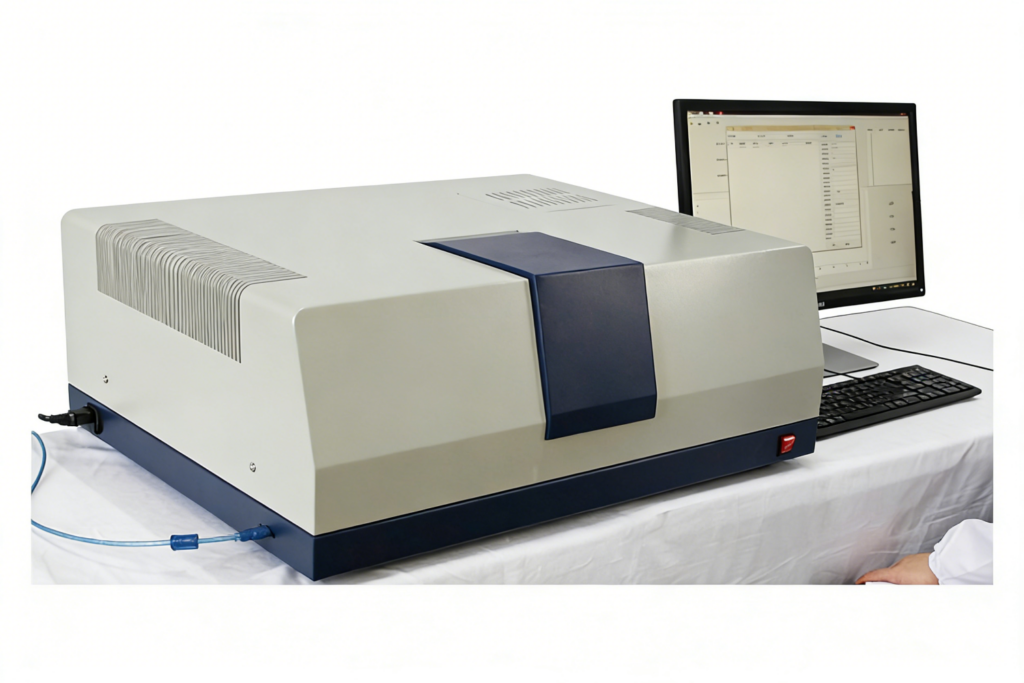
| 4 | Main Control Cabinet | With functions of signal output, energy reception, measurement, and display |
| 5 | Other Accessories | Guide rails, sliding seats, laser holder, white screen, etc. |
Notes
The above configurations and parameters are for reference only. The actual product shall be subject to the packing list. Minor changes may be made without prior notice.
If you’re interested, have any questions, or have specific customization requirements, please feel free to contact us at inquiry@atomfair.com.
What is the lateral scanning precision of the Atomfair AOE-739 and how does it affect diffraction angle measurement accuracy?
The lateral scanning mechanism has a precision of 0.01 mm and a range greater than 100 mm. This high positional accuracy enables the detector to be placed precisely for measuring Bragg diffraction angles with minimal error, which is critical for validating acousto-optic theory in experimental setups.
What are the alignment and infrastructure requirements for the AOE-739 to achieve reliable Bragg diffraction observations?
Reliable preparation requires a precision lateral scanning mechanism (0.01 mm step), guide rails, sliding seats, a laser holder, and a white screen. Stable optical table is recommended to minimize vibration; fine adjustments of the laser, acousto-optic modulator, and detector are essential to observe clear Bragg diffraction patterns and measure angles accurately.
How does the 632.8 nm helium-neon laser in the AOE-739 support acousto-optic experiments?
The use of a helium-neon laser at 632.8 nm with ≥1.5 mW output provides a visible red beam that makes diffraction orders directly observable, while the power level is sufficient for clear Bragg diffraction without damaging the acousto-optic modulator. This wavelength is standard for educational and research acousto-optic demonstrations.
The AOE-739 setup provides a complete benchtop platform for demonstrating acousto-optic interaction and Bragg diffraction, integrating a 632.8 nm helium-neon laser with a precision lateral scanning mechanism for quantitative measurement of diffraction angles and sound velocity in the medium.
Positive
- Integrated experimental platform: Combines a helium-neon laser source, acousto-optic modulator with driving power supply, and a main control cabinet for signal output and energy reception, enabling complete acousto-optic effect experiments in a single benchtop configuration.
- High-precision lateral scanning: The lateral scanning mechanism offers 0.01 mm precision with a range exceeding 100 mm, allowing accurate measurement of Bragg diffraction angles and supporting sound velocity calculations.
Trade-offs
- Requires stable optical alignment: Accurate Bragg diffraction measurements depend on precise alignment of the laser beam, ultrasonic field, and scanning mechanism, requiring careful setup and stable environmental conditions to avoid measurement errors.
- Specifications subject to change: The stated configurations and parameters are for reference only; the actual product may differ slightly, and minor changes can be made without prior notice, potentially affecting experimental reproducibility.
Every advanced material, component, equipment, and instrument in our catalog is backed by rigorous testing. We maintain strict internal quality management frameworks and align with CE conformity metrics to deliver transparent, reproducible performance data via our public open-science repository.
To request raw batch performance data, submit formal vendor registration paperwork, or execute a fast-turnaround R&D manufacturing loop, contact us at inquiry@atomfair.com.
Item is dispatched under the Atomfair Shipping & Delivery Framework (Free worldwide shipping on orders over $59 USD excl. heavy equipment). Return is governed by the Atomfair Return & Refund Policy (7-day technical return window).