|
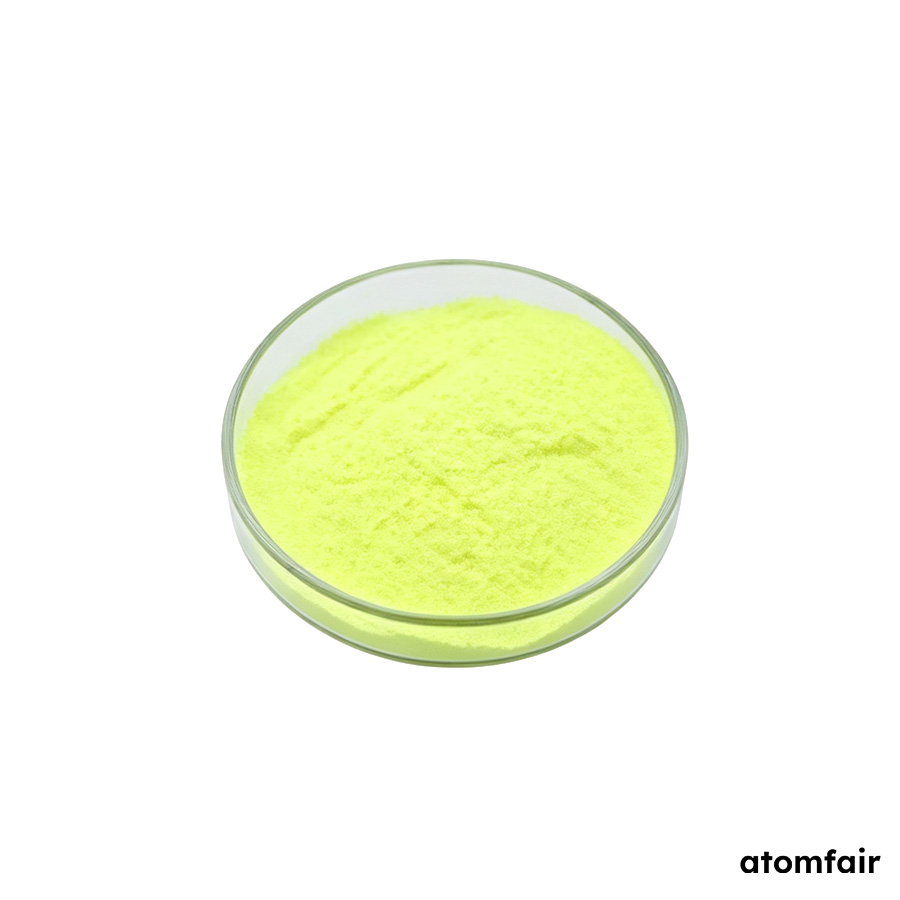
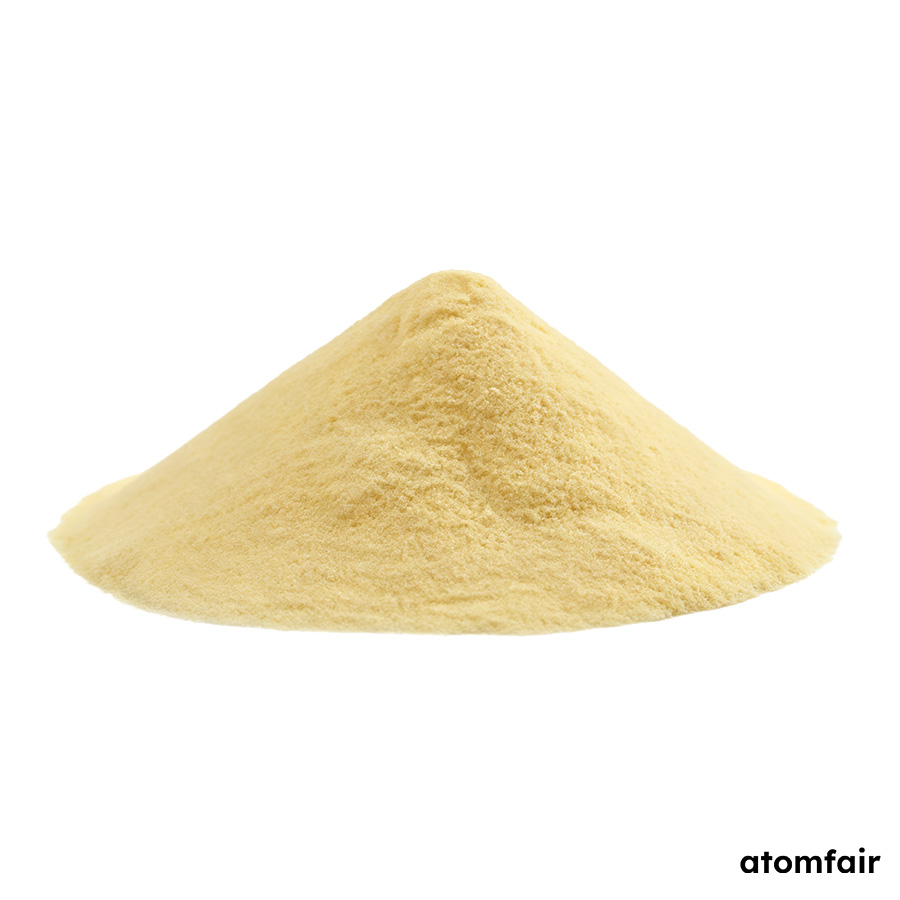
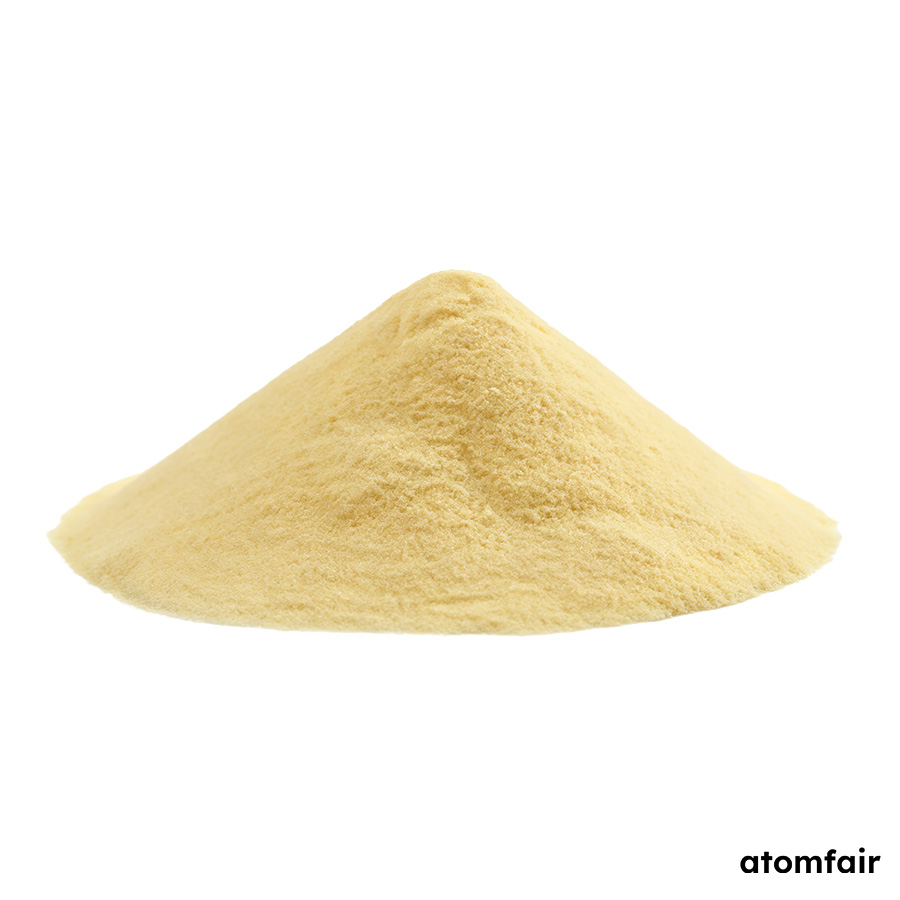
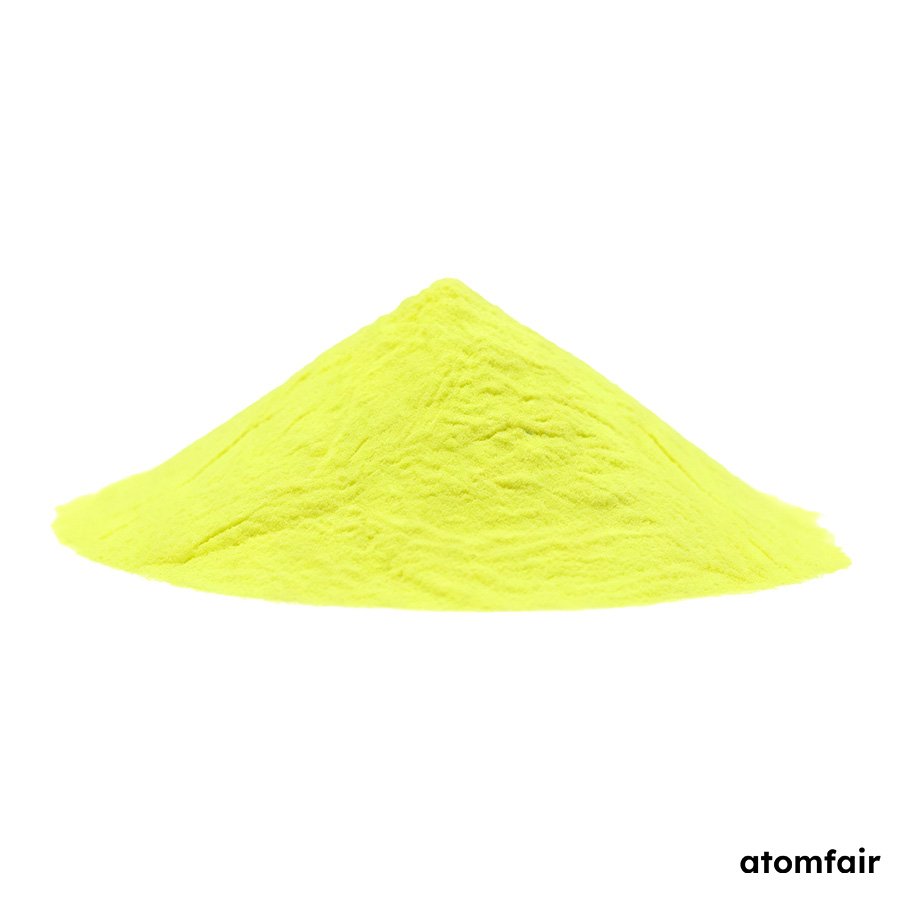
Silicate Yellow-Emitting Phosphor for LED Backlighting D50 20.9 ± 1.5µm
Research-grade luminescent powder
|
|||||||||||||||||||||||||||||
|
|||||||||||||||||||||||||||||
|
PHOSPHOR SELECTION AND QUOTATION SUPPORT
For model selection, particle-size confirmation and quotation support, contact our technical sales team.
E-MAIL: inquiry@atomfair.com
|
|||||||||||||||||||||||||||||
|
Manufacturer: Atomfair LLC
Brand: ATOMFAIR®
|
This phosphor powder is sensitive to moisture and light. Airborne dust must be minimized to prevent inhalation hazard.
- Moisture Sensitivity: Exposure to ambient humidity may degrade the phosphor's luminescent efficiency.
- Light Sensitivity: Prolonged exposure to direct light can cause photodegradation of the phosphor.
- Dust Control: Airborne dust from the powder poses an inhalation hazard and requires containment during transfer.
Store and transfer the phosphor under controlled conditions to maintain performance and safety. Use appropriate protective equipment and follow safety documentation.
Required Equipment: Laboratory protective equipment (gloves, safety glasses, lab coat)
- Store properly
Store the phosphor in a sealed, dry container protected from direct light. - Minimize dust
Transfer the phosphor using techniques that minimize airborne dust generation. - Wear PPE
Use suitable laboratory protective equipment during all handling procedures. - Review safety documentation
Review the applicable safety documentation before starting work with the phosphor.
How does the 96.2 nm FWHM of this silicate yellow phosphor affect color blending in LED backlighting compared to narrower-band phosphors?
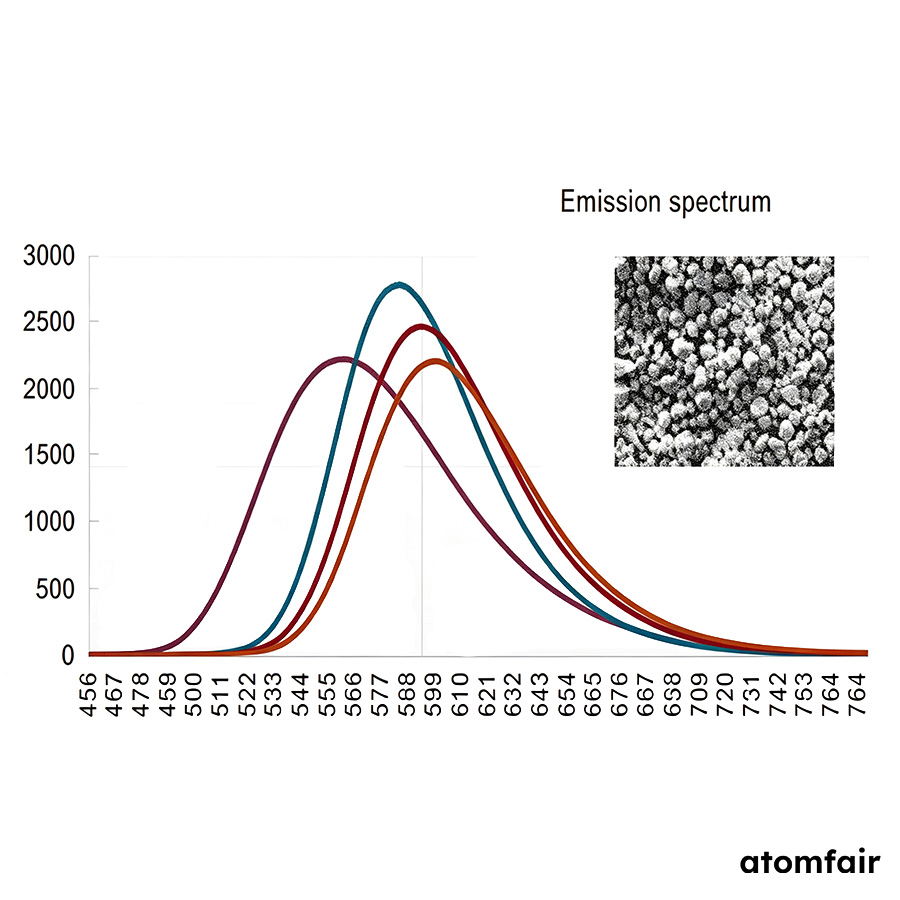
The broad 96.2 ± 0.5 nm full width at half maximum (FWHM) enables wide yellow wavelength conversion, which supports smoother color blending and more uniform white-light generation in LED backlighting. Narrower-band phosphors may produce sharper spectral peaks but can introduce color non-uniformity or require more complex mixing. This phosphor's FWHM is explicitly specified at 96.2 ± 0.5 nm with chromaticity coordinates of (0.462, 0.524), providing a defined trade-off between spectral breadth and color point control.
What are the critical handling and storage requirements for this silicate yellow-emitting phosphor to prevent degradation?
The phosphor must be kept sealed, dry, and protected from direct light to maintain its defined spectral and particle-size properties. During transfer, airborne dust should be minimized, and suitable laboratory protective equipment must be used. The product description explicitly states these handling requirements and advises reviewing applicable safety documentation before handling. Atomfair can also coordinate sealed, moisture-resistant packaging for transport.
Can this D50 20.9 µm silicate phosphor be directly integrated into existing LED backlight formulations without re-optimizing particle-size distribution?
The median particle size (D50) of 20.9 ± 1.5 µm is a specified parameter that supports formulation and processing selection, but integration compatibility depends on the existing formulation's particle-size tolerance and dispersion method. The silicate system is designed for LED backlighting with resistance to phosphor segregation and stable batch characteristics, which aids consistency. However, the product description does not state universal drop-in compatibility; users should confirm particle-size requirements with the technical sales team for model selection and quotation.
This silicate yellow-emitting phosphor (AF-SILY573-21) provides a peak emission at 573.3 ± 0.2 nm with a broad FWHM of 96.2 ± 0.5 nm and a controlled D50 particle size of 20.9 ± 1.5 µm, making it suitable for LED backlighting formulations requiring consistent chromaticity and resistance to phosphor segregation.
Positive
- Defined spectral output for backlighting: Peak emission at 573.3 ± 0.2 nm and dominant wavelength of 564.9 ± 1.0 nm provide reproducible yellow emission for LED backlight color blending.
- Controlled particle size distribution: Median particle size D50 of 20.9 ± 1.5 µm supports consistent formulation and processing, with resistance to phosphor segregation during manufacturing.
Trade-offs
- Moisture and light sensitivity: The phosphor must be kept sealed, dry, and protected from direct light to maintain performance, requiring careful storage and handling in laboratory environments.
- Dust control during handling: Airborne dust generation during transfer necessitates use of suitable protective equipment and adherence to safety documentation to minimize inhalation risks.
Every advanced material, component, equipment, and instrument in our catalog is backed by rigorous testing. We maintain strict internal quality management frameworks and align with CE conformity metrics to deliver transparent, reproducible performance data via our public open-science repository.
To request raw batch performance data, submit formal vendor registration paperwork, or execute a fast-turnaround R&D manufacturing loop, contact us at inquiry@atomfair.com.
Item is dispatched under the Atomfair Shipping & Delivery Framework (Free worldwide shipping on orders over $59 USD excl. heavy equipment). Return is governed by the Atomfair Return & Refund Policy (7-day technical return window).