|
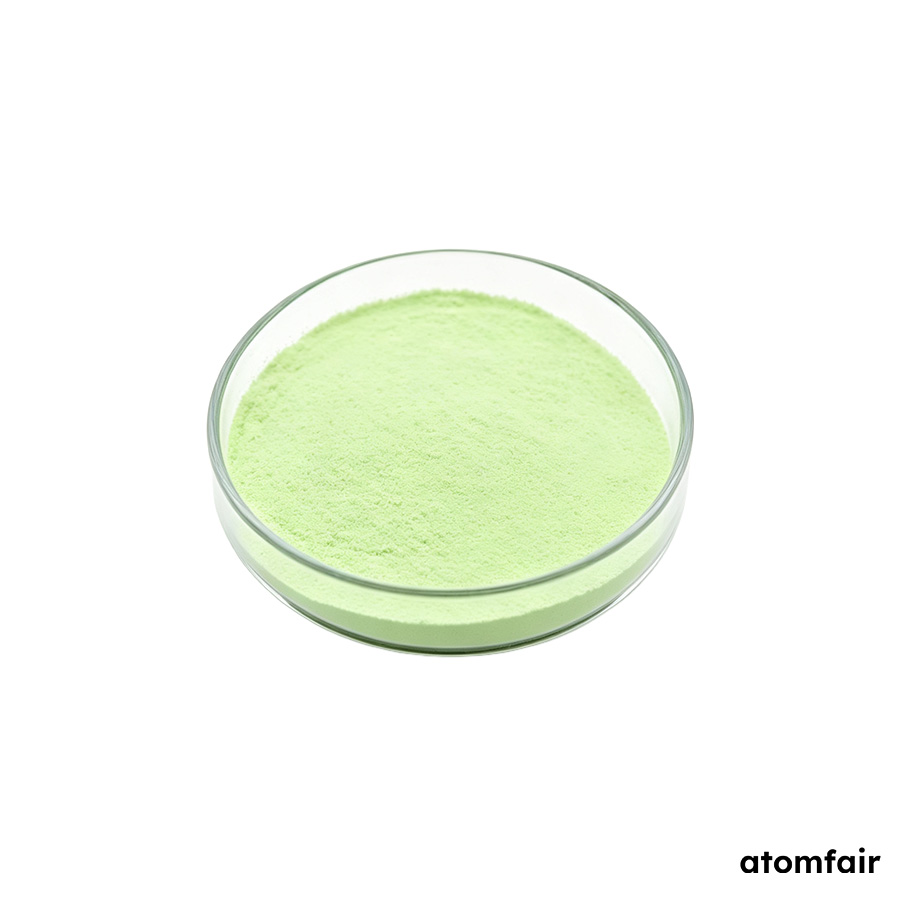
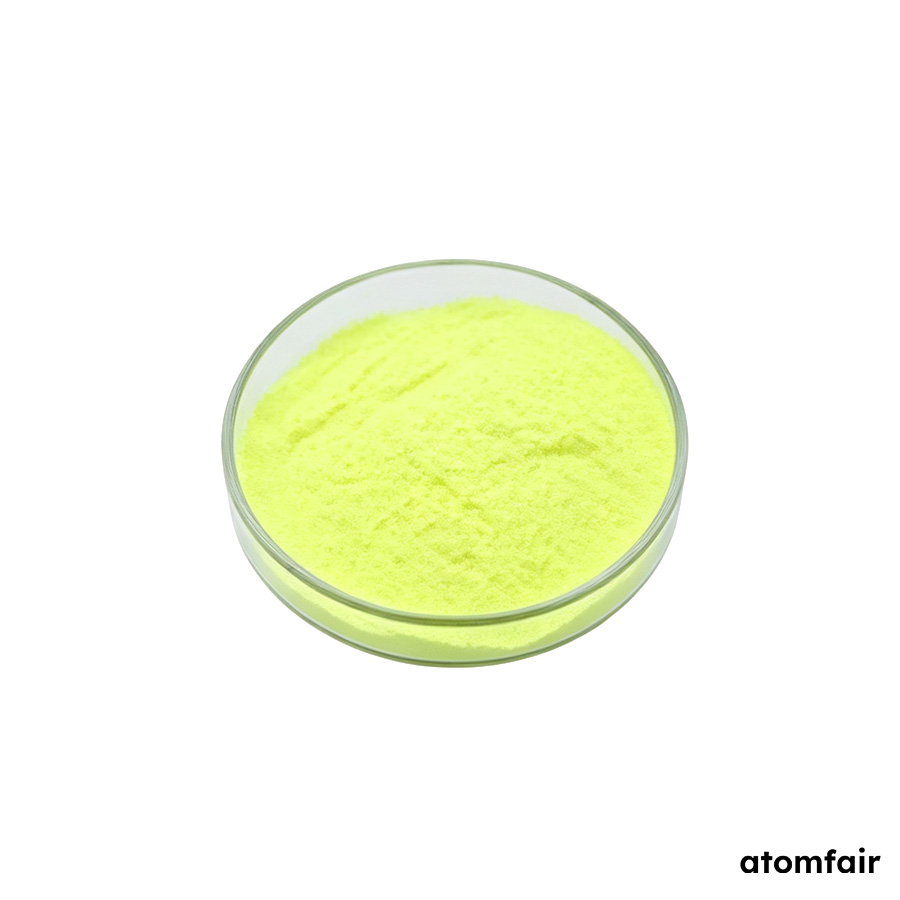
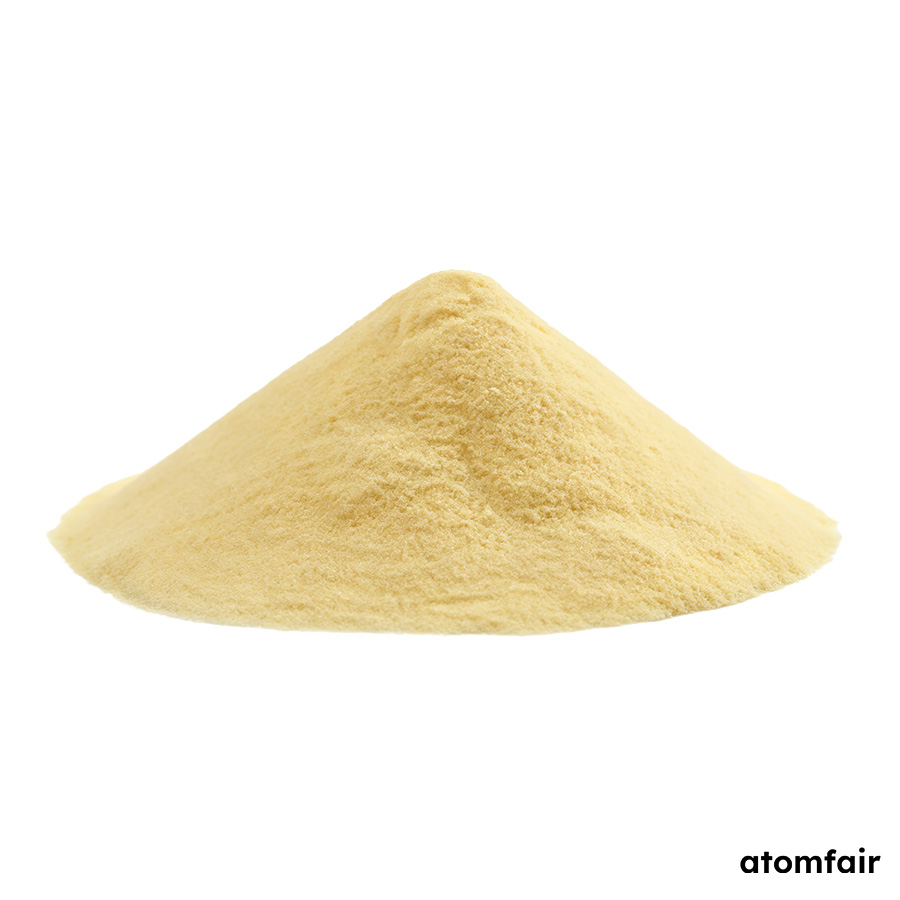
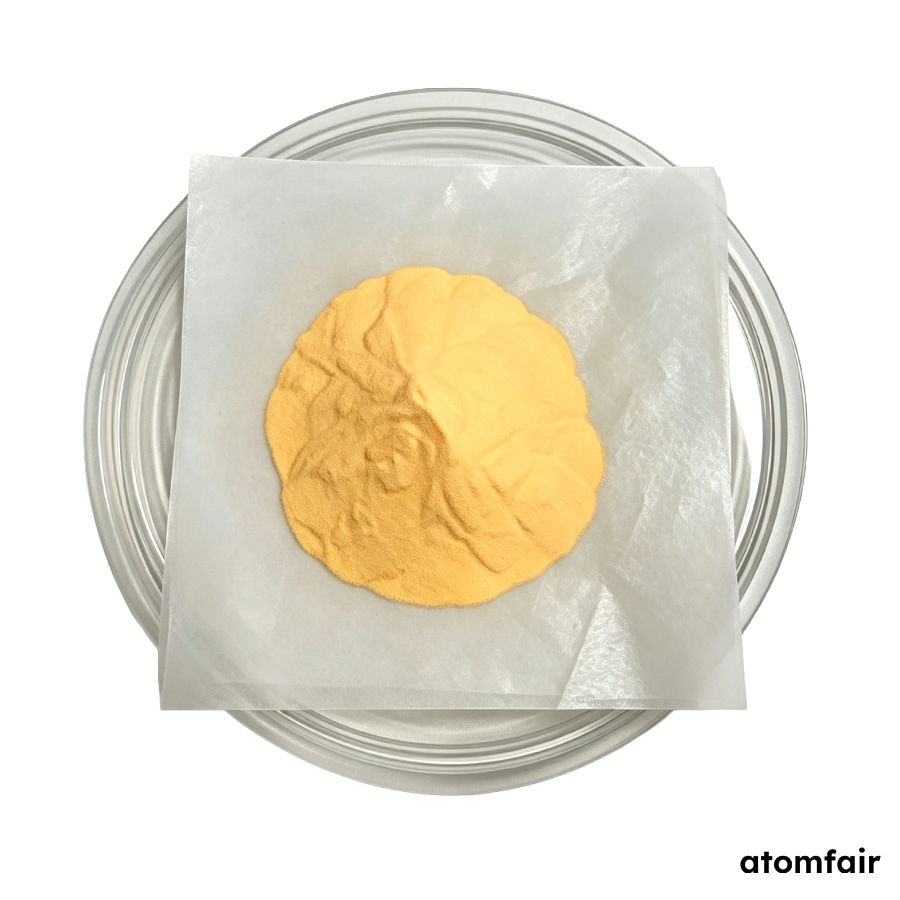
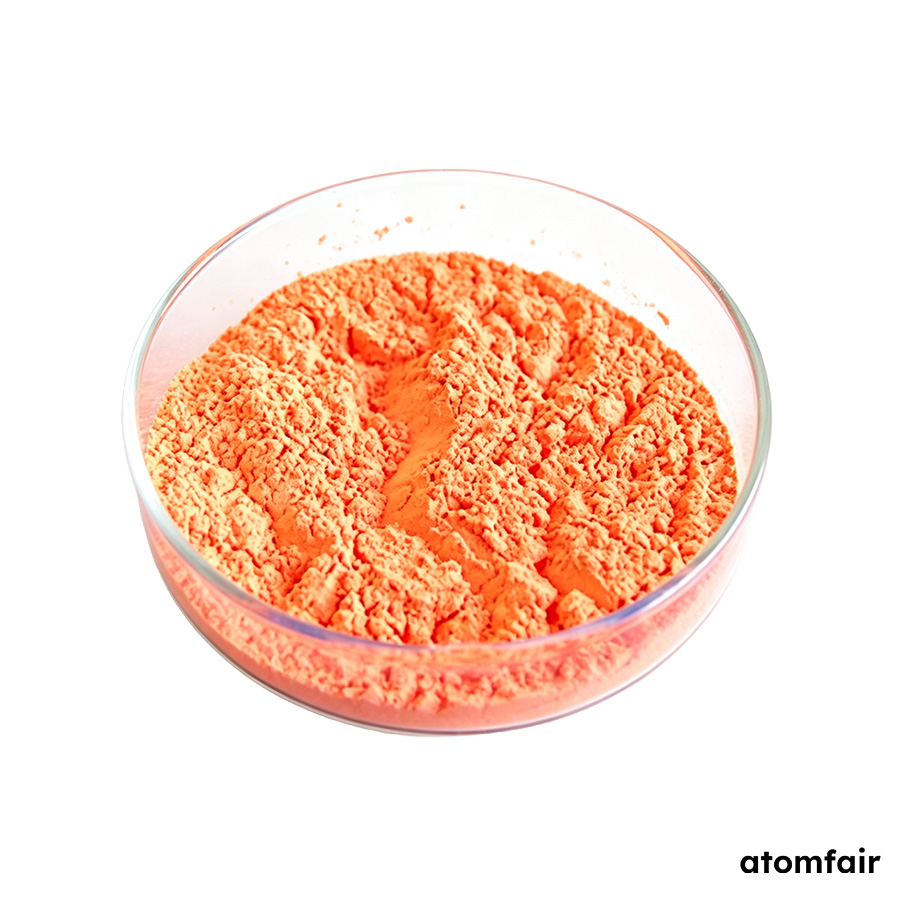
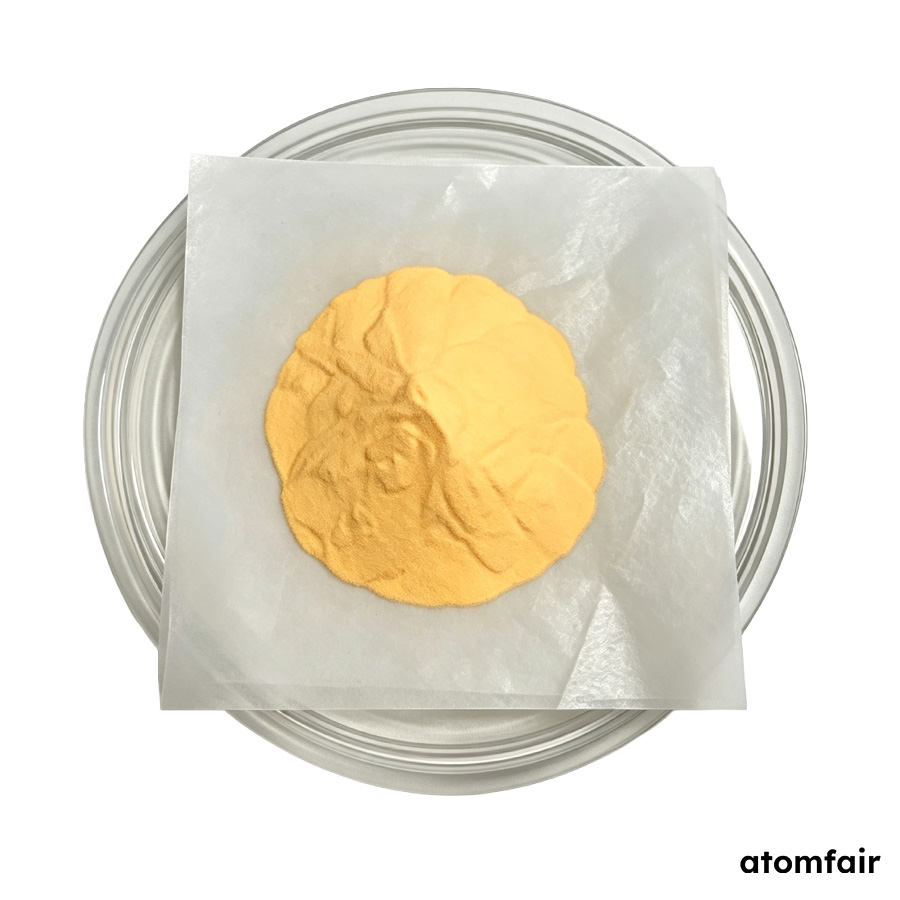
KSF Red-Emitting Phosphor for LED Backlighting D50 25–30µm
Research-grade luminescent powder
|
|||||||||||||||||||||||||||||||
|
|||||||||||||||||||||||||||||||
|
PHOSPHOR SELECTION AND QUOTATION SUPPORT
For model selection, particle-size confirmation and quotation support, contact our technical sales team.
E-MAIL: inquiry@atomfair.com
|
|||||||||||||||||||||||||||||||
|
Manufacturer: Atomfair LLC
Brand: ATOMFAIR®
|
This phosphor powder requires storage in sealed, dry conditions protected from direct light to prevent degradation. Particle size selection within the D50 range of 25–30 µm must match the intended conversion-layer processing method and optical architecture.
- Moisture Sensitivity: Exposure to moisture can degrade the phosphor's luminescent properties and must be avoided during storage and handling.
- Light Sensitivity: Prolonged exposure to direct light may reduce emission efficiency; protect the powder from light until encapsulation.
- Particle Size Constraint: The median particle size range of 25–30 µm must be compatible with the chosen phosphor formulation and conversion-layer deposition process.
- Dust Control: Airborne dust generation during transfer should be minimized to prevent contamination and ensure consistent layer quality.
- Processing Compatibility: Final device performance depends on matching the phosphor's spectral characteristics with the optical architecture and color target.
How does the 3.1 nm FWHM of the KSF red-emitting phosphor affect color gamut in LED backlighting compared to broader-band red phosphors?
The 3.1 nm full width at half maximum (FWHM) provides a tightly defined red emission band that enables saturated red color conversion and high-color-gamut display development. This narrow bandwidth minimizes spectral overlap with green and blue channels, supporting backlight color consistency and more precise color targeting than broader-band red phosphors. The peak emission at 630.9 nm and dominant wavelength at 620.2 nm further define the spectral position for this application.
What are the critical handling and storage requirements for K₂SiF₆:Mn⁴⁺ phosphor powder to prevent degradation?
The phosphor must be kept sealed, dry, and protected from direct light to prevent moisture-induced degradation and photo-induced changes. Minimize airborne dust during transfer, use suitable laboratory protective equipment, and review the applicable safety documentation before handling. Atomfair can coordinate sealed, moisture-resistant packaging according to the confirmed model, particle-size requirement, quantity, and transport conditions.
How does the D50 particle-size range of 25–30 µm influence phosphor formulation and conversion-layer processing for LED backlighting?
The median particle-size range (D50) of 25–30 µm enables selection according to phosphor formulation and conversion-layer processing requirements. This defined range supports specification-led formulation, allowing engineers to match particle size to the optical architecture, processing method, and device-level color target. Final selection should consider the required particle size alongside the optical architecture and processing method.
The KSF red-emitting phosphor (AF-KSFR631-2530) provides a narrow-band red emission with a FWHM of 3.1 nm and peak wavelength at 630.9 nm, enabling high-color-gamut LED backlighting. The median particle-size range of 25–30 µm allows selection based on formulation and processing requirements, but the material requires sealed, dry, and light-protected storage with careful handling to avoid moisture degradation and airborne dust exposure.
Positive
- Narrow-band red emission: The 3.1 nm FWHM provides a tightly defined red emission band, supporting saturated red color conversion and high-color-gamut display development.
- Selectable particle-size range: The D50 range of 25–30 µm enables specification-led phosphor formulation and conversion-layer processing according to optical architecture and device-level color targets.
Trade-offs
- Moisture and light sensitivity: The phosphor must be kept sealed, dry, and protected from direct light to maintain performance, requiring controlled storage conditions and moisture-resistant packaging.
- Dust exposure during handling: Airborne dust must be minimized during transfer, requiring suitable laboratory protective equipment and adherence to safety documentation to avoid inhalation risks.
Every advanced material, component, equipment, and instrument in our catalog is backed by rigorous testing. We maintain strict internal quality management frameworks and align with CE conformity metrics to deliver transparent, reproducible performance data via our public open-science repository.
To request raw batch performance data, submit formal vendor registration paperwork, or execute a fast-turnaround R&D manufacturing loop, contact us at inquiry@atomfair.com.
Item is dispatched under the Atomfair Shipping & Delivery Framework (Free worldwide shipping on orders over $59 USD excl. heavy equipment). Return is governed by the Atomfair Return & Refund Policy (7-day technical return window).