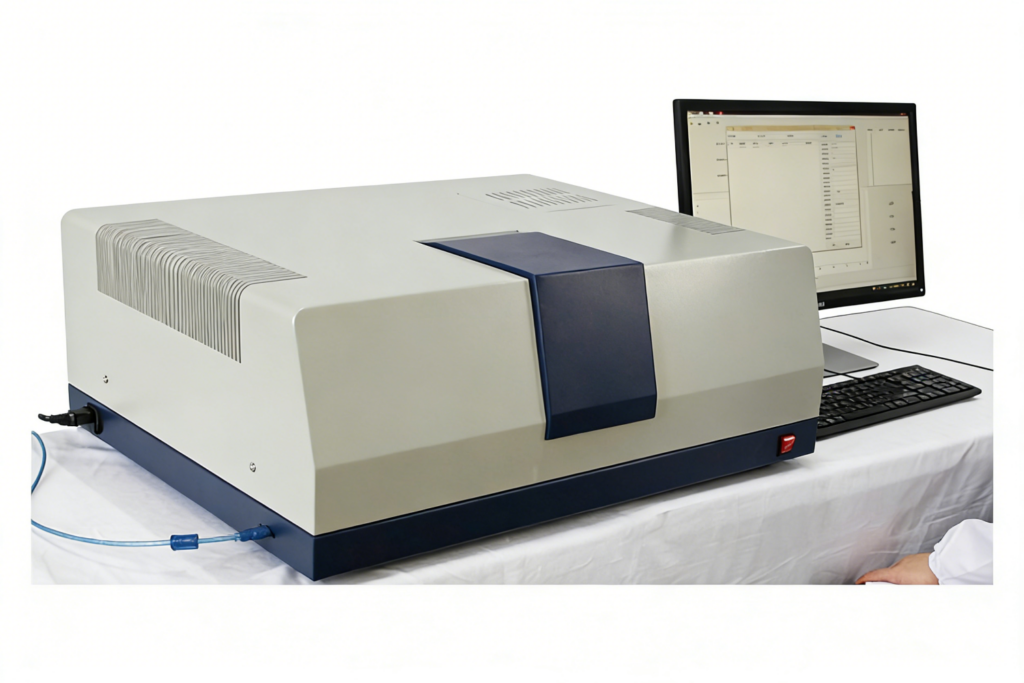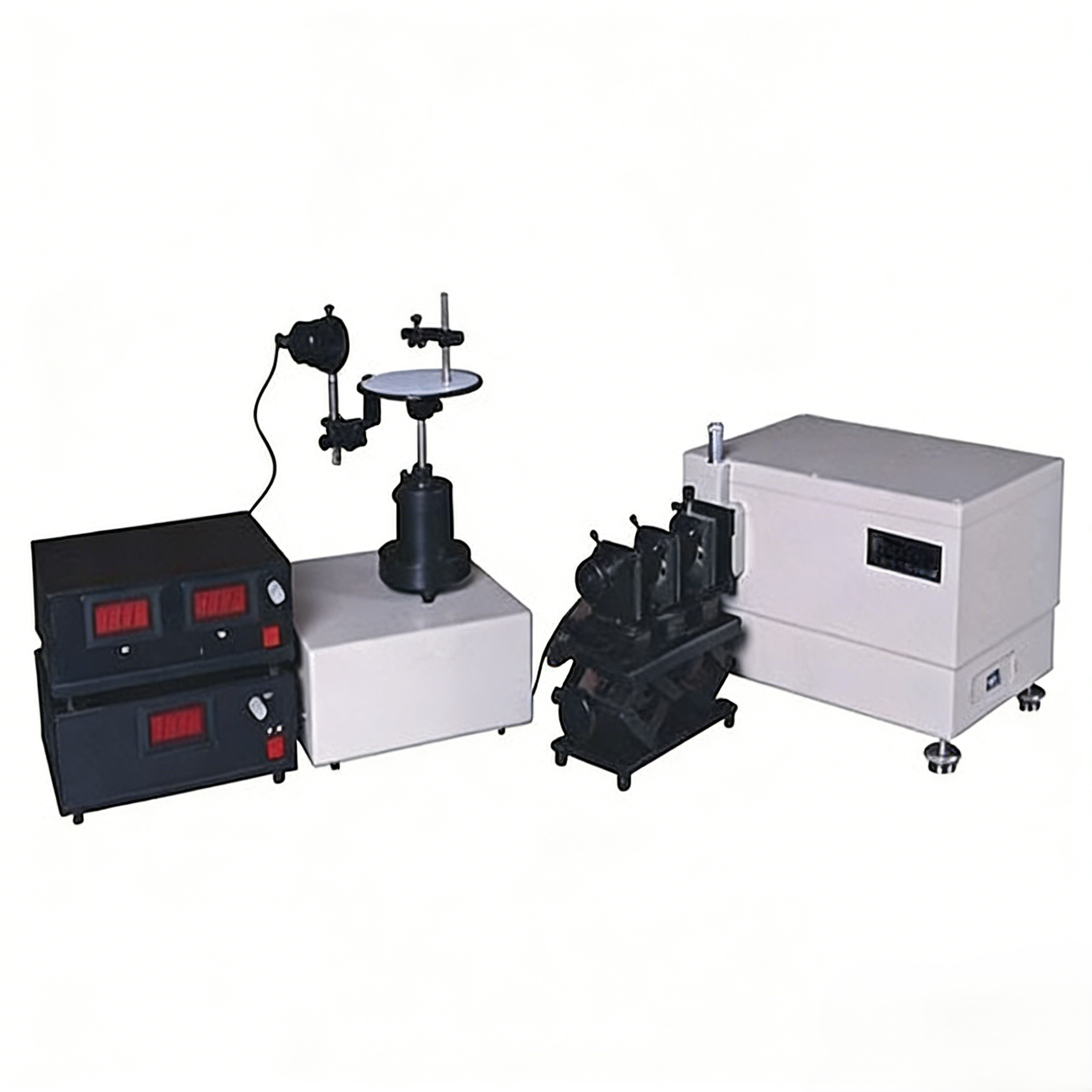
Atomfair-LaserLab-632 Semiconductor Laser Experiment System
Product Basic Information
Product Type: Optoelectronics and Laser Experimental Equipment
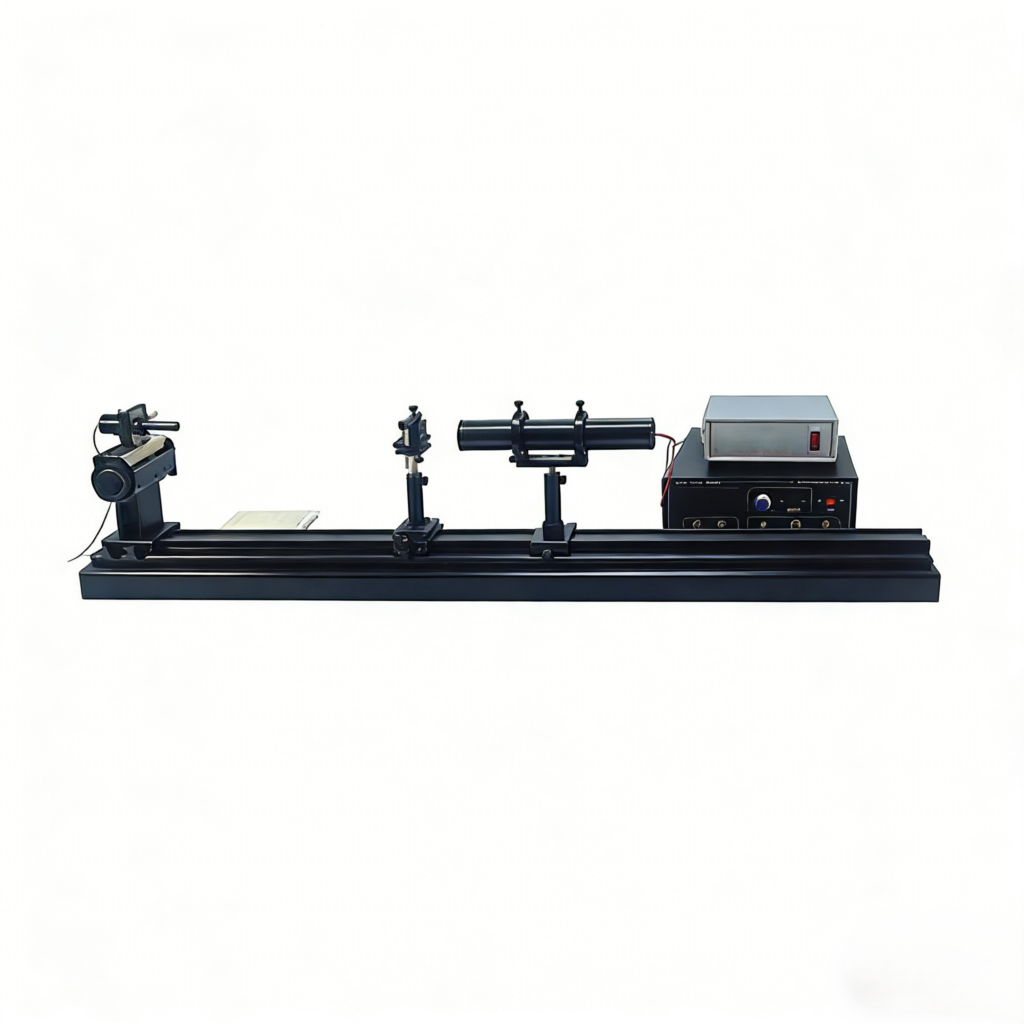
Core Purpose: Specifically designed for educational experimental scenarios, this system is used to observe and study the working characteristics and optical properties of semiconductor lasers. It helps users deeply understand the relevant principles of semiconductor lasers through hands-on operations and precise measurements.
Key Features
Intuitive Spectral Curve Observation: Utilize a CCD spectrometer (Optical Multi-Channel Analyzer) to directly observe the spectral curves of semiconductor lasers. It clearly presents the variation rules of spectral curves under different current and voltage conditions, enabling users to intuitively grasp the core characteristics of the laser.
Comprehensive Optical Parameter Measurement: Supports the measurement of key optical parameters of semiconductor lasers, such as divergence angle and polarization degree. This assists users in acquiring a comprehensive and systematic understanding of the optical properties of semiconductor lasers.
Detailed Configuration & International Standard Specifications
| No. | Configuration Name | International Standard Specifications |
|---|---|---|
| 1 | Optical Multi-Channel Analyzer | Wavelength range: 300-900nm; Wavelength accuracy: ±0.4nm; Wavelength repeatability: ≤0.2nm; Resolution: Better than 0.2nm; Relative aperture: D/F=1/7 |
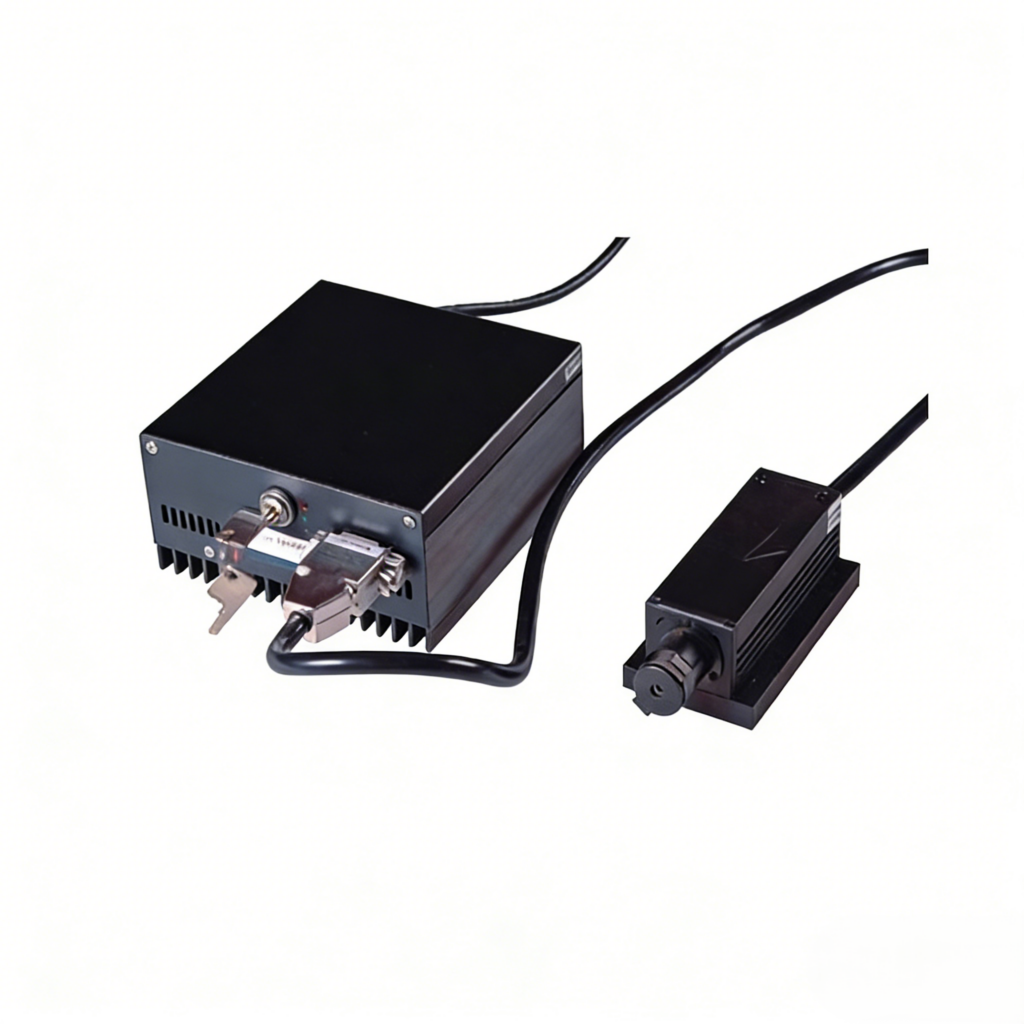
| 2 | Current-Adjustable Laser Power Supply | Output current: 0~40mA, continuously adjustable |
| 3 | Semiconductor Laser | Central wavelength: 650nm; Output power: <5mW |
| 4 | Holders | Circular laser holder, square laser holder |
| 5 | Polarization Rotation Mount | Adjustment range: 0~360°; Minimum scale: 1° |
| 6 | Rotating Stage | Adjustment range: 0~360°; Minimum scale: 1° |
| 7 | Multi-Functional Lifting Stage | Lifting range: >40mm |
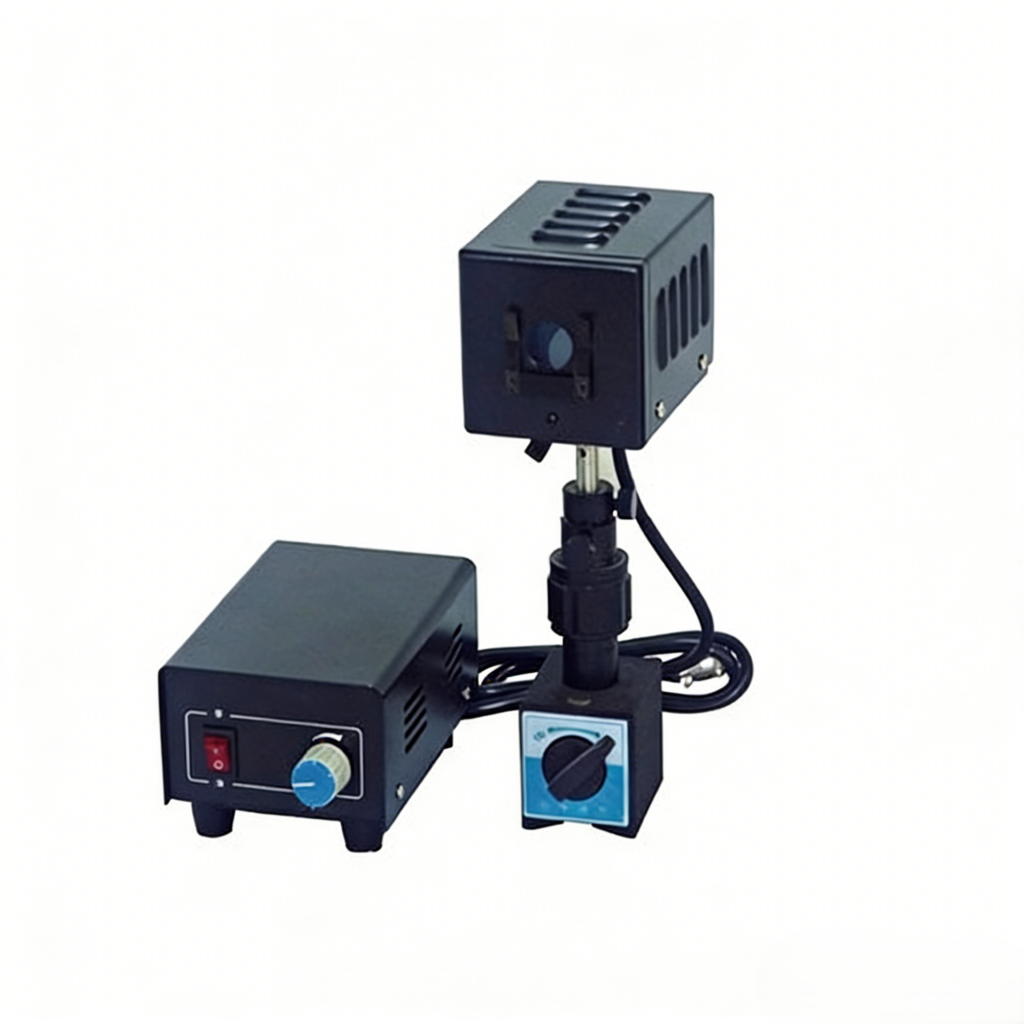
| 8 | Optical Power Tester | Power measurement range: 2mW, 20mW, 200mW, 2W, 20W, 200W (6 gears optional); 3.5-digit digital display |
| 9 | Focusing Lens | Focal length: f=15mm |
| 10 | Polarizing Plate | Light-transmitting aperture: 16mm; Applicable wavelength range: 400-700nm; Polarization degree: 99.98%; Transmittance: 30.0% (parallel state); 0.0045% (orthogonal state) |
| 11 | Attenuator | Light intensity transmittance: 5% |
| 12 | Auxiliary Adjustment Components | 4-axis adjustment mount, 2-axis adjustment mount, receiver adjustment mount, rotating stage base |
Experimental Function Description
By measuring the power, voltage, and current parameters of the semiconductor laser, users can deeply understand its working characteristics under continuous output mode.
With the assistance of the Optical Multi-Channel Analyzer, accurately observe the spectral changes of the semiconductor laser under different injection current conditions: when the injection current is lower than the threshold, fluorescence emission can be observed; when the injection current is higher than the threshold, the spectral line changes generated by laser oscillation can be detected.
If you’re interested, have any questions, or have specific customization requirements, please feel free to contact us at inquiry@atomfair.com.
The semiconductor laser emits visible radiation at 650nm with maximum output power below 5mW. Direct exposure to the laser beam can cause eye injury, and exceeding the 40mA current limit may damage the laser diode.
- Laser Eye Hazard: Avoid direct eye exposure to the beam and do not look into the emitting aperture.
- Laser Diode Current Limit: Do not set the laser power supply output current above 40mA to prevent diode damage.
This procedure guides users through the measurement of the laser's power-voltage-current characteristics and spectral behavior. It covers the observation of the fluorescence-to-lasing transition as injection current is varied.
Required Equipment: Optical Multi-Channel Analyzer (CCD Spectrometer), Current-Adjustable Laser Power Supply, Optical Power Tester
- Set up the laser system
Place the semiconductor laser in the holder, connect the laser power supply, and turn it on. - Connect the optical power tester
Position the optical power tester to capture the laser output and select the appropriate power measurement range (e.g., 2mW). - Measure power vs. current
Record the laser output power at several injection current values from low to high (below 40mA). - Connect the spectrometer
Place the fiber input of the Optical Multi-Channel Analyzer in front of the laser to acquire the spectrum. - Observe fluorescence emission
Set the injection current below the threshold and capture the broad fluorescence spectrum. - Observe laser oscillation
Increase the injection current above the threshold and record the narrowed laser spectral line.
What is the spectral resolution and wavelength accuracy of the Optical Multi-Channel Analyzer in the Atomfair-LaserLab-632 system?
The Optical Multi-Channel Analyzer (CCD spectrometer) in this system provides a spectral resolution better than 0.2nm, with a wavelength accuracy of ±0.4nm and repeatability ≤0.2nm, across a wavelength range of 300-900nm. This enables precise observation of the semiconductor laser's spectral curve changes under different injection currents, including the transition from fluorescence to laser oscillation.
How does the system support measuring the divergence angle and polarization degree of the semiconductor laser?
The system includes a polarization rotation mount (0-360°, minimum scale 1°) and a rotating stage (0-360°, minimum scale 1°) for precise angular measurements. The polarizing plate (aperture 16mm, polarization degree 99.98%, transmittance 30.0% parallel / 0.0045% orthogonal) enables polarization degree measurement, while the rotating stage and holders allow divergence angle characterization. These components together provide comprehensive optical parameter measurement capabilities.
What are the safety and operational requirements for using the 650nm semiconductor laser in an educational lab?
The semiconductor laser operates at a central wavelength of 650nm with output power <5mW, which is Class 3R laser product requiring eye protection. The system includes an attenuator (5% transmittance) and optical power tester (6 ranges up to 200W) for safe power measurement. Users must follow standard laser safety protocols, including avoiding direct eye exposure and using appropriate laser safety eyewear when aligning optics.
This educational semiconductor laser system integrates a 650nm laser diode with a CCD spectrometer and optical power meter to enable direct measurement of spectral, polarization, and divergence characteristics, making it suitable for hands-on photonics instruction.
Positive
- Integrated spectral analysis: The included CCD spectrometer (300-900nm, resolution <0.2nm) allows direct observation of laser spectral evolution with injection current, clearly distinguishing fluorescence from lasing action.
- Comprehensive optical characterization: The system supports measurement of divergence angle, polarization degree, and output power via the rotating stage, polarizer, and 6-range optical power meter, enabling full optoelectronic characterization.
Trade-offs
- Low-power laser limitation: The 650nm laser is limited to <5mW output, which is safe for education but insufficient for high-power or material interaction experiments.
- Manual alignment required: The system relies on manual adjustment mounts and stages, requiring careful optical alignment and stable lab setup to ensure accurate measurements.
Every advanced material, component, equipment, and instrument in our catalog is backed by rigorous testing. We maintain strict internal quality management frameworks and align with CE conformity metrics to deliver transparent, reproducible performance data via our public open-science repository.
To request raw batch performance data, submit formal vendor registration paperwork, or execute a fast-turnaround R&D manufacturing loop, contact us at inquiry@atomfair.com.
Item is dispatched under the Atomfair Shipping & Delivery Framework (Free worldwide shipping on orders over $59 USD excl. heavy equipment). Return is governed by the Atomfair Return & Refund Policy (7-day technical return window).