|
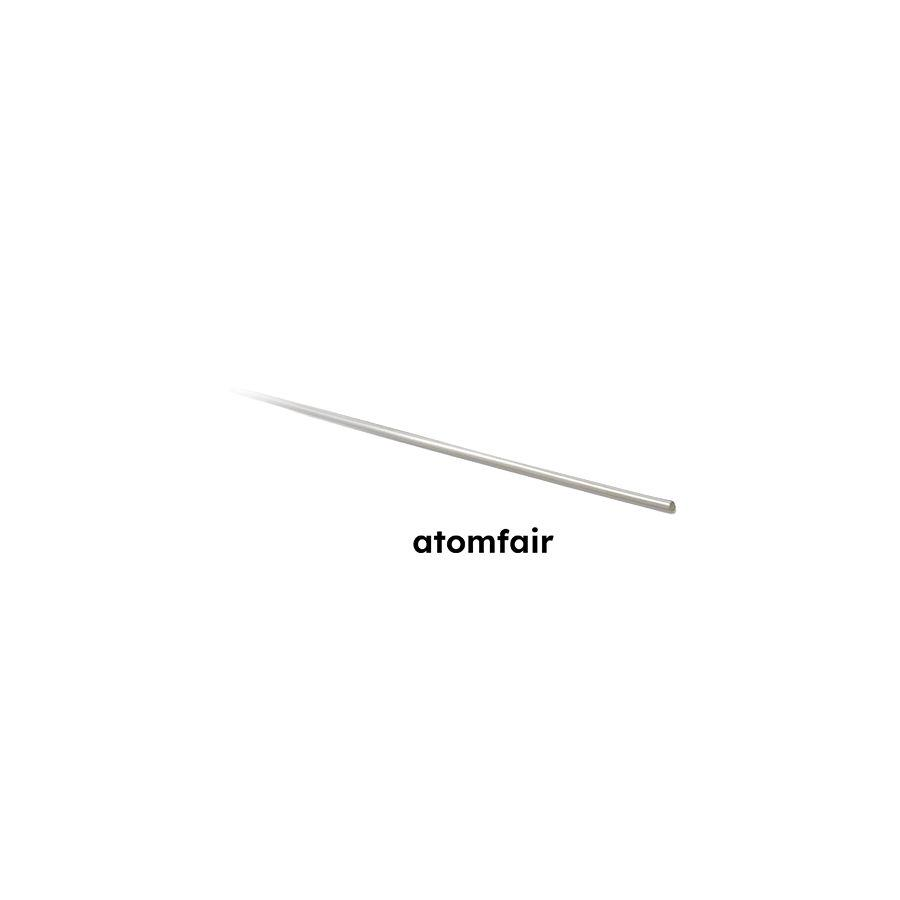
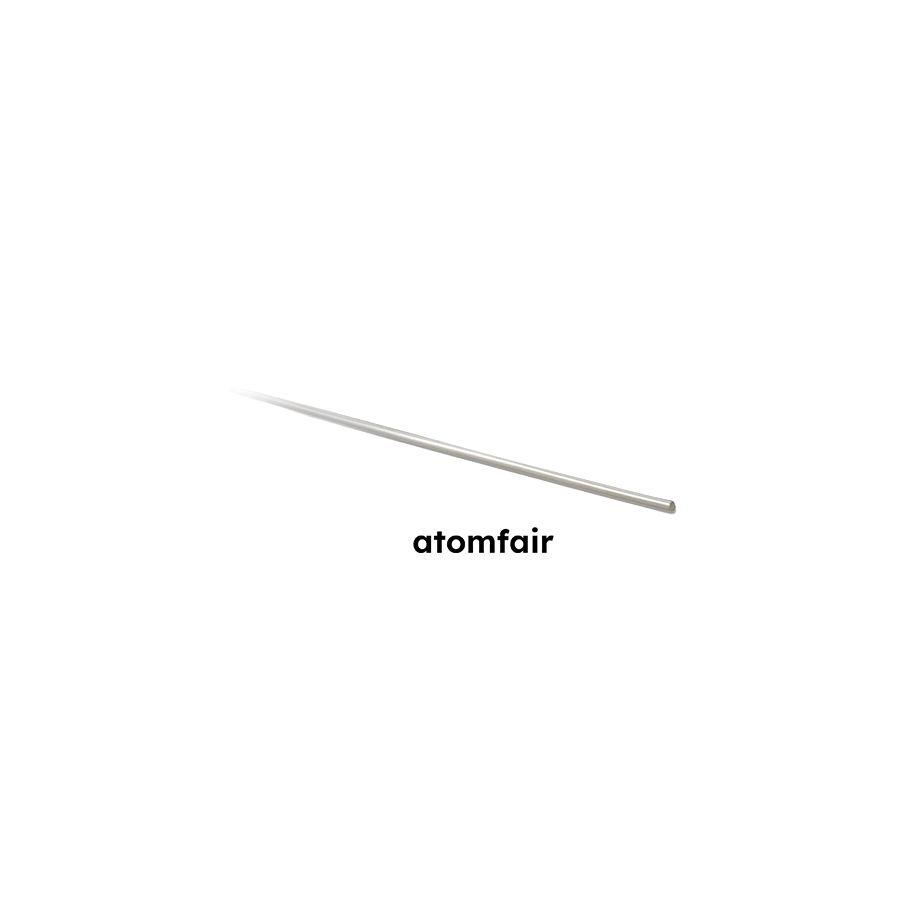
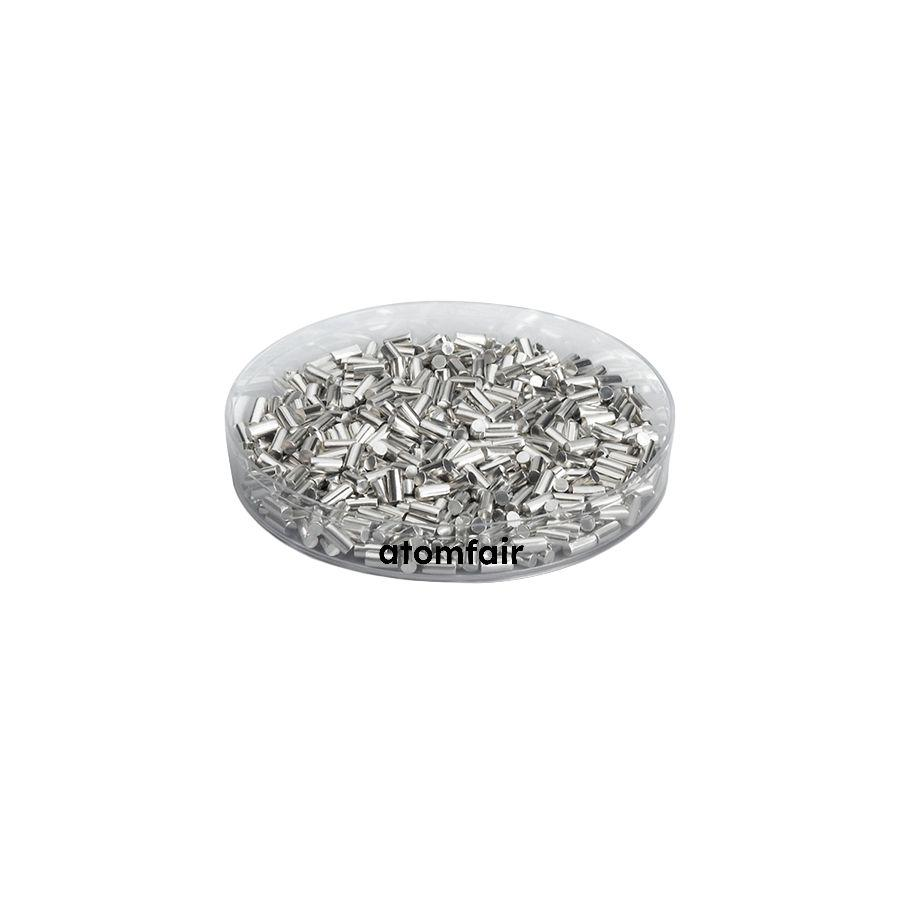
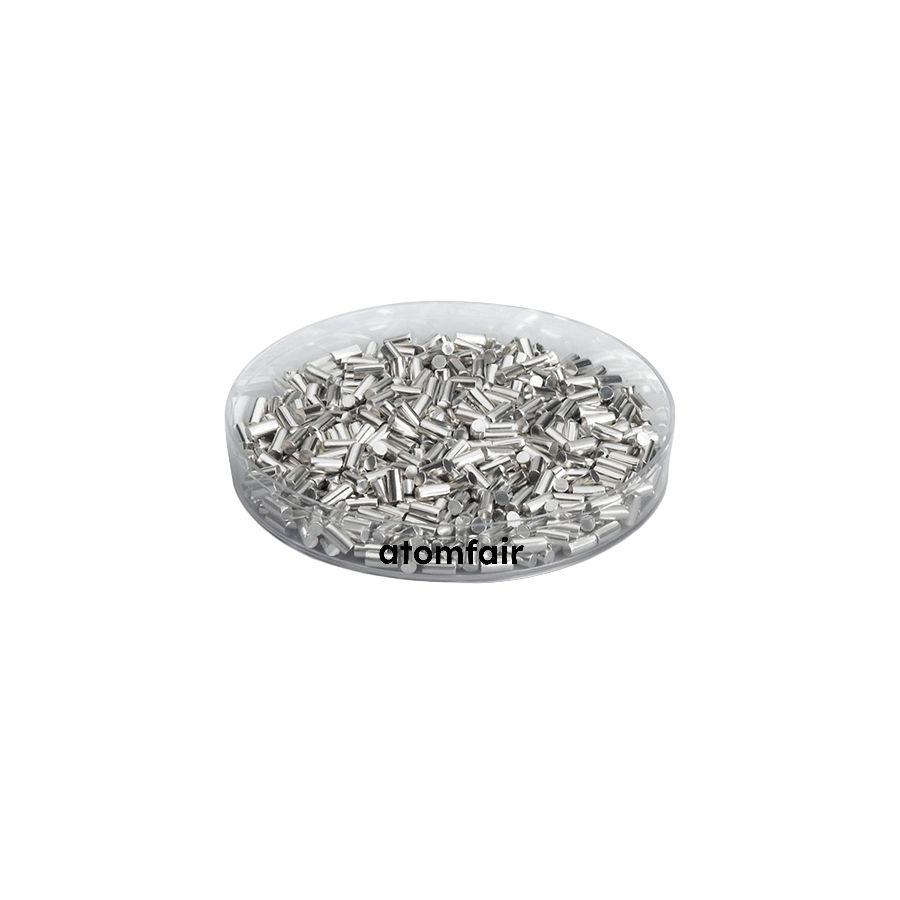
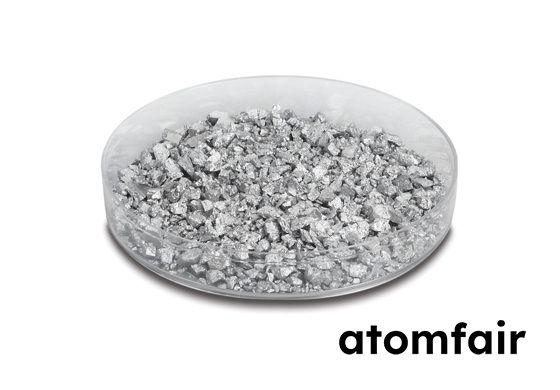
Scandium (Sc) Evaporation Material, Pieces, 99.9%, 1-10 mm
Product Type: Pure Metal Evaporation Material
Research-grade laboratory product
|
|||||||||||||||||||||||||||||||||||||||
|
|||||||||||||||||||||||||||||||||||||||
|
LABORATORY PROCUREMENT SUPPORT
For material selection, deposition-source matching, pack-size confirmation or quotation support, contact our technical sales team.
INQUIRY: inquiry@atomfair.com
|
|||||||||||||||||||||||||||||||||||||||
|
Manufacturer: Atomfair LLC
Brand: ATOMFAIR®
|
Scandium evaporation material must be used in a vacuum deposition system with a compatible evaporation source such as Ta/W boat, Ta liner, or water-cooled e-beam hearth. The material's high melting point (1541°C) and Z-ratio (0.91) necessitate careful matching of process parameters to source geometry.
- Source Compatibility: Verify that the evaporation source is compatible with scandium to avoid chemical reaction or mechanical failure.
What evaporation method is recommended for scandium (Sc) pieces with a melting point of 1,541°C and Z-ratio of 0.91?
Both e-beam and thermal/resistive evaporation are suitable for scandium pieces, but the method should be matched to deposition requirements. The product description specifies that the material can be used with E-beam or thermal/resistive evaporation by RFQ, using Ta/W boat, Ta liner, or water-cooled e-beam hearth with liner. The melting point of 1,541°C and Z-ratio of 0.91 indicate that e-beam evaporation is often preferred for consistent rate control, though thermal evaporation with appropriate refractory boats is also feasible.
What crucible or liner materials are compatible with scandium evaporation in vacuum deposition?
Compatible source materials include tantalum (Ta) or tungsten (W) boats, tantalum liners, or water-cooled e-beam hearths with liners. The product description explicitly states that the evaporation source should be Ta/W boat, Ta liner, or water-cooled e-beam hearth with liner, ensuring compatibility with molten scandium at its melting point of 1,541°C.
What parameters must be confirmed before ordering scandium evaporation material for laboratory use?
Buyers must confirm model (AF-SCPCS-3N110MM), purity (99.9%), form (pieces), size range (1-10 mm), pack size (25g, 100g, 500g, or 1kg), and deposition-source compatibility before quotation. The product description includes a procurement checklist requiring review of certificate, safety data sheet, shipment conditions, and export requirements against laboratory use needs.
This scandium evaporation material in 1-10 mm pieces offers 99.9% purity for thin-film deposition, but requires careful matching of evaporation source hardware and process parameters due to its high melting point and density.
Positive
- Defined material identity and purity: Scandium (Sc) at 99.9% purity provides clear procurement matching for deposition processes requiring a specific rare earth metal source.
- Specified piece size range: The 1-10 mm piece form facilitates loading into Ta/W boats, Ta liners, or water-cooled e-beam hearths, supporting standard evaporation workflows.
Trade-offs
- Deposition source compatibility verification: The material's melting point (1541°C) and density (2.99 g/cm³) require careful selection of evaporation source and process parameters, adding pre-procurement engineering effort as noted in the application matching guidance.
Every advanced material, component, equipment, and instrument in our catalog is backed by rigorous testing. We maintain strict internal quality management frameworks and align with CE conformity metrics to deliver transparent, reproducible performance data via our public open-science repository.
To request raw batch performance data, submit formal vendor registration paperwork, or execute a fast-turnaround R&D manufacturing loop, contact us at inquiry@atomfair.com.
Item is dispatched under the Atomfair Shipping & Delivery Framework (Free worldwide shipping on orders over $59 USD excl. heavy equipment). Return is governed by the Atomfair Return & Refund Policy (7-day technical return window).