|
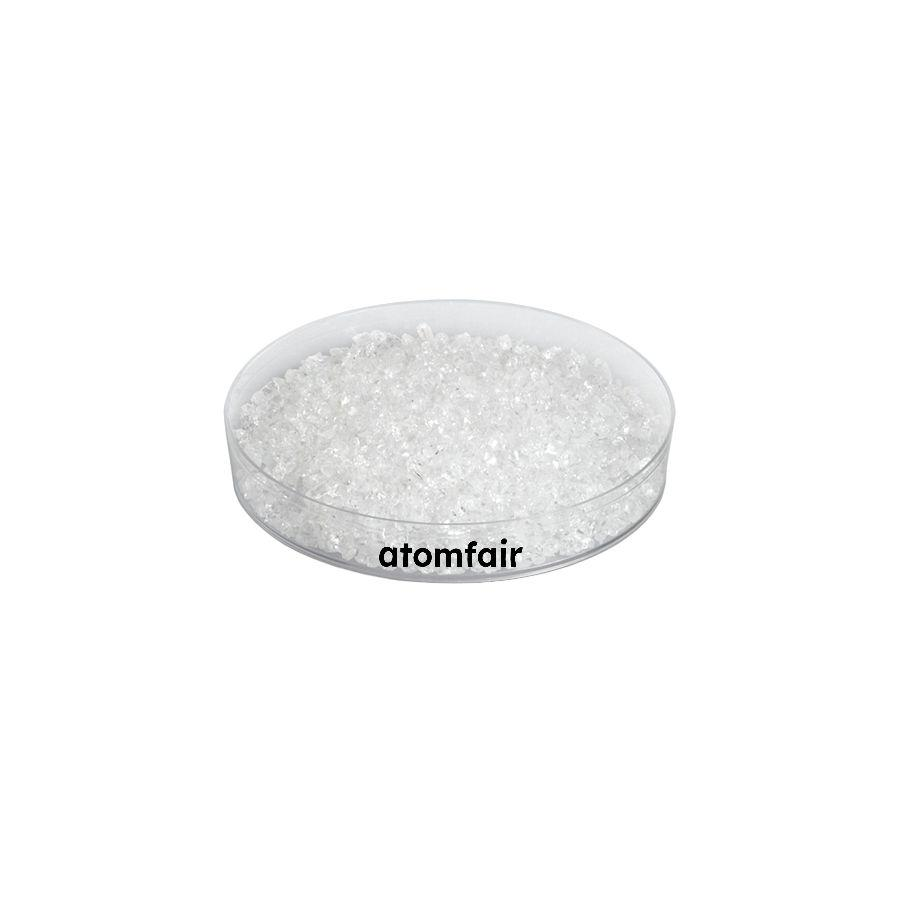
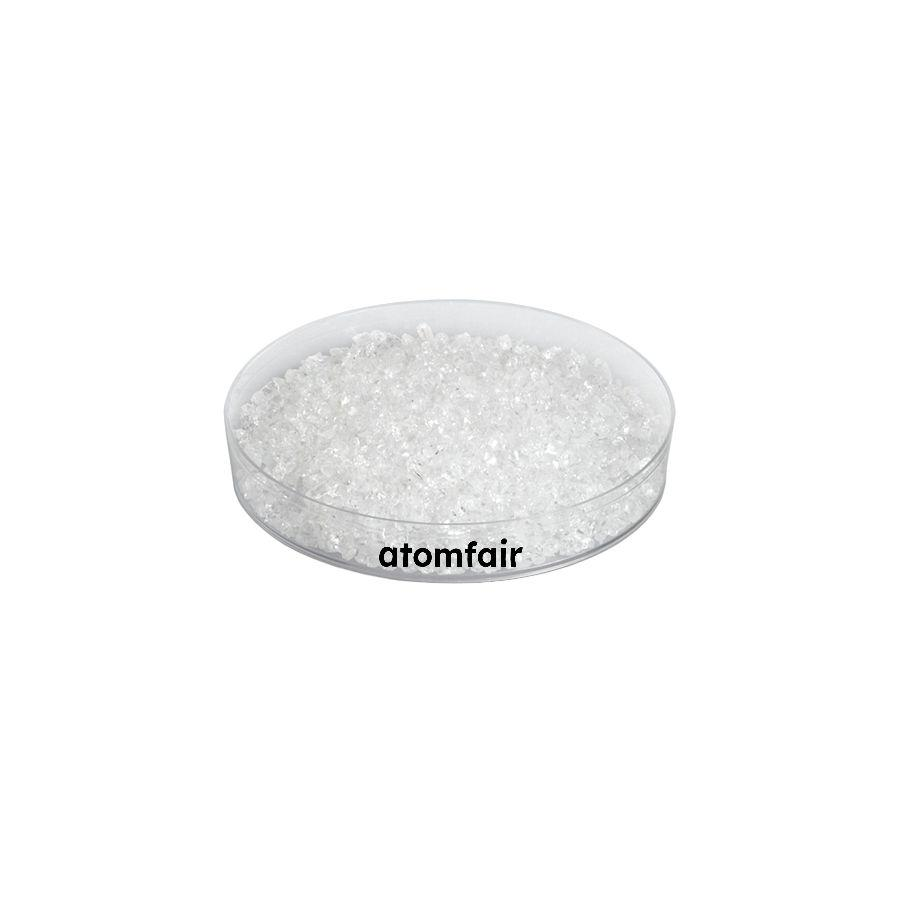
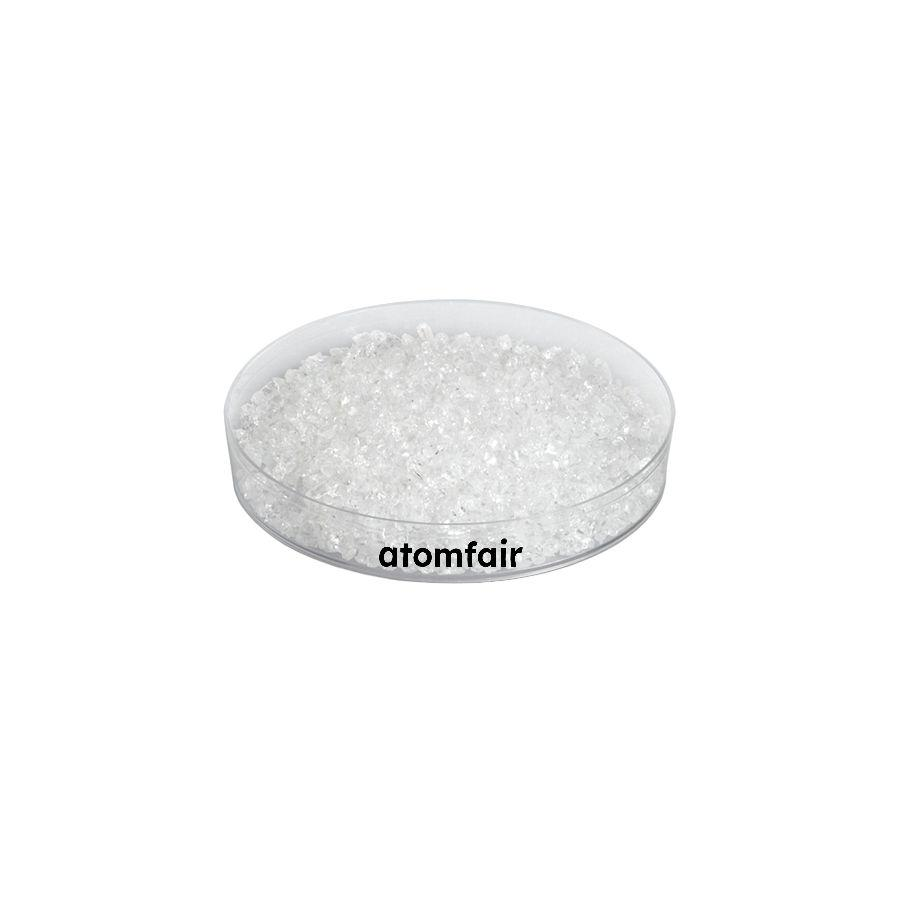
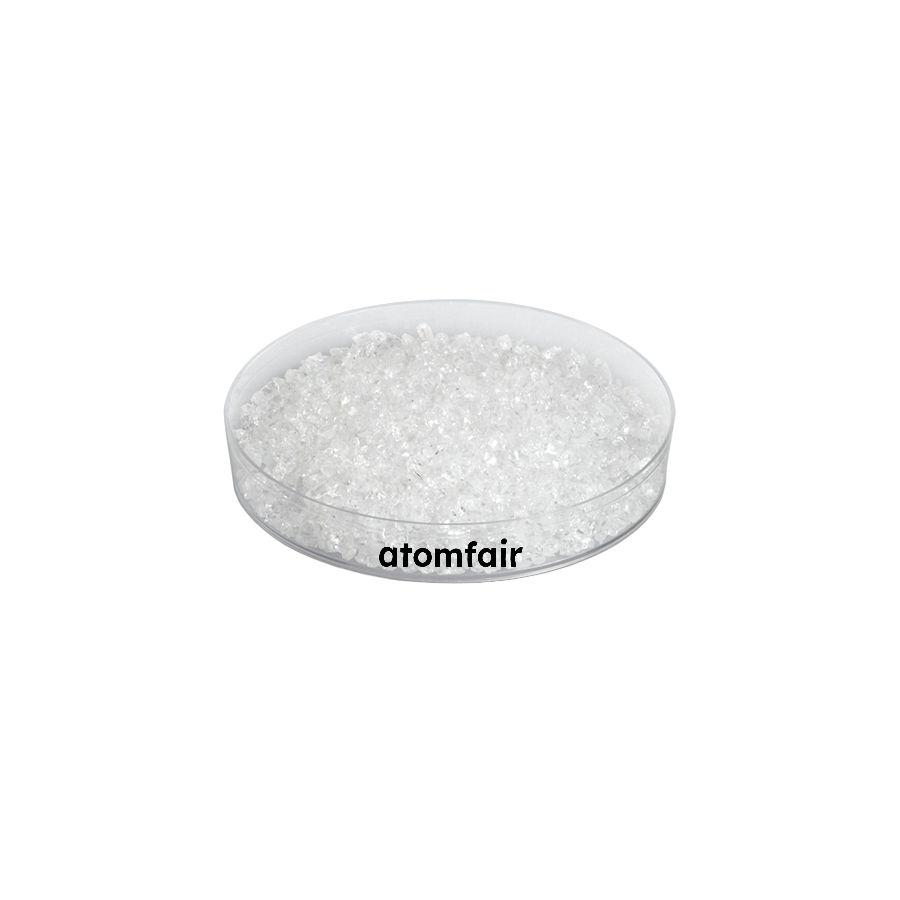
Rubidium Chloride (RbCl) Evaporation Material, Pieces, 99.9%, 1-3 mm
Product Type: Compound Evaporation Material
Research-grade laboratory product
|
|||||||||||||||||||||||||||||||||||||
|
|||||||||||||||||||||||||||||||||||||
|
LABORATORY PROCUREMENT SUPPORT
For material selection, deposition-source matching, pack-size confirmation or quotation support, contact our technical sales team.
INQUIRY: inquiry@atomfair.com
|
|||||||||||||||||||||||||||||||||||||
|
Manufacturer: Atomfair LLC
Brand: ATOMFAIR®
|
This material requires moisture-controlled handling to prevent degradation during storage and deposition. Deposition source compatibility must be verified with the specified evaporation method and boat or crucible materials.
- Moisture Handling: Moisture-controlled environment is necessary to maintain material integrity prior to deposition.
- Evaporation Method Compatibility: Thermal/resistive evaporation is preferred; e-beam evaporation is available only by RFQ due to material behavior.
- Boat and Crucible Materials: Use W/Mo/Ta boat or graphite/alumina crucible to match the melting point of 718°C.
- Deposition Source Geometry: Confirm deposition source geometry to ensure proper loading and evaporation uniformity.
- Particle Size Consideration: The 1-3 mm piece size must be considered for source loading and evaporation rate control.
What is the recommended evaporation method for Rubidium Chloride (RbCl) pieces, and why is e-beam only available by RFQ?
Thermal/resistive evaporation is preferred for RbCl pieces using a W/Mo/Ta boat or graphite/alumina crucible. E-beam evaporation is available only by RFQ because the material's moisture sensitivity and potential decomposition under high-energy electron bombardment require case-by-case evaluation. The melting point of 718°C and density of 2.09 g/cm³ make thermal evaporation a reliable default method.
What moisture handling requirements apply to RbCl evaporation material, and how does humidity affect deposition quality?
RbCl requires moisture-controlled handling because the compound is hygroscopic; ambient moisture absorption can cause spitting, film contamination, and poor adhesion during vacuum deposition. The product specification explicitly mandates moisture-controlled handling, and buyers should store the material in a sealed, dry environment and minimize air exposure.
What safety and storage precautions are necessary when handling Rubidium Chloride (RbCl) pieces for vacuum deposition?
Due to its hygroscopic nature, RbCl should be stored in a tightly sealed container in a dry, low-humidity environment. Standard laboratory safety practices apply: wear gloves and eye protection, and review the safety data sheet available upon request. The 1–3 mm piece form reduces dust generation, but ventilation is recommended if any fine particles are present.
Rubidium Chloride (RbCl) evaporation material in 1-3 mm pieces at 99.9% purity is suited for thermal resistive evaporation using W/Mo/Ta boats or graphite/alumina crucibles, with e-beam available by RFQ. The specified form and size facilitate controlled source loading, but the material's hygroscopic nature requires moisture-controlled handling to prevent degradation during storage and deposition.
Positive
- Defined purity and form: 99.9% purity and 1-3 mm piece size enable consistent evaporation behavior and straightforward source loading for thin-film deposition.
- Flexible deposition compatibility: Supports thermal resistive evaporation as primary method, with e-beam available by RFQ, accommodating common lab hardware configurations.
Trade-offs
- Moisture-sensitive handling required: Moisture-controlled handling is specified, indicating hygroscopic behavior that necessitates inert atmosphere storage and rapid transfer to deposition chambers to avoid hydrolysis.
- Source material compatibility check needed: Evaporation source (boat or crucible material) must be matched to RbCl's chemical reactivity at high temperature, requiring pre-qualification to avoid contamination or hardware damage.
Every advanced material, component, equipment, and instrument in our catalog is backed by rigorous testing. We maintain strict internal quality management frameworks and align with CE conformity metrics to deliver transparent, reproducible performance data via our public open-science repository.
To request raw batch performance data, submit formal vendor registration paperwork, or execute a fast-turnaround R&D manufacturing loop, contact us at inquiry@atomfair.com.
Item is dispatched under the Atomfair Shipping & Delivery Framework (Free worldwide shipping on orders over $59 USD excl. heavy equipment). Return is governed by the Atomfair Return & Refund Policy (7-day technical return window).