In-situ Raman Pressure Three-Electrode Battery Test CellProduct Type: In-situ battery test cell
Research-grade laboratory product
|
|||||||||||||||||||||
|
|||||||||||||||||||||
|
LABORATORY PROCUREMENT SUPPORT
For model selection, technical compatibility or configuration confirmation, contact our technical sales team.
E-MAIL: inquiry@atomfair.com
|
|||||||||||||||||||||
|
Manufacturer: Atomfair LLC LLC
Brand: ATOMFAIR®
|
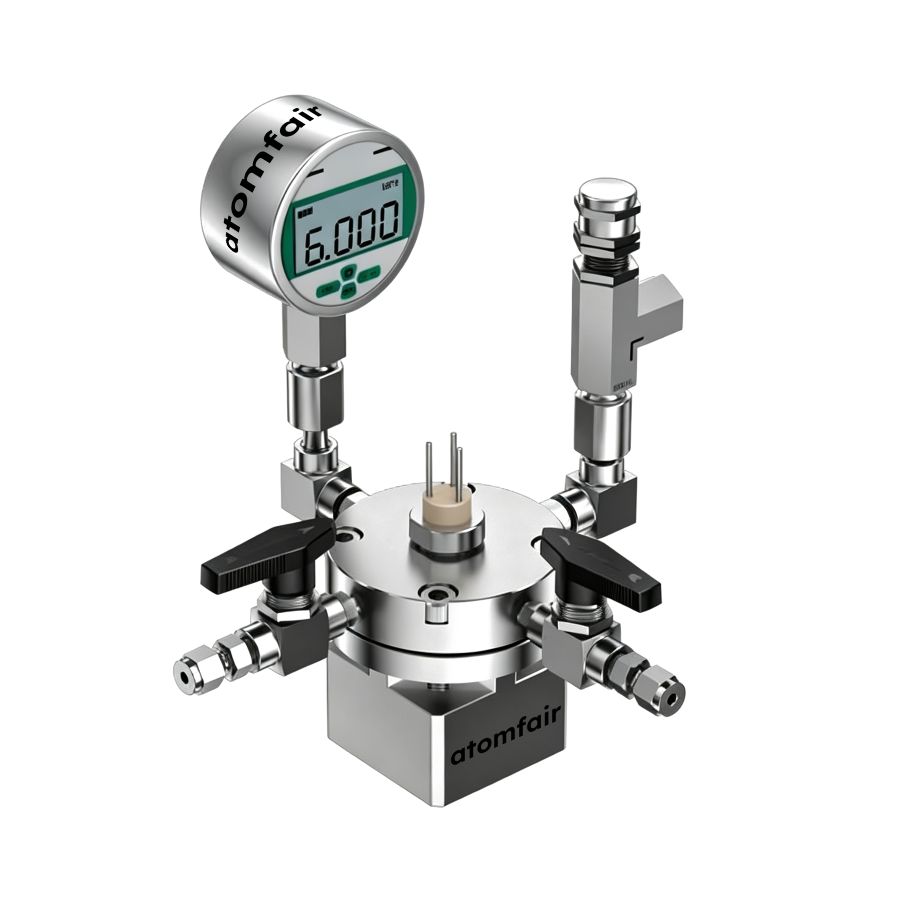
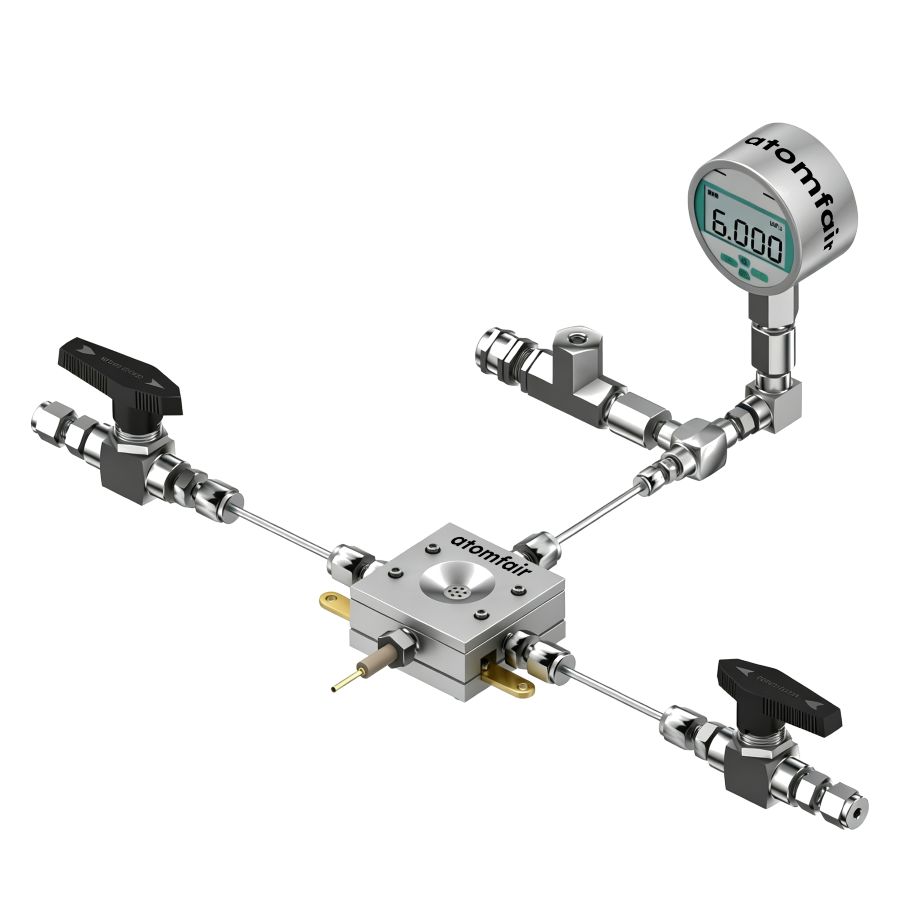
The cell supports high-pressure electrochemical Raman experiments up to 6 MPa. Proper sealing and pressure monitoring are required to prevent leakage and electrode damage.
- Pressure containment: Verify cell seals and pressure rating before each experiment.
- Optical window cleanliness: Ensure the 8 mm window is free from contamination to maintain Raman signal quality.
- Electrode alignment: Maintain working electrode to window distance below 2 mm for optimal focus.
- Electrolyte compatibility: Use only electrolytes compatible with cell materials to avoid corrosion.
- Pressure monitoring: Do not exceed 6 MPa; use a pressure relief valve if available.
Assemble the cell with the working electrode and electrolyte, then connect the pressure system. Gradually pressurize to the desired value while monitoring for leaks.
Required Equipment: Pressure source, Torque wrench, Syringe for electrolyte, Potentiostat
- Inspect seals
Inspect all O-rings and sealing surfaces for debris or damage before assembly. - Insert working electrode
Insert the working electrode into the cell body, ensuring the distance to the window is less than 2 mm. - Fill electrolyte
Fill the cell with the desired electrolyte using a syringe, avoiding air bubbles. - Seal the cell
Close the cell and tighten the fasteners evenly to achieve a leak-free seal. - Connect pressure system
Connect the pressure system to the cell inlet and gradually increase pressure to the target value. - Verify pressure limit
Confirm the cell pressure does not exceed the 6 MPa maximum rating. - Connect potentiostat
Connect the potentiostat leads and begin the Raman experiment.
What is the trade-off between the 6 MPa pressure rating and the working electrode-to-window distance of less than 2 mm for Raman signal collection?
The AF-BAT-PRM3 is designed to support high-pressure electrochemical Raman experiments up to 6 MPa while maintaining a working electrode-to-window distance of less than 2 mm. This close distance is necessary to preserve Raman signal intensity through the electrolyte and window, but it limits the volume of electrolyte and the electrode geometry that can be used. The compact 50x50x24 mm cell structure balances pressure integrity with optical accessibility.
Can the AF-BAT-PRM3 be used with standard three-electrode potentiostats and Raman spectrometers without modification?
The cell is designed as a pressure upgrade of the three-electrode Raman battery test cell for in-situ Raman experiments, but the product description does not specify connector types, optical coupling standards, or potentiostat interface requirements. Users must confirm electrode, membrane, and window compatibility separately with the manufacturer. Technical consultation is advised to ensure integration with existing potentiostats and Raman optics.
What handling precautions are required when operating the AF-BAT-PRM3 at 6 MPa?
The AF-BAT-PRM3 operates at a maximum pressure of 6 MPa, which requires verified sealing of all ports and the optical window before each run. The product description includes standard protective packaging and notes that window material and electrode dimensions must be confirmed for the selected configuration. No explicit safety instructions are provided, so general high-pressure electrochemical cell protocols should be followed, including pressure testing and proper venting.
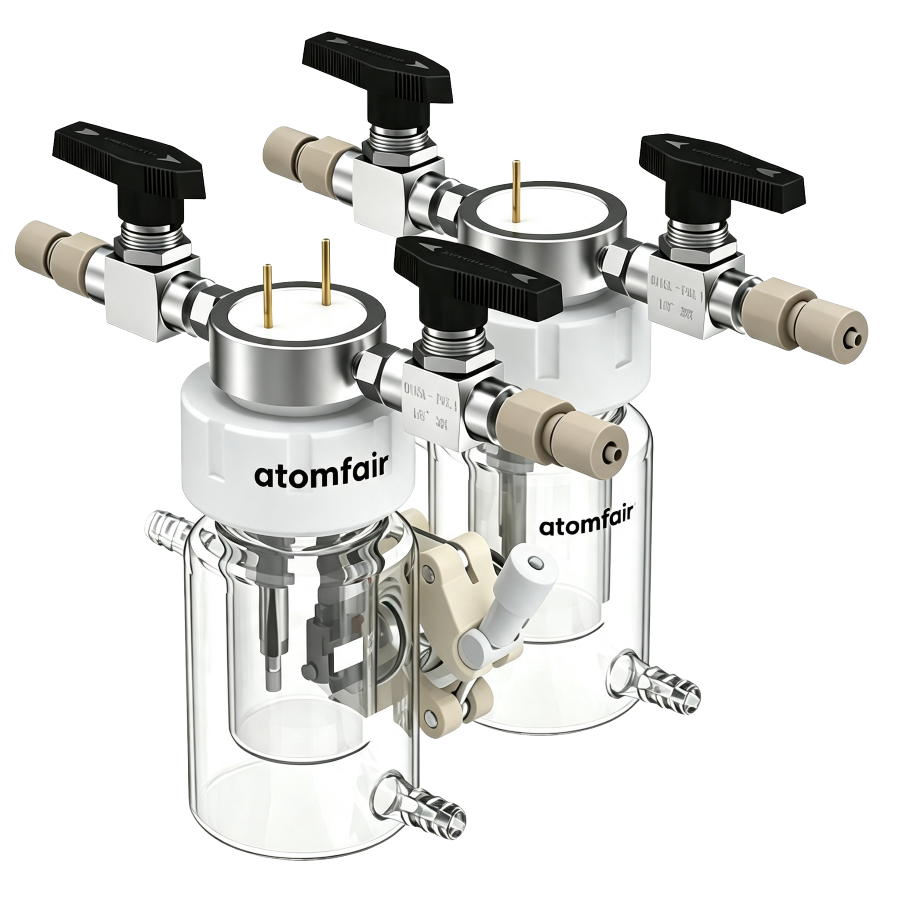
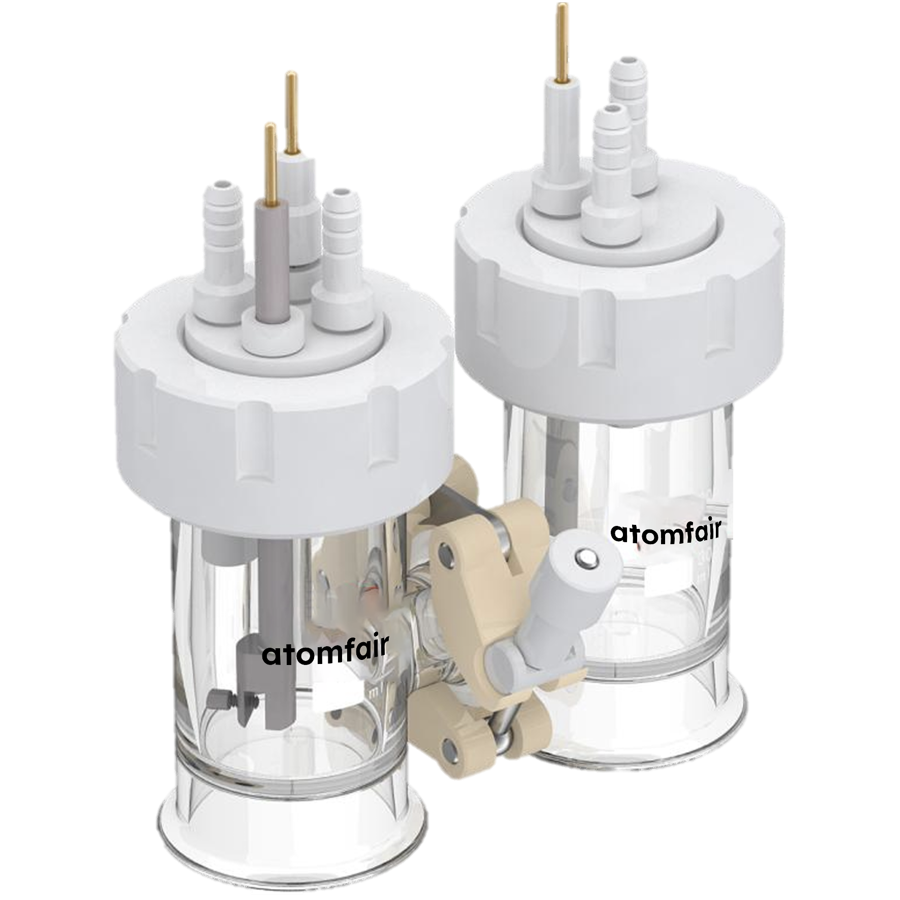
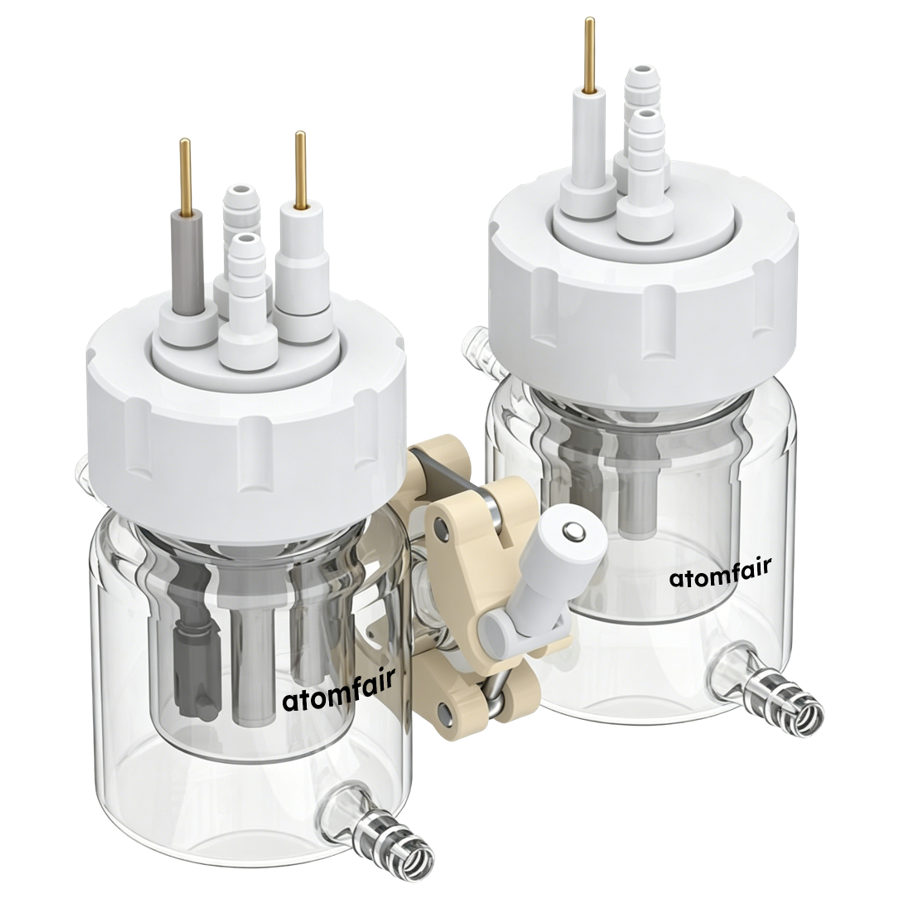
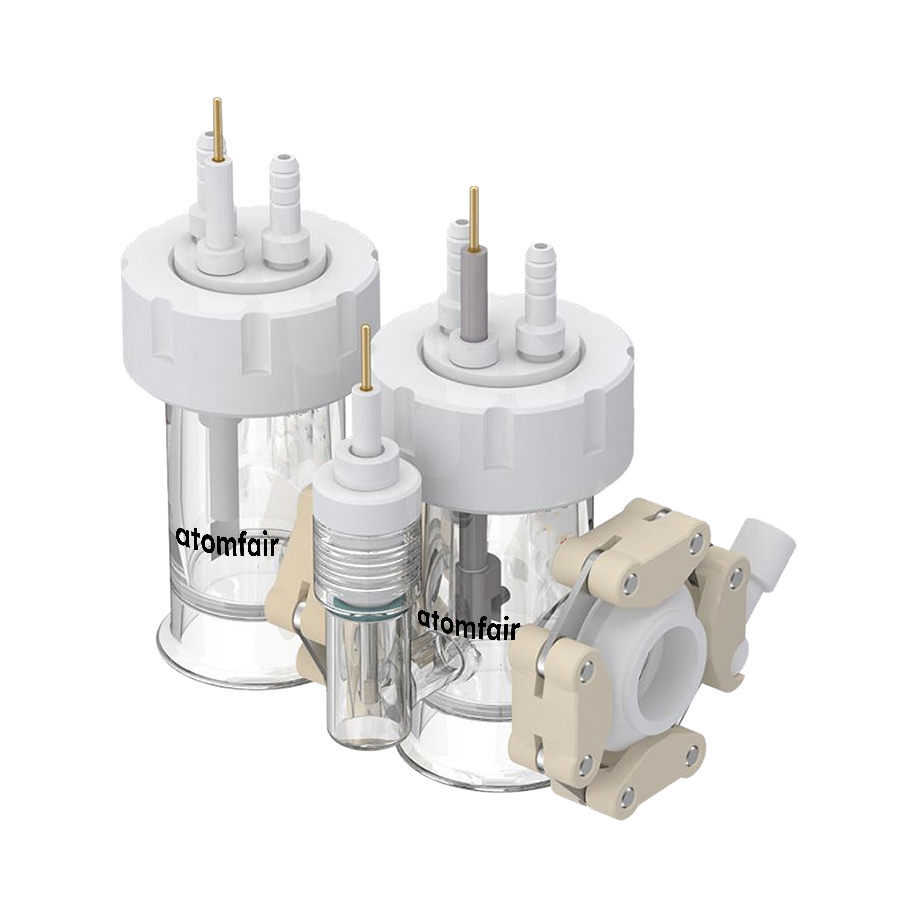
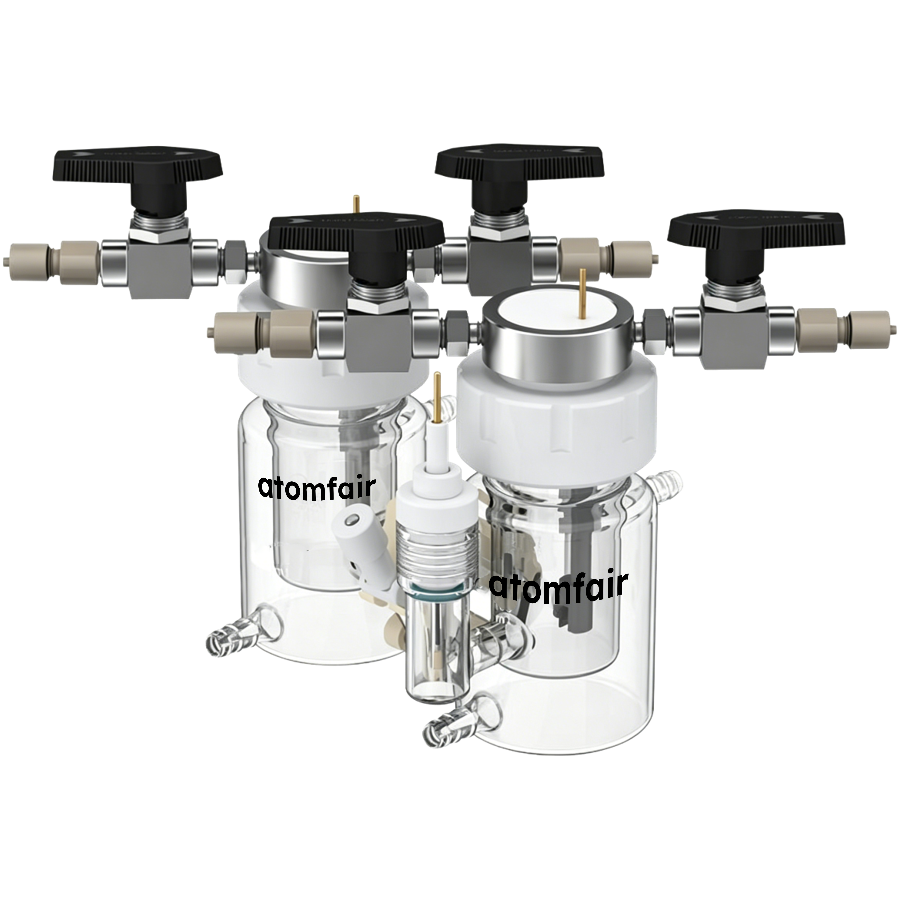
The Atomfair AF-BAT-PRM3 is a compact in-situ Raman three-electrode battery test cell with integrated pressure capability up to 6 MPa, designed for high-pressure electrochemical Raman spectroscopy. Its short working electrode-to-window distance (<2 mm) facilitates efficient optical signal collection, though critical accessories such as electrodes and windows are sold separately.
Positive
- Integrated high-pressure capability: Rated for up to 6 MPa, enabling in-situ Raman studies under elevated pressure relevant to battery electrolyte and interface behavior.
- Compact design with short optical path: The 50×50×24 mm footprint and <2 mm working electrode-to-window distance maximize Raman signal collection efficiency in a standard cell format.
Trade-offs
- Accessory kit not included: Electrodes, membranes, windows, and gas diffusion electrodes must be purchased separately, requiring additional procurement steps before assembly.
- Pressure limited to 6 MPa: Maximum rated pressure of 6 MPa constrains experiments requiring supercritical conditions or ultra-high-pressure electrochemistry.
Every advanced material, component, equipment, and instrument in our catalog is backed by rigorous testing. We maintain strict internal quality management frameworks and align with CE conformity metrics to deliver transparent, reproducible performance data via our public open-science repository.
To request raw batch performance data, submit formal vendor registration paperwork, or execute a fast-turnaround R&D manufacturing loop, contact us at inquiry@atomfair.com.
Item is dispatched under the Atomfair Shipping & Delivery Framework (Free worldwide shipping on orders over $59 USD excl. heavy equipment). Return is governed by the Atomfair Return & Refund Policy (7-day technical return window).