In-situ Raman Pressure Two-Electrode Battery Test CellProduct Type: In-situ battery test cell
Research-grade laboratory product
|
|||||||||||||||||||||
|
|||||||||||||||||||||
|
LABORATORY PROCUREMENT SUPPORT
For model selection, technical compatibility or configuration confirmation, contact our technical sales team.
E-MAIL: inquiry@atomfair.com
|
|||||||||||||||||||||
|
Manufacturer: Atomfair LLC LLC
Brand: ATOMFAIR®
|
Store the cell in a dry, inert atmosphere to prevent corrosion of pressure components and contamination of optical windows. Operate strictly within the 6 MPa pressure limit and ensure proper electrical isolation to avoid short circuits during electrochemical testing.
- Pressure Containment: Inspect all seals and pressure fittings before each use to prevent gas or electrolyte leakage.
- Optical Window Integrity: Clean the optical window with lint-free wipes and isopropyl alcohol to maintain Raman signal quality.
- Electrode Alignment: Verify the working electrode-to-window distance is below 2 mm for optimal optical access.
- Chemical Compatibility: Select electrodes, membranes, and electrolytes that are compatible with the cell materials and pressure rating.
Assemble the cell with the selected electrodes, separator, and electrolyte, then mount it in the Raman spectrometer. Gradually pressurize to the target value while monitoring for leaks and acquire Raman spectra during electrochemical cycling.
Required Equipment: Raman spectrometer, Potentiostat/galvanostat, Pressure source (e.g., inert gas cylinder)
- Cell Assembly
Assemble the working electrode, counter electrode, separator, and electrolyte inside the cell body ensuring proper sealing. - Optical Alignment
Mount the cell on the Raman microscope stage and adjust the focus to target the electrode surface through the optical window. - Pressurization
Connect the pressure line and slowly pressurize the cell to the desired value up to 6 MPa while checking for leaks. - Electrochemical Connection
Connect the potentiostat leads to the cell terminals and start the electrochemical protocol while recording Raman spectra.
What are the optical access limitations when operating the Atomfair AF-BAT-PRM2 in-situ Raman cell at 6 MPa?
The cell maintains a working electrode-to-window distance of less than 2 mm and an optical window diameter of 8 mm. At 6 MPa, the short working distance ensures Raman signal collection but restricts the optical field of view to the 8 mm window, potentially limiting the observable electrode area. This trade-off between high-pressure containment and optical aperture is inherent to the design.
Which electrode and window materials are compatible with the Atomfair AF-BAT-PRM2 in-situ Raman cell?
Electrodes, membranes, and windows are not included and must be selected separately for the specific configuration. The cell supports non-standard electrode sizes and window materials upon customization request. For Raman compatibility, the optical window must be transparent to the excitation laser and cell chemistry; standard materials can be specified with the manufacturer.
What high-pressure infrastructure is required to operate the Atomfair AF-BAT-PRM2 cell safely at 6 MPa?
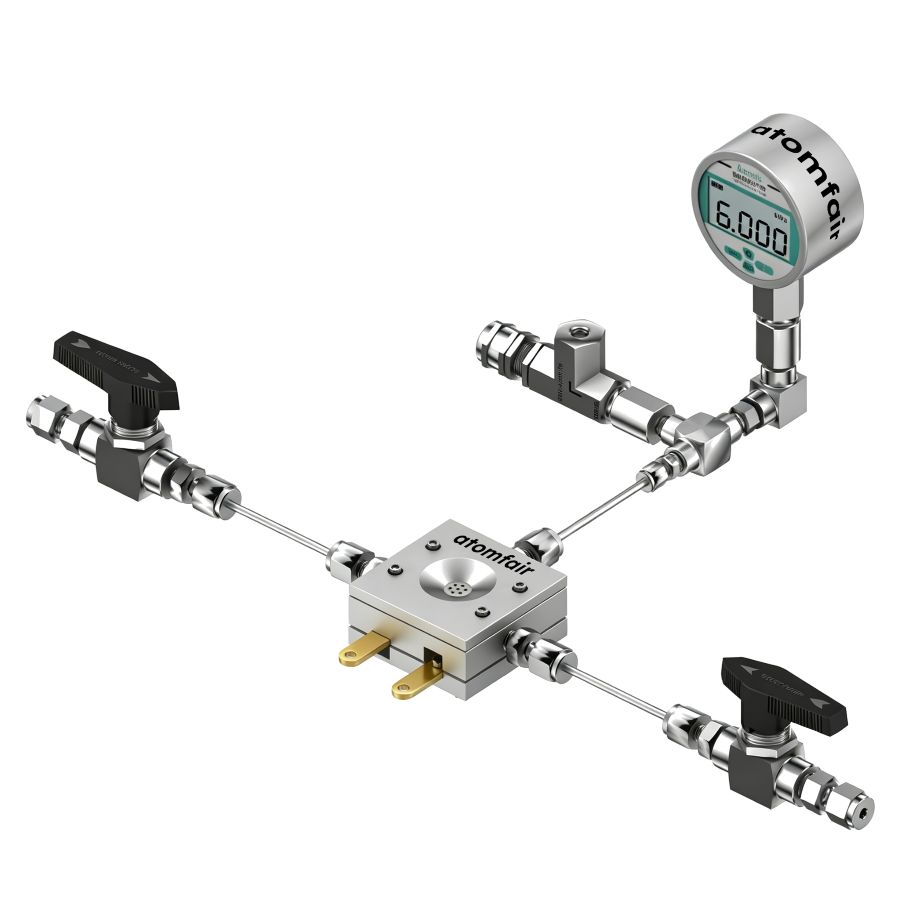
The cell is a pressure upgrade rated for a maximum pressure of 6 MPa. While the product description does not specify required external equipment, users must ensure compatible pressure fittings and a pressure source capable of delivering and controlling up to 6 MPa. Standard protective packaging is provided, and custom reinforcement for handling high-pressure cells is available upon request.
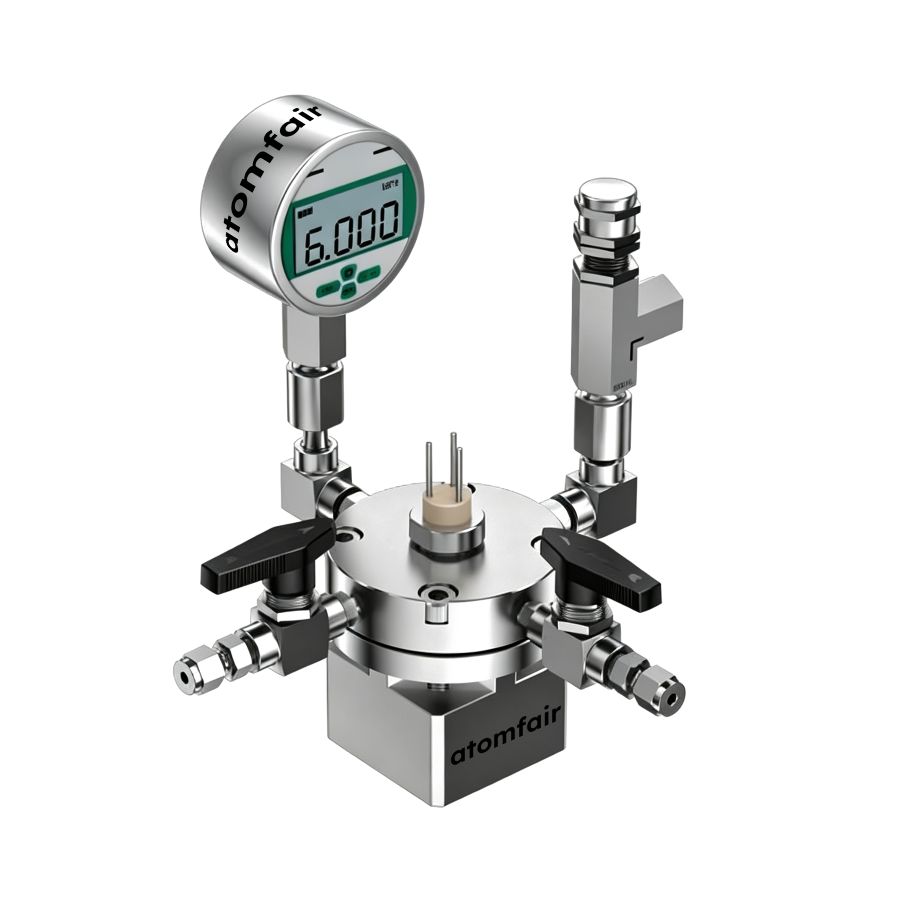
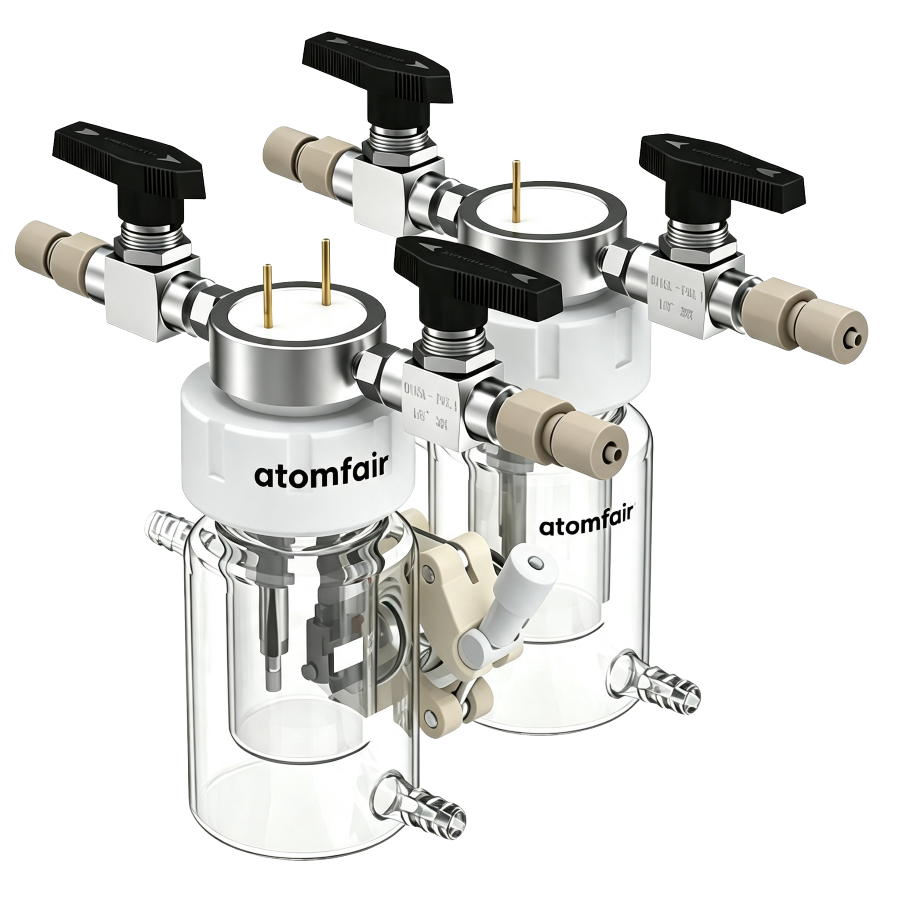
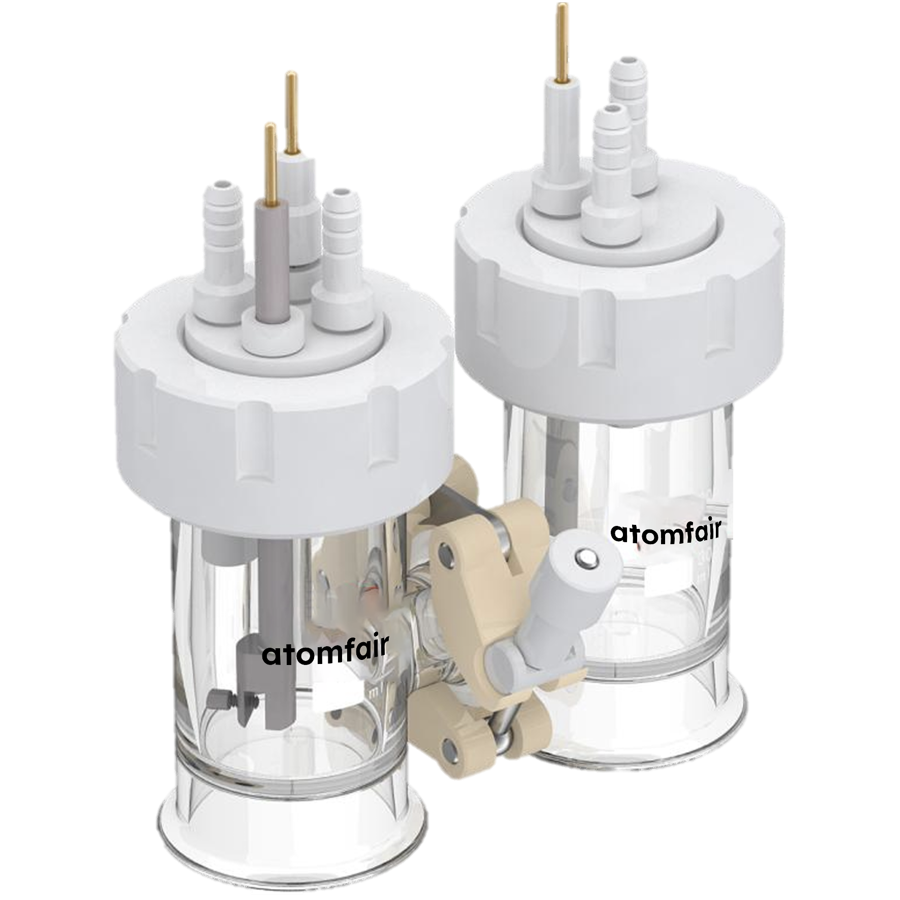
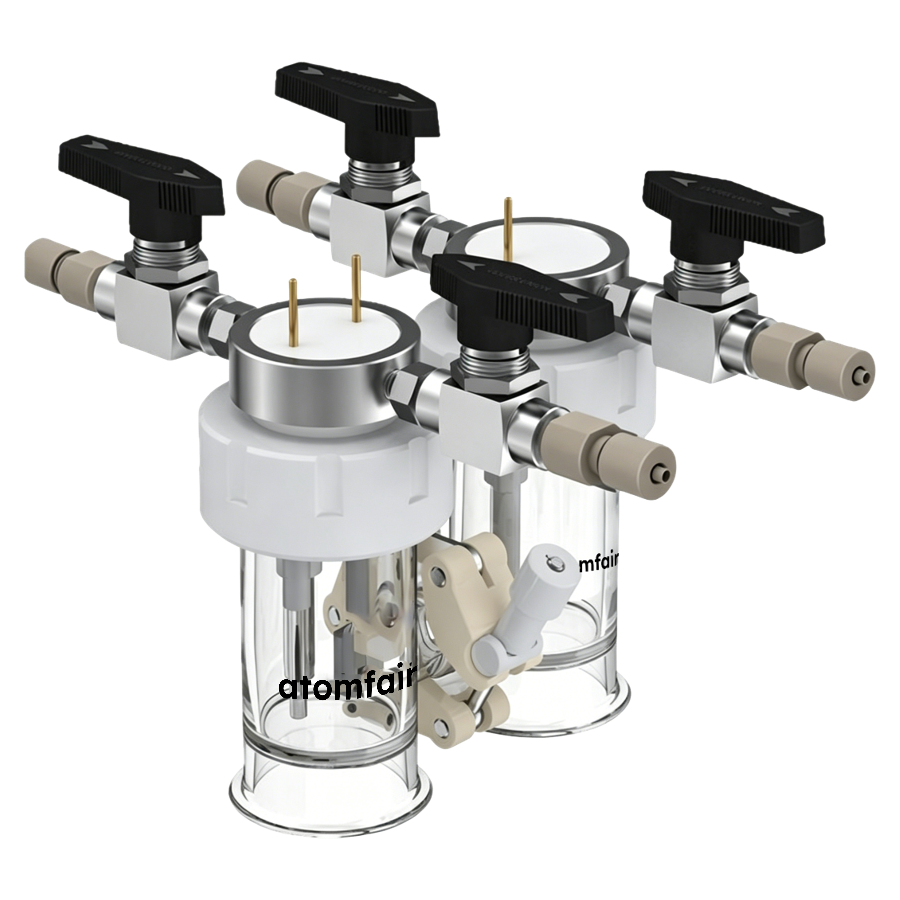
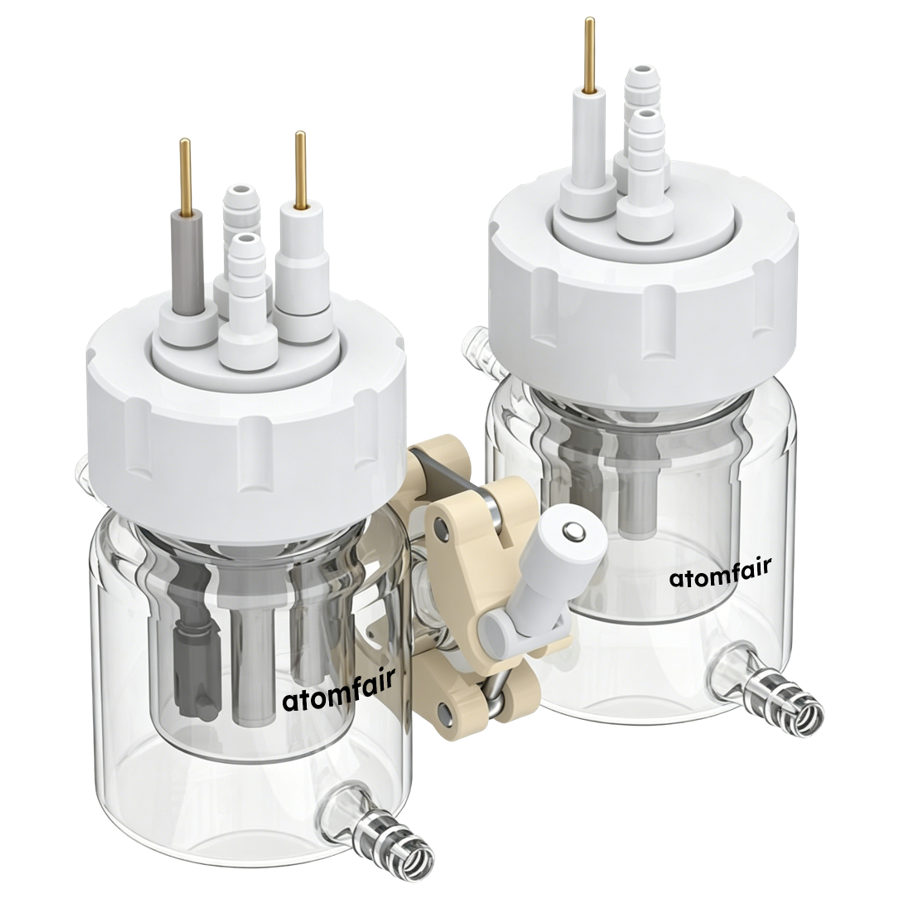
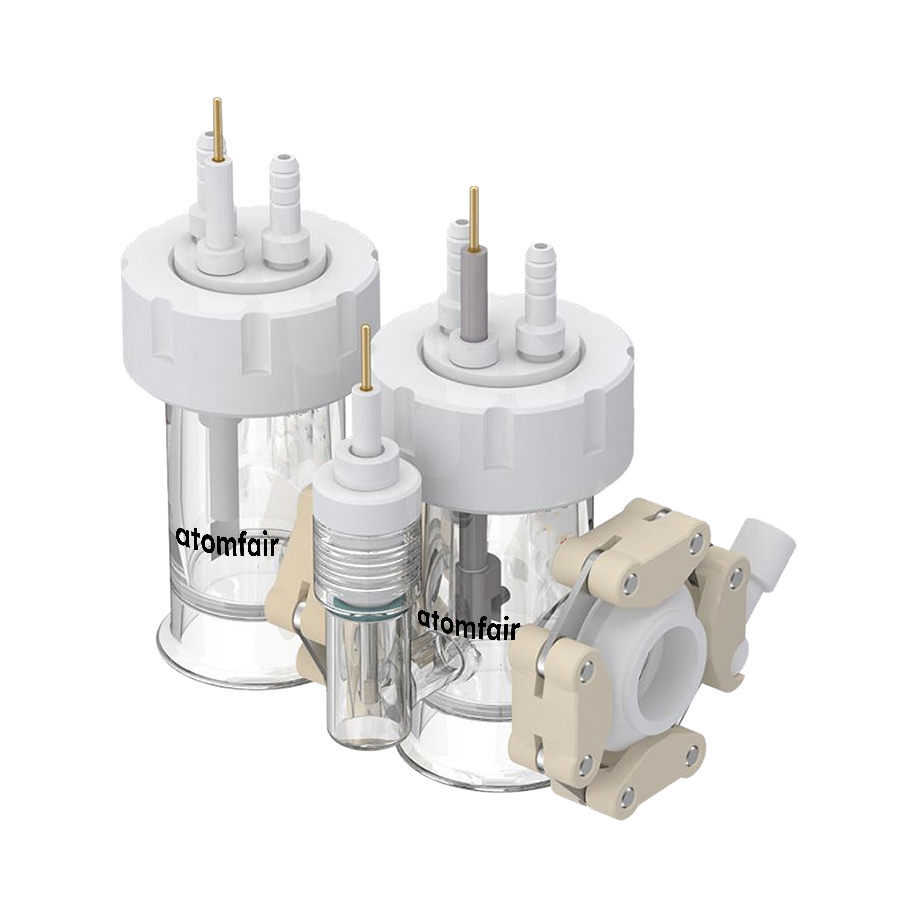
The in-situ Raman pressure two-electrode battery test cell (SKU AF-BT-B-BATC-N025-PRM2) integrates a pressure system for high-pressure electrochemical experiments up to 6 MPa with in-situ Raman optical access via an 8 mm window and short working electrode-to-window distance under 2 mm. This design enables simultaneous structural and electrochemical characterization under pressure, but requires careful selection of electrodes, membranes, and windows to ensure optical clarity and pressure integrity.
Positive
- Pressure-capable in-situ Raman cell: Supports electrochemical experiments under pressures up to 6 MPa while maintaining in-situ Raman observation, enabling simultaneous structural and electrochemical characterization under high-pressure conditions.
- Short working distance for optical access: The working electrode-to-window distance is less than 2 mm, ensuring efficient optical signal collection for Raman spectroscopy during battery cycling.
Trade-offs
- Requires dedicated accessory selection: Electrodes, membranes, windows, and gas diffusion electrodes must be separately specified and purchased, necessitating careful configuration planning to match experimental requirements.
- Customization needed for non-standard parts: Non-standard electrode sizes or window materials require custom inquiry and lead time, potentially delaying procurement if standard options are insufficient.
Every advanced material, component, equipment, and instrument in our catalog is backed by rigorous testing. We maintain strict internal quality management frameworks and align with CE conformity metrics to deliver transparent, reproducible performance data via our public open-science repository.
To request raw batch performance data, submit formal vendor registration paperwork, or execute a fast-turnaround R&D manufacturing loop, contact us at inquiry@atomfair.com.
Item is dispatched under the Atomfair Shipping & Delivery Framework (Free worldwide shipping on orders over $59 USD excl. heavy equipment). Return is governed by the Atomfair Return & Refund Policy (7-day technical return window).