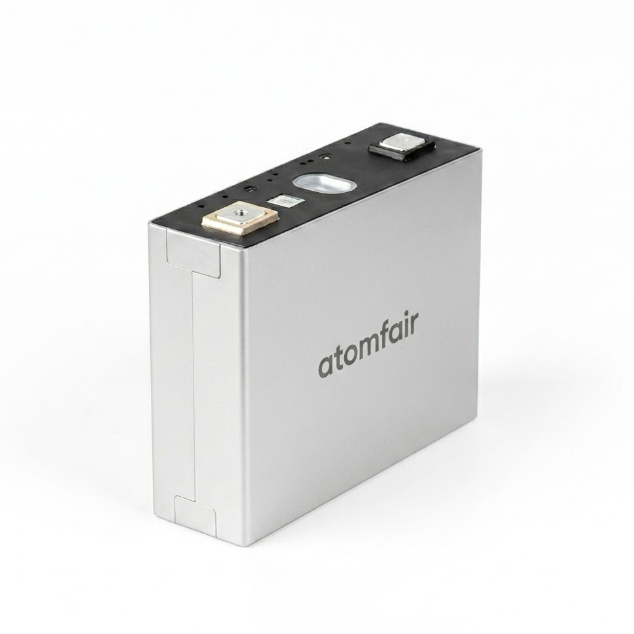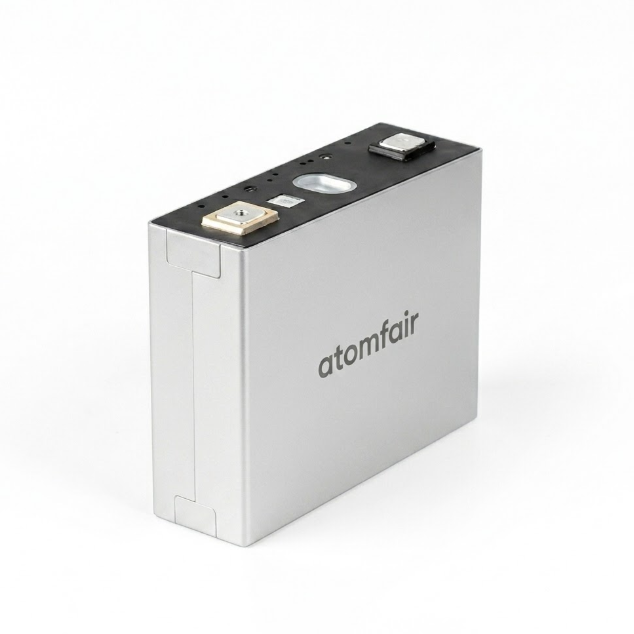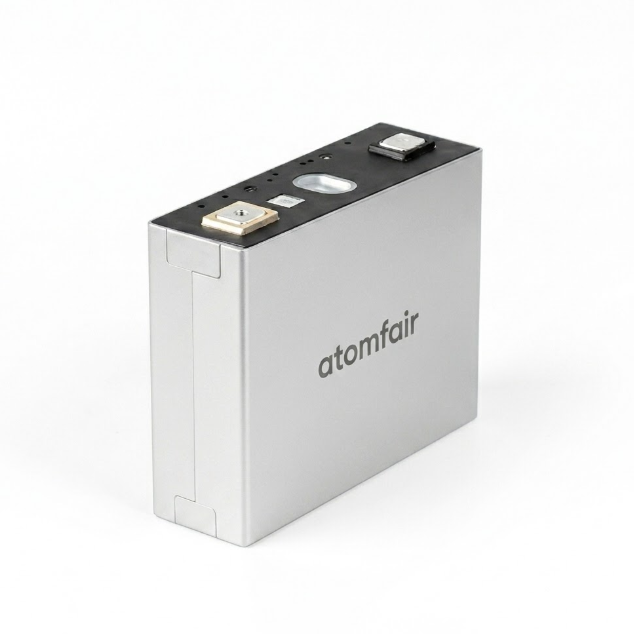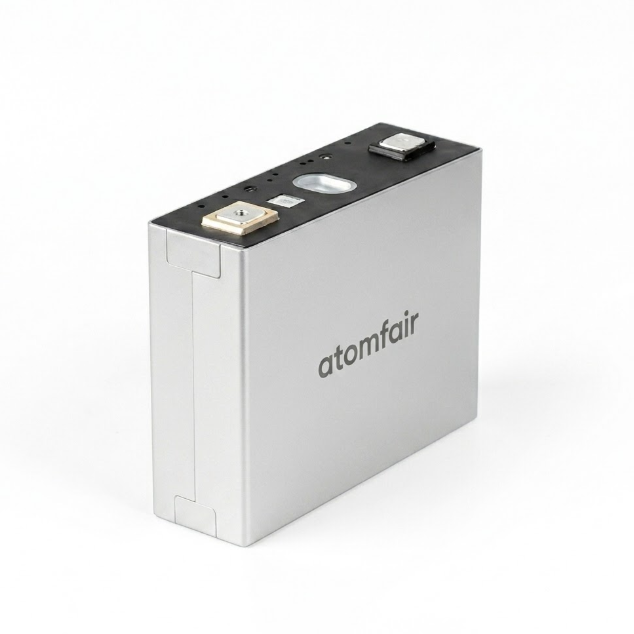
Prismatic Battery Cell (Lithium-ion) | ATOMFAIRRESEARCH GRADE MATERIAL
|
|||||||||||||||||||
|
|||||||||||||||||||
|
TAILORED SOLUTIONS FOR RESEARCH
Contact our engineering team for technical support or official quotations.
EMAIL: support@atomfair.com
|
|||||||||||||||||||
|
Manufacturer: Atomfair LLC
Brand: ATOMFAIR®
|
Store the battery in a cool, dry environment away from direct sunlight and heat sources to prevent thermal degradation. Use appropriate personal protective equipment during installation and follow local regulations for disposal to ensure safety.
- Storage Environment: Store the battery in a cool, dry place away from direct sunlight and heat sources.
- Personal Protective Equipment: Use appropriate PPE during installation to protect against electrical and chemical hazards.
- Disposal Compliance: Follow local regulations for lithium-ion battery disposal to prevent environmental contamination.
What is the nominal voltage and capacity range of the ATOMFAIR prismatic lithium-ion battery cell?
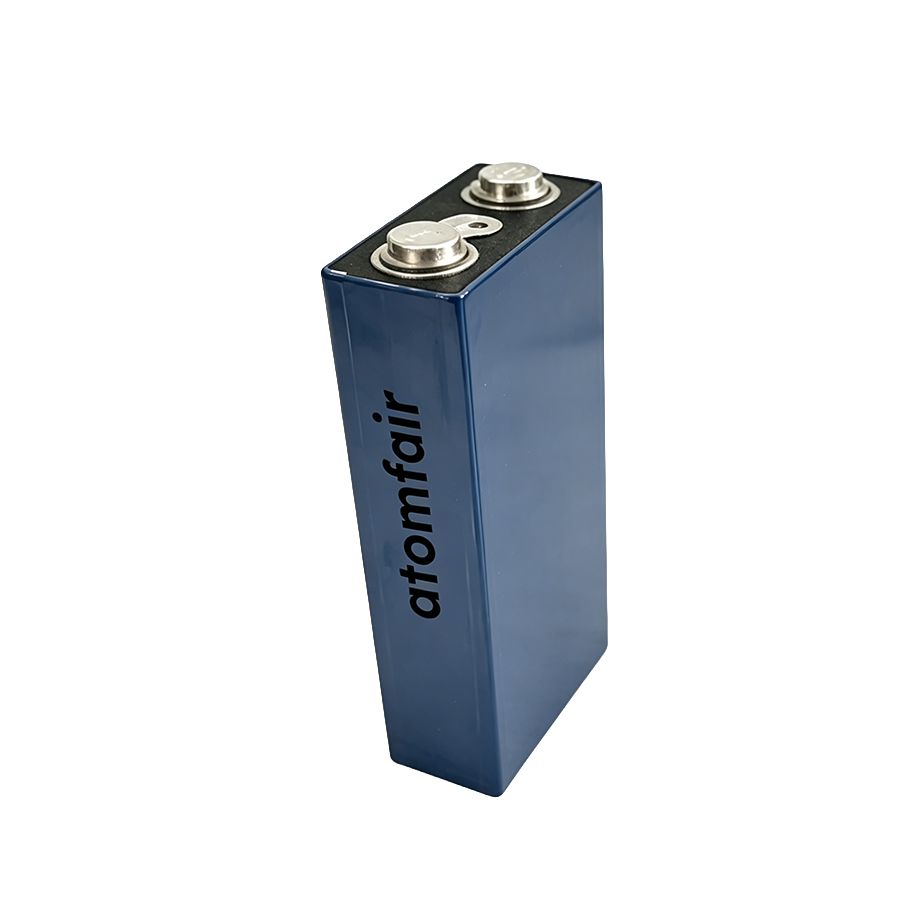
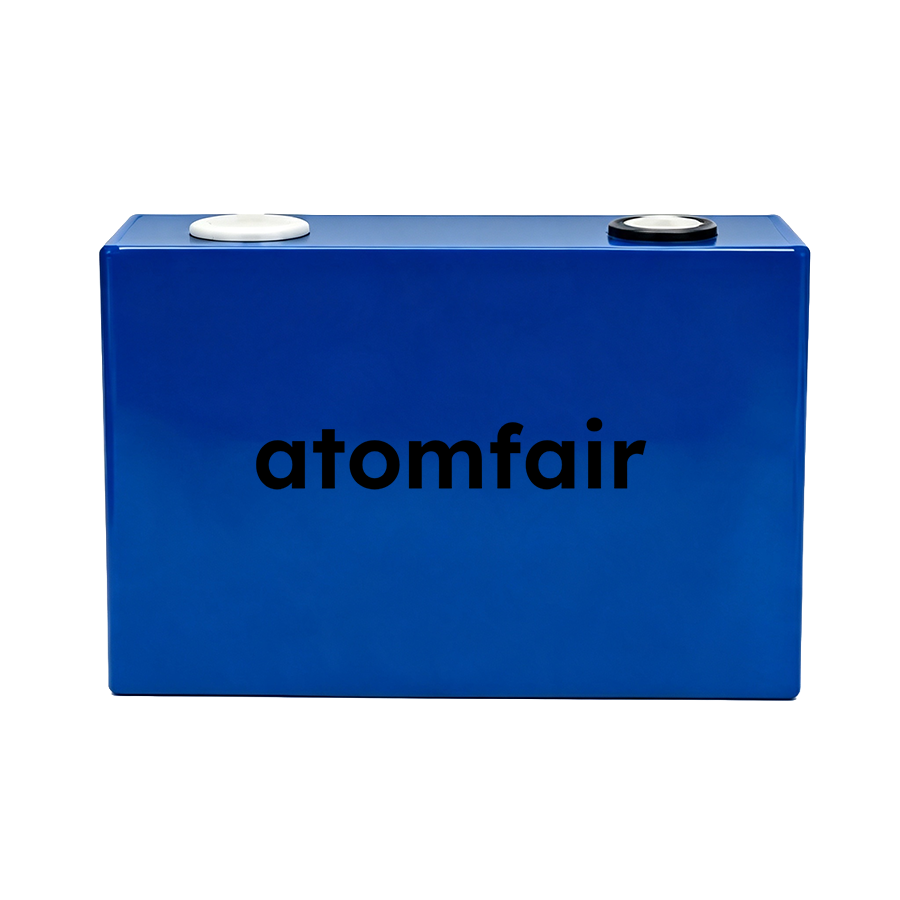
The ATOMFAIR prismatic lithium-ion battery cell has a nominal voltage of typically 3.7V per cell. It is available in standardized capacity options of 40Ah, 60Ah, 80Ah, 100Ah, 120Ah, and 160Ah, with a broader capacity range from 18Ah to 160Ah for custom configurations.
Can the dimensions of this prismatic cell be customized for specific energy storage or electric vehicle pack designs?
Yes, the dimensions of the ATOMFAIR prismatic cell are customizable based on capacity requirements. This allows integration into varied battery pack geometries for electric vehicles, energy storage systems, and portable electronics, though specific dimensional tolerances should be confirmed with the manufacturer.
What safety and handling precautions are required for this lithium-ion prismatic cell during installation and storage?
Appropriate personal protective equipment (PPE) must be used during installation. The cell should be stored in a cool, dry place away from direct sunlight and heat sources. Built-in protection mechanisms prevent overcharging and short circuits, but local regulations for lithium-ion battery disposal must be followed.
This prismatic lithium-ion cell offers high energy density and long cycle life in a compact form factor with capacities from 40Ah to 160Ah, suitable for EV and energy storage applications, but requires controlled storage conditions and adherence to disposal regulations.
Positive
- High Energy Density in Prismatic Form Factor: The prismatic design maximizes volumetric energy density, making it suitable for space-constrained applications such as electric vehicles and portable electronics.
- Long Cycle Life with Minimal Degradation: Engineered for durability, the cell maintains capacity over many charge-discharge cycles, reducing replacement frequency in energy storage systems.
Trade-offs
- Requires Controlled Storage Conditions: Cells must be stored in a cool, dry place away from direct sunlight and heat sources to prevent performance degradation and safety risks.
- Subject to Disposal Regulations: Lithium-ion batteries require adherence to local regulations for disposal, adding logistical steps for end-of-life management.
Every advanced material, component, equipment, and instrument in our catalog is backed by rigorous testing. We maintain strict internal quality management frameworks and align with CE conformity metrics to deliver transparent, reproducible performance data via our public open-science repository.
To request raw batch performance data, submit formal vendor registration paperwork, or execute a fast-turnaround R&D manufacturing loop, contact us at inquiry@atomfair.com.
Item is dispatched under the Atomfair Shipping & Delivery Framework (Free worldwide shipping on orders over $59 USD excl. heavy equipment). Return is governed by the Atomfair Return & Refund Policy (7-day technical return window).