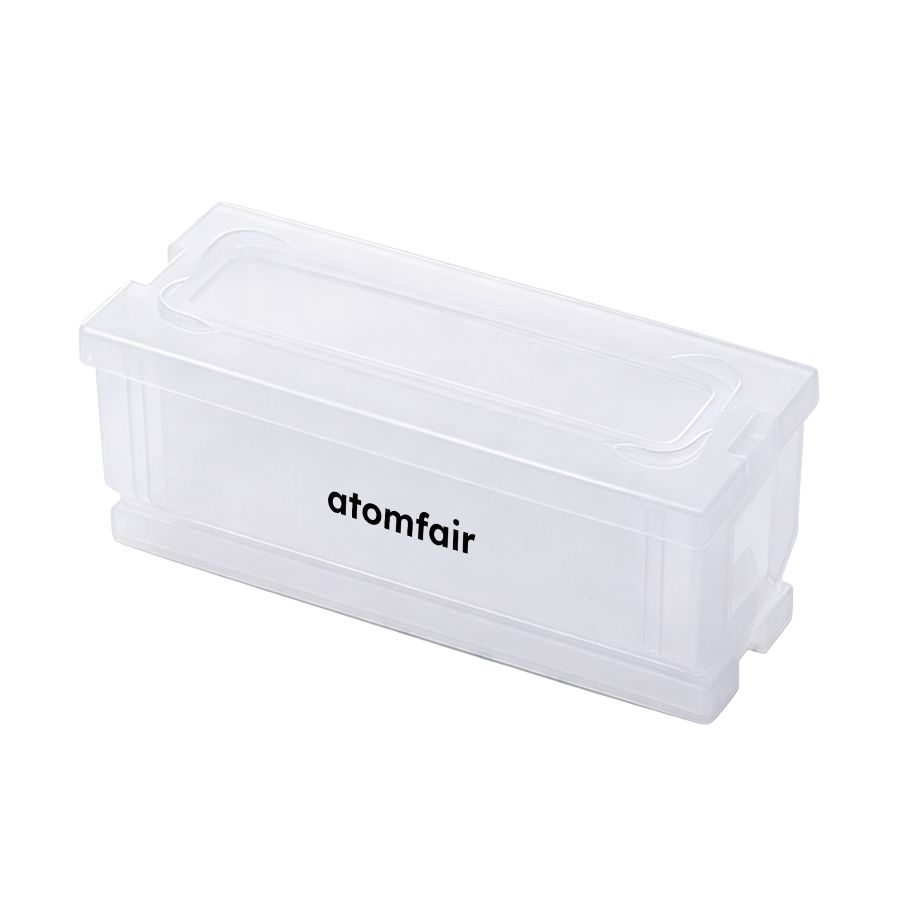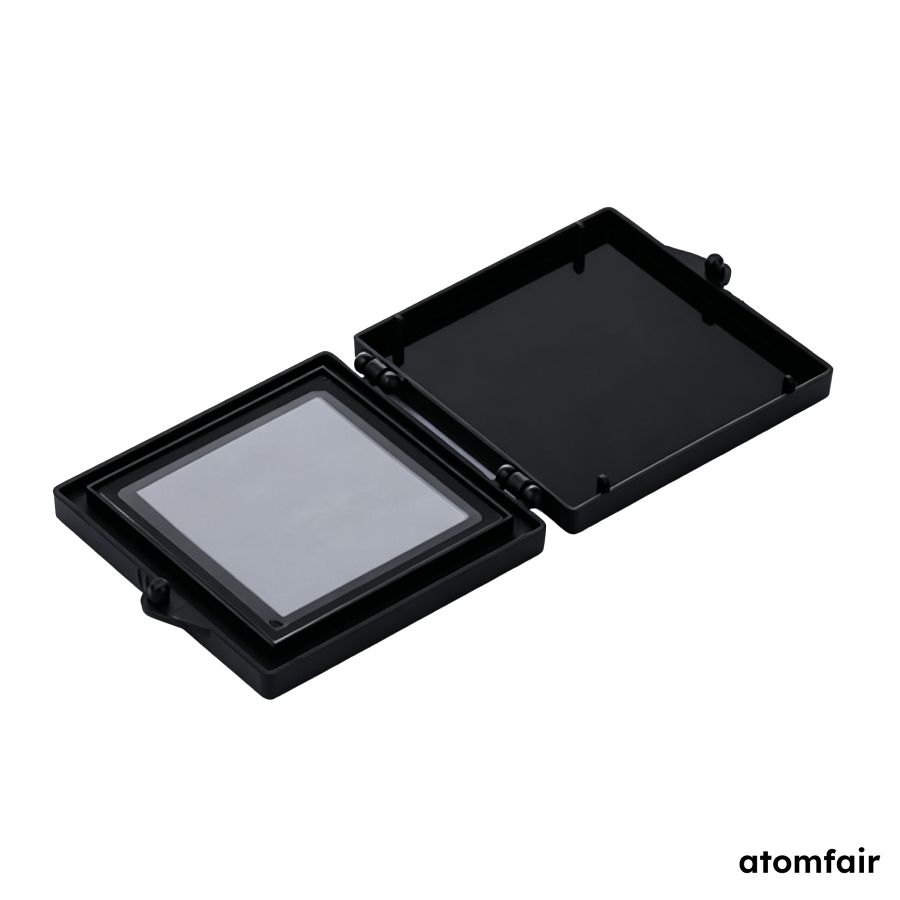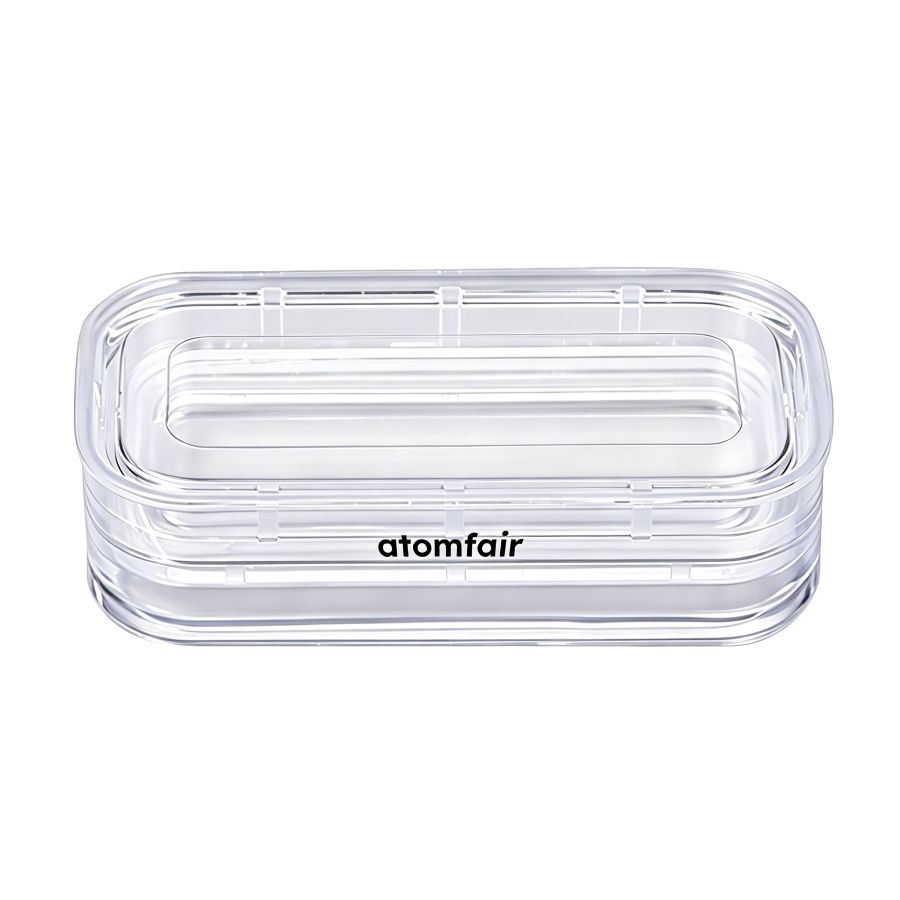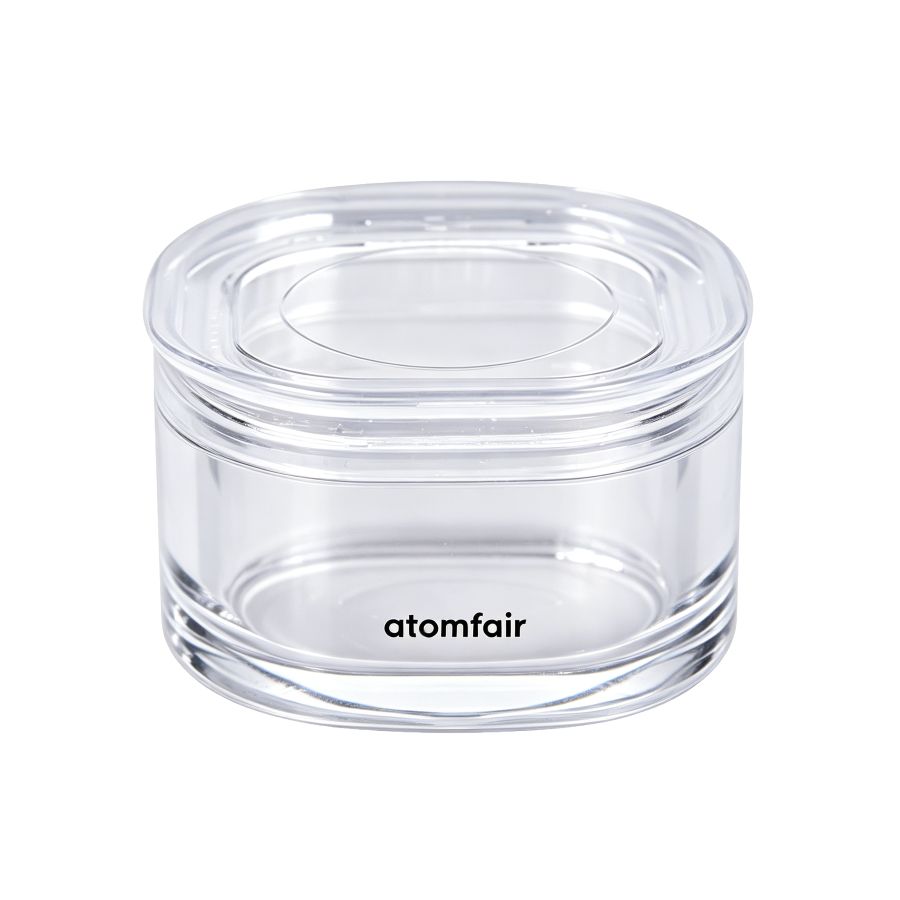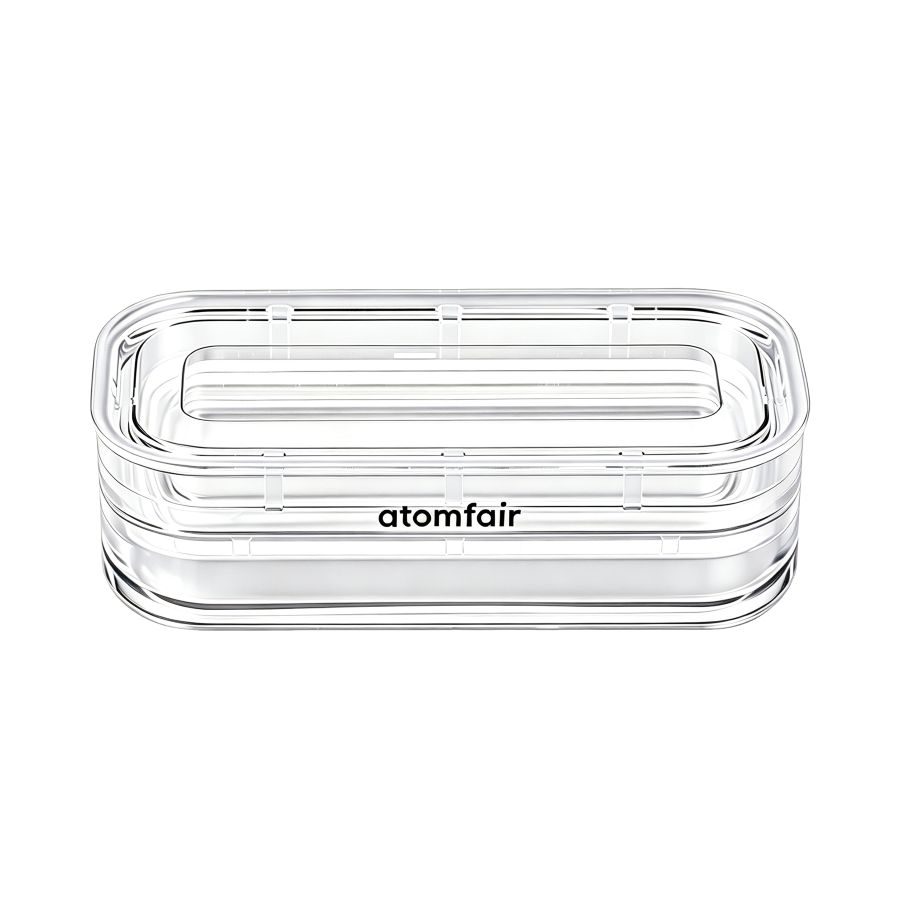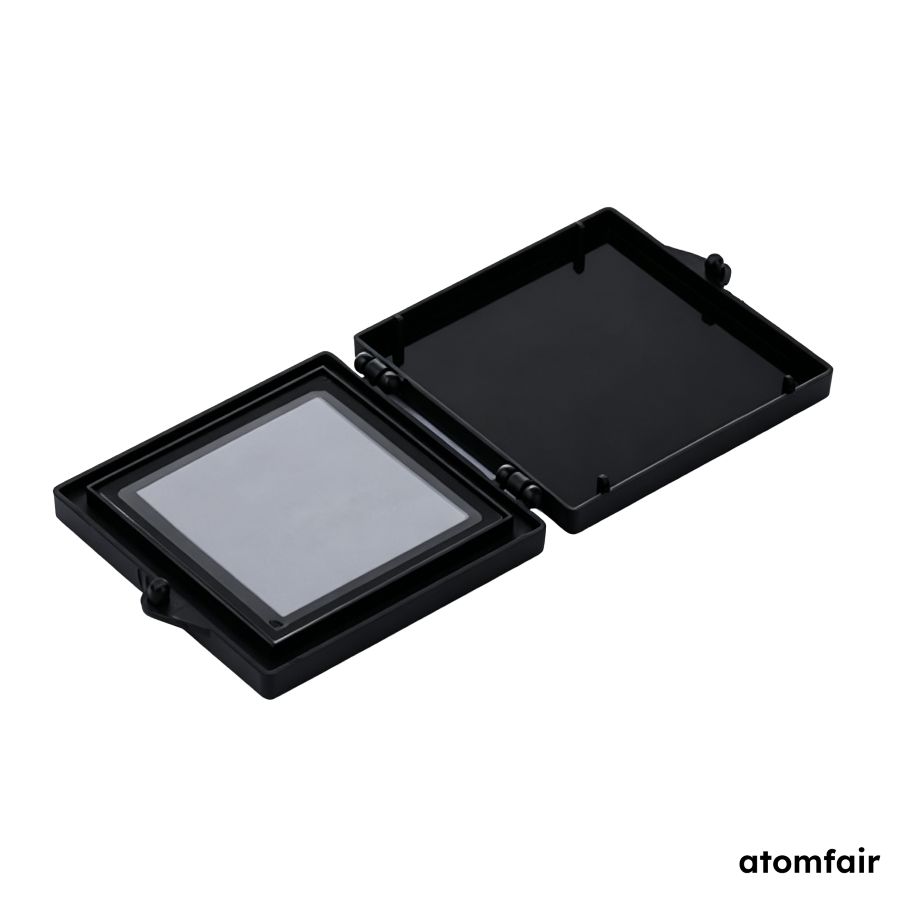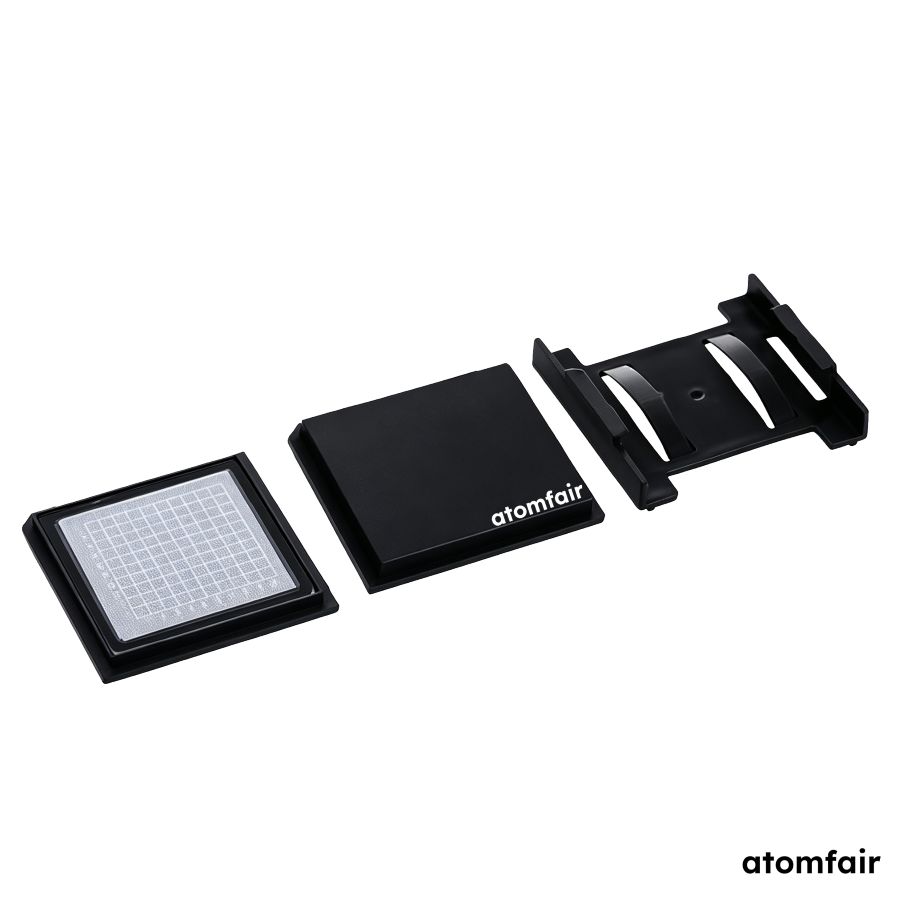
PLUG-IN VACUUM RELEASE TRAY 100 GRID LOW ADHESION,5pcsRESEARCH GRADE MATERIAL
|
|||||||||||||||||||||||||||||||||
|
|||||||||||||||||||||||||||||||||
|
TAILORED SOLUTIONS FOR RESEARCH
Contact our engineering team for technical support or official institutional quotations.
EMAIL: inquiry@atomfair.com
|
|||||||||||||||||||||||||||||||||
|
Manufacturer: Atomfair LLC
Brand: ATOMFAIR®
|
|||||||||||||||||||||||||||||||||
The tray must be stored in its original double-vacuum, inert nitrogen-sealed packaging to maintain zero contamination. Release of samples requires integration with a compatible vacuum station and pump system to activate the release mode.
- Storage Environment: Store the sealed tray in a clean, dry environment away from direct sunlight and dust.
- ESD Precautions: Handle the tray using ESD-safe practices to protect sensitive samples from electrostatic discharge.
- Vacuum System Requirement: The tray must be used with a compatible vacuum station and pump to achieve the release mode for sample removal.
- Contamination Control: Only open the sealed bag in a cleanroom environment to prevent particulate contamination.
The tray is designed to securely hold samples during transport and release them non-destructively via vacuum activation. Follow these steps to safely remove samples from the grid compartments.
Required Equipment: Compatible Vacuum Station, Compatible Vacuum Pump
- Inspect Packaging
Inspect the sealed packaging for any damage before opening to ensure the tray remains uncontaminated. - Transfer to Cleanroom
Transfer the tray to a cleanroom environment and open the double-vacuum bag using appropriate ESD-safe techniques. - Load Samples
Load samples into the grid compartments, ensuring each sample is placed within the low-adhesion area. - Position on Vacuum Station
Position the loaded tray onto the compatible vacuum station and connect the vacuum pump to the station's inlet port. - Activate Release Mode
Activate the vacuum pump to apply the required negative pressure, initiating the release mode for sample detachment.
How does the low adhesion surface prevent residue while ensuring sample stability during vacuum release and transport?
The low adhesion surface uses a specially structured elastomer that provides reliable anchor hold to prevent micro-shifting or structural dislodgement during rigorous transport and vacuum cycles, while enabling non-destructive detachment with zero residue, adhesive transfer, or localized stress marks. The 10×10 grid array with 3×3 mm compartments isolates each sample cell, and the vacuum release mode—activated only via a compatible vacuum station and pump—ensures controlled, clean removal without compromising thin films or delicate devices.
Which vacuum system components are required to operate the Atomfair 100-grid low adhesion release tray, and can alternative mesh densities be specified?
The tray must be used in conjunction with a compatible vacuum station and vacuum pump to activate the release mode for sample removal; these components are sold separately. Alternative mesh densities (16, 33, 76, 103, 137, or 195 mesh) and mesh color (standard white or yellow) can be requested by explicitly stating the requirements in the order remarks field during checkout, with white 16 mesh as the default configuration.
What ESD protection and storage conditions are necessary for this vacuum release tray to maintain contamination-free performance?
The tray provides comprehensive ESD protection via integrated anti-static matrices and conductive polymer backings that create immediate dissipative pathways to eliminate high-voltage electrostatic field disruptions. For storage and transport, the product is double-vacuum bag sealed under dry inert nitrogen gas atmosphere with shock-absorbent shells to guarantee zero contamination; the chemical-resistant components are designed to withstand continuous outgassing and multi-cycle depressurization without dimensional warping.
This plug-in vacuum release tray features a 100-grid low-adhesion platform with ESD-safe construction, designed for contamination-free handling of delicate samples in quantum optics, materials science, and semiconductor R&D. It requires a compatible vacuum station and pump for sample release, and mesh density must be specified at order time.
Positive
- Precise 10×10 Grid Isolation: The orthogonal 100-grid configuration enables systematic cell-by-cell micro-mapping, clean optical screening, and efficient batch sample cataloging without cross-contamination.
- Low Residue Surface Energy: The specially formulated elastomer provides reliable anchor hold while ensuring micro-level non-destructive sample detachment, preventing thin-film peeling or device deformation.
Trade-offs
- Requires Dedicated Vacuum System: To activate the release mode for sample removal, this tray must be used in conjunction with a compatible vacuum station and vacuum pump, adding infrastructure dependency.
- Mesh Configuration Must Be Ordered Explicitly: The default baseline configuration is white 16 mesh; alternative mesh densities (33, 76, 103, 137, 195) or yellow mesh must be specified in order remarks, requiring advance planning.
Every advanced material, component, equipment, and instrument in our catalog is backed by rigorous testing. We maintain strict internal quality management frameworks and align with CE conformity metrics to deliver transparent, reproducible performance data via our public open-science repository.
To request raw batch performance data, submit formal vendor registration paperwork, or execute a fast-turnaround R&D manufacturing loop, contact us at inquiry@atomfair.com.
Item is dispatched under the Atomfair Shipping & Delivery Framework (Free worldwide shipping on orders over $59 USD excl. heavy equipment). Return is governed by the Atomfair Return & Refund Policy (7-day technical return window).