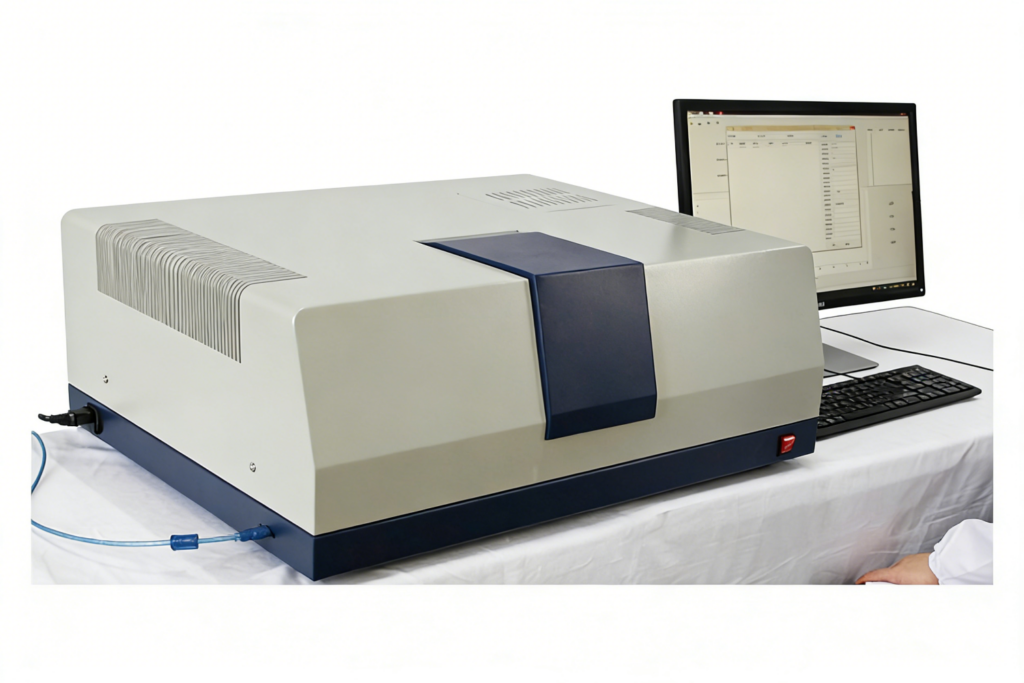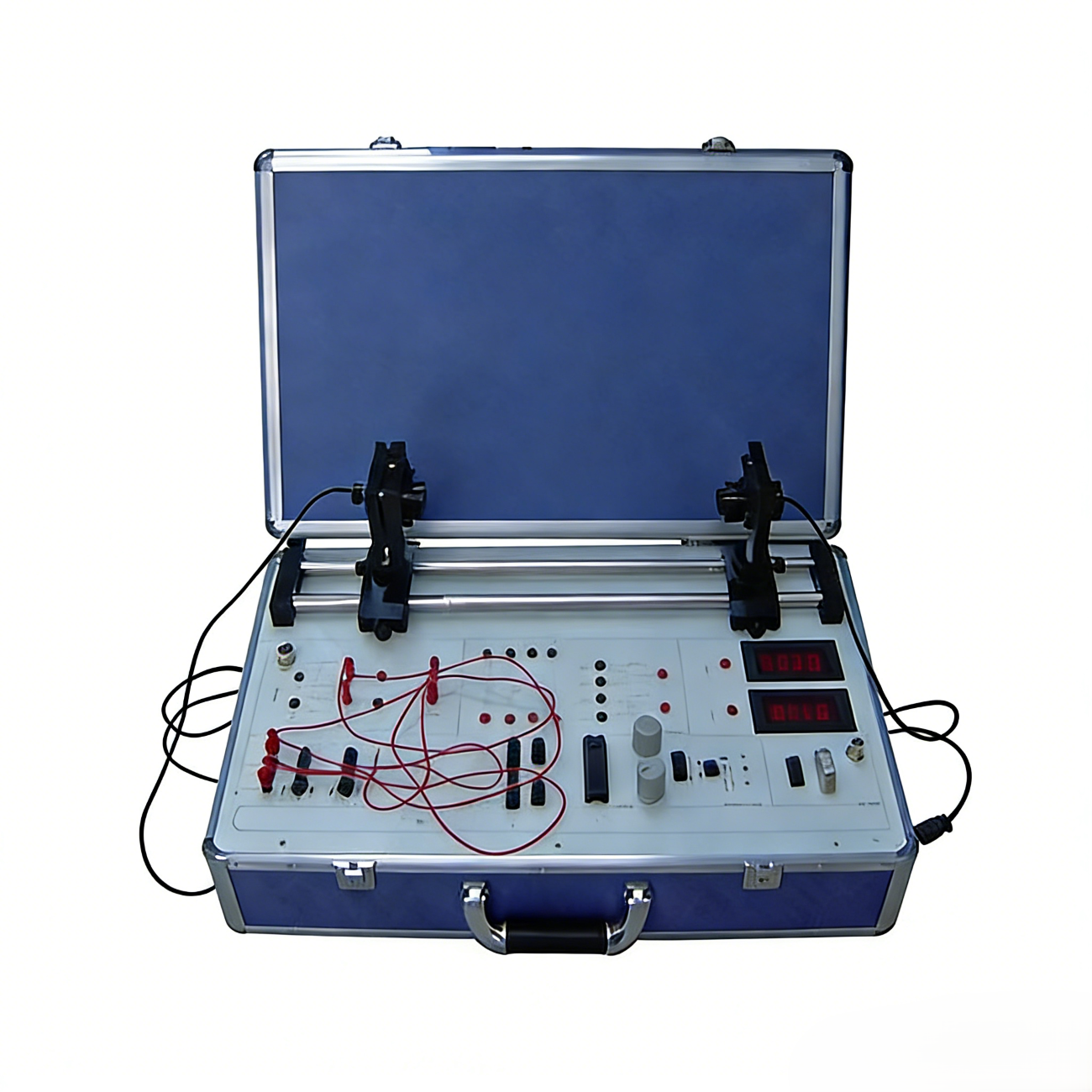
Atomfair-POE-369 Photoelectric Orientation Experimental Instrument
Product Overview
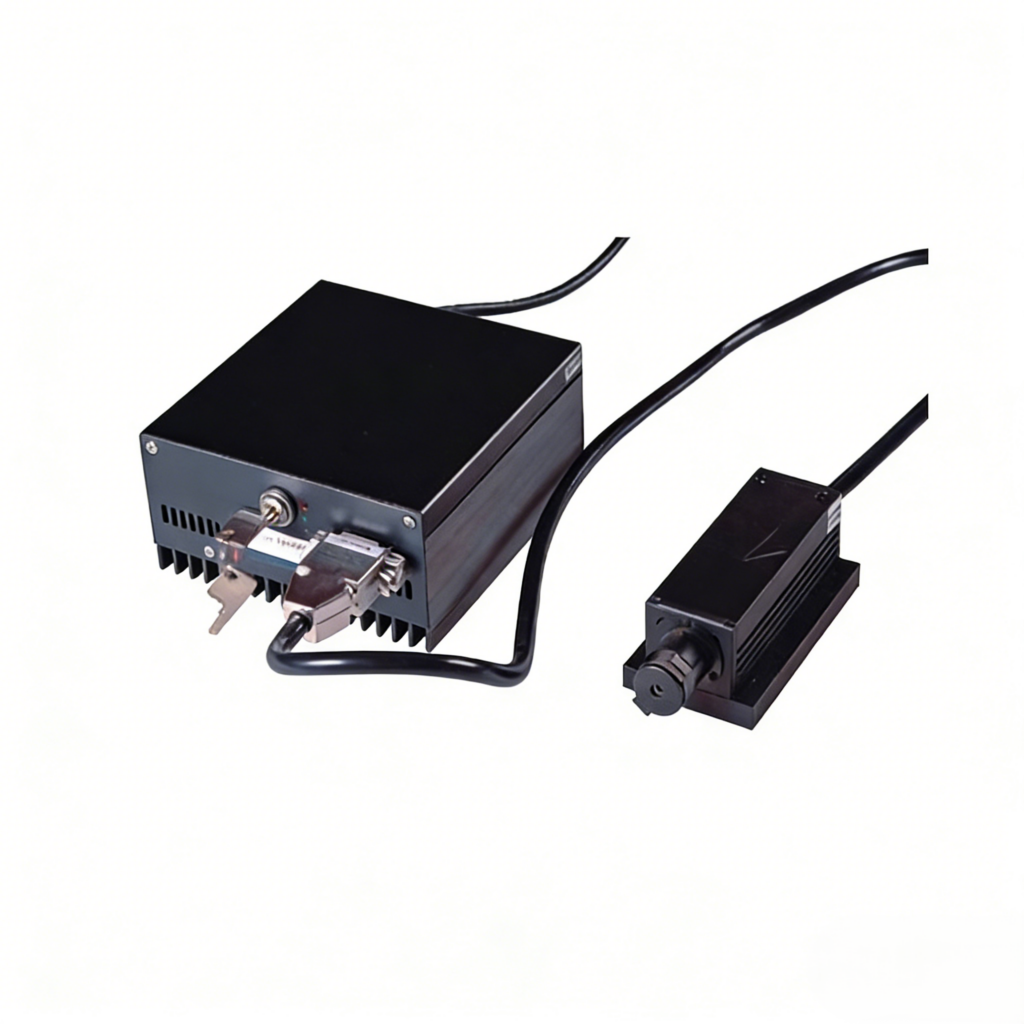
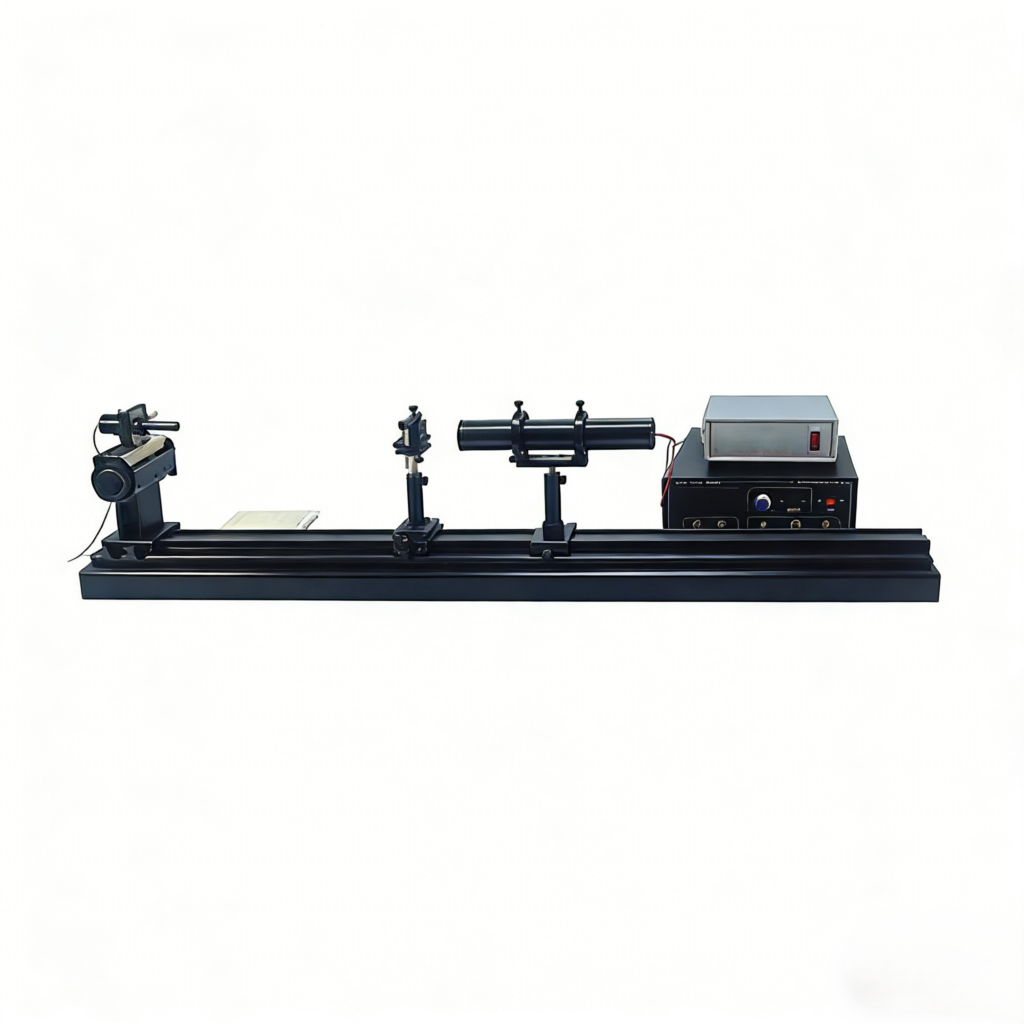
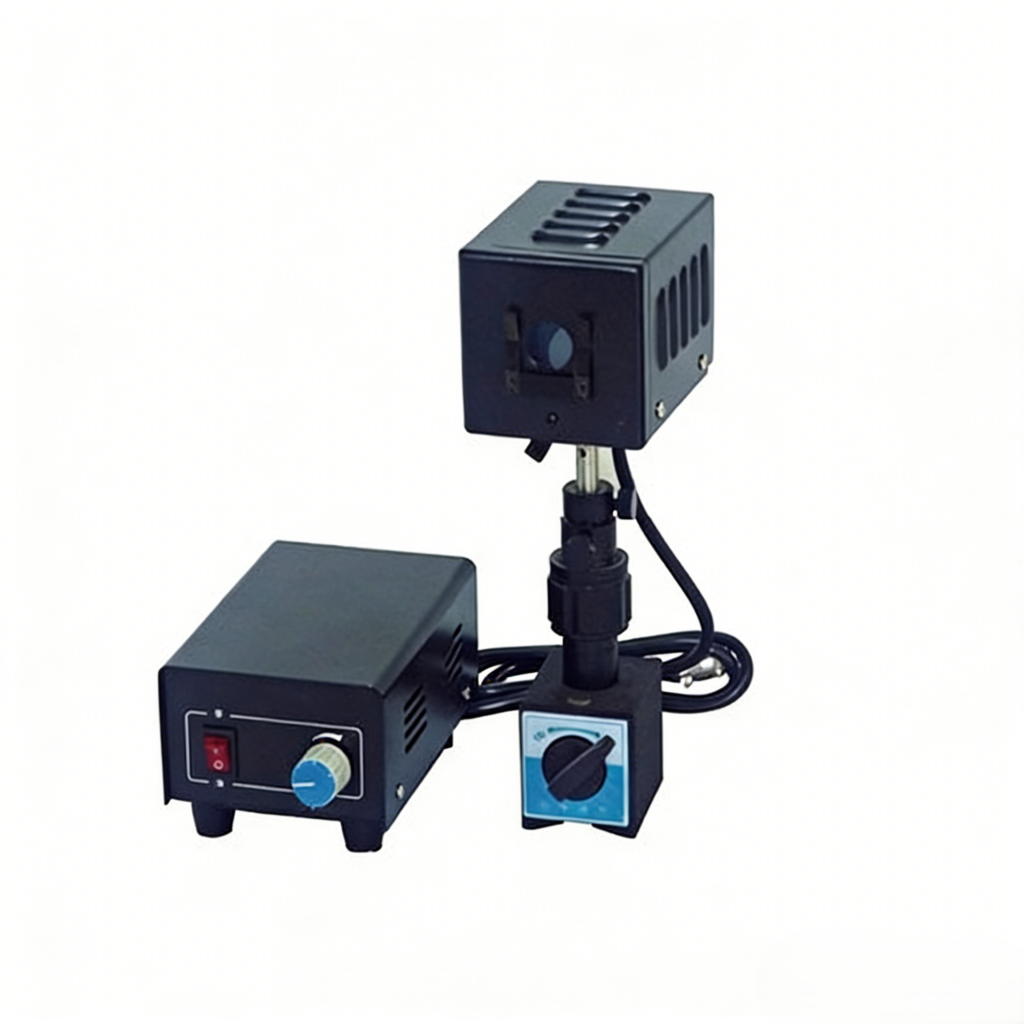
The Atomfair-POE-369 Photoelectric Orientation Experimental Instrument is a high-performance photoelectric positioning device crafted based on the electronic sum-difference principle. It adopts a laser as the light source and a four-quadrant detector as the photoelectric detection receiver, enabling intuitive and rapid observation, positioning, and tracking of target orientations. With its reliable performance and stable operation, this instrument has been widely applied in relevant fields, serving as an ideal tool for experimental research and technical verification.
Key Specifications & Configurations
1. External Dimensions & Weight
Chassis Dimensions: 514×314×140mm
Weight: ≤4Kg
2. Four-Quadrant Detector Technical Parameters
| Test Condition | Symbol | Typical Value | Unit |
| Photosensitive Surface Diameter | Φ | / | μm |
| Spectral Response Range | λ | 0.4-1.1 | μm |
| Responsivity (VR=40V, λ=1060nm) | Re | 0.2-0.45 | A/W |
| Responsivity (VR=40V, λ=900nm) | Re | 0.2-0.45 | A/W |
| Response Time (VR=40V) | tr | 6-8 | ns |
| Dark Current (VR=40V) | ID | 10 | nA |
| Reverse Breakdown Voltage (IR=10μA) | VBR | 80 | V |
| Capacitance (f=1MHz, VR=40V) | Ci | 5-8 | pF |
| Operating Voltage | VR | 40 | V |
| Tube Socket Model | / | TO-8 Type | / |
3. Light Source
Type: Semiconductor Laser
Wavelength: 650nm
Power: 5mW
Product Applications & Experimental Functions
This instrument is mainly designed for experimental teaching, scientific research, and technical development in fields related to photoelectric technology. It supports the following core experimental contents:
- Understand the performance characteristics of four-quadrant detectors through hands-on operations;
- Directly or indirectly determine the direction of targets, and observe the changes in position and intensity of visible light radiation on the four-quadrant detector;
- Measure the pulse drive signal of the laser;
- Measure the amplified signal of pulse light signals with the four-quadrant detector as the receiver;
- Display the light intensity of each quadrant and the centroid coordinates of the light spot through an upper computer, and verify the principle of the four-quadrant detector by observing the light spot display;
- Conduct coordinate calculation experiments;
- Perform data acquisition experiments on the output signals of the four-quadrant detector;
- Complete system assembly and commissioning experiments;
- Carry out hardware orientation experiments;
- Conduct sum-difference circuit operation experiments.
Ideal for educational institutions, research laboratories, and technical R&D teams, the Atomfair-POE-369 provides a practical and efficient platform for exploring photoelectric orientation technology and verifying related theories.
If you’re interested, have any questions, or have specific customization requirements, please feel free to contact us at inquiry@atomfair.com.
What experimental capabilities does the Atomfair-POE-369 support beyond basic orientation detection?
The Atomfair-POE-369 supports multiple core experiments including understanding four-quadrant detector characteristics, direct or indirect target direction determination, laser pulse drive signal measurement, amplified pulse signal measurement with the four-quadrant detector, centroid coordinate display and verification via upper computer, coordinate calculation, data acquisition on output signals, system assembly and commissioning, hardware orientation, and sum-difference circuit operation. This comprehensive set makes it suitable for photoelectric technology education and research.
How does the Atomfair-POE-369 verify the sum-difference principle through the upper computer display?
The upper computer displays the light intensity of each quadrant and the centroid coordinates of the light spot, allowing users to observe changes as the target orientation changes. By correlating the spot display with the sum-difference circuit operation experiments, users can experimentally verify the principle of the four-quadrant detector and the electronic sum-difference method for position determination.
What are the key performance characteristics of the four-quadrant detector in the Atomfair-POE-369 at its operating voltage?
At the operating voltage of 40V, the detector has a spectral response range of 0.4-1.1 μm, responsivity of 0.2-0.45 A/W at 900 nm and 1060 nm, response time of 6-8 ns, dark current of 10 nA, reverse breakdown voltage of 80V, and capacitance of 5-8 pF at 1 MHz. It comes in a TO-8 package. These specifications enable precise pulsed signal measurement and position tracking.
The Atomfair-POE-369 integrates a 650nm, 5mW semiconductor laser with a four-quadrant detector (0.4-1.1μm spectral range, 6-8ns response time) to provide a compact, bench-top platform for photoelectric orientation experiments, including sum-difference circuit verification and centroid coordinate analysis.
Positive
- Integrated laser and detector design: Combines a 650nm, 5mW semiconductor laser with a four-quadrant detector (0.4-1.1μm spectral range, 6-8ns response time) in a single 514×314×140mm chassis, enabling direct evaluation of photoelectric orientation principles without external optical alignment.
- Comprehensive experimental coverage: Supports a wide range of hands-on experiments including sum-difference circuit operation, centroid coordinate calculation, and data acquisition, making it suitable for both educational and research settings.
Trade-offs
- Requires external upper computer: The instrument relies on an external upper computer for displaying light intensity and centroid coordinates, so a compatible PC and software setup are necessary for full experimental functionality.
- Fixed operating parameters: The detector operates at a fixed reverse voltage of 40V and the laser is fixed at 650nm/5mW, limiting flexibility for experiments requiring different wavelengths or detector bias conditions.
Every advanced material, component, equipment, and instrument in our catalog is backed by rigorous testing. We maintain strict internal quality management frameworks and align with CE conformity metrics to deliver transparent, reproducible performance data via our public open-science repository.
To request raw batch performance data, submit formal vendor registration paperwork, or execute a fast-turnaround R&D manufacturing loop, contact us at inquiry@atomfair.com.
Item is dispatched under the Atomfair Shipping & Delivery Framework (Free worldwide shipping on orders over $59 USD excl. heavy equipment). Return is governed by the Atomfair Return & Refund Policy (7-day technical return window).