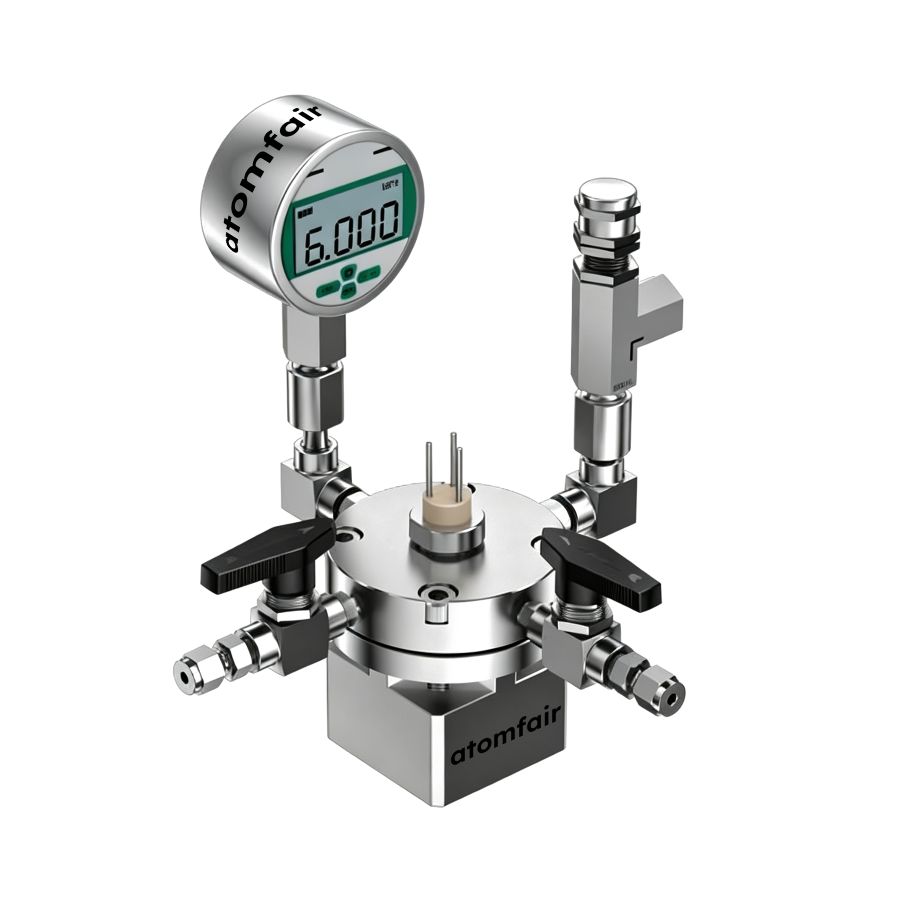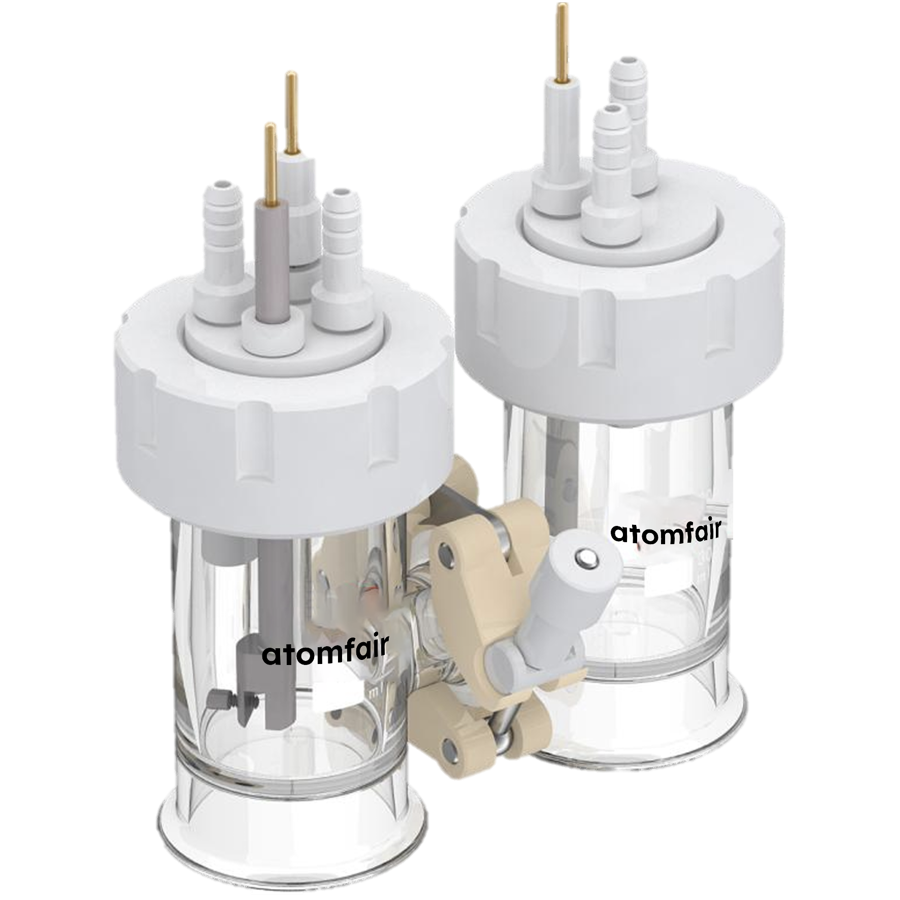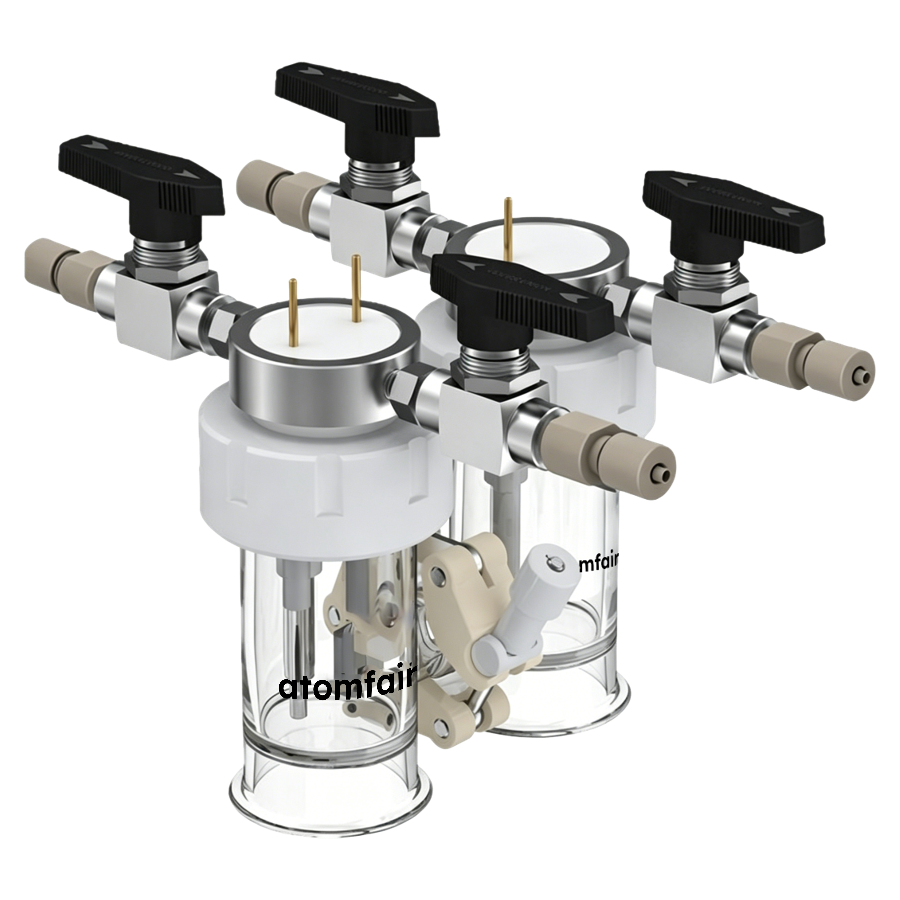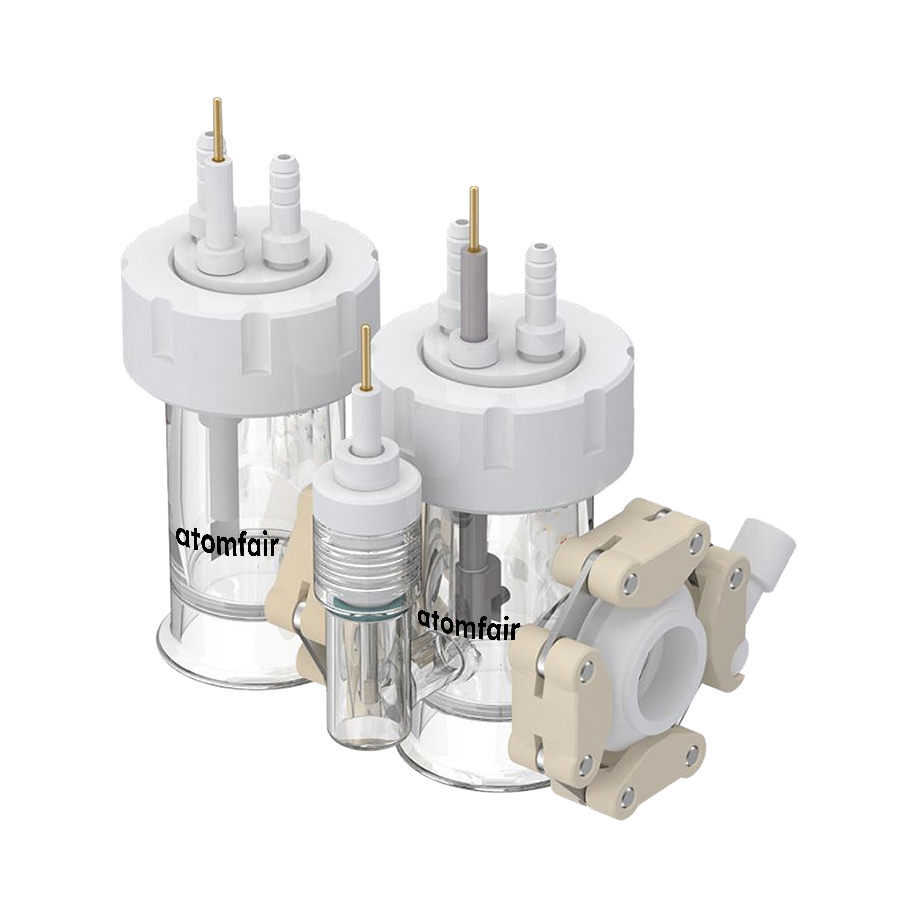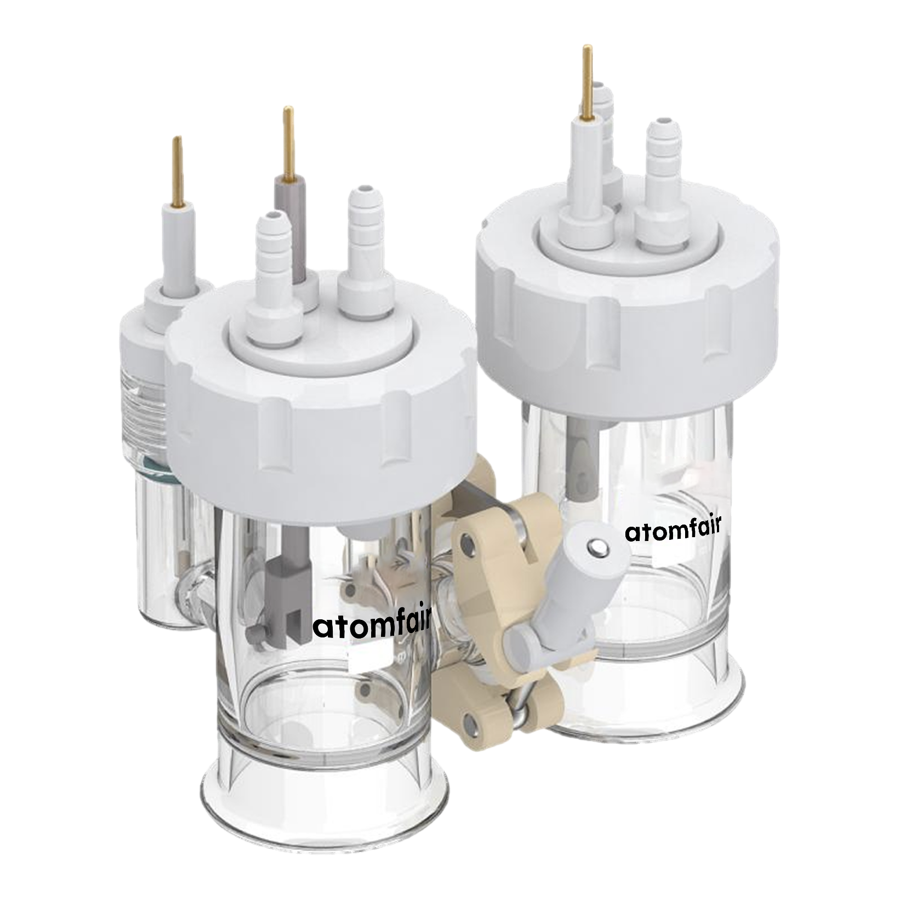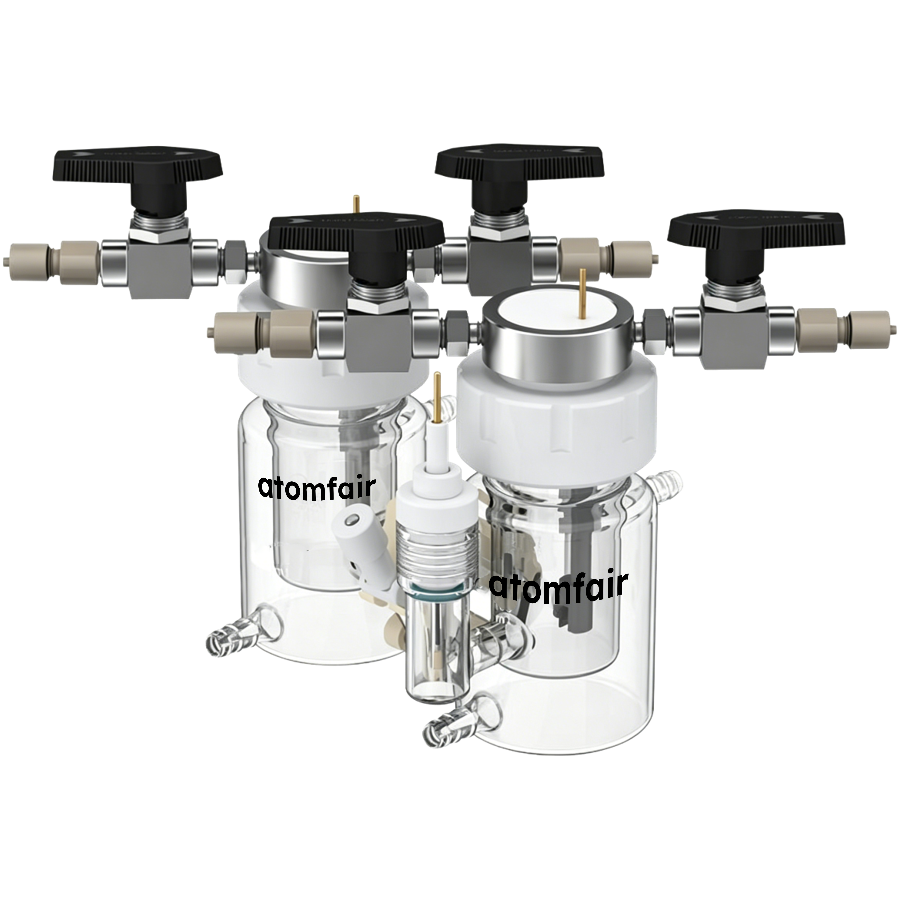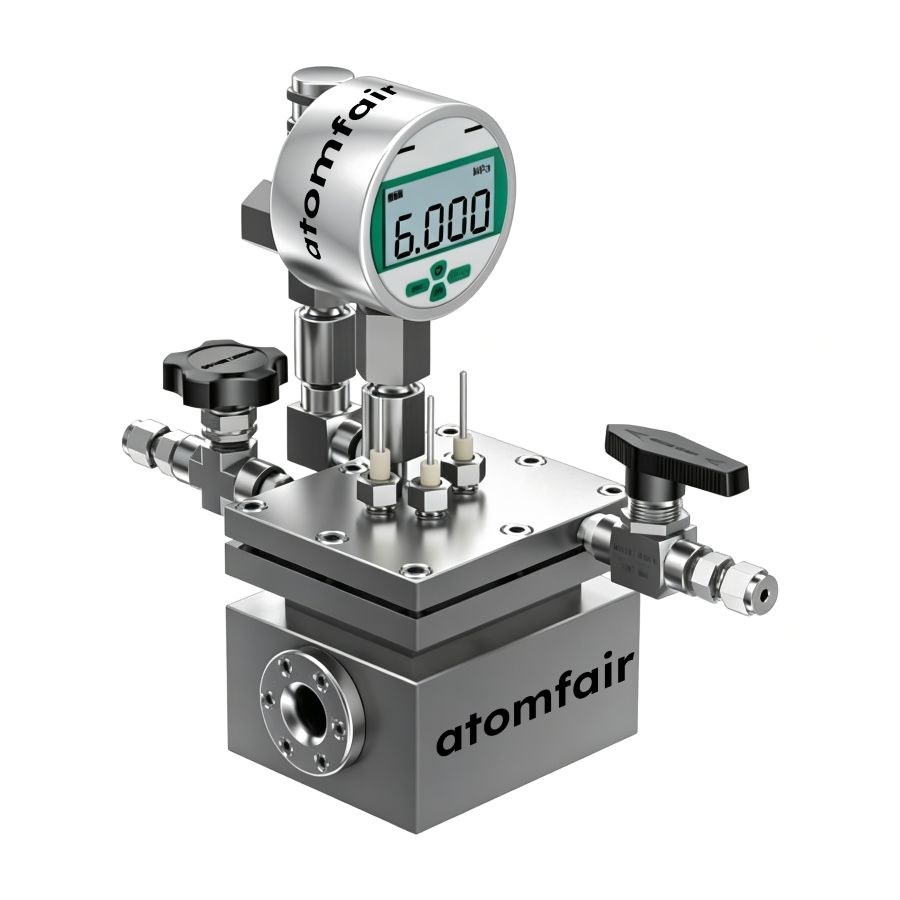
Dual-Chamber High-Pressure Electrochemical Cell with Optical Window, Internal Membrane ExchangeProduct Type: High-pressure electrochemical cell
Research-grade laboratory product
|
|||||||||||||||||||||||||
|
|||||||||||||||||||||||||
|
LABORATORY PROCUREMENT SUPPORT
For model selection, technical compatibility or configuration confirmation, contact our technical sales team.
E-MAIL: inquiry@atomfair.com
|
|||||||||||||||||||||||||
|
Manufacturer: Atomfair LLC LLC
Brand: ATOMFAIR®
|
This cell is designed for use at pressures up to 6 MPa and requires careful handling to prevent pressure-related accidents. The quartz optical window is fragile and must be protected from mechanical and chemical damage.
- Pressure Compliance: Do not exceed the specified maximum pressure of 6 MPa to avoid structural failure or leakage.
- Material Compatibility: Verify that the electrolyte and other chemicals are compatible with titanium, stainless steel 304, and quartz glass before use.
- Electrode Chamber Isolation: Ensure that the reference and working electrode chamber remains separated from the counter electrode chamber to maintain proper electrochemical function.
- Window Integrity: Handle the quartz optical window with care; clean using only approved methods to preserve transmittance.
This cell is used for high-pressure electrochemical experiments requiring separate electrode chambers and optical access. Proper assembly and pressurization are critical to ensure safety and data integrity.
Required Equipment: Potentiostat, Pressure regulator
- Inspect Components
Inspect the cell body and O-rings for any damage before assembly. - Insert Electrodes
Insert the reference and working electrodes into the designated chamber, and the counter electrode into the separate chamber. - Secure Window
Secure the quartz optical window in place using the retaining ring, ensuring a leak-tight seal. - Pressurize Cell
Connect the valve to a pressure source and slowly pressurize the cell to the desired operating pressure, monitoring the gauge. - Depressurize and Disassemble
Vent the pressure after the experiment and carefully disassemble the cell to clean the components.
What is the maximum pressure rating of the Atomfair AF-HP-INTW dual-chamber cell and how does the quartz window transmittance affect optical measurements?
The cell is rated for a maximum pressure of 6 MPa. The integrated quartz optical window provides >95% transmittance, ensuring minimal optical loss for in situ spectroscopic measurements even under high pressure.
Which electrodes and membranes are compatible with the AF-HP-INTW high-pressure cell?
The cell supports a three-electrode system with reference and working electrodes in one chamber and counter electrode in the other. Electrodes, membranes, windows, and gas diffusion electrodes are separately purchased and must be confirmed for the selected configuration.
What material considerations are important when using the AF-HP-INTW cell for corrosive electrochemical systems?
The cell body is constructed from titanium for high corrosion resistance, while the valve material is stainless steel 304. Users should verify chemical compatibility of these materials with their specific electrolyte system.
The AF-HP-INTW dual-chamber high-pressure electrochemical cell integrates a quartz optical window (>95% transmittance) with titanium construction and 6 MPa pressure rating, enabling in-situ spectroscopic electrochemistry with separated electrode chambers and internal membrane exchange capability.
Positive
- High-transmittance quartz optical window: Quartz window with >95% transmittance enables in-situ spectroscopic monitoring of electrochemical reactions under high pressure.
- Separated electrode chambers with membrane exchange: Reference and working electrodes isolated from counter electrode in separate chambers, allowing membrane-based ion transport studies and reduced cross-contamination.
Trade-offs
- Moderate maximum pressure of 6 MPa: The 6 MPa (approx. 60 bar) pressure rating limits applications to moderate-pressure regimes; not suitable for ultra-high-pressure electrochemical studies.
- Small dual-chamber volume (20 mL each): Each chamber holds only 20 mL, restricting electrode size and reaction volume; may require miniaturized electrode configurations.
Every advanced material, component, equipment, and instrument in our catalog is backed by rigorous testing. We maintain strict internal quality management frameworks and align with CE conformity metrics to deliver transparent, reproducible performance data via our public open-science repository.
To request raw batch performance data, submit formal vendor registration paperwork, or execute a fast-turnaround R&D manufacturing loop, contact us at inquiry@atomfair.com.
Item is dispatched under the Atomfair Shipping & Delivery Framework (Free worldwide shipping on orders over $59 USD excl. heavy equipment). Return is governed by the Atomfair Return & Refund Policy (7-day technical return window).