|
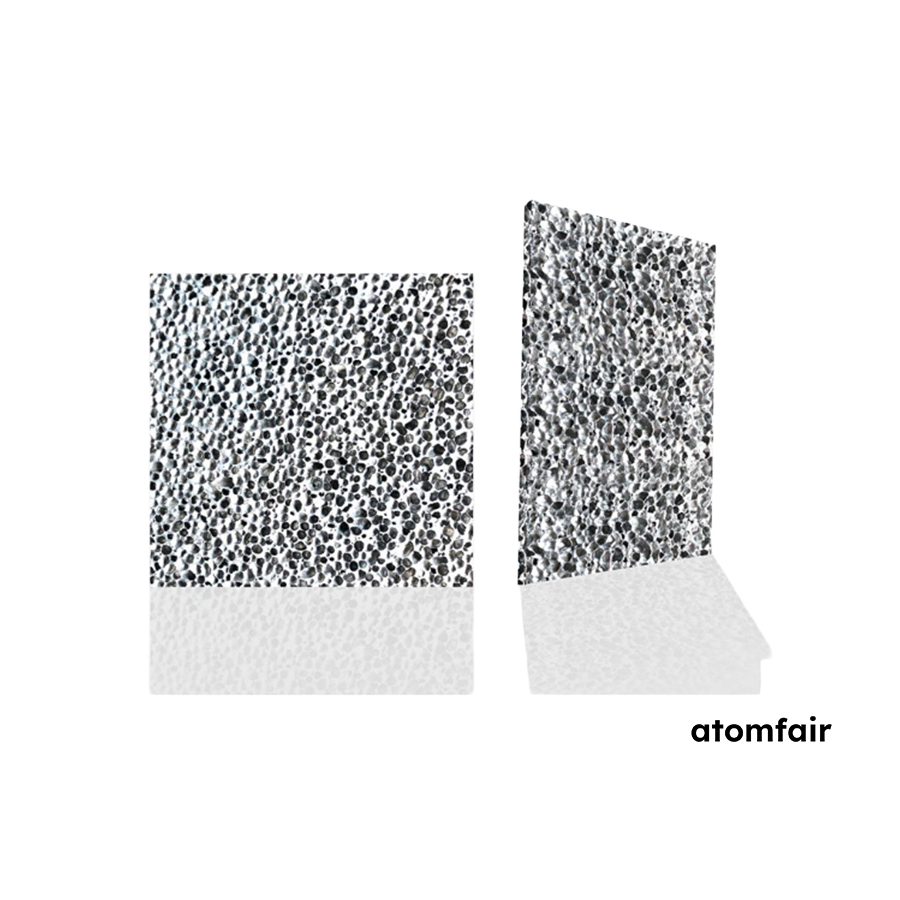
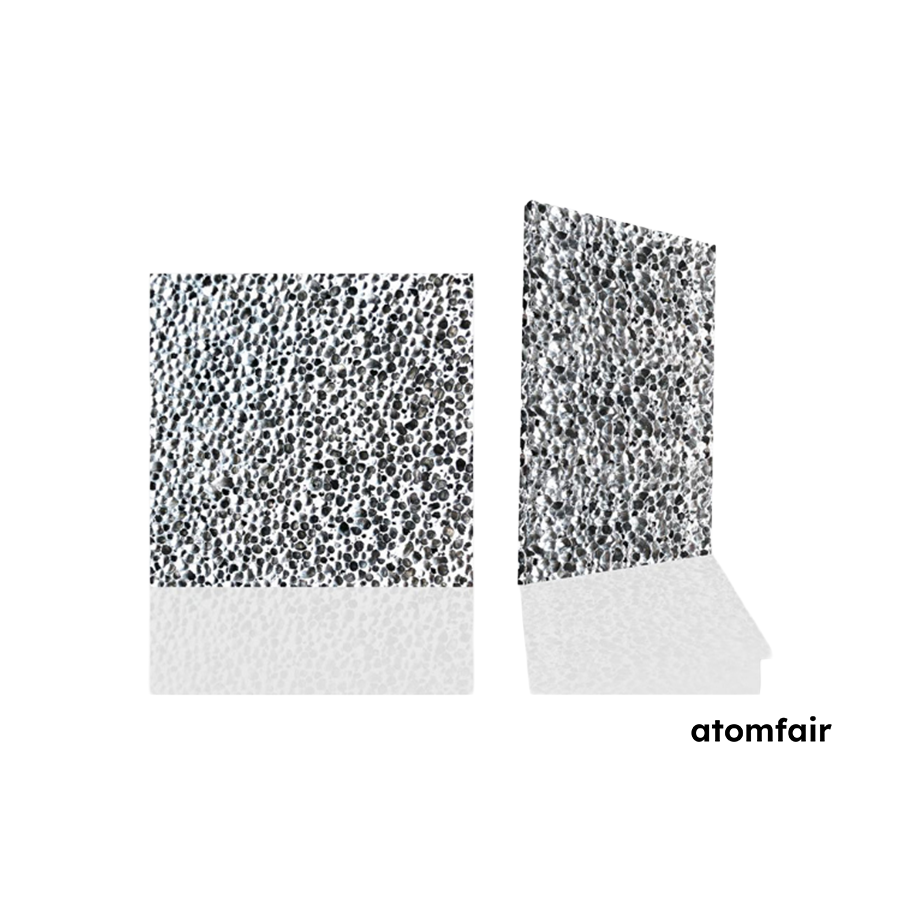
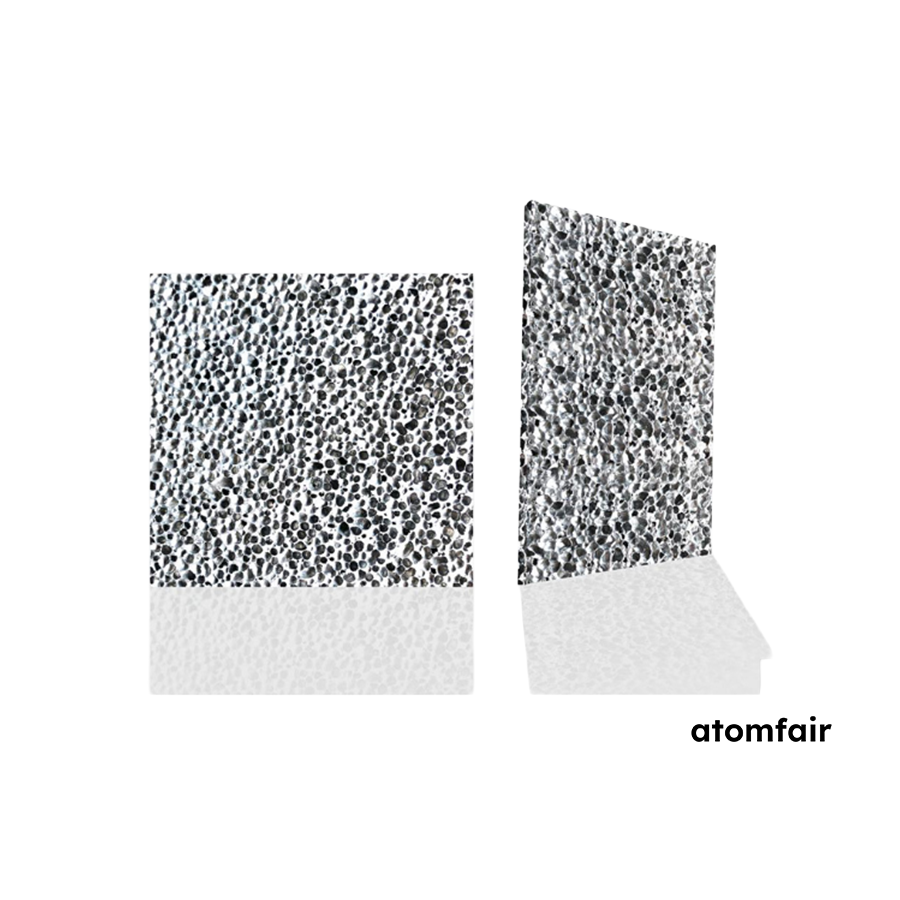
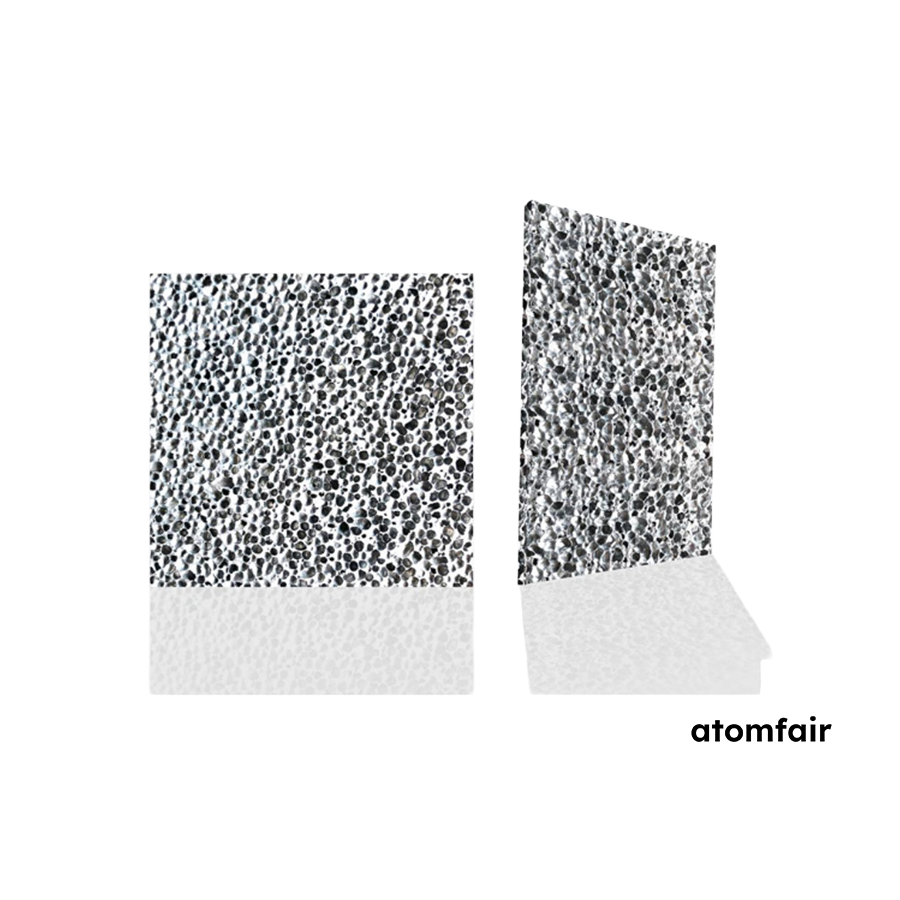
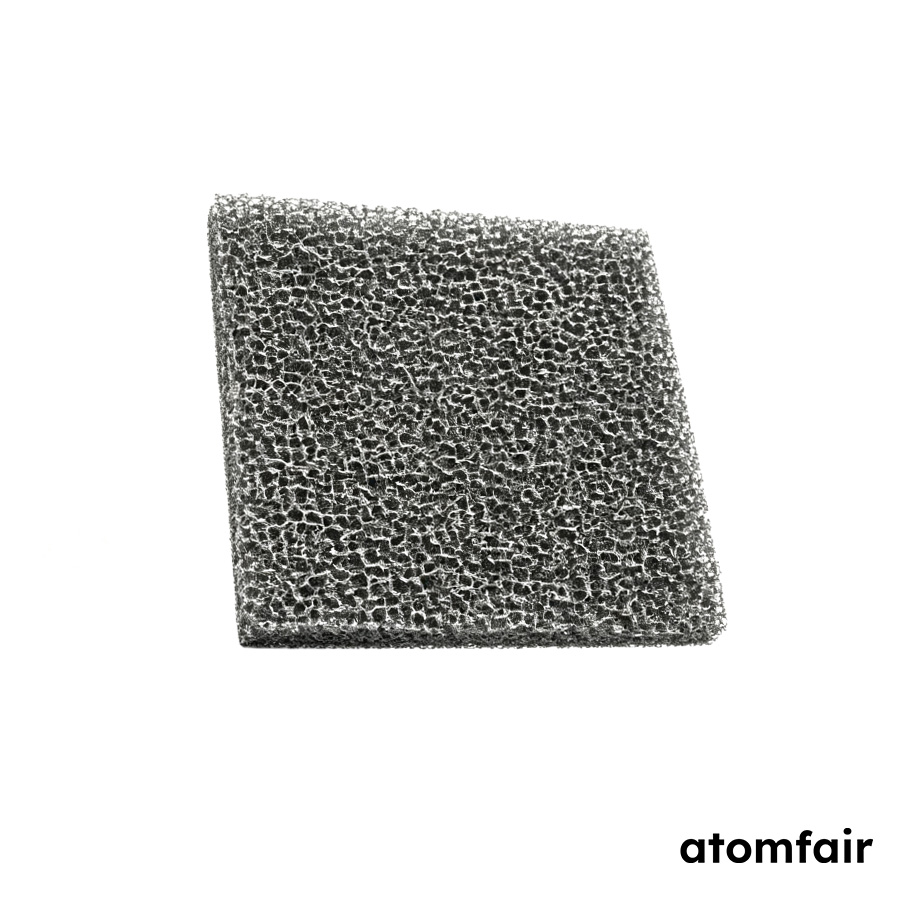
Laboratory Open-Cell Nickel Foam, 30 PPI, 100 × 200 × 5 mm, 1/5 pcs
Research-grade laboratory product
|
|||||||||||||||||||||||||||||||||||||||||||||||||||||||||
|
|||||||||||||||||||||||||||||||||||||||||||||||||||||||||
|
LABORATORY PROCUREMENT SUPPORT
For PPI selection, sheet-dimension confirmation, package support or application-specific configuration review, contact our technical sales team.
E-MAIL: inquiry@atomfair.com
|
|||||||||||||||||||||||||||||||||||||||||||||||||||||||||
|
Manufacturer: Atomfair LLC
Brand: ATOMFAIR®
|
Store the sheets in a clean, dry area to prevent contamination. Protect the open cellular surface from heavy impact, crushing, and contamination to preserve structural integrity.
- Storage Requirement: Store the sheets in a clean, dry area.
- Mechanical Protection: Protect the open cellular surface from heavy impact, crushing, and contamination.
- Pre-Use Inspection: After delivery, check the package condition, sheet dimensions, and visible pore structure before cutting, bonding, or installing the material.
Follow these steps to safely store and inspect the nickel foam sheets before use. Proper handling ensures the porous structure remains intact and free from contamination.
- Store in Clean Dry Area
Store the sheets in a clean, dry area to prevent moisture and dust contamination. - Inspect Package and Dimensions
Check the package condition, sheet dimensions, and visible pore structure before cutting, bonding, or installing the material. - Protect from Impact and Crushing
Protect the open cellular surface from heavy impact, crushing, and contamination during handling and storage.
How does the 30 PPI pore density of this nickel foam balance permeability and surface area for electrochemical applications?
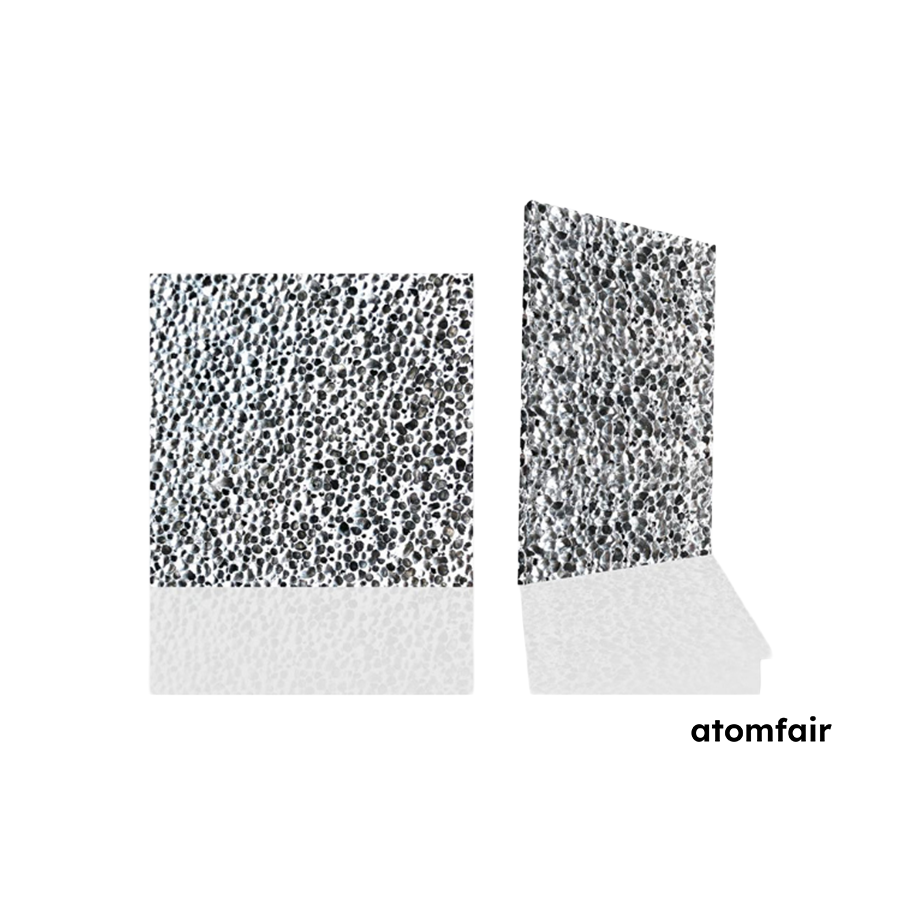
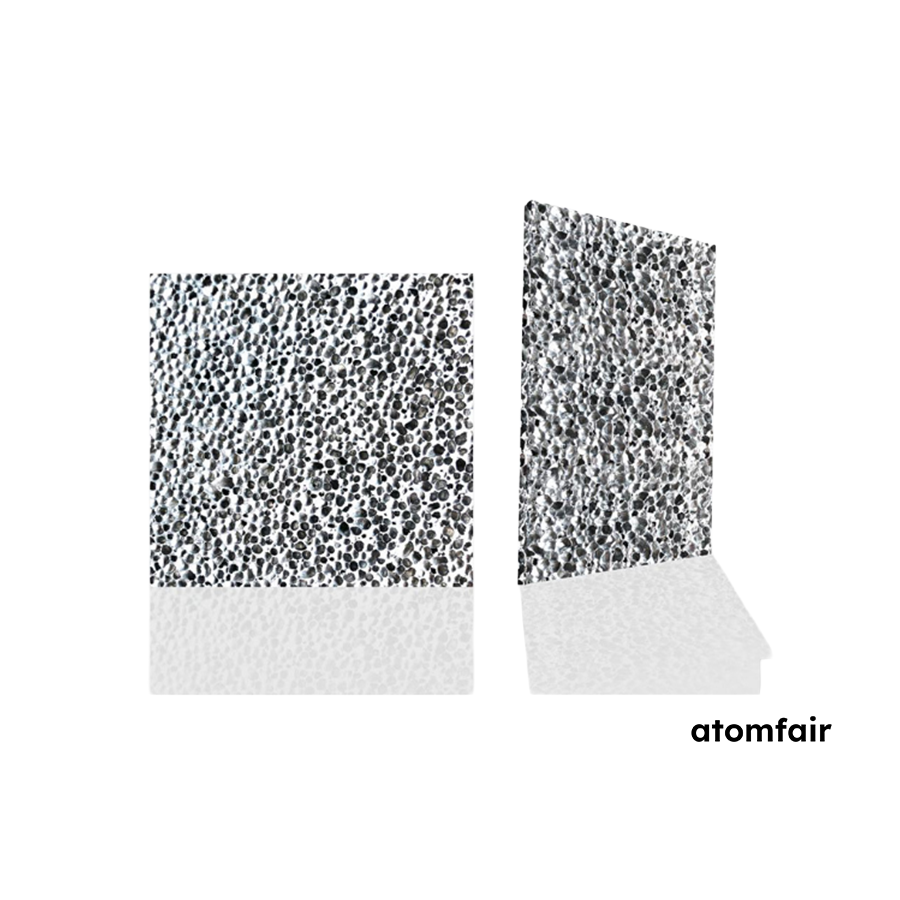
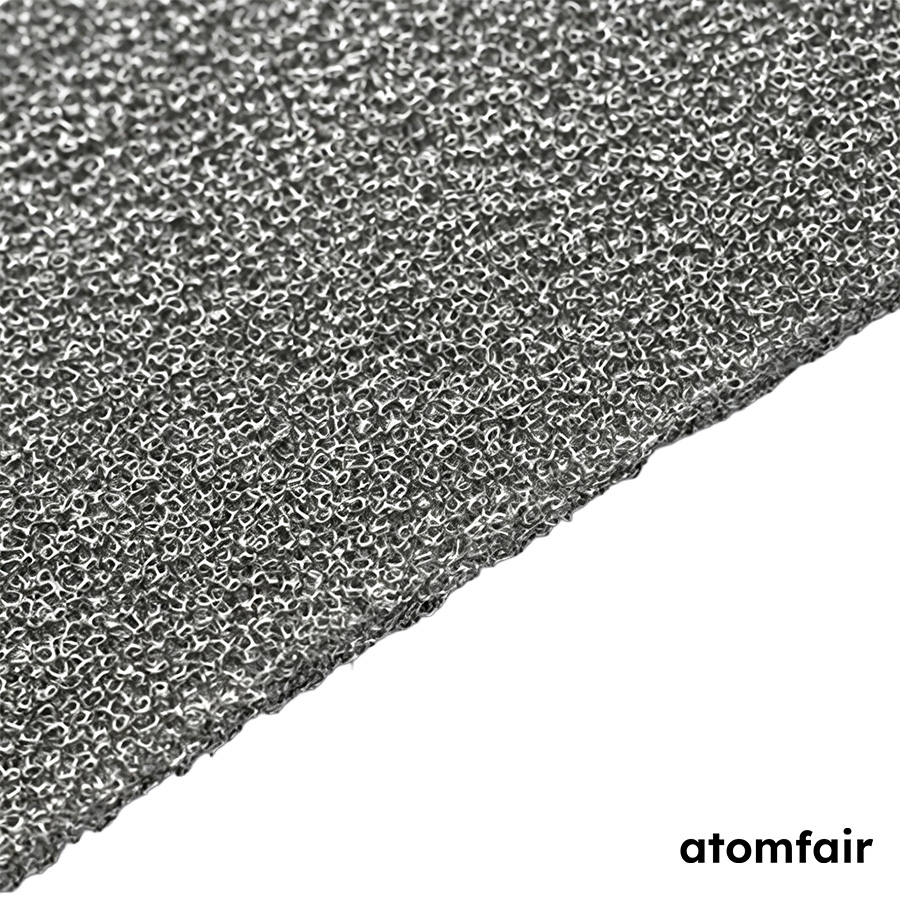
The 30 PPI specification corresponds to an approximate 0.85 mm nominal pore pitch, providing a balance between open flow and internal surface exposure. With porosity ranging from 60–98% and a through-pore rate ≥98%, the structure allows efficient reactant transport while maintaining extensive surface area for catalytic or electrode loading. This makes it suitable for battery electrodes, fuel cells, and electrocatalysis where both mass transfer and active site density are critical.
Is this nickel foam chemically compatible with alkaline electrolytes used in hydrogen electrolysis?
Yes, the foamed nickel material is listed as resistant to acid and alkali conditions, making it suitable for alkaline electrolysis environments. The open-cell nickel skeleton provides electrical conductivity and corrosion resistance needed for hydrogen evolution and oxygen evolution reactions. However, confirm operating temperature and specific electrolyte concentration against the material's listed temperature resistance (≥500°C) and mechanical strength (≥2–7 MPa) before integration.
What storage and handling precautions are required to preserve the structural integrity of this 30 PPI nickel foam sheet?
Store the sheets in a clean, dry area and protect the open cellular surface from heavy impact, crushing, and contamination. After delivery, inspect package condition, sheet dimensions, and visible pore structure before cutting, bonding, or installing. The foam can be cut, bent, or bonded for downstream fabrication, but care should be taken to avoid collapsing the open-pore network.
This 30 PPI nickel foam sheet (100×200×5 mm) provides a high-porosity (60–98%) open network with ≥98% through-pore rate, low bulk density (0.1–0.8 g/cm³), and high-temperature resistance (>1100°C), making it suitable for electrode, catalyst, and filtration research; however, its compressive strength (≥250 kPa) and handling sensitivity require careful application and storage.
Positive
- High porosity and through-pore rate: 60–98% porosity with ≥98% through-pore rate ensures efficient gas/liquid transport and extensive internal surface exposure for electrochemical and catalytic applications.
- Lightweight and high-temperature resistant: Specific gravity of 0.2–0.3 (about one-tenth of aluminum) and temperature resistance above 1100°C enable lightweight, high-temperature-capable structures.
Trade-offs
- Sensitive to handling and contamination: Open cellular surface must be protected from heavy impact, crushing, and contamination; clean, dry storage is required.
- Low compressive strength: Compressive strength is only ≥250 kPa, limiting structural load-bearing applications; the material is intended for porous, non-structural uses.
Every advanced material, component, equipment, and instrument in our catalog is backed by rigorous testing. We maintain strict internal quality management frameworks and align with CE conformity metrics to deliver transparent, reproducible performance data via our public open-science repository.
To request raw batch performance data, submit formal vendor registration paperwork, or execute a fast-turnaround R&D manufacturing loop, contact us at inquiry@atomfair.com.
Item is dispatched under the Atomfair Shipping & Delivery Framework (Free worldwide shipping on orders over $59 USD excl. heavy equipment). Return is governed by the Atomfair Return & Refund Policy (7-day technical return window).