|
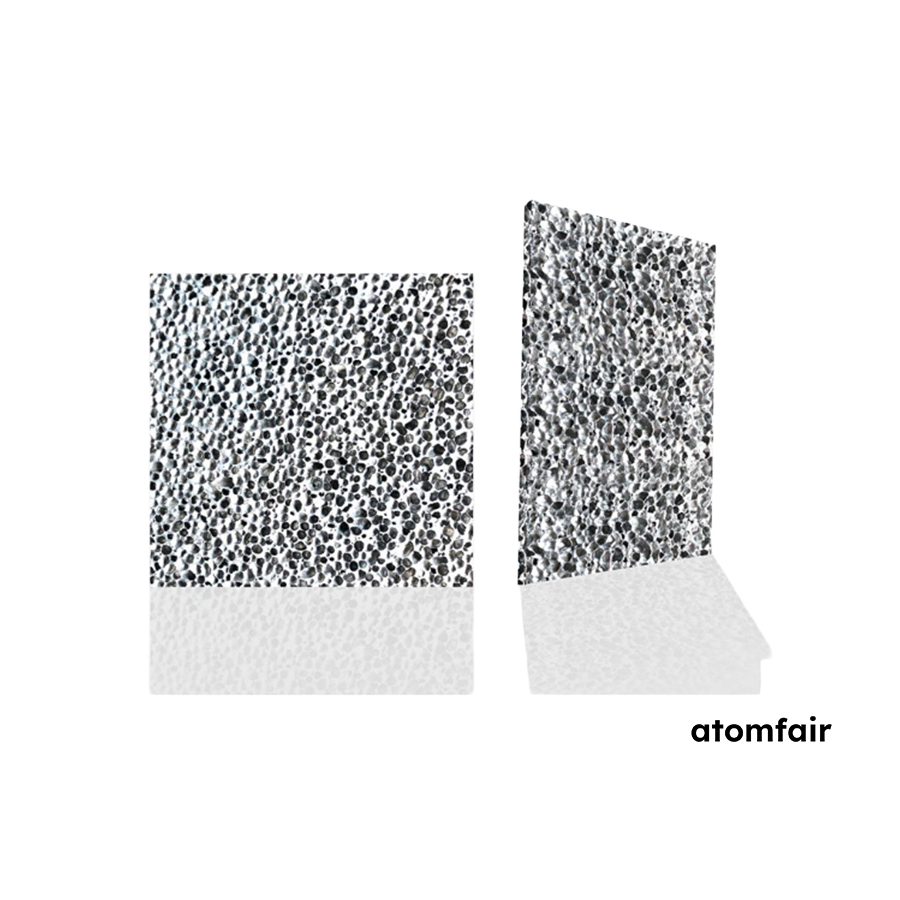
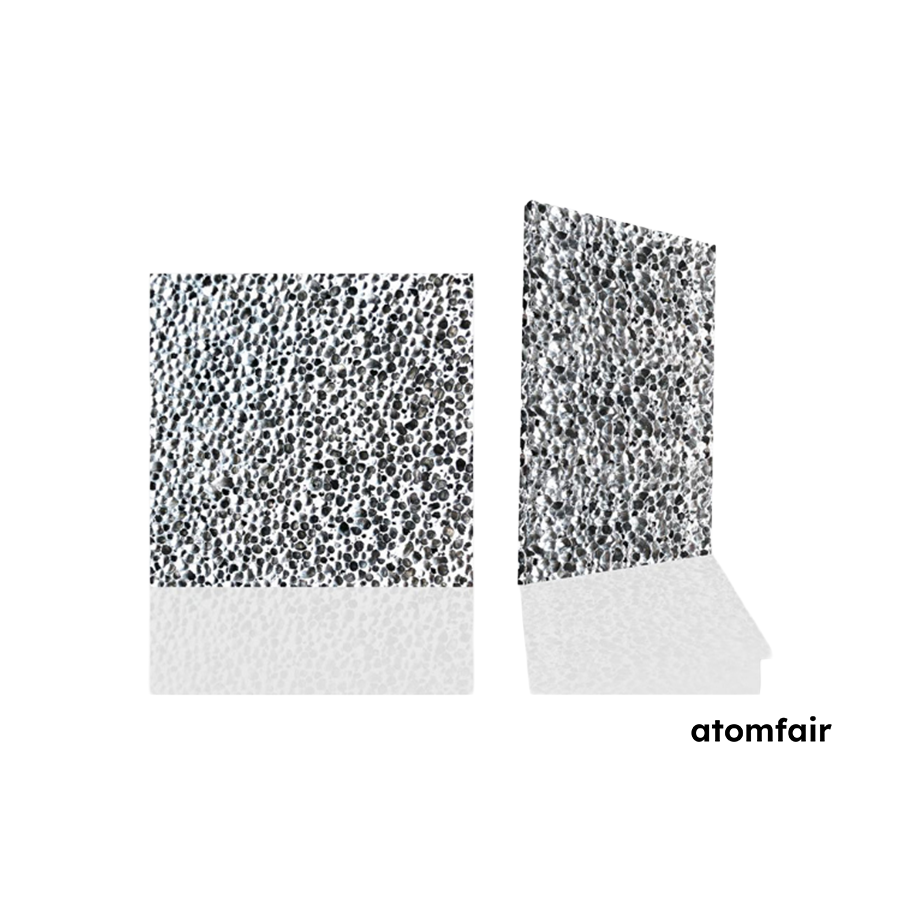
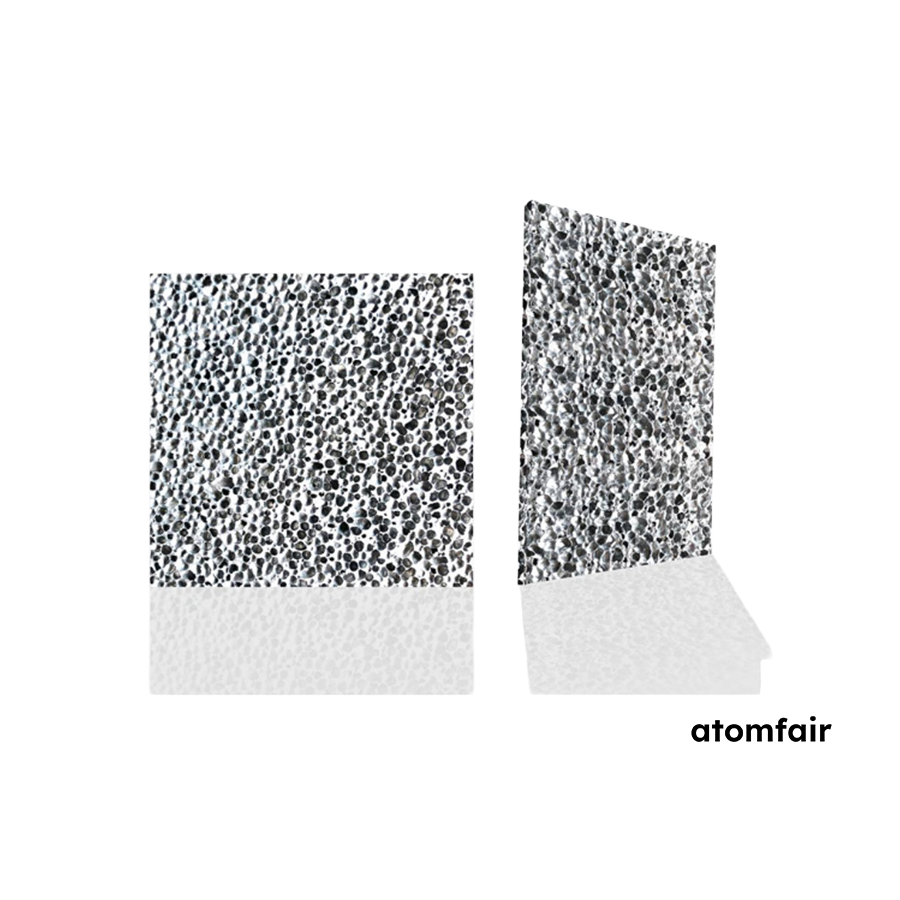
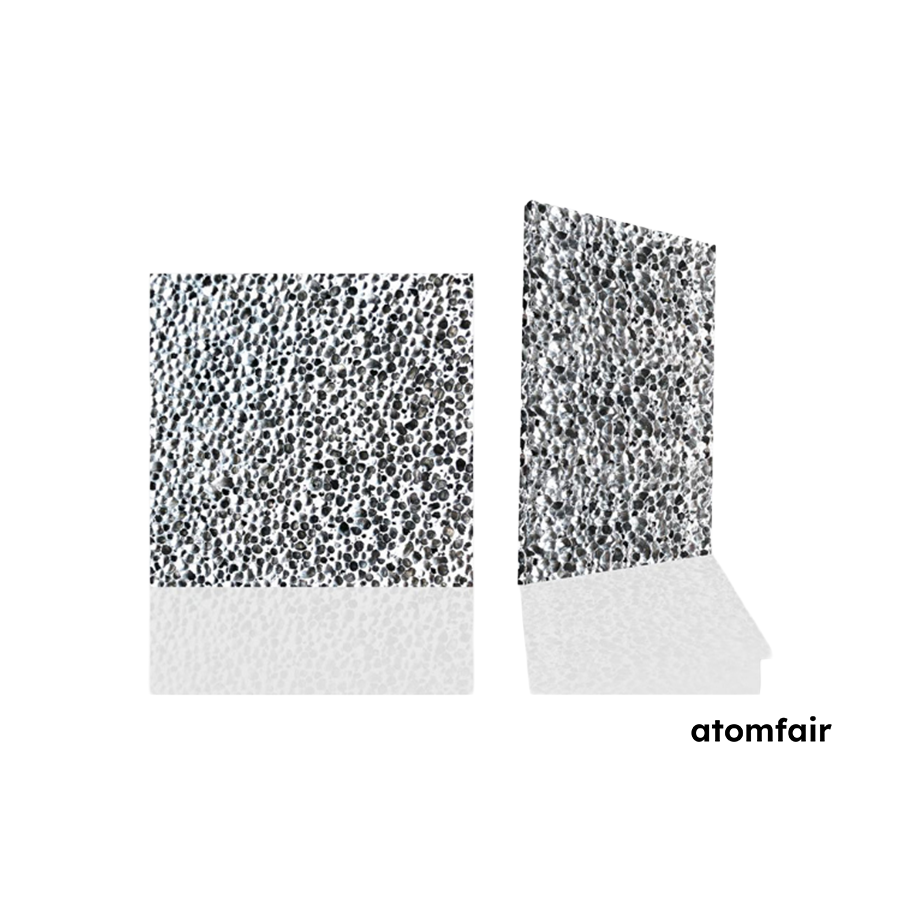
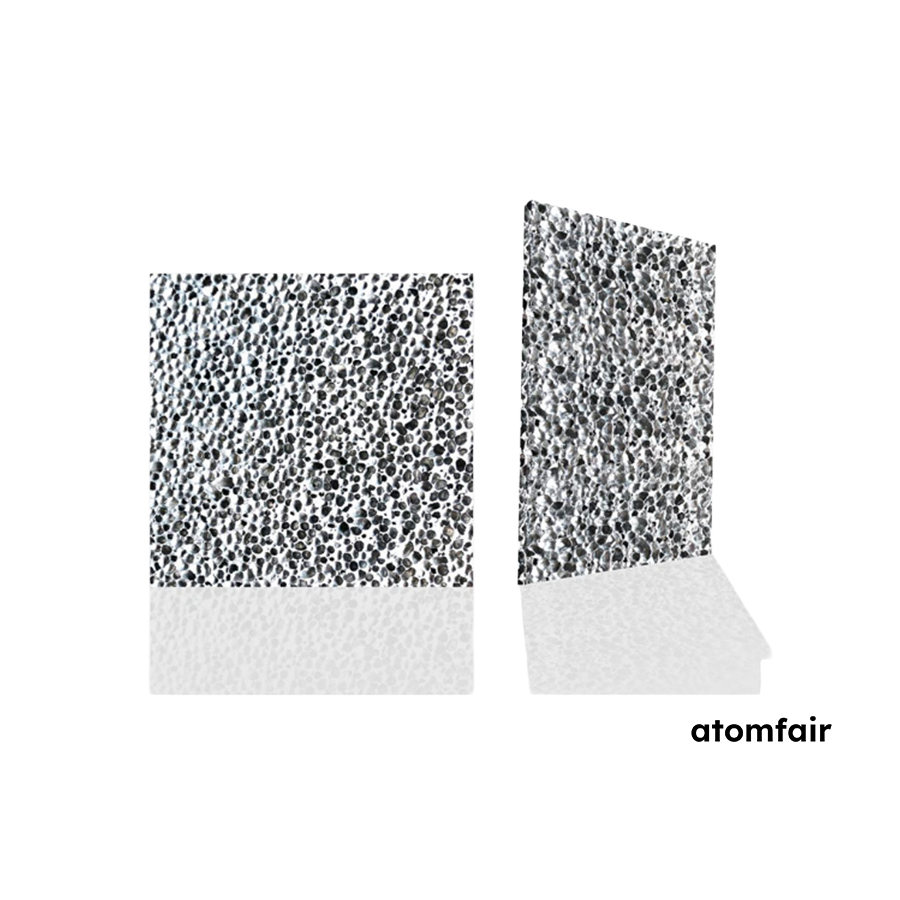
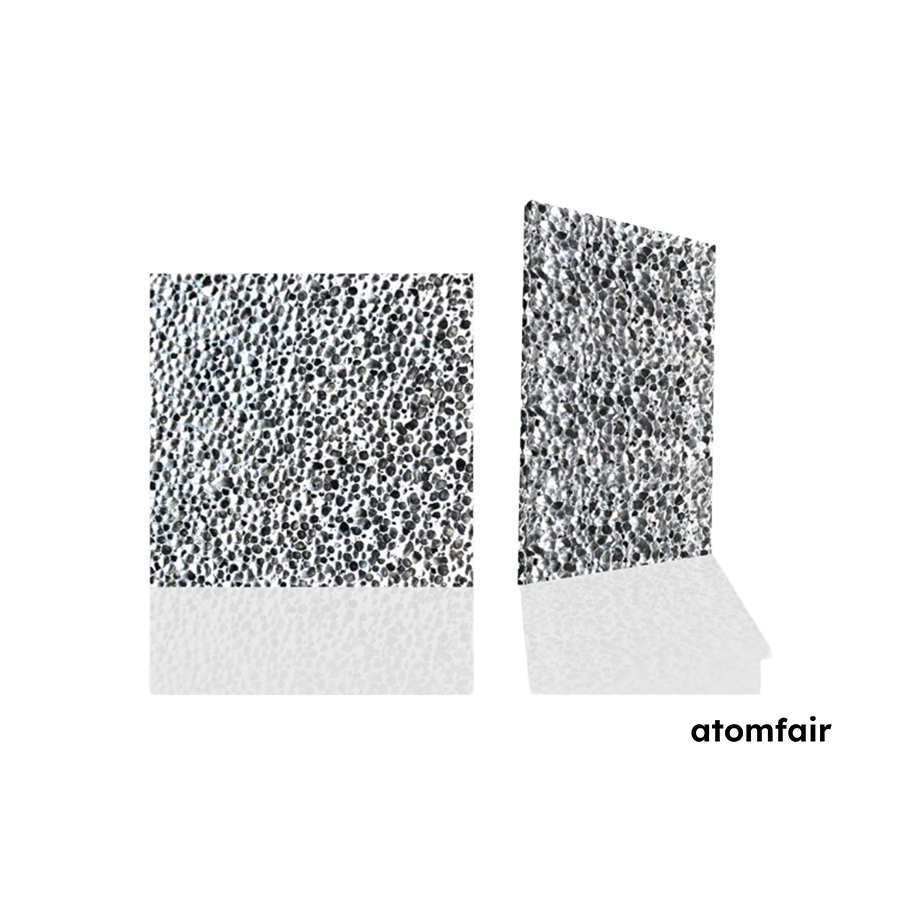
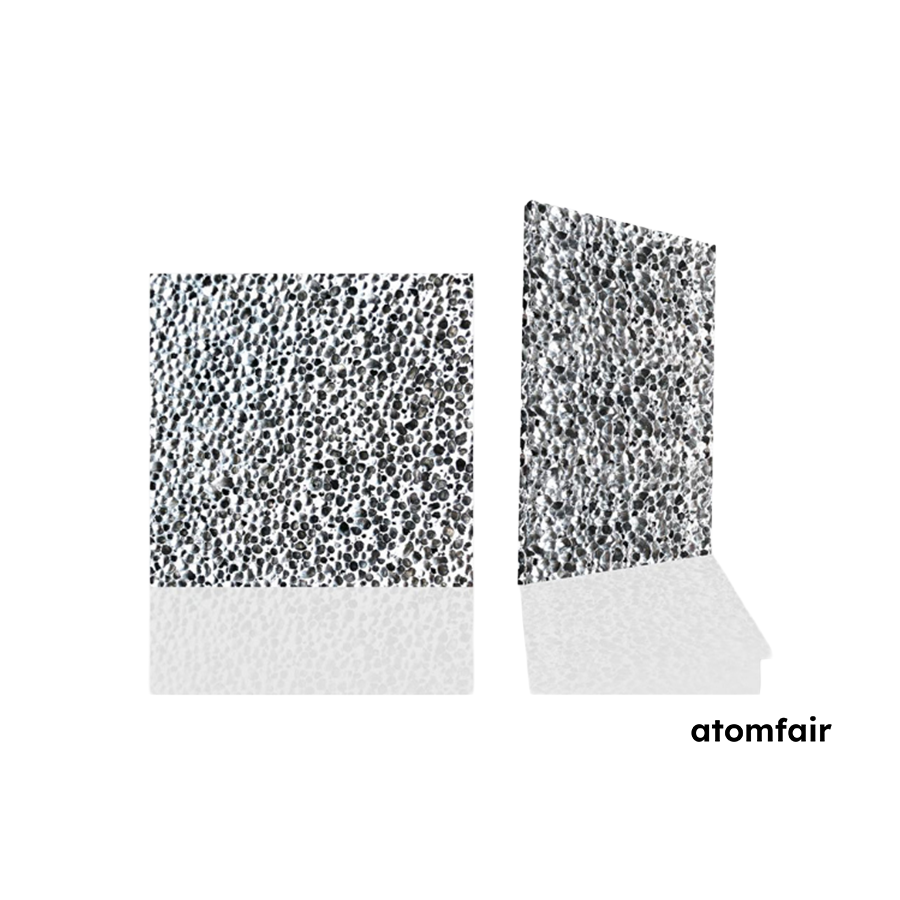
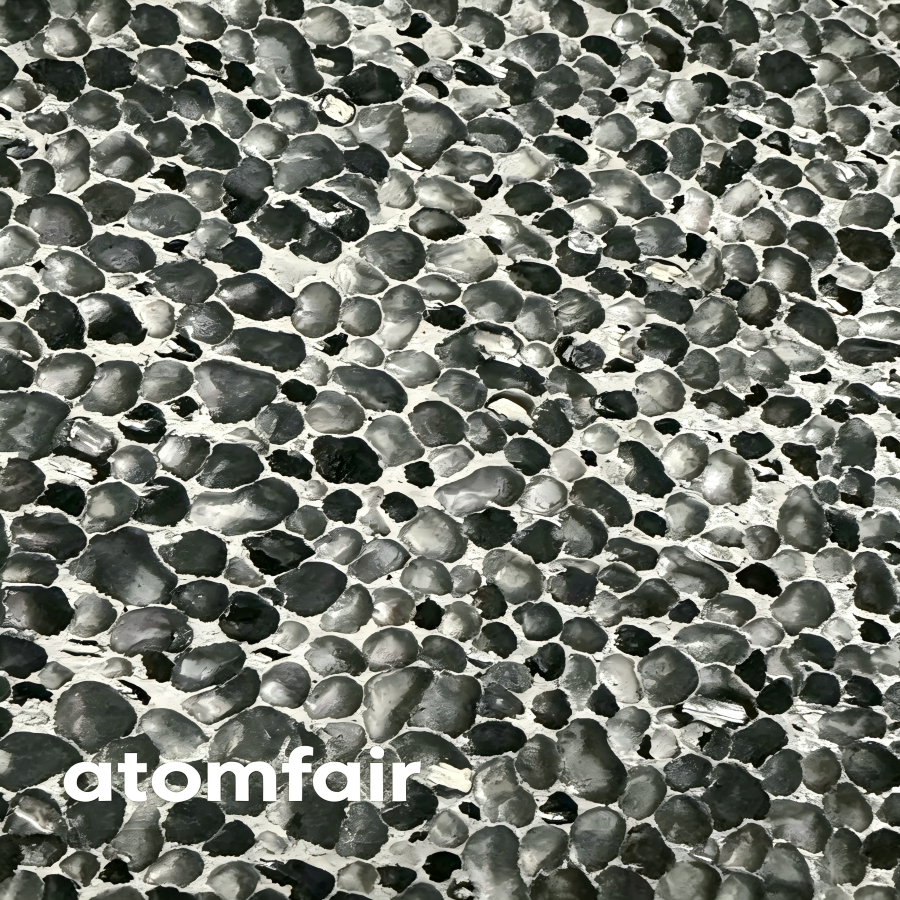
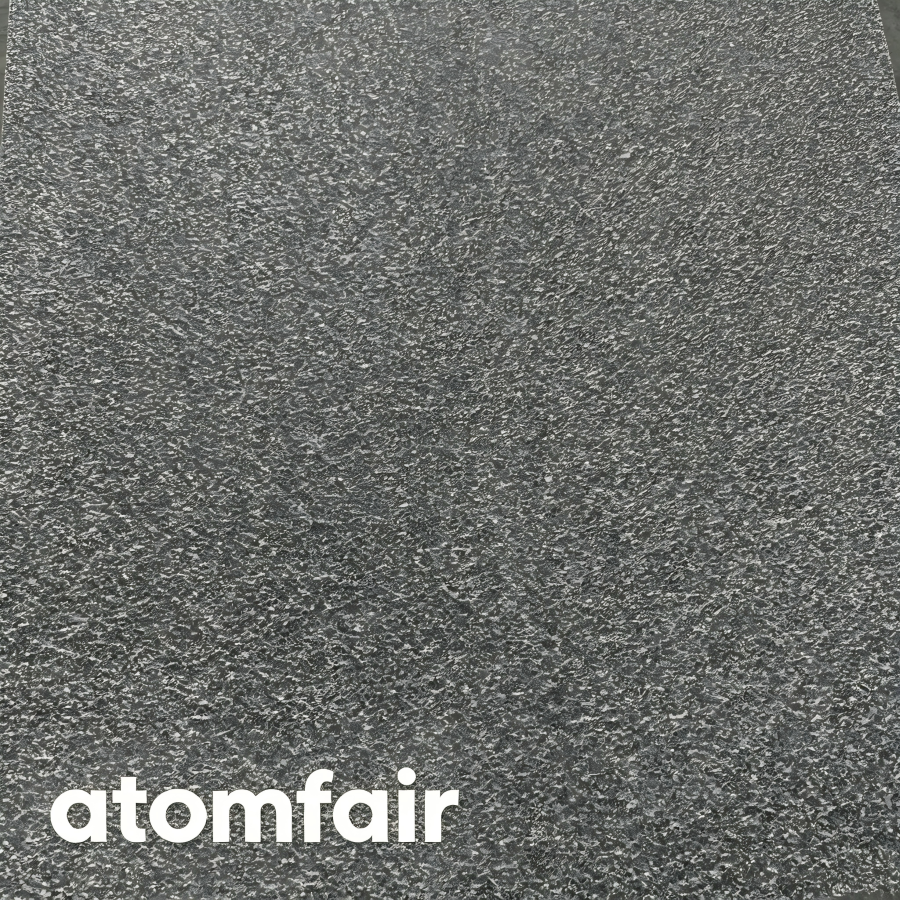
Open-Cell Aluminum Foam, 5–6 mm Pore Size, 200 × 200 × 6 mm, 5/10 pcs
Research-grade laboratory product
|
|||||||||||||||||||||||||||||||||||
|
|||||||||||||||||||||||||||||||||||
|
TAILORED SOLUTIONS FOR RESEARCH
For pore-size selection, sheet-dimension confirmation, package support or application-specific guidance, contact our engineering sales team.
EMAIL: inquiry@atomfair.com
|
|||||||||||||||||||||||||||||||||||
|
Manufacturer: Atomfair LLC
Brand: ATOMFAIR®
|
Store open-cell aluminum foam sheets in a clean, dry environment to prevent contamination. Protect the cellular surface from heavy impact, crushing, and physical damage to maintain structural integrity.
- Inspection Procedure: Inspect the package condition, sheet dimensions, and visible pore structure before cutting, bonding, or installing the material.
What is the typical open-cell rate of the Atomfair AF-O56-20-T06 aluminum foam and how does it affect fluid flow?
The typical open-cell rate is 55–65%. This interconnected open-pore network provides continuous passages through the metallic cellular structure, supporting airflow, fluid passage, and light transmission through the sheet.
Can this open-cell aluminum foam be used for light-transmitting structures?
Yes, the product is described as a translucent/light-transmitting open-cell structure and is explicitly listed as suitable for light-transmitting structures in its application scope. The open geometry allows light to pass through the interconnected pores.
What are the recommended storage and handling conditions for the Atomfair aluminum foam sheets?
Store the sheets in a clean, dry area and protect the cellular surface from heavy impact, crushing, and contamination. After delivery, check the package condition, sheet dimensions, and visible pore structure before cutting, bonding, or installing the material.
The Atomfair AF-O56-20-T06 open-cell aluminum foam sheet (200×200×6 mm, 5–6 mm pore size) provides a rigid, lightweight porous medium with interconnected passages suitable for heat-transfer, filtration, acoustic, and light-transmission studies. Its 70–90% porosity and 55–65% open-cell rate define the balance between flow capacity and structural integrity.
Positive
- Interconnected open-pore network: The continuous open passages through the metallic cellular structure enable unimpeded airflow, fluid passage, and light transmission, making the sheet effective for heat-dissipation studies, filtration assemblies, and acoustic-control experiments.
- Lightweight aluminum-alloy framework: The foamed aluminum alloy provides a rigid yet lightweight porous medium that can be easily cut, bonded, or integrated into test fixtures, prototype housings, and layered assemblies without adding significant mass.
Trade-offs
- Moderate open-cell rate limits flow: With a typical open-cell rate of only 55–65%, a portion of the pore volume consists of closed cells that do not contribute to through-flow, potentially reducing effective permeability for gas or liquid passage compared to higher-open-cell-rate foams.
- Sensitive to impact and contamination: The cellular surface is vulnerable to crushing, heavy impact, and particulate contamination, requiring careful handling and storage in a clean, dry environment to preserve pore structure and performance.
Every advanced material, component, equipment, and instrument in our catalog is backed by rigorous testing. We maintain strict internal quality management frameworks and align with CE conformity metrics to deliver transparent, reproducible performance data via our public open-science repository.
To request raw batch performance data, submit formal vendor registration paperwork, or execute a fast-turnaround R&D manufacturing loop, contact us at inquiry@atomfair.com.
Item is dispatched under the Atomfair Shipping & Delivery Framework (Free worldwide shipping on orders over $59 USD excl. heavy equipment). Return is governed by the Atomfair Return & Refund Policy (7-day technical return window).