|
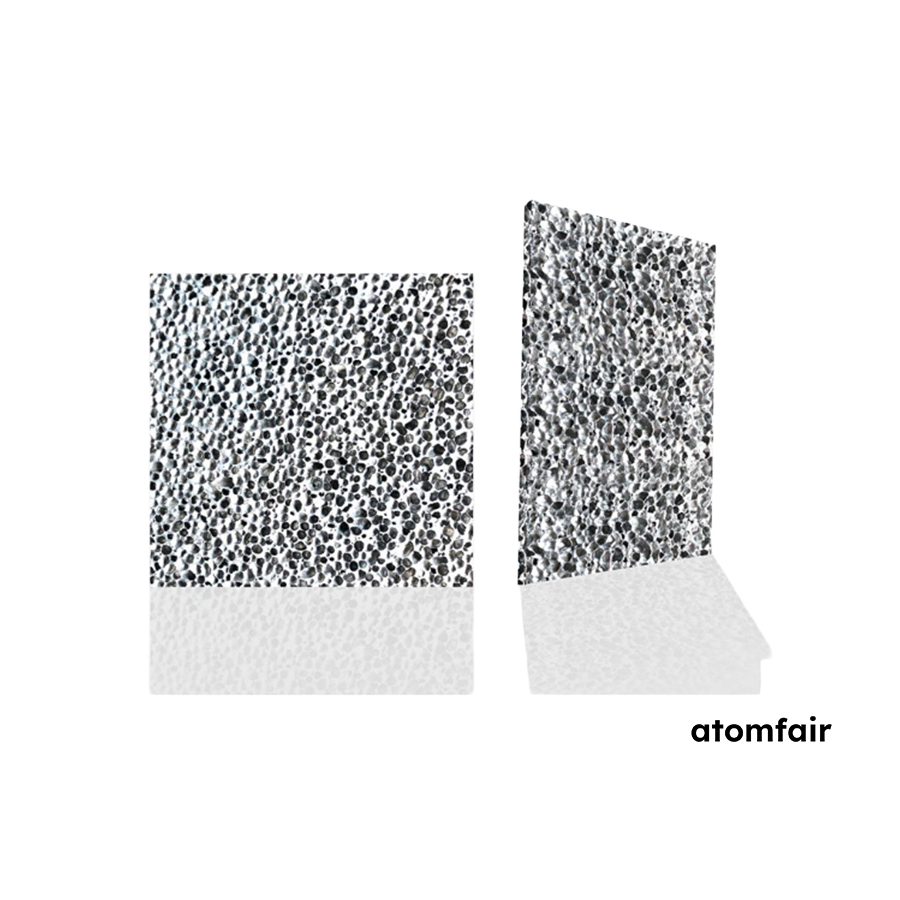
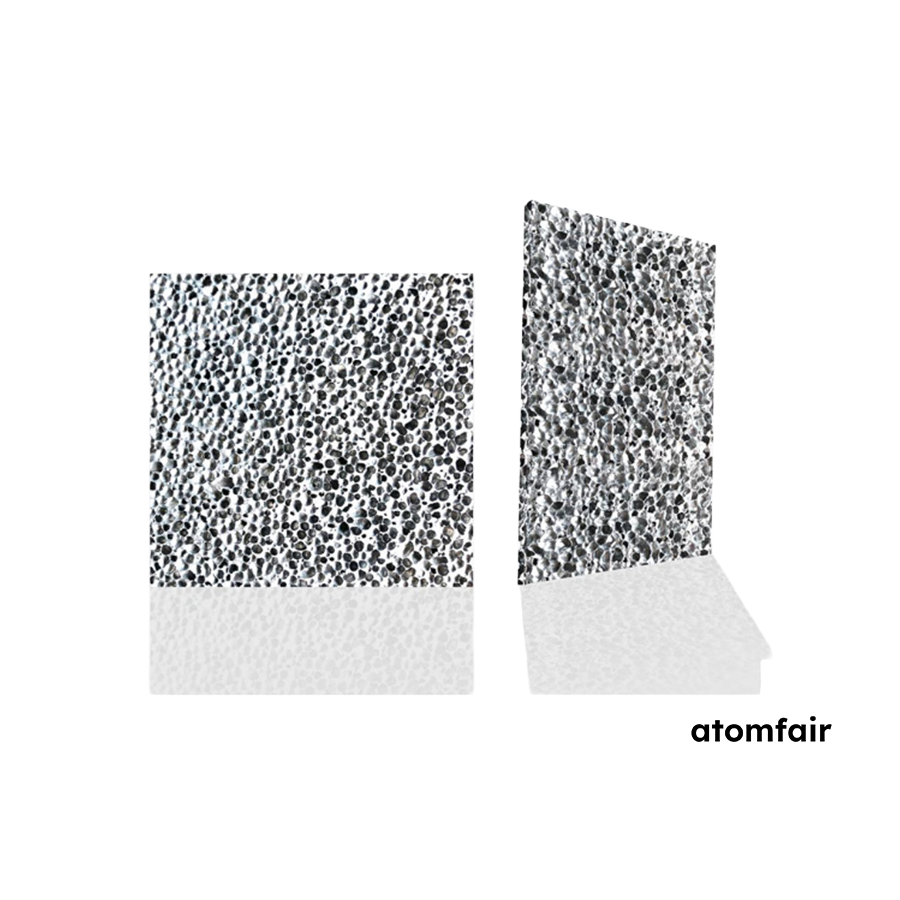
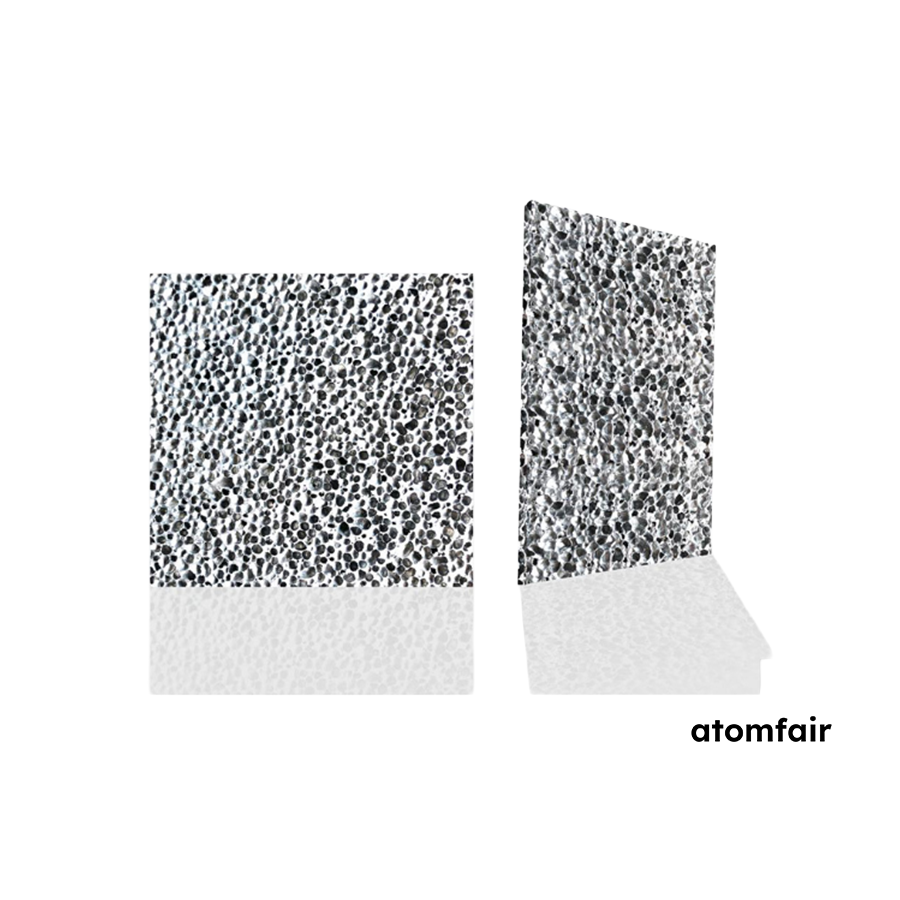
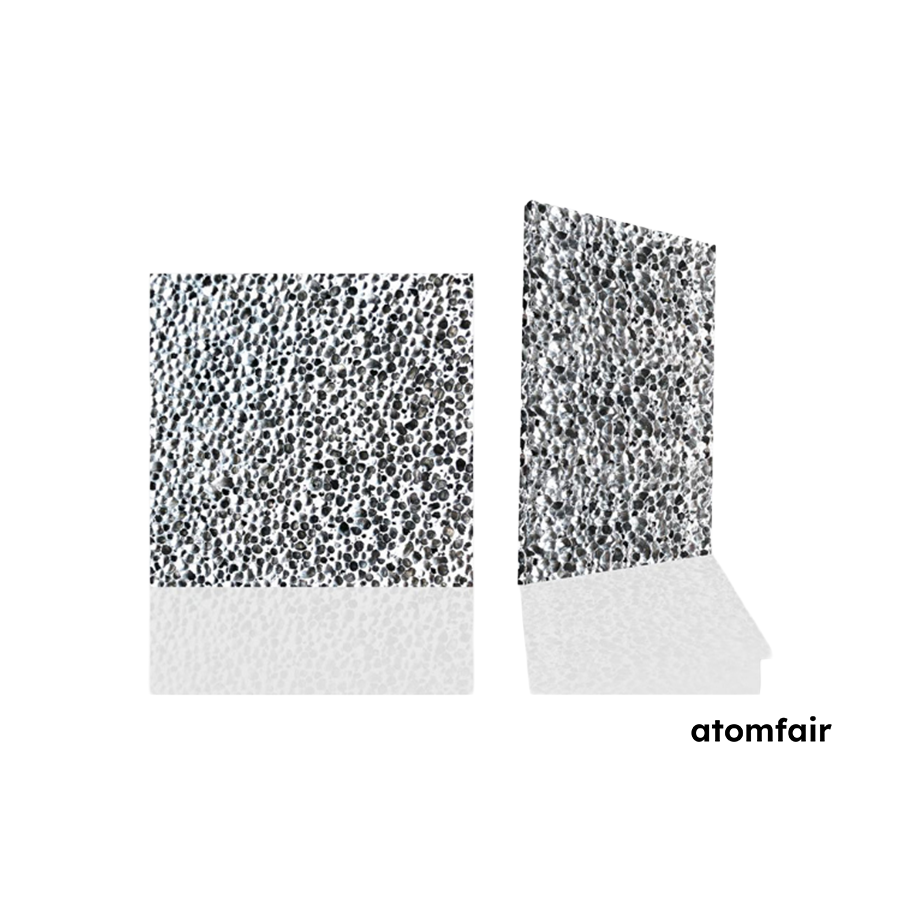
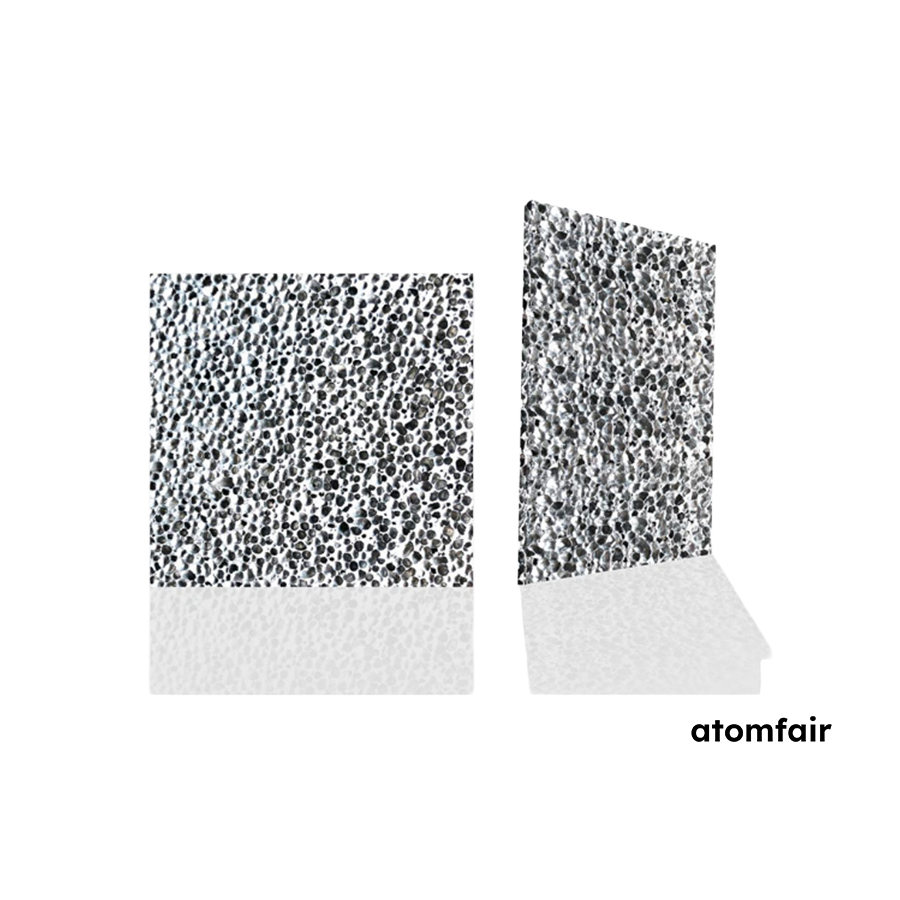
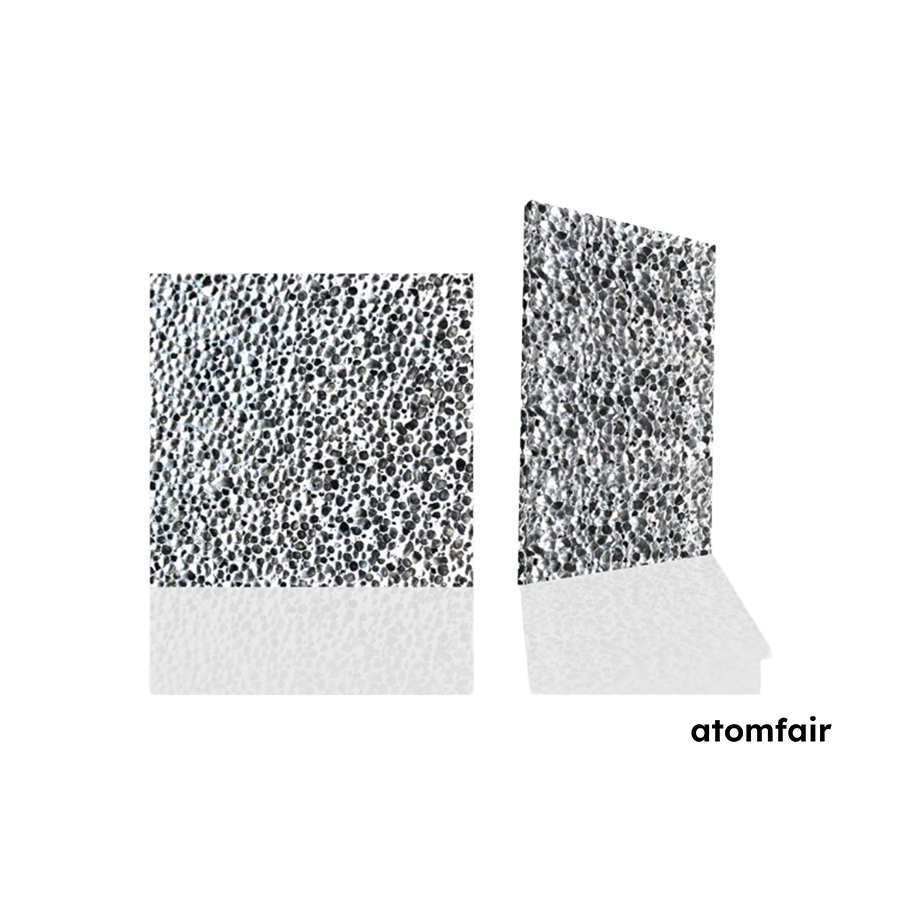
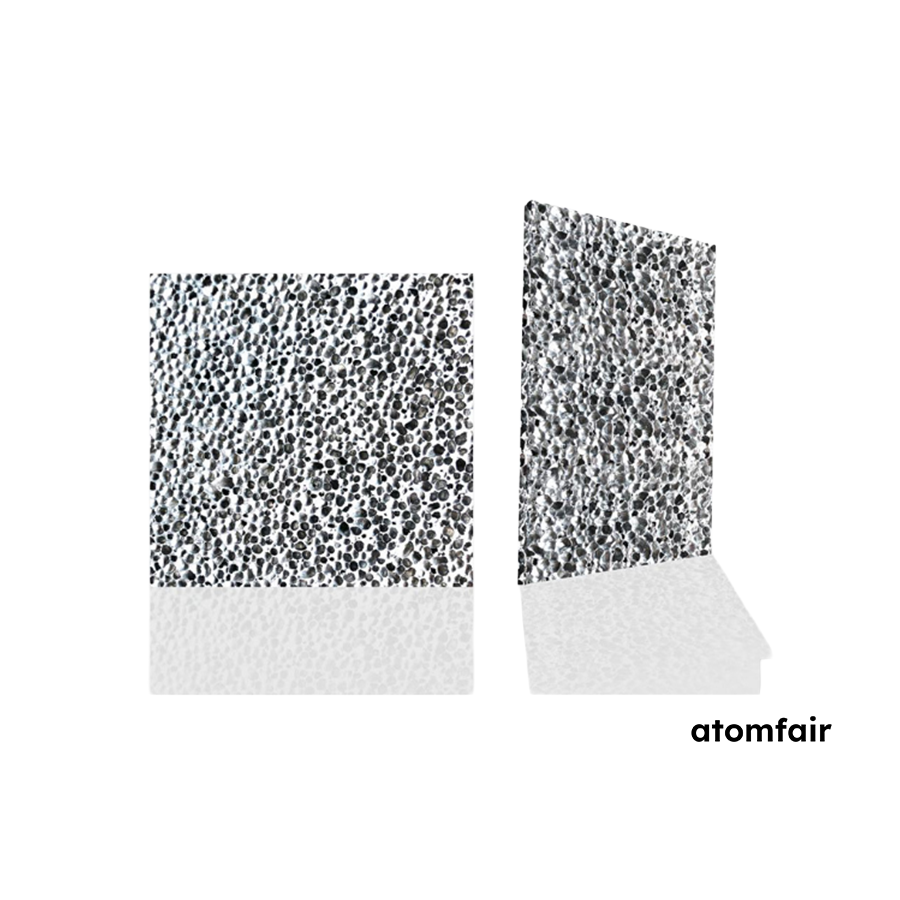
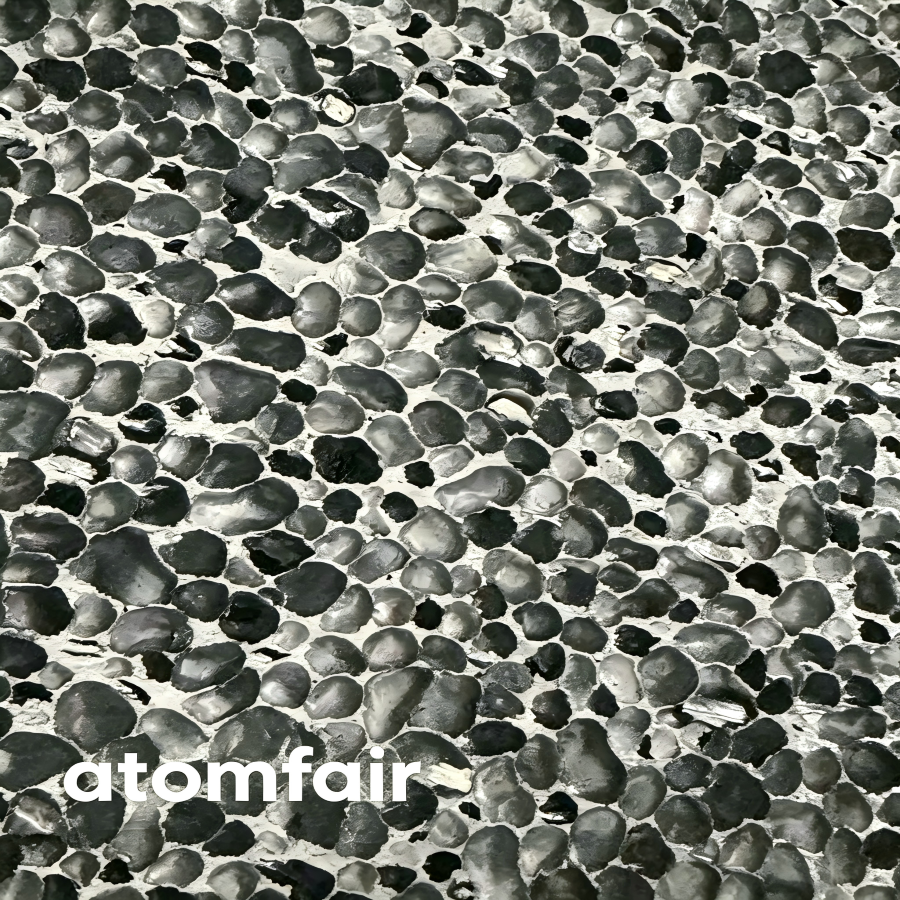
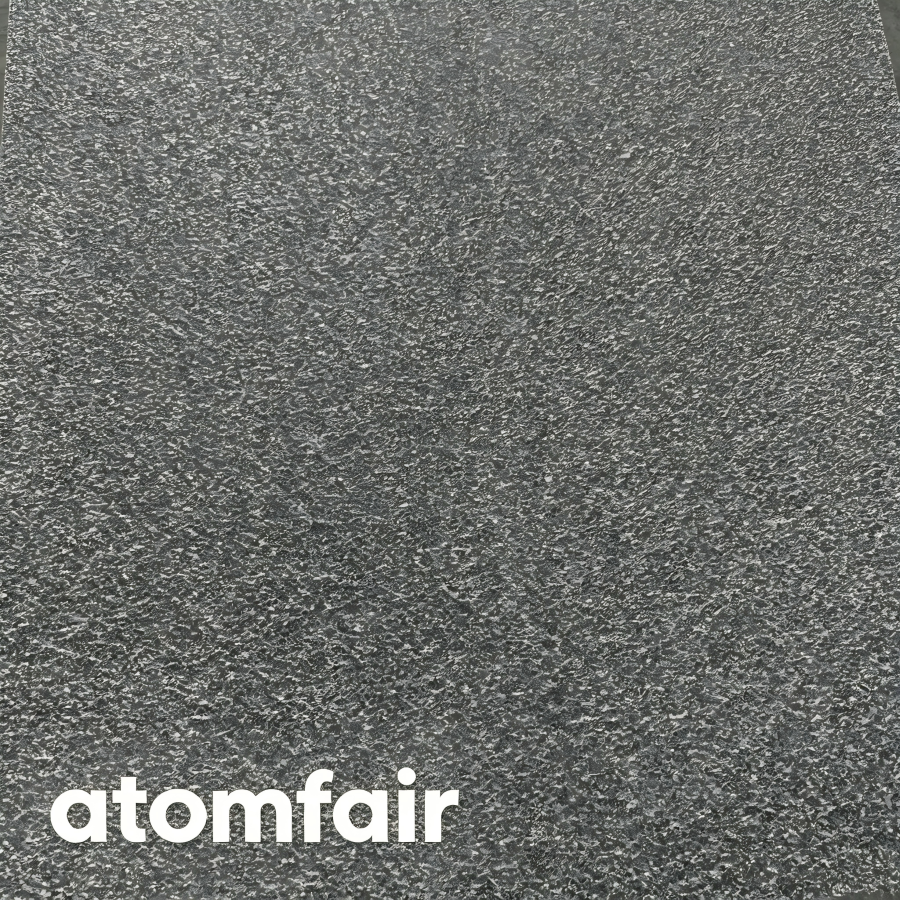
Open-Cell Aluminum Foam, 2–3 mm Pore Size, 100 × 200 × 6 mm, 5/10 pcs
Research-grade laboratory product
|
|||||||||||||||||||||||||||||||||||
|
|||||||||||||||||||||||||||||||||||
|
TAILORED SOLUTIONS FOR RESEARCH
For pore-size selection, sheet-dimension confirmation, package support or application-specific guidance, contact our engineering sales team.
EMAIL: inquiry@atomfair.com
|
|||||||||||||||||||||||||||||||||||
|
Manufacturer: Atomfair LLC
Brand: ATOMFAIR®
|
This open-cell aluminum foam sheet must be stored in a clean, dry environment to avoid contamination and structural damage. The cellular surface requires protection from impact, crushing, and contamination during handling and installation.
- Storage Conditions: Store the sheets in a clean, dry area to prevent moisture and contamination.
- Impact Protection: Protect the cellular surface from heavy impact, crushing, and contamination.
- Inspection: Inspect the package condition, sheet dimensions, and visible pore structure before cutting, bonding, or installing.
- Operating Environment: Consider the intended operating environment, mounting method, and surrounding conditions when selecting the material.
What is the difference between the 70–90% porosity and the 55–65% open-cell rate for this Atomfair aluminum foam sheet?
Porosity (70–90% typical) refers to the total void fraction within the foamed aluminum alloy, including both open and closed pores, while the open-cell rate (55–65% typical) specifically indicates the proportion of interconnected, through-connected pores that permit fluid or light passage. For applications requiring continuous flow, such as filtration or heat dissipation, the open-cell rate is the more critical parameter, as it defines the effective permeable volume.
Can this 100 × 200 × 6 mm open-cell aluminum foam sheet be cut to custom dimensions without compromising its structural integrity?
Yes, the sheet is designed as a cut-to-fit research component, and custom dimensions are available upon consultation. However, because the material is a rigid, lightweight aluminum-alloy cellular framework with a 2–3 mm pore size, cutting may expose open edges and reduce local mechanical strength. It is recommended to use clean cutting methods (e.g., fine saw or wire EDM) and to protect the cut surfaces from crushing or deformation during handling, as the cellular structure is sensitive to heavy impact.
What storage and handling conditions are required to maintain the performance of this open-cell aluminum foam sheet?
Store the sheets in a clean, dry area and protect the cellular surface from heavy impact, crushing, and contamination. After delivery, inspect the package condition, sheet dimensions, and visible pore structure before cutting, bonding, or installing. The open-pore network is translucent and light-transmitting, so avoid exposure to aggressive chemicals or environments that could corrode the aluminum alloy, unless the intended operating environment has been pre-validated.
This variable listing covers 5- and 10-piece packages of the Atomfair AF-O23-12-T06 open-cell aluminum foam sheet in a 100 × 200 × 6 mm format with 2–3 mm pores. The interconnected metallic porous structure supports heat-transfer, filtration, acoustic and light-transmission studies, but effective open-cell content and handling sensitivity should be considered in test-fixture design.
Positive
- Interconnected open-pore network with high porosity: The 2–3 mm interconnected pore network with typical 70–90% porosity provides continuous passages for airflow, fluid passage and light transmission, supporting heat-transfer, filtration, acoustic and light-transmitting test assemblies.
- Lightweight rigid aluminum alloy cellular sheet: The 100 × 200 × 6 mm aluminum-alloy sheet is lightweight yet rigid, and can be integrated into test fixtures, layered assemblies, prototype housings or cut-to-fit research components.
Trade-offs
- Impact and contamination sensitive cellular surface: The handling guidance requires clean, dry storage and protection from heavy impact, crushing and contamination, so careful incoming inspection and handling are necessary before cutting, bonding or installation.
- Open-cell rate below total porosity: The stated typical open-cell rate of 55–65% indicates that not all cells in the network are open, so effective through-flow and light-transmission performance should be confirmed for the specific application.
Every advanced material, component, equipment, and instrument in our catalog is backed by rigorous testing. We maintain strict internal quality management frameworks and align with CE conformity metrics to deliver transparent, reproducible performance data via our public open-science repository.
To request raw batch performance data, submit formal vendor registration paperwork, or execute a fast-turnaround R&D manufacturing loop, contact us at inquiry@atomfair.com.
Item is dispatched under the Atomfair Shipping & Delivery Framework (Free worldwide shipping on orders over $59 USD excl. heavy equipment). Return is governed by the Atomfair Return & Refund Policy (7-day technical return window).