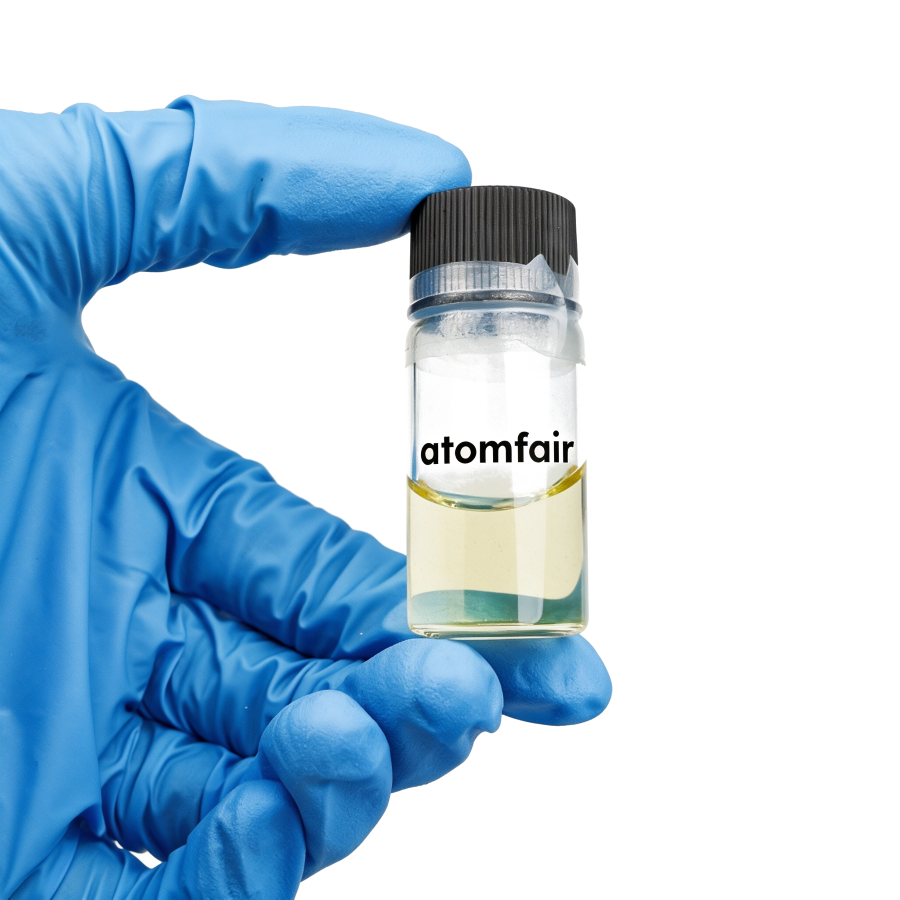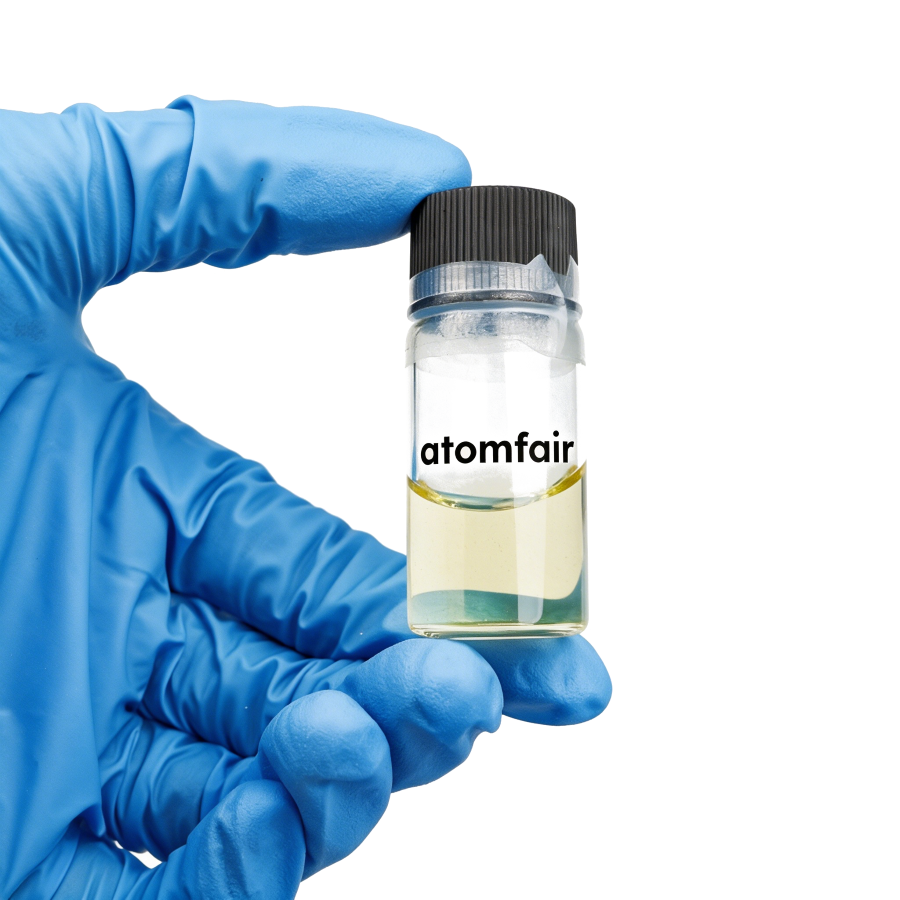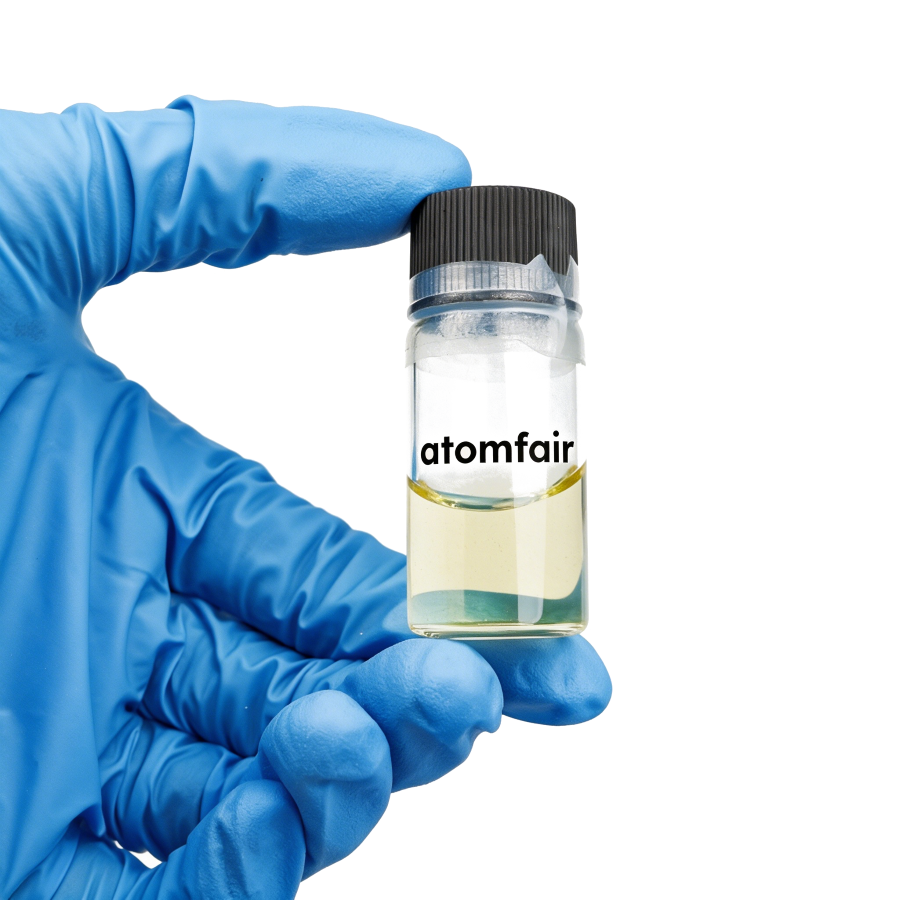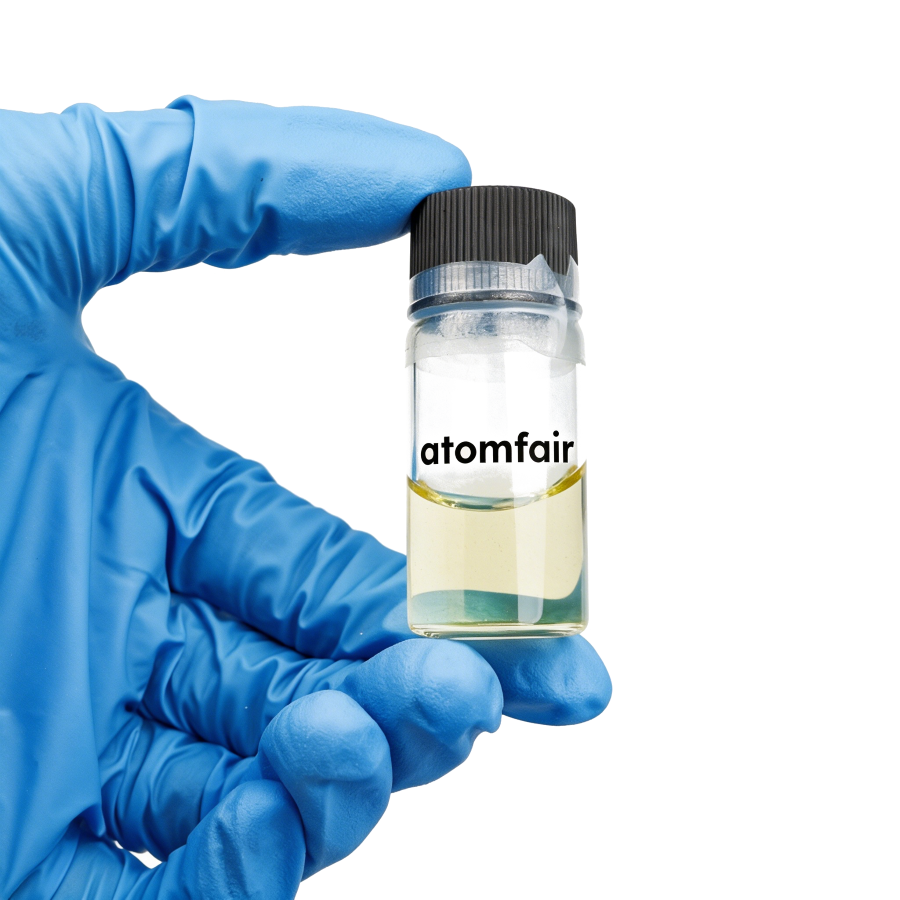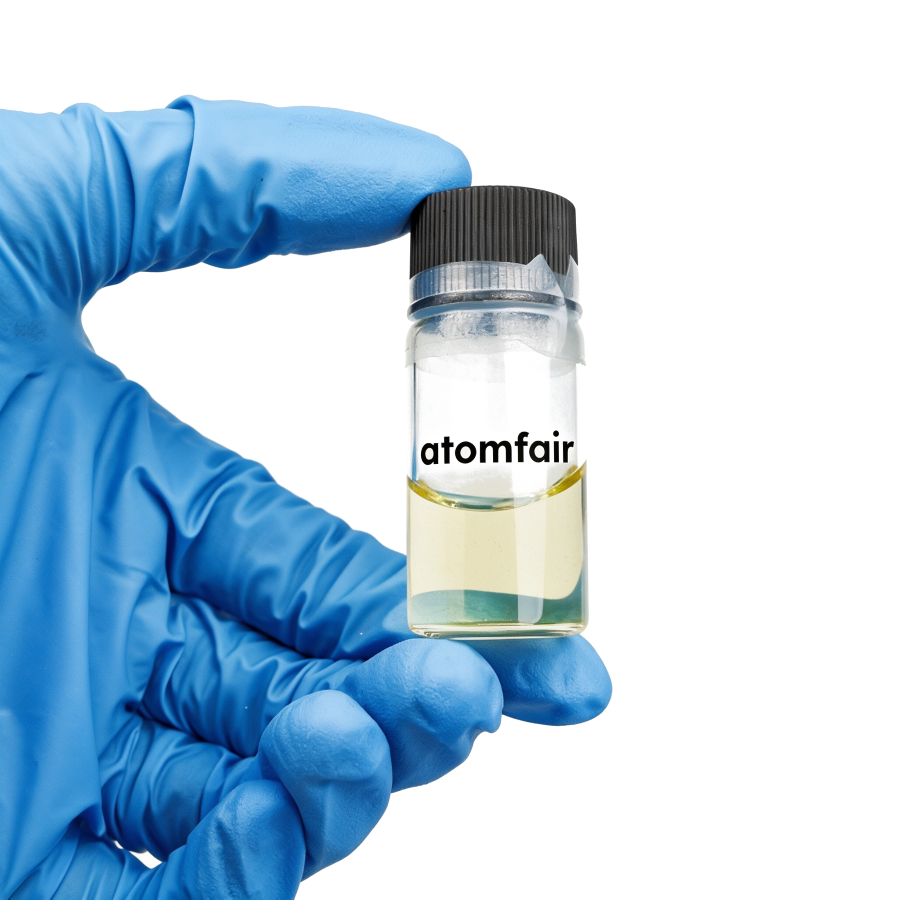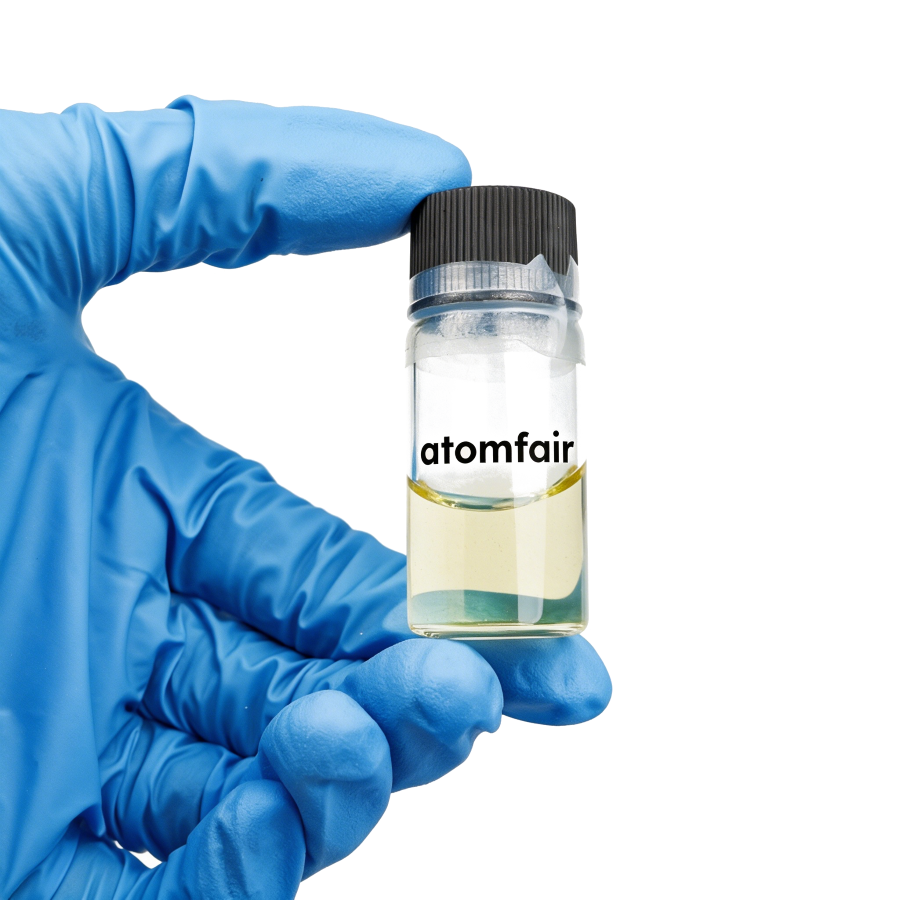
Oil-dispersible core-shell upconverting nanoparticles (near-infraredlight), 20 mgProduct Type: Upconverting nanoparticle
Research-grade laboratory product
|
|||||||||||||||||||||||||||||||||||
|
|||||||||||||||||||||||||||||||||||
|
LABORATORY PROCUREMENT SUPPORT
For model selection, material format, solvent, concentration or configuration confirmation, contact our technical sales team.
E-MAIL: inquiry@atomfair.com
|
|||||||||||||||||||||||||||||||||||
|
Manufacturer: Atomfair LLC
Brand: ATOMFAIR®
|
Manufacturer: Atomfair LLC
Brand: ATOMFAIR®
What is the benefit of the core-shell structure (NaYReF4@NaYF4) for the 804 nm upconversion emission in these nanoparticles?
The core-shell architecture (NaYReF4 core with NaYF4 shell) is specified to reduce surface-related non-radiative losses, thereby enhancing upconversion luminescence efficiency at the 804 nm emission. This design is critical for maintaining brightness in NIR-to-NIR upconversion applications.
Can these oil-dispersible upconverting nanoparticles be used in aqueous biological assays?
No, these nanoparticles are oil-dispersible and supplied in cyclohexane, as stated in the product specifications. They are not compatible with aqueous systems and require non-polar organic solvents or hydrophobic matrices for dispersion. For biological applications requiring aqueous media, water-dispersible upconverting nanoparticles are recommended.
What are the key physical characteristics (particle size, morphology, solvent) that affect the handling and dispersion of this product?
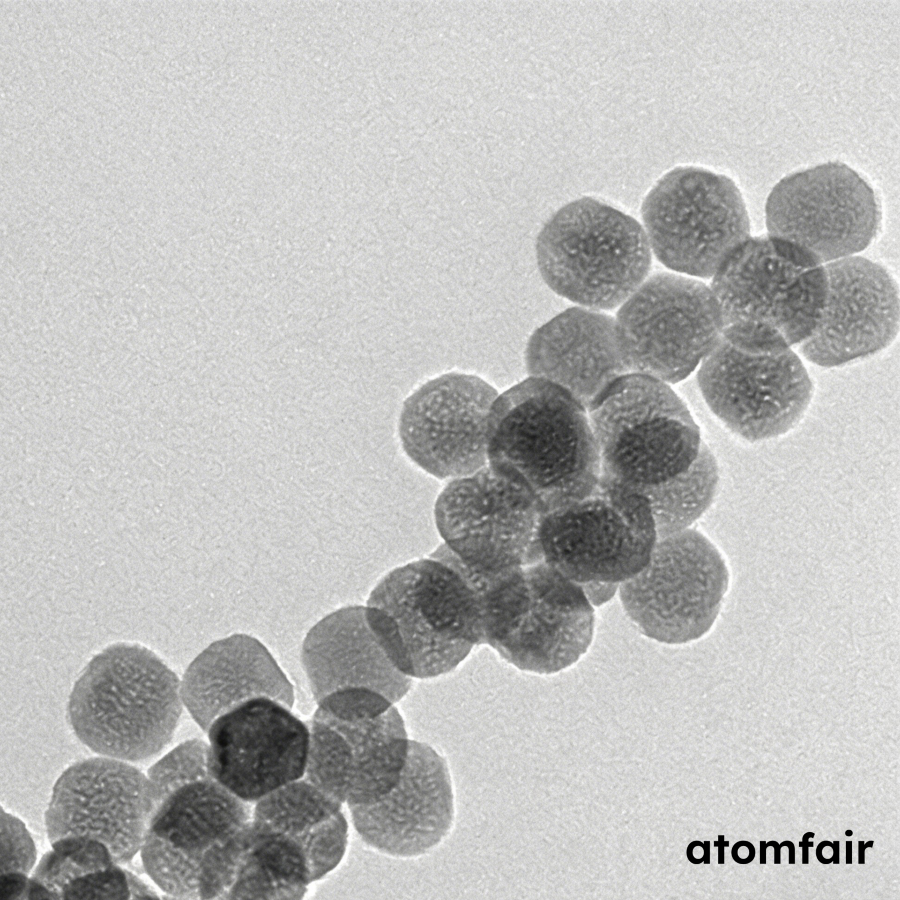
The product is specified as nanospheres with a particle size of approximately 30 nm, dispersed in cyclohexane at a package size of 20 mg. The small size and spherical morphology facilitate stable dispersion in the non-polar solvent, reducing sedimentation over time.
Oil-dispersible core-shell upconverting nanoparticles (AF-UCNNIR20MGOIL) with 804 nm emission, ~30 nm size, and cyclohexane dispersion. The core-shell architecture improves luminescence stability, but the organic solvent and nanoscale size introduce handling and biocompatibility considerations.
Positive
- Oil-dispersible core-shell NIR upconversion: Converts near-infrared light to higher energy emissions, enabling applications in bioimaging and anti-counterfeiting; oil-dispersibility allows integration into hydrophobic media.
- Core-shell NaYReF4@NaYF4 architecture: The inert shell protects the luminescent core from surface quenching and environmental degradation, enhancing emission stability and quantum yield.
Trade-offs
- Cyclohexane solvent requirement: Supplied in cyclohexane, a volatile organic solvent that requires proper ventilation, fume hood use, and compatibility with downstream protocols.
- Approximate 30 nm particle size: The ~30 nm particle size may influence cellular uptake, biodistribution, or tissue penetration, requiring case-by-case optimization for biological applications.
Every advanced material, component, equipment, and instrument in our catalog is backed by rigorous testing. We maintain strict internal quality management frameworks and align with CE conformity metrics to deliver transparent, reproducible performance data via our public open-science repository.
To request raw batch performance data, submit formal vendor registration paperwork, or execute a fast-turnaround R&D manufacturing loop, contact us at inquiry@atomfair.com.
Item is dispatched under the Atomfair Shipping & Delivery Framework (Free worldwide shipping on orders over $59 USD excl. heavy equipment). Return is governed by the Atomfair Return & Refund Policy (7-day technical return window).