Atomfair-OICP682 Optical Self-Assembled Innovation Cloud Platform
Product Overview
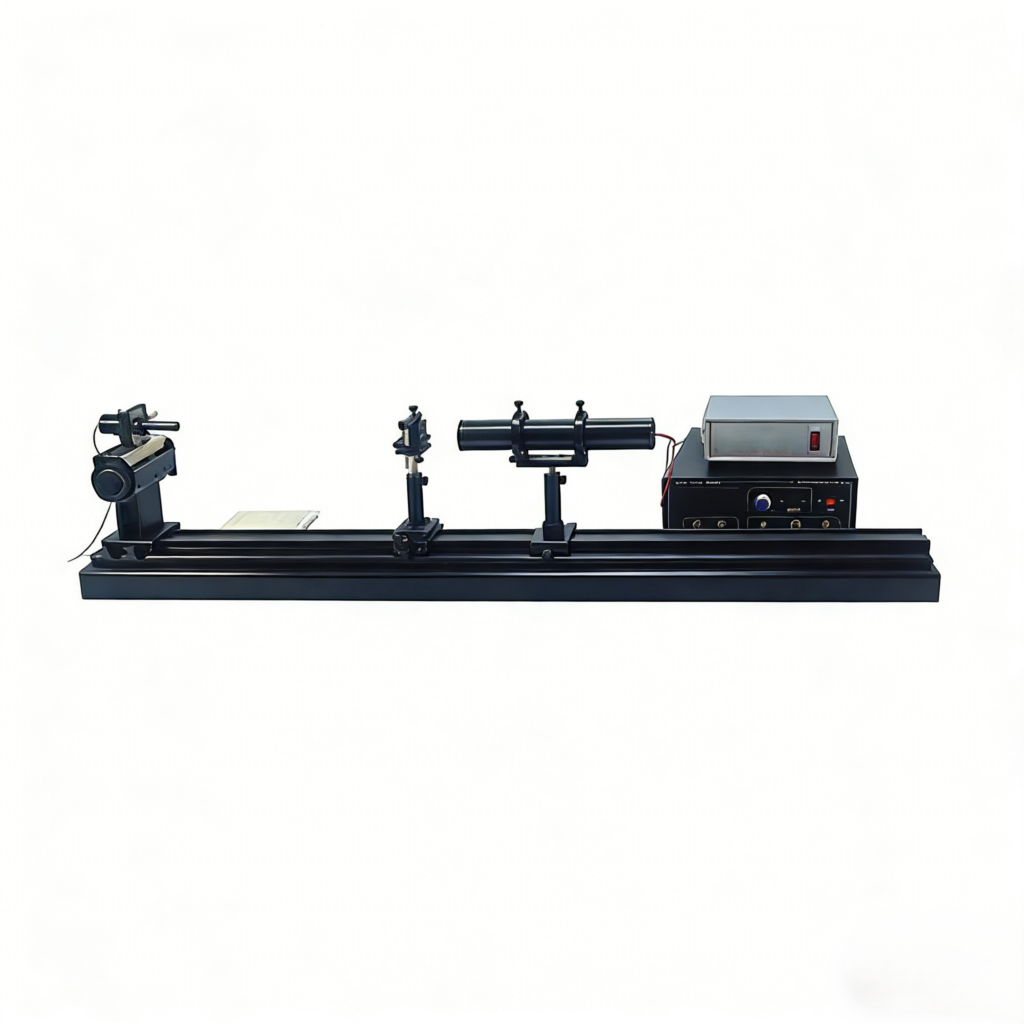
The Atomfair-OICP682 is a self-assembled comprehensive optical experiment kit that breaks the limitations of traditional integrated experimental equipment. Adopting a portable, functional, and modular design, it provides a variety of standardized components with unique functions. Users can freely design experimental schemes, flexibly select, match, and assemble components to complete experiments. It not only helps students cultivate active thinking, hands-on operation, and divergent thinking abilities but also offers convenient support for teachers’ scientific research. Combined with the Internet + experiment sharing platform, it realizes resource sharing, process sharing, and result comparison, making the experimental process more interactive and interesting.
Core Product Features
Modular and Standardized Design: Accessories adopt standardized and generalized specifications with unified sizes, allowing for easy replacement to meet the needs of different experimental combinations.
Free Matching and Arbitrary Combination: Supports arbitrary splicing of T-shaped and parallelogram angle rails, paired with dozens of functional accessories to achieve diverse experimental setups.
Portable and Easy to Store: The overall design is lightweight with streamlined accessories, facilitating carrying and storage while ensuring excellent experimental results.
Rich Experimental Content: Covers a wide range of experimental projects from basic to advanced levels, adapting to the needs of different learning and research stages.
Intelligent Experiment Support: Provides functions such as experiment reservation, preview, micro-class appreciation, experimental video viewing, and virtual experiment operation to assist in efficiently completing experiments.
Interactive Sharing of Achievements: Supports functions including experimental result upload and comparison, experimental video upload, global comparison of experimental results, micro-class upload, score checking, and click count statistics, enabling extensive exchange of experimental achievements.
Main Configurations and International Standard Specifications
| No. | Name | Specifications (International Standards) |
|---|---|---|
| 1 | Optical Components | Material: BK7; Focal Length Tolerance: ±2%; Diameter Tolerance: +0.0/-0.1mm; Effective Aperture: >80%; Eccentricity: 3′; Surface Quality: 60/4; Surface Figure Accuracy: λ/4@632.8nm |
| 2 | Guide Rail Slides | Material: High-strength lightweight aluminum alloy; Structural Design: Profile structure; Surface Treatment: Matte finish |
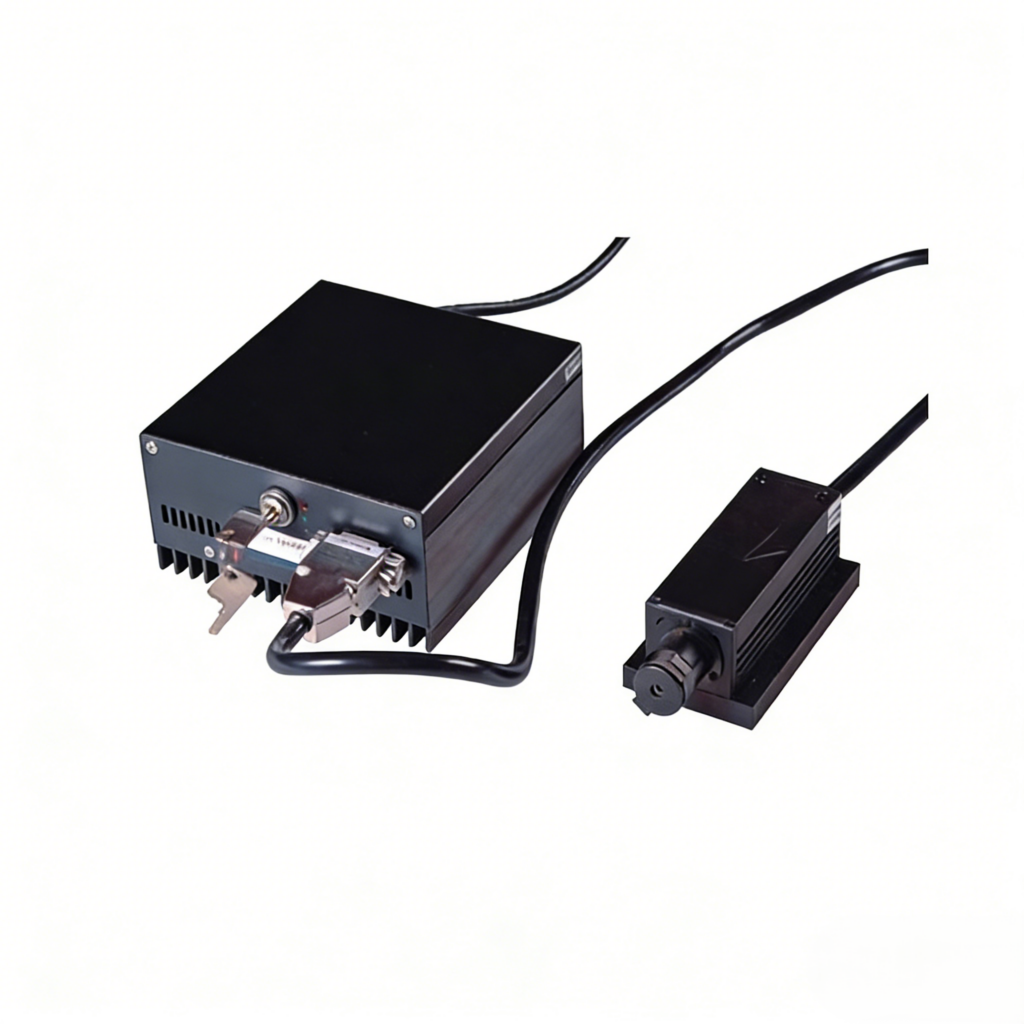
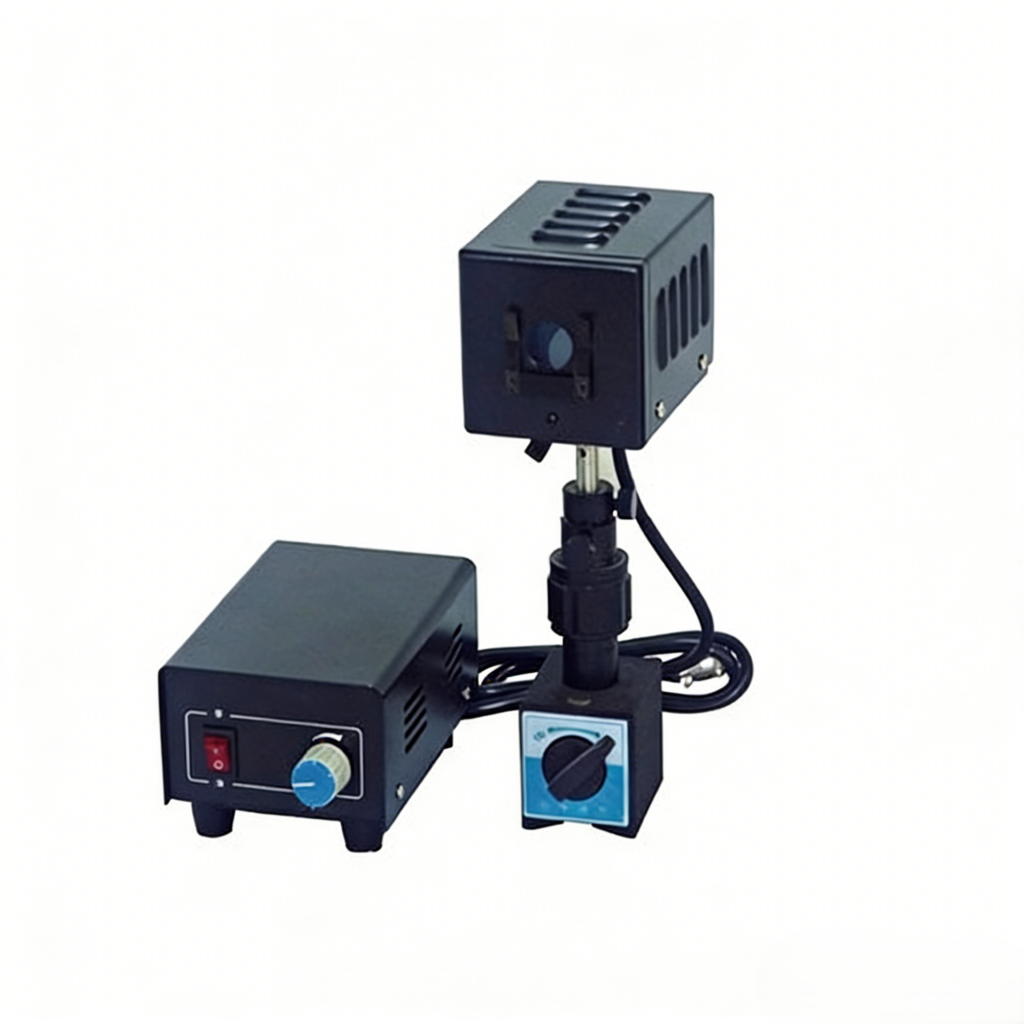
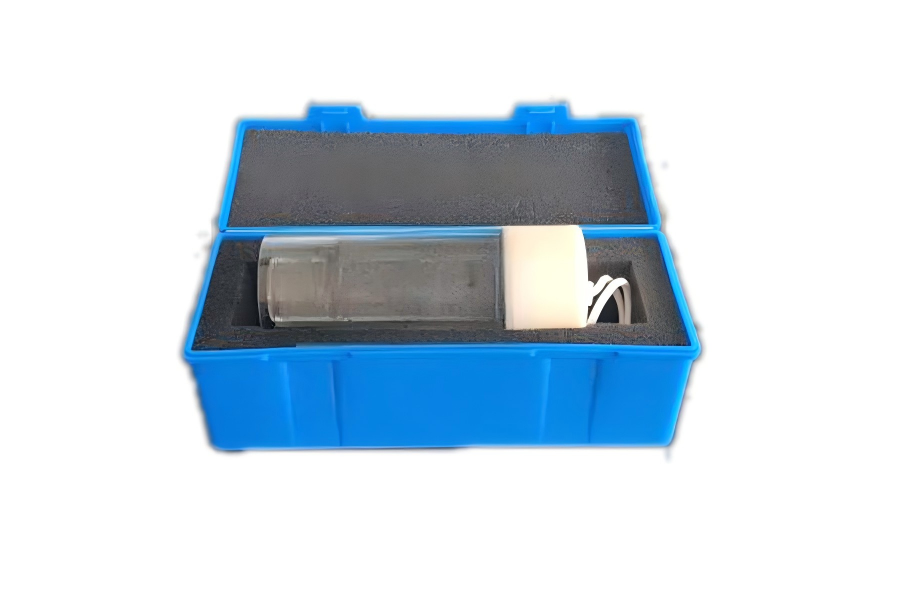
| 3 | Light Sources | (1) Solid-state Laser: Central wavelength 532nm, TEM mode, power 3-5mW, powered by a DC stabilized current power supply to ensure power stability and prevent light spot flicker; (2) Low-pressure Mercury/Sodium Lamp: Injection-molded modular power supply, electronic ballast, no noise, high working efficiency; (3) Tungsten Bromide Lamp: Adjustable brightness, maximum power 35W, spectral range 300nm-2500nm |
| 4 | Adjustment Frames | Material: High-strength hard aluminum alloy, featuring high strength, heat resistance, and low internal stress; Surface Treatment: Matte finish with low reflectivity; Adjustment Knob: High-stability design, pitch 0.25mm, high adjustment precision |
Usable Experimental Projects
(I) Lens-Related Experiments
- Focal Length Measurement of Thin Lenses by Autocollimation Method
- Focal Length Measurement of Thin Lenses by Bessel Method (Double Imaging Method)
- Focal Length Measurement of Eyepieces by Object-Image Magnification Method
- Focal Length Measurement of Concave Lenses by Object-Image Distance Method
- Determination of Nodes and Focal Length of Lens Systems
- Self-Assembled Projector
- Magnification Measurement of Self-Assembled Telescope
- Self-Assembled Telescope with Erecting Prism
- Magnification Measurement of Self-Assembled Microscope
(II) Interference Experiments
- Young’s Double-Slit Experiment
- Fresnel Double Prism Interference
- Fresnel Double Mirror Interference
- Lloyd’s Mirror Interference
- Newton’s Rings Experiment
- Determination of Air Refractive Index by Interference Method
- Optical Path Construction of Mach-Zehnder Interferometer
- Optical Path Construction of Sagnac Interferometer
- Measurement of Refractive Index and Thickness of Media by Laser Interference
(III) Diffraction Experiments
- Fraunhofer Single-Slit Diffraction
- Fraunhofer Circular Aperture Diffraction
- Fresnel Single-Slit and Circular Aperture Diffraction
- Fresnel Diffraction at a Straight Edge
- Grating Diffraction
- Grating Monochromator Experiment
(IV) Other Optical Experiments
- Generation and Inspection of Polarized Light
- Holography
- Holographic Grating Fabrication
- Abbe Imaging Principle and Spatial Filtering
- θ Modulation Experiment
- Observation of 6 Types of Lens Aberrations
- Optical Image Addition and Subtraction Experiment
- Optical Image Differentiation Experiment
- Convolution Theorem Experiment
- Crystal Birefringence Experiment
- Wave Plate-Related Experiments
- Dispersion Prism Spectroscopy Experiment
Advantages of Featured Experiments
Holographic Experiment: Adopts green laser and green-sensitive photographic plates, reducing experimental costs while achieving novel and excellent experimental results.
Interference and Diffraction Experiments: Relying on standardized accessories and flexible rail splicing design, the experiments are easy to set up with reliable data accuracy, fully meeting the needs of teaching and basic scientific research.
If you’re interested, have any questions, or have specific customization requirements, please feel free to contact us at inquiry@atomfair.com.
What are the optical component specifications and tolerances of the Atomfair-OICP682 kit?
The optical components are made of BK7 material with a focal length tolerance of ±2%, diameter tolerance of +0.0/-0.1mm, effective aperture >80%, eccentricity of 3′, surface quality of 60/4, and surface figure accuracy of λ/4@632.8nm. These specifications ensure high precision for experiments like interference and diffraction.
Which light sources are included and what are their key parameters?
The kit includes a solid-state laser with a central wavelength of 532nm, TEM mode, and power 3-5mW, powered by a DC stabilized current supply to prevent flicker. It also includes a low-pressure mercury/sodium lamp with an electronic ballast for noise-free operation, and a tungsten bromide lamp with adjustable brightness up to 35W and spectral range 300nm-2500nm.
What are the mechanical design and adjustment capabilities of the guide rails and adjustment frames?
Guide rails are made of high-strength lightweight aluminum alloy with a profile structure and matte finish, supporting arbitrary splicing of T-shaped and parallelogram rails. Adjustment frames use high-strength hard aluminum alloy with matte low-reflectivity surface and feature a high-stability adjustment knob with 0.25mm pitch for precise positioning.
The Atomfair-OICP682 is a modular optical experiment kit with standardized BK7 optics and aluminum alloy rails, enabling a broad range of teaching and research setups from basic lens measurements to advanced interferometry and holography. Its design prioritizes flexibility and portability, but requires careful handling of precision components and stable environmental conditions for optimal performance.
Positive
- Modular rail system for flexible setups: T-shaped and parallelogram angle rails allow arbitrary splicing, enabling rapid reconfiguration for diverse experiments such as Mach-Zehnder interferometry or self-assembled telescopes without dedicated hardware.
- High-precision optical components: BK7 optics with λ/4 surface accuracy, 60/4 scratch-dig, and ±2% focal length tolerance ensure reliable wavefront quality for interference and diffraction experiments, supporting quantitative measurements.
Trade-offs
- Requires stable environment for precision work: Interferometric and holographic experiments demand vibration isolation and thermal stability; the open rail design offers no inherent environmental shielding, so lab conditions must be controlled to avoid fringe drift.
- Manual alignment and handling sensitivity: Adjustment knobs with 0.25 mm pitch provide fine control but require skilled manual alignment; optical surfaces are susceptible to contamination and damage, necessitating careful handling and cleaning protocols.
Every advanced material, component, equipment, and instrument in our catalog is backed by rigorous testing. We maintain strict internal quality management frameworks and align with CE conformity metrics to deliver transparent, reproducible performance data via our public open-science repository.
To request raw batch performance data, submit formal vendor registration paperwork, or execute a fast-turnaround R&D manufacturing loop, contact us at inquiry@atomfair.com.
Item is dispatched under the Atomfair Shipping & Delivery Framework (Free worldwide shipping on orders over $59 USD excl. heavy equipment). Return is governed by the Atomfair Return & Refund Policy (7-day technical return window).