|
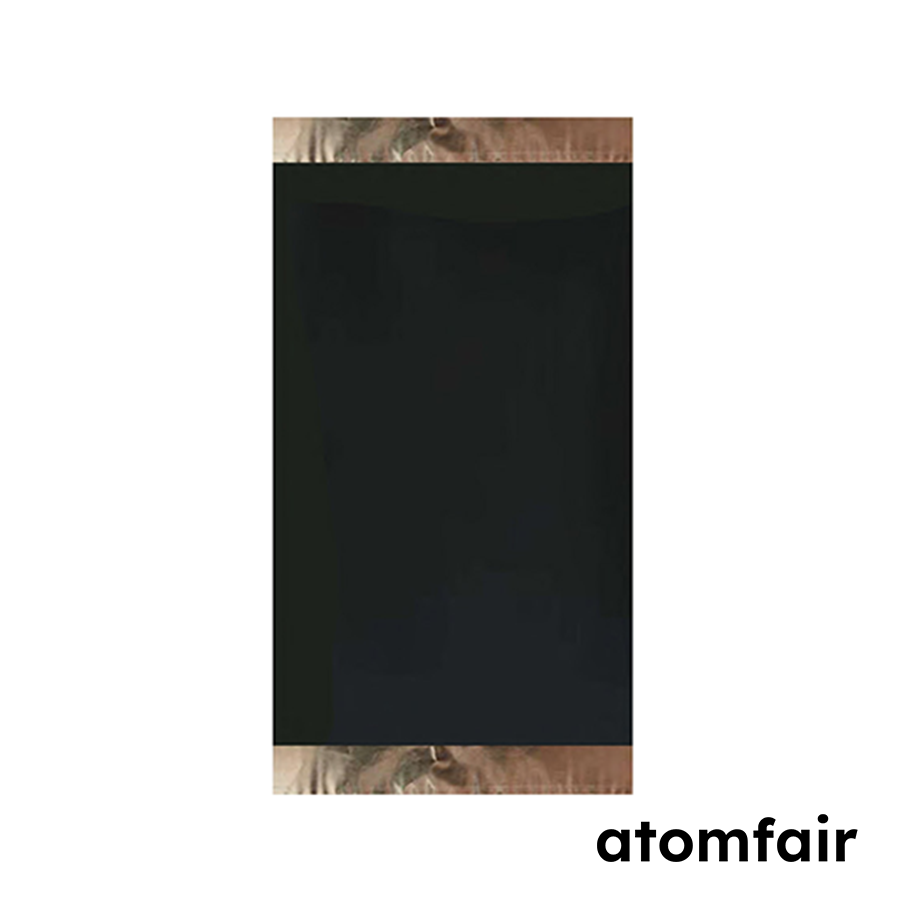
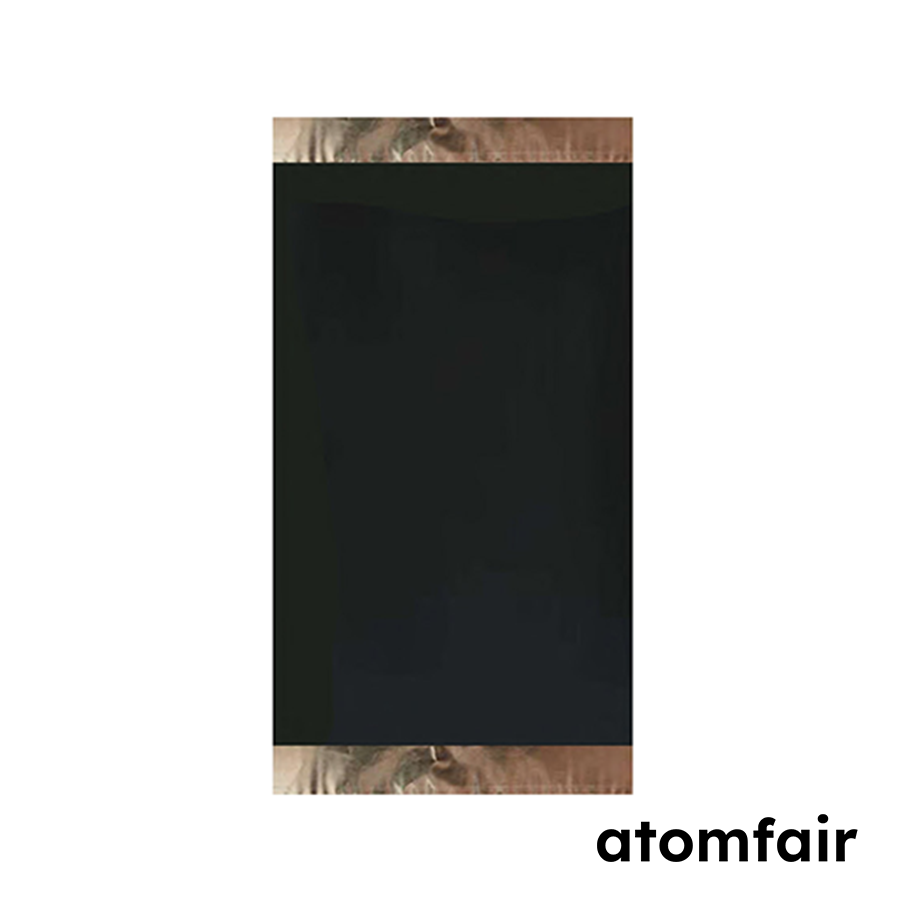
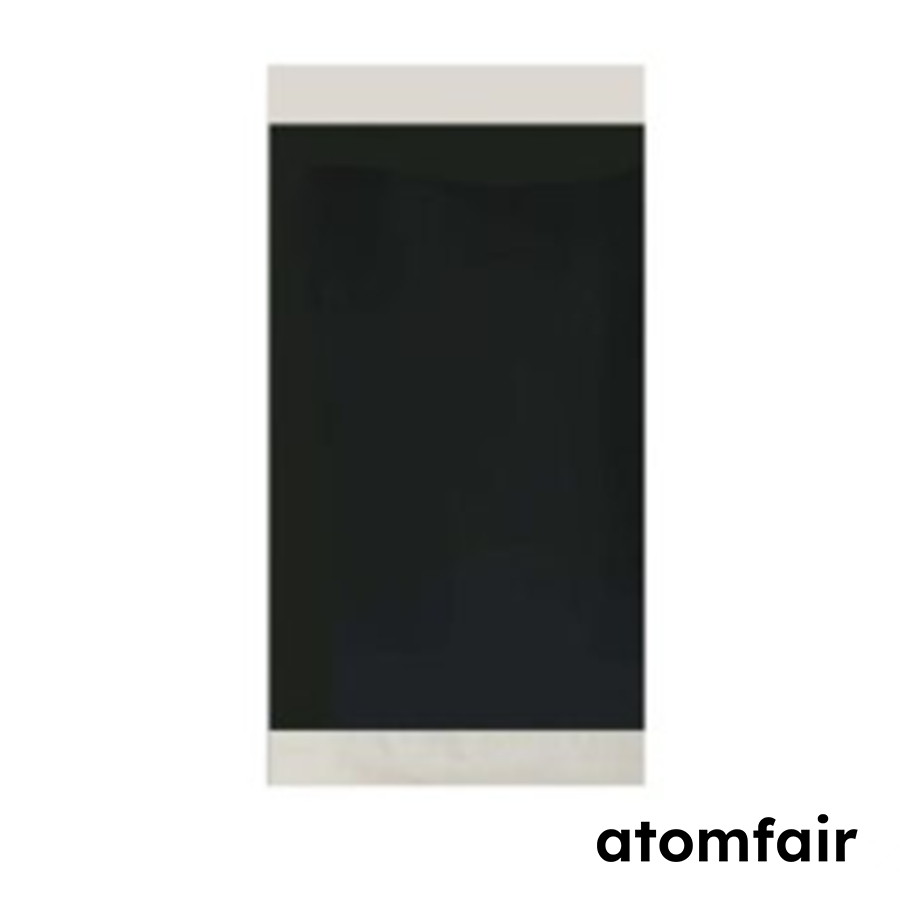
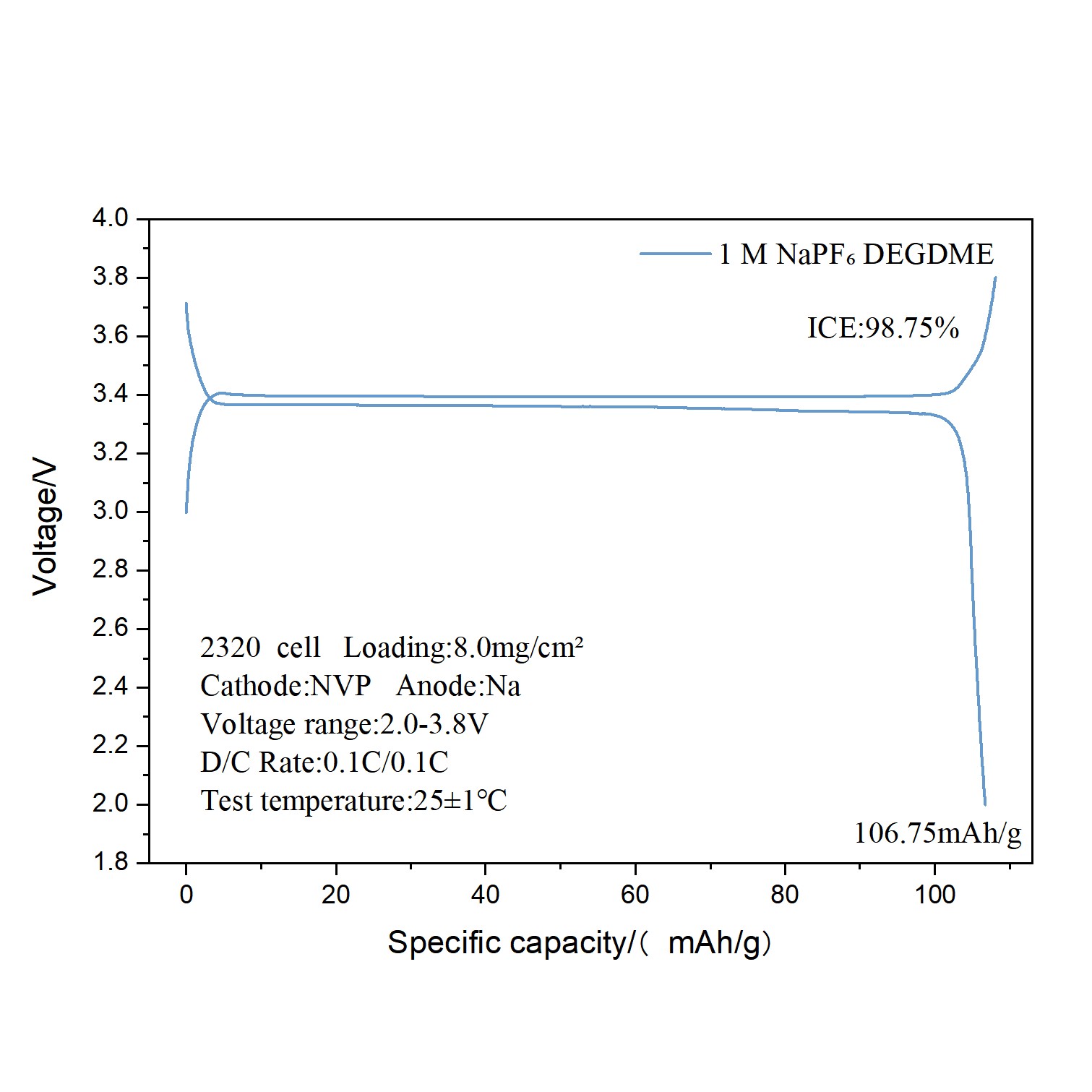
NVP Sodium Vanadium Phosphate Single-Sided Cathode, 8 mg/cm² per side
Single-Sided Cathode Sheet
|
||||||||||||||||||||||||||||||||||||||||||||||
|
The electrode sheet is highly sensitive to ambient exposure and must remain in an anhydrous inert gas environment to prevent phase contamination or degradation. Handling and cell fabrication must preserve coating adhesion to avoid delamination during thermal validation.
- Ambient Exposure Sensitivity: Keep containers tightly sealed and handle the sheet exclusively within an anhydrous inert gas environment.
- Phase Contamination Risk: Ambient exposure before thermal validation may cause phase contamination or degradation.
- Delamination Prevention: Employ cell fabrication methods that maintain coating boundary integrity to prevent delamination.
What is the active material ratio and areal density of the Atomfair Sodium Vanadium Phosphate electrode sheet for sodium-ion R&D?
The electrode sheet has an active material ratio of 93% and an areal density of 8 mg/cm². This high loading on a single-side coated aluminum foil is designed for reliable baseline testing and electrolyte validation in sodium-ion battery research.
Does this NVP electrode sheet require inert gas handling before cell assembly?
Yes. The product is highly sensitive to ambient exposure and must be kept in tightly sealed containers or handled exclusively within an anhydrous inert gas environment. This prevents phase contamination or degradation before thermal validation, as specified in the operational notice.
Atomfair's sodium vanadium phosphate electrode sheet, single-side wet-coated at 8 mg/cm² with a 93% active material ratio, offers a controlled cathode substrate for sodium-ion battery R&D, but its high ambient sensitivity mandates anhydrous inert-gas handling until thermal validation.
Positive
- High active material ratio and homogeneous matrix: 93% active material ratio and highly uniform elemental distribution support consistent electrochemical evaluation and transfer kinetics for sodium-ion R&D.
- Wet-process coating with delamination resistance: Advanced fluid deposition provides exceptional layer adhesion and boundary integration, preventing delamination during cell fabrication.
Trade-offs
- Ambient exposure sensitivity: This material is highly sensitive to ambient exposure; containers must remain tightly sealed and handling should occur only in an anhydrous inert gas environment to prevent phase contamination or degradation before thermal validation.
Every advanced material, component, equipment, and instrument in our catalog is backed by rigorous testing. We maintain strict internal quality management frameworks and align with CE conformity metrics to deliver transparent, reproducible performance data via our public open-science repository.
To request raw batch performance data, submit formal vendor registration paperwork, or execute a fast-turnaround R&D manufacturing loop, contact us at inquiry@atomfair.com.
Item is dispatched under the Atomfair Shipping & Delivery Framework (Free worldwide shipping on orders over $59 USD excl. heavy equipment). Return is governed by the Atomfair Return & Refund Policy (7-day technical return window).