|
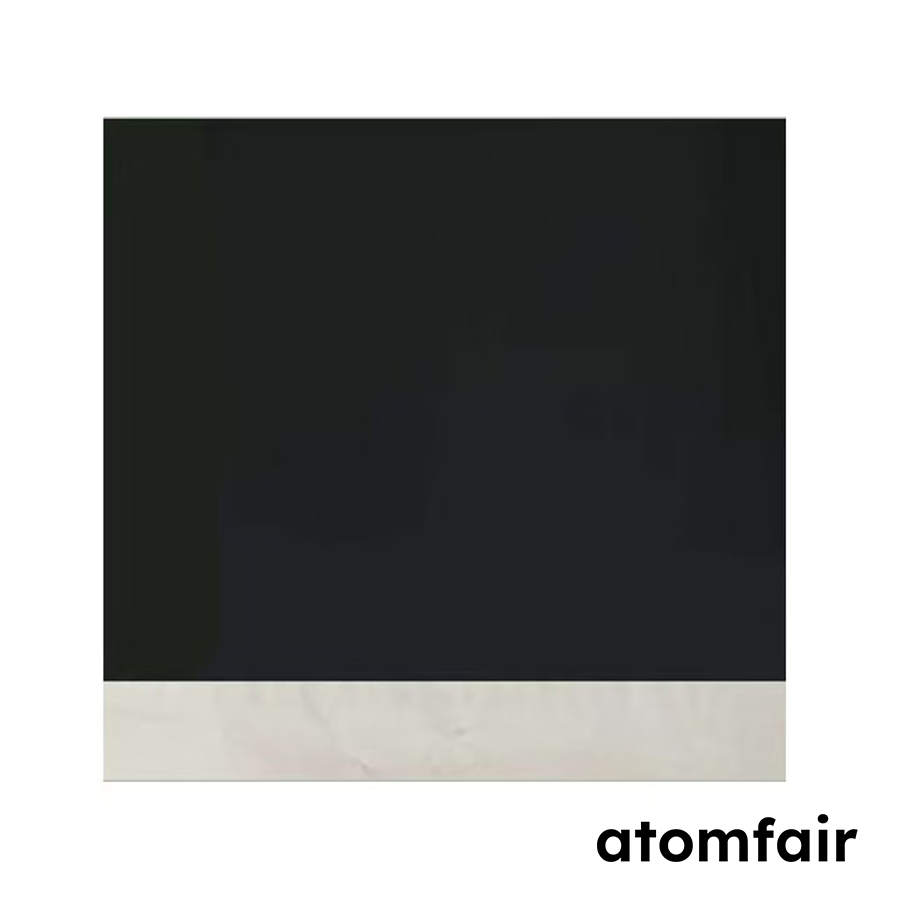
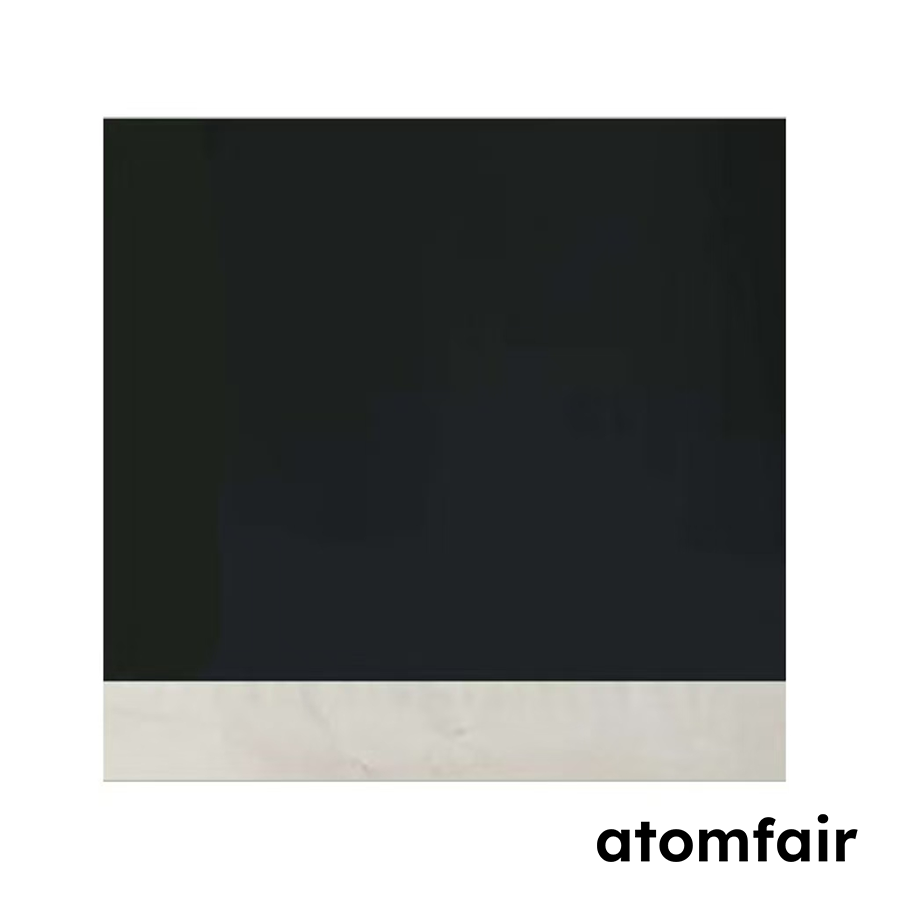
Sodium Vanadium Phosphate NVP, 58.2mg/cm² per side
Battery Electrode Sheet
|
||||||||||||||||||||||||||||||||||||||||||||
|
What is the significance of the 58.2 mg/cm² double-sided coating density for sodium-ion battery R&D?
The ultra-high 58.2 mg/cm² double-sided loading enables high-capacity energy testing configurations. This coating density, achieved via a solvent-free dry process, ensures uniform binder distribution and long-term cycling stability, making the electrode sheet ideal for reliable electrochemical performance analysis, baseline testing, and electrolyte validation platforms.
How does the carbon-coated aluminum foil substrate enhance electrochemical performance in NVP electrode sheets?
The carbon-coated aluminum foil substrate minimizes contact resistance and optimizes active material electron kinetics. With an areal density of 4.2 mg/cm² and a substrate thickness of 12 +0.5 +0.5 μm, it provides a low-impedance interface that supports consistent electrochemical testing and high-rate performance in sodium-ion battery R&D.
What storage and handling precautions are required for Atomfair NVP electrode sheets to maintain surface integrity?
The electrode sheets are supplied in specialized laboratory packaging designed to preserve material integrity and surface consistency. Strict laboratory protocols must be followed to avoid surface contamination before electrochemical validation, as the double-sided coating is sensitive to handling. The pack includes 5 sheets and should be used immediately after opening under controlled conditions.
This double-side-coated NVP electrode sheet delivers a high areal loading of 58.2 mg/cm² with 94.5% active material ratio on a carbon-coated aluminum foil substrate, suited for high-capacity sodium-ion battery R&D. The solvent-free dry process and double-sided configuration support uniform binder distribution and low contact resistance, but strict laboratory handling is required to prevent surface contamination before electrochemical validation.
Positive
- Ultra-high double-sided loading: The 58.2 mg/cm² coating density enables high-capacity energy testing configurations, reducing the number of stacked layers needed for full-cell evaluations.
- Dry process with carbon-coated foil: Solvent-free fabrication ensures uniform binder distribution and long-term cycling stability, while the carbon-coated aluminum substrate minimizes contact resistance and improves electron kinetics.
Trade-offs
- Surface contamination sensitivity: The electrode must be handled strictly per laboratory protocols to avoid surface contamination before electrochemical validation, as any residue or moisture can compromise performance analysis.
Every advanced material, component, equipment, and instrument in our catalog is backed by rigorous testing. We maintain strict internal quality management frameworks and align with CE conformity metrics to deliver transparent, reproducible performance data via our public open-science repository.
To request raw batch performance data, submit formal vendor registration paperwork, or execute a fast-turnaround R&D manufacturing loop, contact us at inquiry@atomfair.com.
Item is dispatched under the Atomfair Shipping & Delivery Framework (Free worldwide shipping on orders over $59 USD excl. heavy equipment). Return is governed by the Atomfair Return & Refund Policy (7-day technical return window).