|
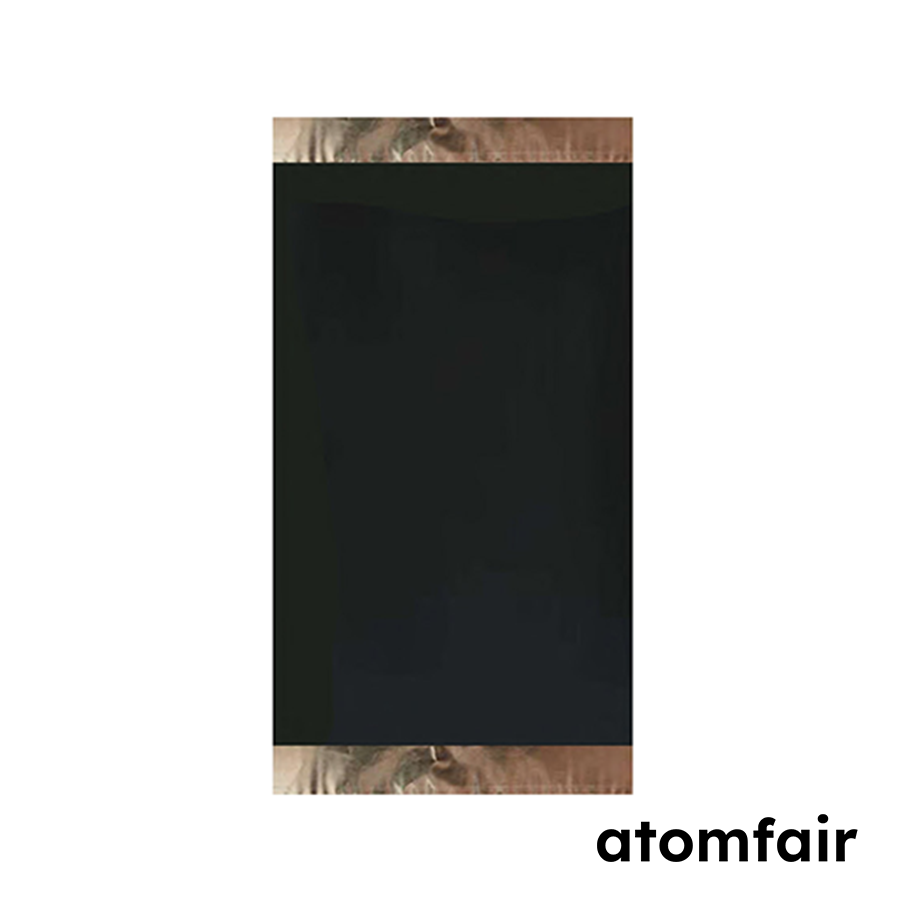
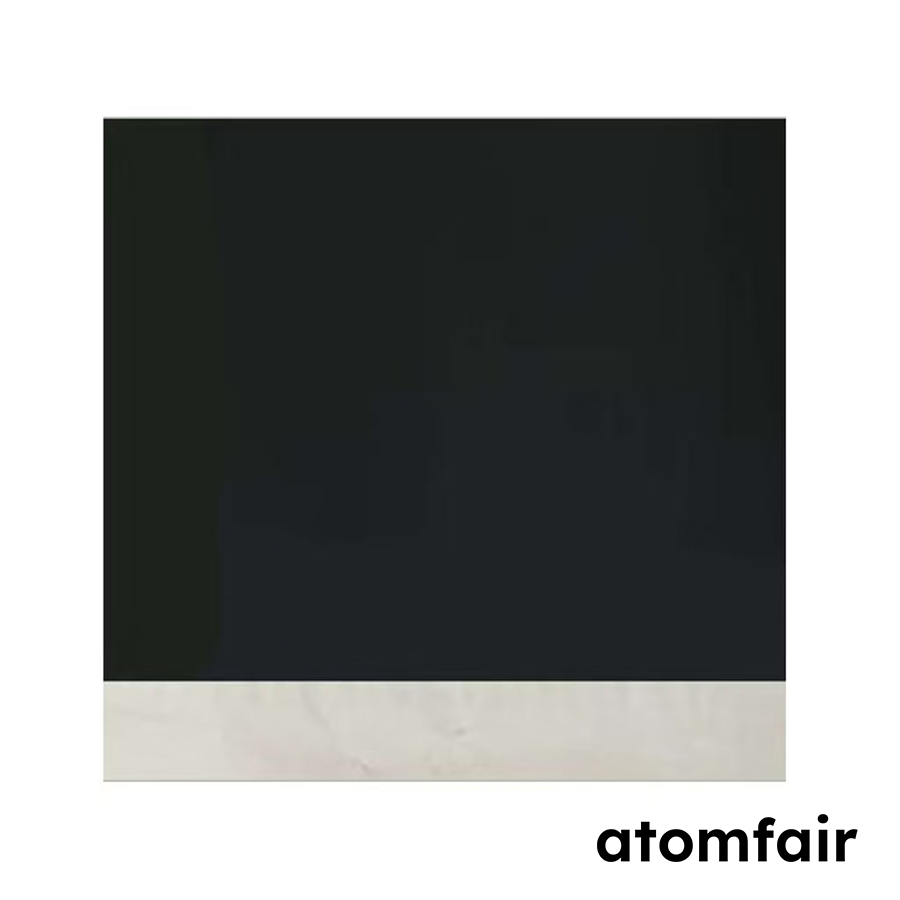
NVP Sodium Vanadium Phosphate Single-Sided Cathode, 20 mg/cm² per side
Single-Sided Cathode Sheet
|
||||||||||||||||||||||||||||||||||||||||||||||
|
This electrode sheet requires vacuum baking at 100°C for 12 hours before use to prevent ambient phase contamination and structural degradation. The sheet is intended for research use only and should be used in a controlled environment.
- Baking Protocol: Vacuum bake the sheet at 100°C for 12 hours prior to use.
The electrode sheet must be vacuum baked at 100°C for 12 hours to remove ambient contamination. Use a vacuum oven capable of maintaining 100°C and vacuum levels.
Required Equipment: Vacuum oven
- Place sheets in oven
Place the NVP electrode sheets into a vacuum oven, ensuring they are not overlapping. - Set temperature
Set the oven temperature to 100°C and allow it to stabilize. - Evacuate chamber
Evacuate the oven chamber to achieve vacuum conditions suitable for the sheets. - Bake for 12 hours
Maintain the vacuum and temperature for 12 hours to ensure complete removal of contaminants.
What vacuum baking protocol is recommended for the NVP-S03 sodium vanadium phosphate electrode sheet before use?
The NVP-S03 electrode sheet should be baked for 12 hours under vacuum at 100°C to prevent ambient phase contamination or structural degradation before thermal validation.
What substrate material is used in the NVP-S03 electrode sheet and how does it improve electrical performance?
The substrate is a carbon-coated aluminum foil matrix crystals that maximizes electrical contact and optimizes boundary interfacial dynamics, thereby enhancing material evaluation accuracy.
What are the active material ratio and coating density of the NVP-S03 electrode sheet?
The active material ratio is 94.50% and the coating density is 20 mg/cm², providing a highly uniform NVP distribution across the 120 × 90 mm active area for reliable electrochemical performance analysis.
Atomfair NVP-S03 sodium vanadium phosphate electrode sheet provides a single-side coated cathode with 20 mg/cm² loading on carbon-coated aluminum foil, featuring a 94.5% active material ratio and dry process uniformity for reliable sodium-ion battery R&D. Requires strict vacuum baking at 100°C for 12 hours prior to use.
Positive
- High active material ratio for uniformity: Optimized active material ratio of 94.50% ensures homogeneous NVP distribution across the electrode, promoting consistent electrochemical performance in half-cell testing.
- Uniform dry process coating: Precise dry process single-sided coating delivers a highly uniform 20 mg/cm² loading over a 120 × 90 mm active area, securing reliable high-fidelity data outputs for baseline testing and electrolyte validation.
Trade-offs
- Strict pre-use baking protocol required: Electrode sheets must be vacuum-baked at 100°C for 12 hours before thermal validation to prevent ambient phase contamination or structural degradation, demanding laboratory vacuum oven infrastructure and process control.
Every advanced material, component, equipment, and instrument in our catalog is backed by rigorous testing. We maintain strict internal quality management frameworks and align with CE conformity metrics to deliver transparent, reproducible performance data via our public open-science repository.
To request raw batch performance data, submit formal vendor registration paperwork, or execute a fast-turnaround R&D manufacturing loop, contact us at inquiry@atomfair.com.
Item is dispatched under the Atomfair Shipping & Delivery Framework (Free worldwide shipping on orders over $59 USD excl. heavy equipment). Return is governed by the Atomfair Return & Refund Policy (7-day technical return window).