|
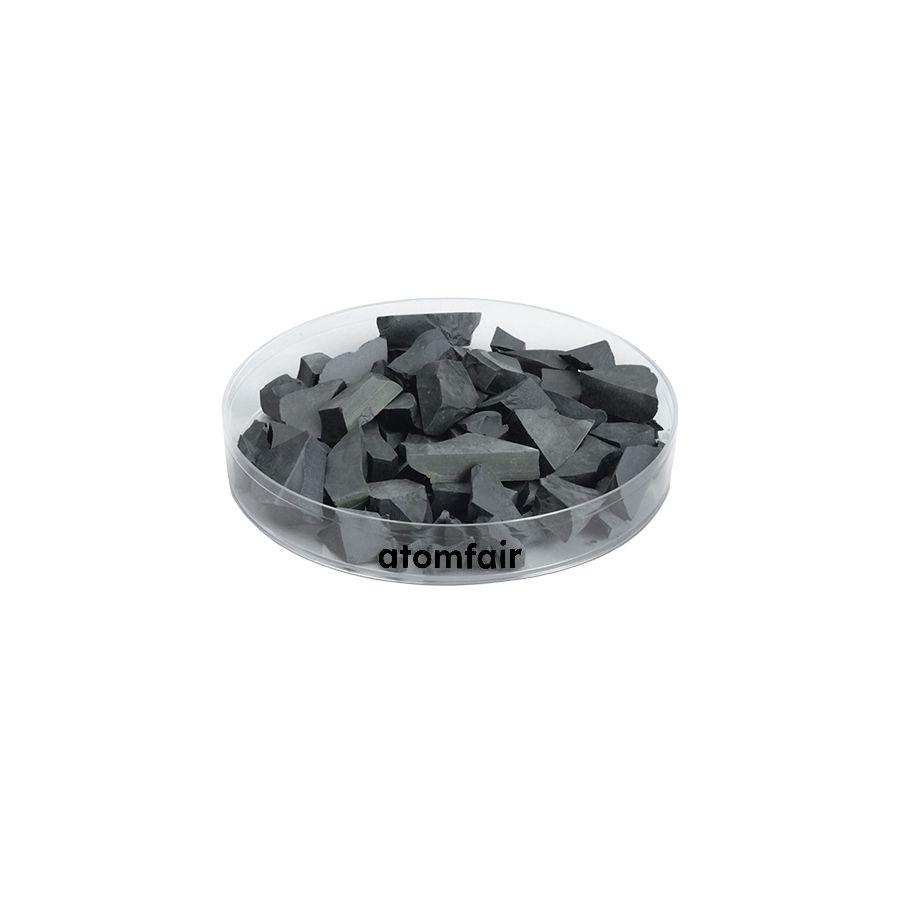
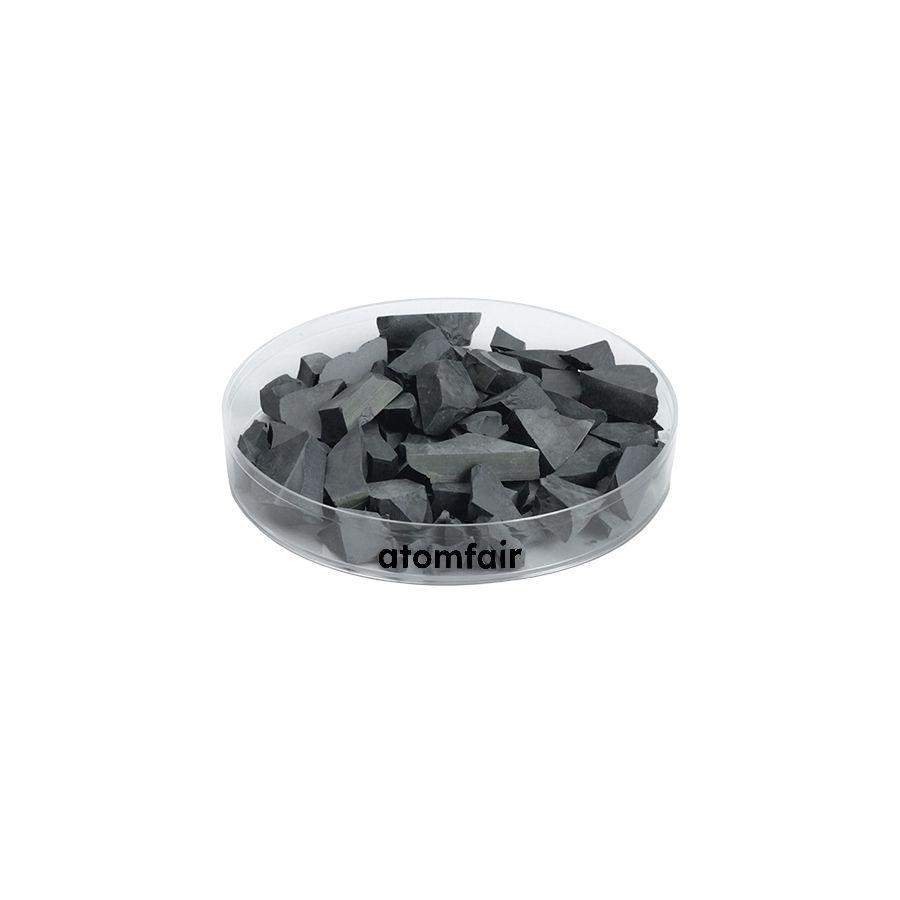
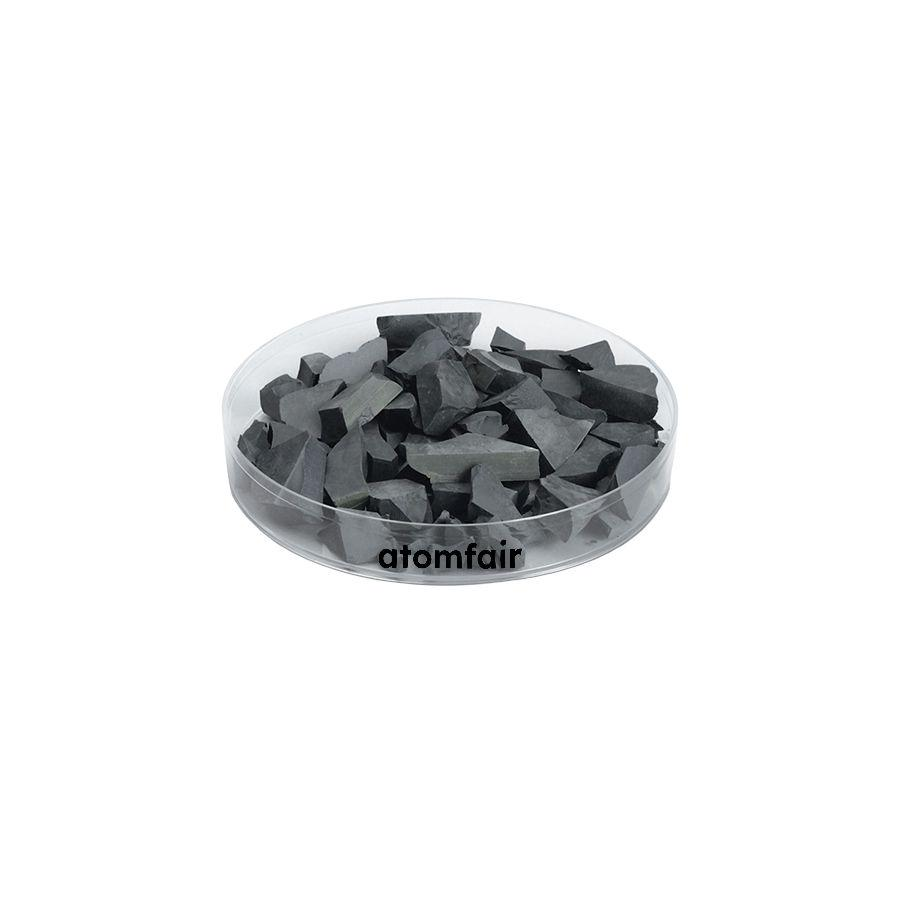
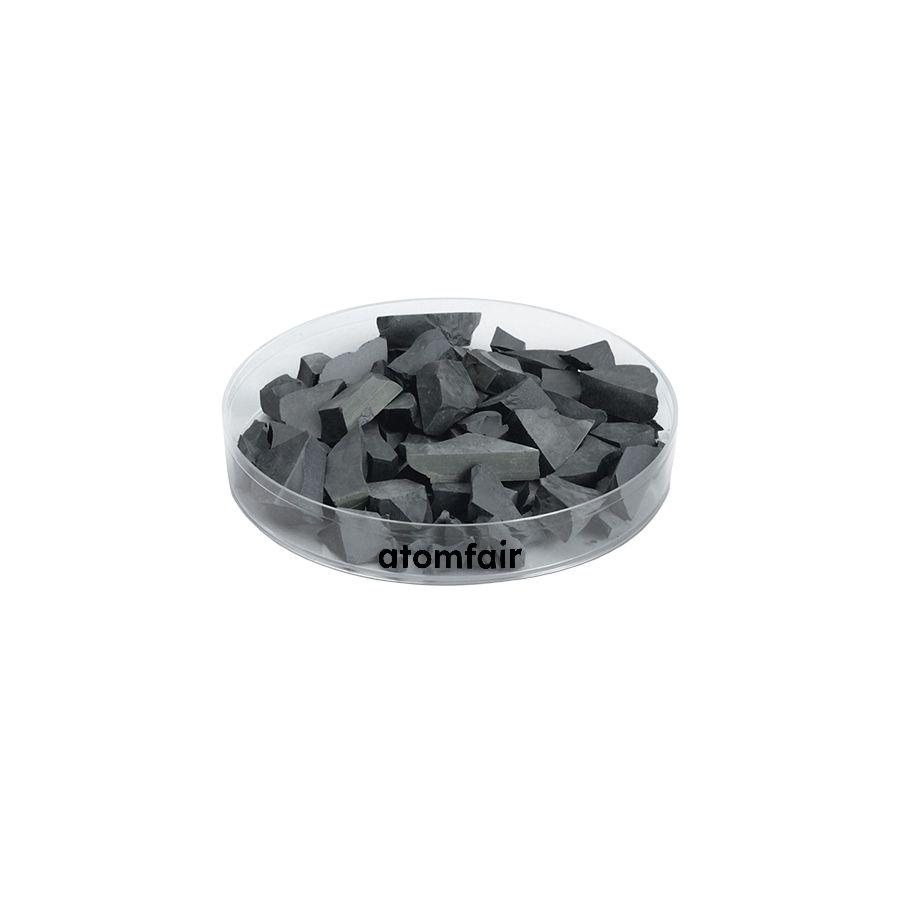
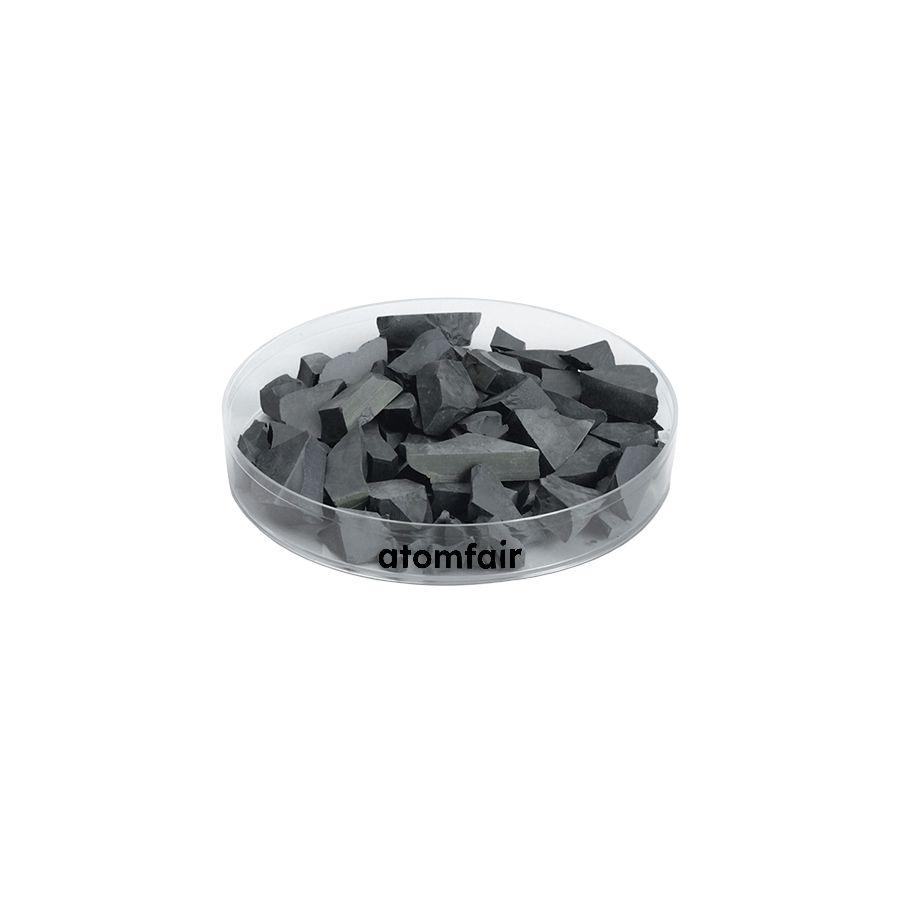
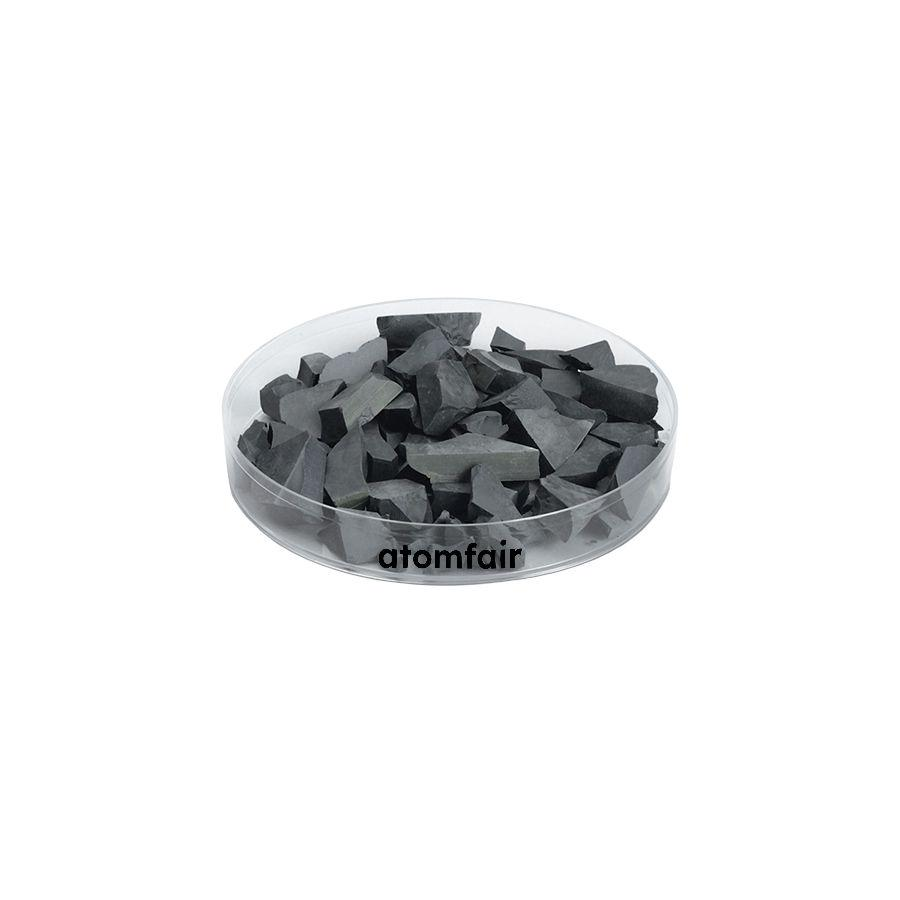
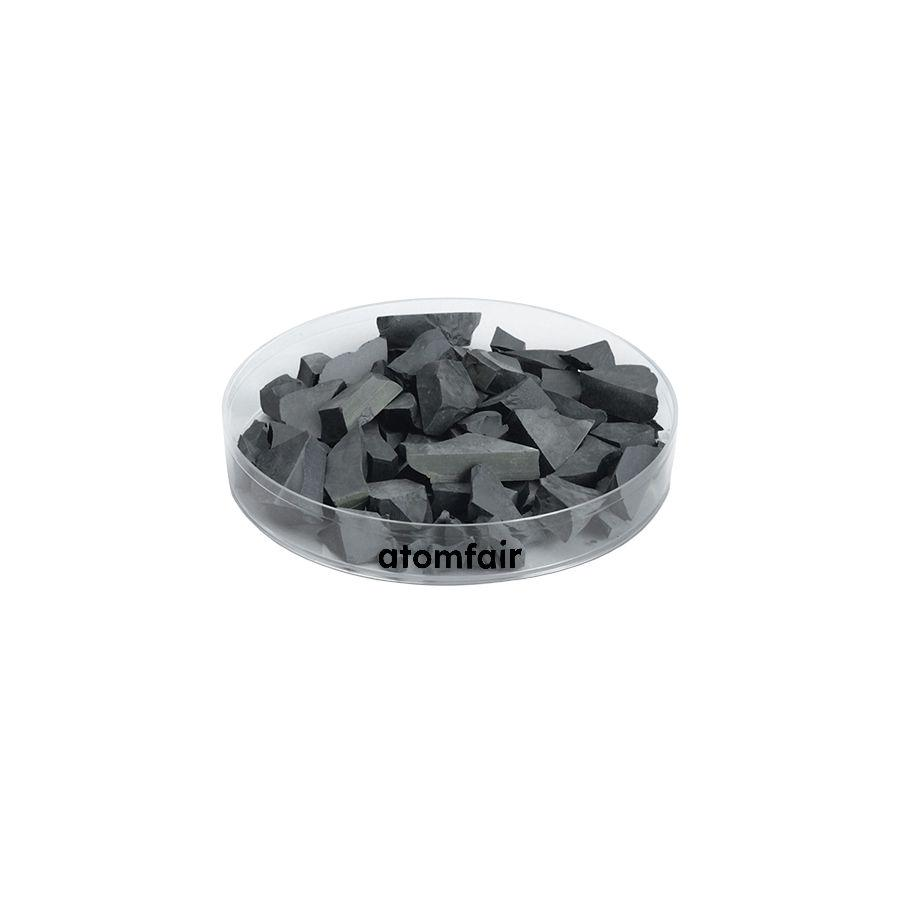
Mercury Sulfide (HgS) Evaporation Material, Pieces, 99.99%, 1-3 mm
Product Type: Compound Evaporation Material
Research-grade laboratory product
|
|||||||||||||||||||||||||||||||||||||
|
|||||||||||||||||||||||||||||||||||||
|
LABORATORY PROCUREMENT SUPPORT
For material selection, deposition-source matching, pack-size confirmation or quotation support, contact our technical sales team.
INQUIRY: inquiry@atomfair.com
|
|||||||||||||||||||||||||||||||||||||
|
Manufacturer: Atomfair LLC
Brand: ATOMFAIR®
|
This material requires vacuum deposition equipment with a compatible crucible or boat material to avoid contamination or degradation. The evaporation source hardware and method must be matched to the material's melting point and film requirements to ensure successful deposition.
- Crucible Compatibility: Use only quartz, alumina, graphite crucibles, tantalum/tungsten boats, or Knudsen cells as evaporation sources to prevent chemical reaction or contamination.
- Evaporation Method: Apply thermal evaporation or low-power electron beam evaporation under vacuum to achieve controlled deposition.
- Deposition Source Matching: Confirm the deposition source geometry and material compatibility with the product's melting point and density before processing.
- Documentation Review: Review the safety data sheet and certificate of analysis to understand handling precautions and required shipment conditions.
- Particle Size Handling: Handle the 1-3 mm pieces carefully to avoid particle loss or contamination during source loading.
What evaporation method is recommended for Mercury Sulfide (HgS) pieces, and why is thermal evaporation typically preferred?
Thermal evaporation or low-power e-beam can be used for HgS evaporation material, with the choice determined by RFQ. Thermal evaporation is commonly preferred due to the material's moderate melting point of 584°C and density of 8.1 g/cm³, which are suited for stable evaporation from quartz, alumina, graphite, or Ta/W boats.
Which crucible and boat materials are compatible with Mercury Sulfide (HgS) evaporation?
Compatible source hardware includes quartz, alumina, and graphite crucibles, tantalum/tungsten boats, and Knudsen cells, as specified in the product description. The compatibility is listed for thermal or low-power e-beam evaporation, and Al2O3 is also noted as a hardware option. RFQ is recommended to confirm compatibility for specific deposition conditions.
What safety documentation and handling considerations are available for Mercury Sulfide (HgS) evaporation material?
A certificate and safety data sheet (SDS) are available for review against laboratory use requirements. The product description also notes that shipment conditions and export requirements should be confirmed before quotation. As a mercury compound, standard precautions for handling toxic materials must be followed.
This research-grade Mercury Sulfide (HgS) evaporation material is supplied as 99.99% pure 1–3 mm pieces, suitable for thermal or low-power e-beam deposition using quartz, alumina, graphite crucibles, Ta/W boats, or Knudsen cells. The defined particle size and high purity support controlled film growth, but the mercury content necessitates rigorous safety, handling, and deposition-source compatibility verification before ordering.
Positive
- High purity 99.99% HgS: The 99.99% (4N) purity grade minimizes contamination in deposited thin films, directly supporting reproducibility in optical, electronic, or sensor applications.
- Controlled 1–3 mm piece size: The pieces are sized 1–3 mm, which facilitates uniform loading into thermal evaporation boats or Knudsen cells and reduces the risk of source spitting during deposition.
Trade-offs
- Toxic mercury compound handling: HgS is a mercury-based compound requiring strict laboratory safety protocols, including fume hoods, personal protective equipment, and compliant waste disposal procedures.
- Melting point and source compatibility: With a melting point of 584 °C, the material requires careful matching to evaporation source hardware (e.g., low-power e-beam or thermal by RFQ) to avoid decomposition or incomplete evaporation.
Every advanced material, component, equipment, and instrument in our catalog is backed by rigorous testing. We maintain strict internal quality management frameworks and align with CE conformity metrics to deliver transparent, reproducible performance data via our public open-science repository.
To request raw batch performance data, submit formal vendor registration paperwork, or execute a fast-turnaround R&D manufacturing loop, contact us at inquiry@atomfair.com.
Item is dispatched under the Atomfair Shipping & Delivery Framework (Free worldwide shipping on orders over $59 USD excl. heavy equipment). Return is governed by the Atomfair Return & Refund Policy (7-day technical return window).