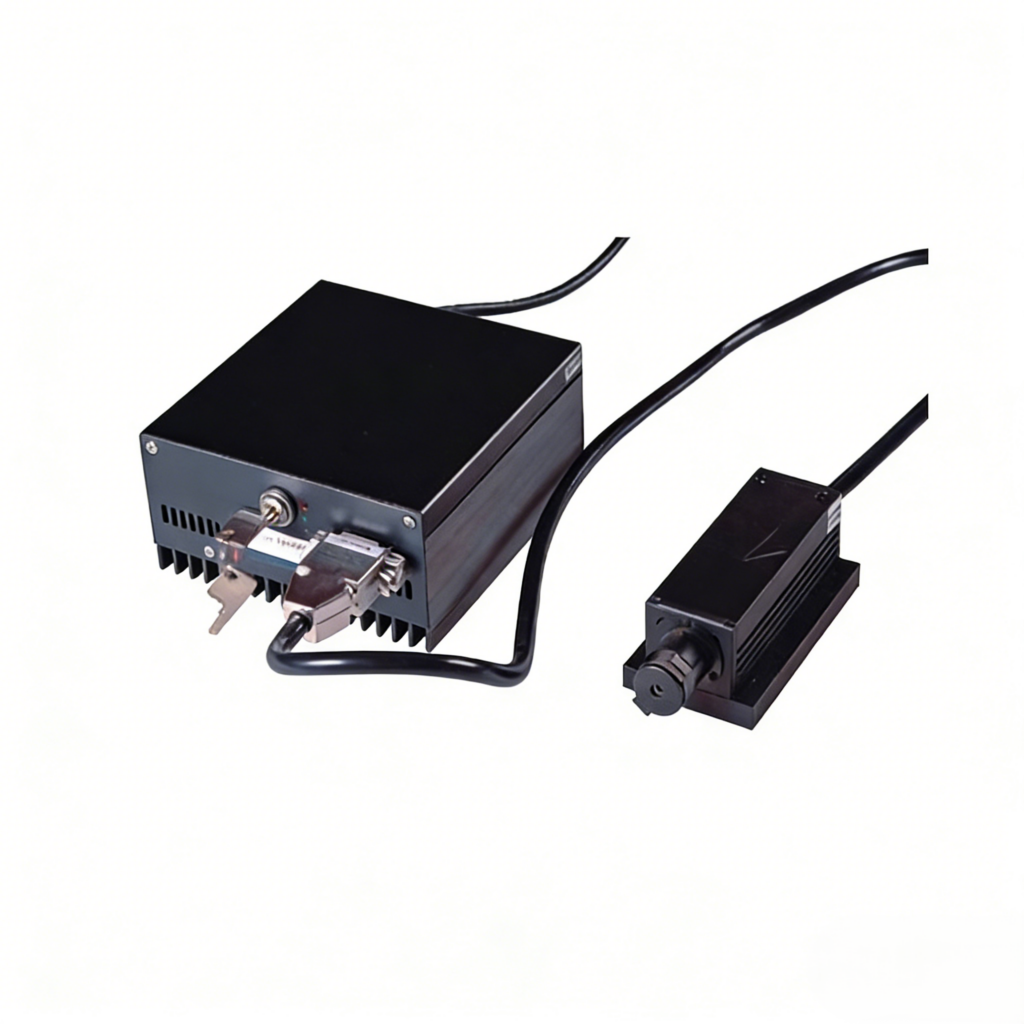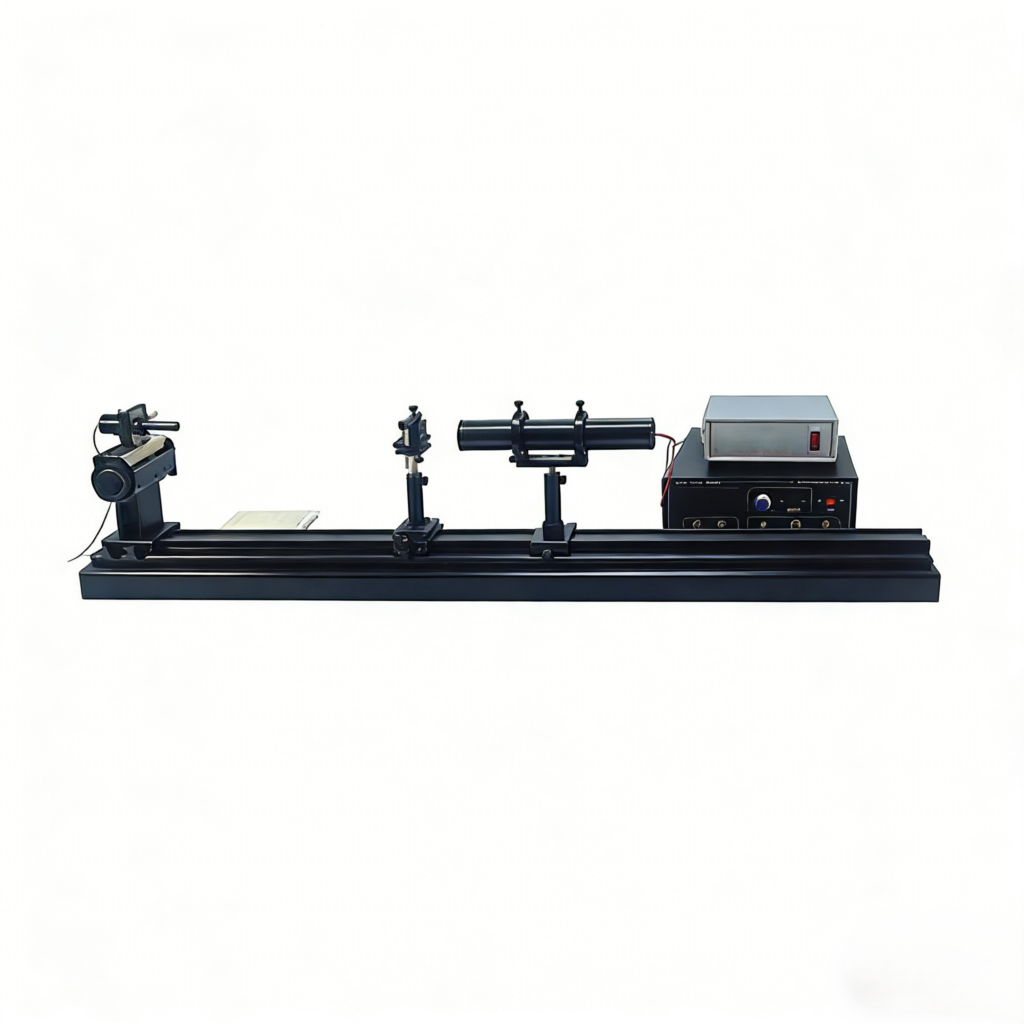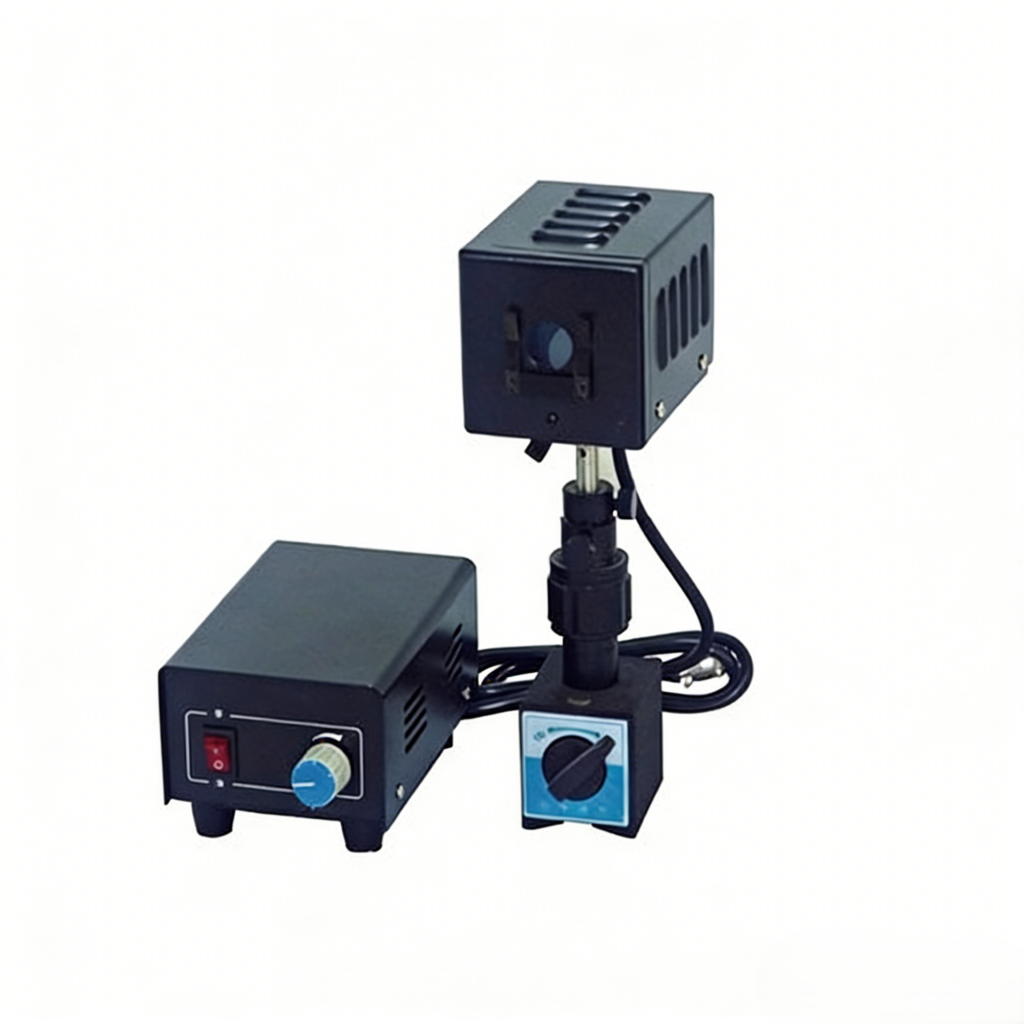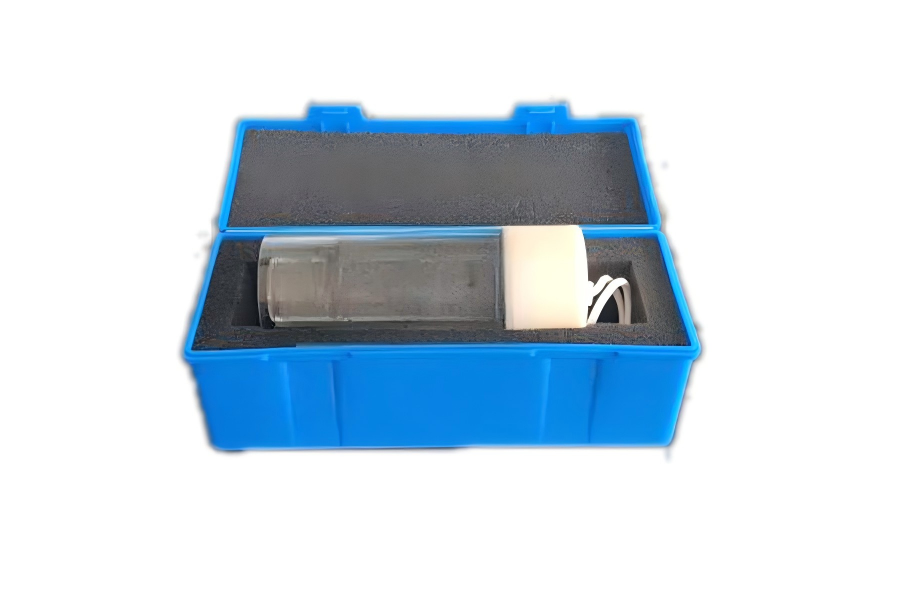
Atomfair LPM 369 Low-Pressure Mercury Lamp
Product Basic Information
- Brand: Atomfair
- Model: Atomfair LPM 369
Product Overview
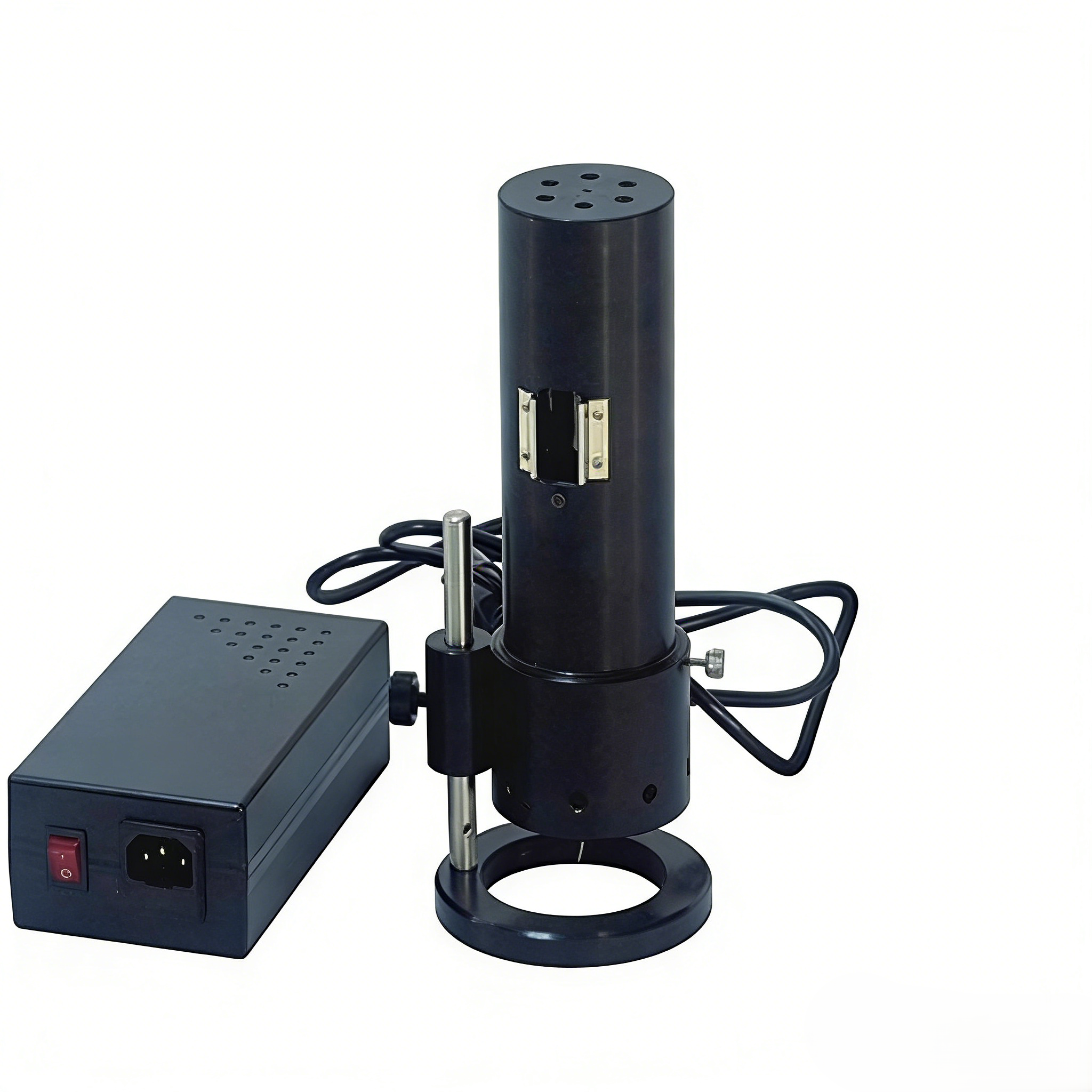
The Atomfair LPM 369 Low-Pressure Mercury Lamp is a high-performance laboratory accessory designed to meet professional testing and analysis needs. As a standard light source, it provides reliable support for instrument calibration and sample analysis. It can accurately inspect and adjust the wavelength accuracy of various instruments, ensuring the precision of experimental data. Additionally, the resolution of instruments can be evaluated through the resolution of the “mercury triplet”, helping users quickly identify the performance of their equipment. When paired with a dedicated sample cell, this lamp enables efficient fluorescence analysis of selected samples, expanding its application scope in experimental research. With a simple bulb replacement, it can be converted into a low-pressure sodium lamp, offering versatile functionality to adapt to different experimental scenarios.
Product Specifications
- Main Spectral Lines: 404.7nm, 435.8nm, 546.1nm, 577.0nm, 579.1nm
- Driving Method: Electronic Ballast Driven
- Product Features: Compact and lightweight design, low energy consumption, high working efficiency
- Input Voltage: 220VAC, 50Hz/60Hz
- Output Power: 20W±50W
Application Scenarios
- Instrument Calibration: Used for inspecting and adjusting the wavelength accuracy of laboratory instruments, ensuring the reliability of test results.
- Resolution Testing: Evaluate the resolution of instruments by detecting the “mercury triplet”, suitable for quality inspection and maintenance of analytical instruments.
- Fluorescence Analysis: Cooperate with dedicated sample cells to conduct fluorescence analysis on biological, chemical and other samples, widely used in scientific research, medical testing and other fields.
- Multi-purpose Conversion: After replacing the bulb, it can be used as a low-pressure sodium lamp, meeting the needs of different light source applications in laboratories.
Product Advantages
- High Precision: Stable and accurate spectral lines ensure the accuracy of instrument calibration and sample analysis.
- Energy-saving and Efficient: Adopts electronic ballast drive, featuring low energy consumption and high working efficiency, which is environmentally friendly and cost-effective.
- Compact and Portable: Small size and light weight make it easy to install and move, suitable for various laboratory environments.
- Versatile Functionality: Integrates multiple uses such as calibration, testing and analysis, and can be converted into a low-pressure sodium lamp, reducing the need for multiple equipment purchases.
If you’re interested, have any questions, or have specific customization requirements, please feel free to contact us at inquiry@atomfair.com.
How does the Atomfair LPM 369's "mercury triplet" enable instrument resolution evaluation?
The Atomfair LPM 369 emits stable spectral lines at 404.7nm, 435.8nm, 546.1nm, 577.0nm, and 579.1nm. The closely spaced pair at 577.0nm and 579.1nm is part of the "mercury triplet" that allows users to evaluate an instrument's ability to resolve adjacent peaks, as stated in the product description. This provides a direct method for assessing spectral resolution without external standards.
What are the requirements for using the Atomfair LPM 369 in fluorescence analysis?
The lamp requires a dedicated sample cell for fluorescence analysis; it is not designed for use with generic cuvettes. It operates at 220VAC (50/60Hz) with an electronic ballast drive and provides stable output for sample excitation. The product explicitly states that it must be paired with a dedicated sample cell to conduct fluorescence analysis on biological or chemical samples.
Can the Atomfair LPM 369 be field-converted to a low-pressure sodium lamp?
Yes, the product description indicates that a simple bulb replacement converts the lamp into a low-pressure sodium lamp. This conversion extends its utility for different light source applications without requiring additional equipment. No special tools or service procedures are described, suggesting a user-serviceable operation.
The Atomfair LPM 369 Low-Pressure Mercury Lamp provides stable, discrete spectral lines at 404.7, 435.8, 546.1, 577.0, and 579.1 nm, enabling wavelength accuracy verification and resolution testing via the mercury triplet, with electronic ballast drive ensuring consistent output for calibration and fluorescence analysis applications.
Positive
- Stable multi-line spectral output: Provides discrete spectral lines at 404.7, 435.8, 546.1, 577.0, and 579.1 nm, enabling precise wavelength calibration and resolution assessment via the mercury triplet.
- Electronic ballast drive: Electronic ballast drive ensures stable lamp operation with low energy consumption and high working efficiency, supporting consistent performance during calibration and analysis.
Trade-offs
- Requires 220VAC input infrastructure: Operates on 220VAC, 50Hz/60Hz, requiring laboratory electrical infrastructure that matches this voltage and frequency, which may not be available in all facilities.
- Bulb replacement needed for sodium mode: Conversion to a low-pressure sodium lamp requires a simple bulb replacement, adding a consumable component and handling step for multi-purpose use.
Every advanced material, component, equipment, and instrument in our catalog is backed by rigorous testing. We maintain strict internal quality management frameworks and align with CE conformity metrics to deliver transparent, reproducible performance data via our public open-science repository.
To request raw batch performance data, submit formal vendor registration paperwork, or execute a fast-turnaround R&D manufacturing loop, contact us at inquiry@atomfair.com.
Item is dispatched under the Atomfair Shipping & Delivery Framework (Free worldwide shipping on orders over $59 USD excl. heavy equipment). Return is governed by the Atomfair Return & Refund Policy (7-day technical return window).