|
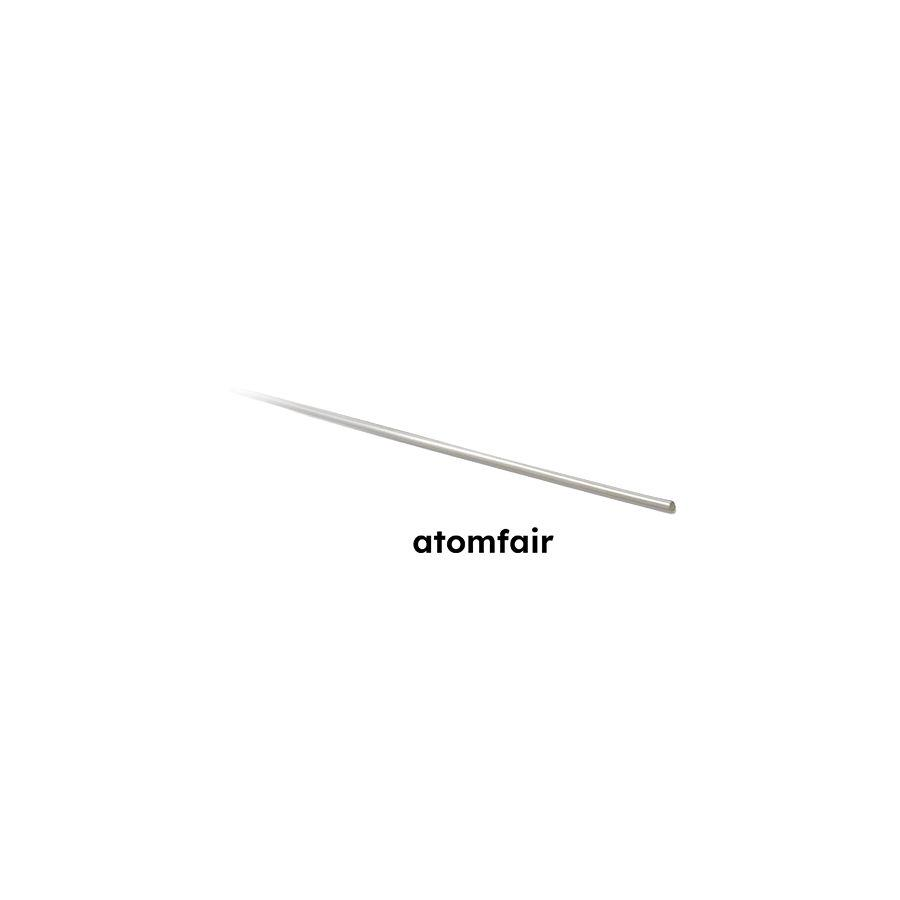
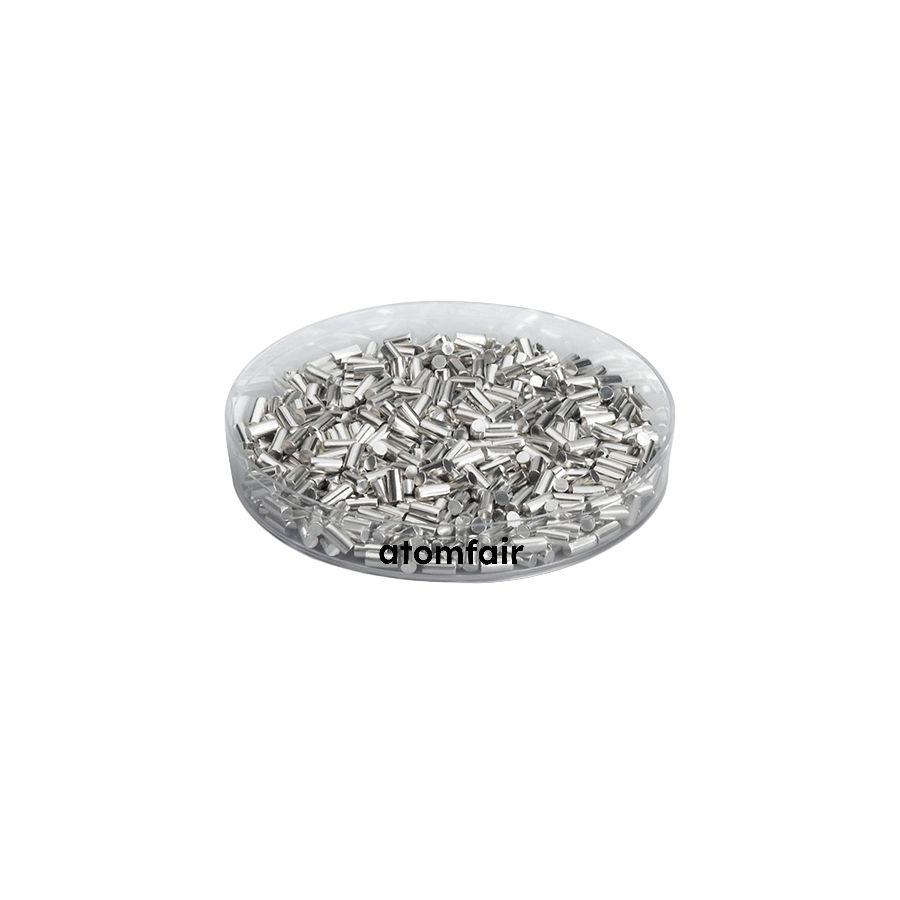
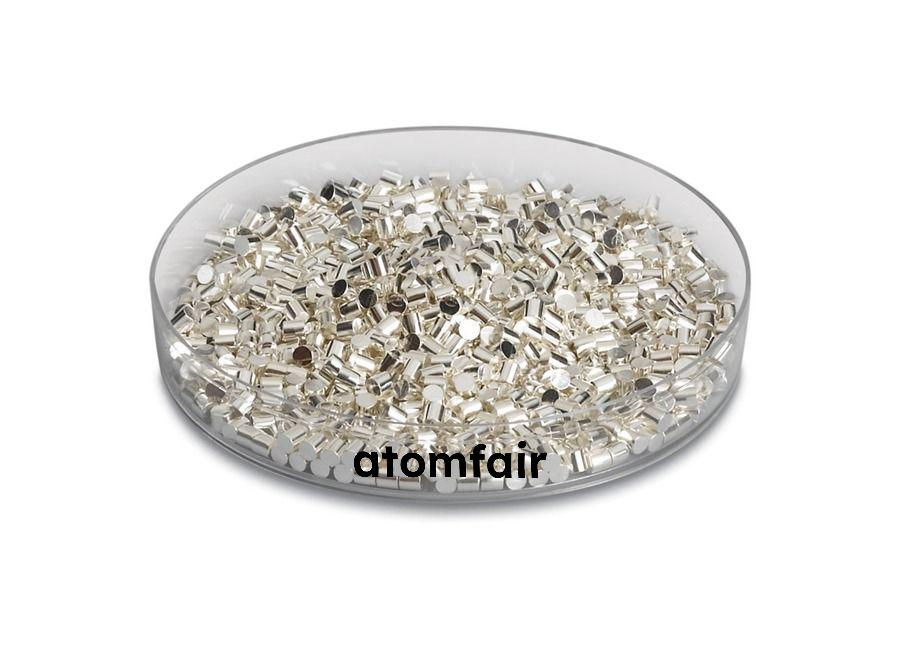
Lithium (Li) Evaporation Material, Pellets, 99.9%, 1-10 mm
Product Type: Pure Metal Evaporation Material
Research-grade laboratory product
|
|||||||||||||||||||||||||||||||||||||||
|
|||||||||||||||||||||||||||||||||||||||
|
LABORATORY PROCUREMENT SUPPORT
For material selection, deposition-source matching, pack-size confirmation or quotation support, contact our technical sales team.
INQUIRY: inquiry@atomfair.com
|
|||||||||||||||||||||||||||||||||||||||
|
Manufacturer: Atomfair LLC
Brand: ATOMFAIR®
|
Store and handle lithium pellets under strict dry inert atmosphere to prevent oxidation and moisture reaction. Use only sealed ampoules or refractory metal boats in a glovebox or inert handling setup for all processing steps.
- Inert Atmosphere Requirement: All handling and storage must be performed in a glovebox or sealed system purged with inert gas such as argon or nitrogen to prevent air exposure.
- Container Integrity: Lithium must be contained in sealed ampoules or refractory metal boats (Ta, Mo, W) during evaporation to maintain inert environment and avoid contamination.
- Moisture Sensitivity: Exposure to ambient humidity causes rapid surface oxidation and potential ignition, requiring a dry inert atmosphere with low moisture content.
- Temperature Control: Evaporation temperature must be controlled above the melting point of 181°C but within the safe operating limits of the boat material.
- Safety Precautions: Lithium is highly reactive with water and air; wear appropriate PPE and keep dry powder fire extinguishing media accessible during handling.
This procedure describes safe handling and loading of lithium pellets into an evaporation source under inert atmosphere. Follow steps to prevent oxidation and ensure uniform deposition for thin-film applications.
Required Equipment: Inert gas glovebox, Sealed ampoule with lithium pellets, Tantalum, molybdenum, or tungsten evaporation boat, Vacuum deposition chamber
- Transfer to glovebox
Transfer the sealed ampoule containing lithium pellets into a glovebox maintained under an inert argon or nitrogen atmosphere. - Open ampoule
Open the ampoule using a cutting tool or ampoule opener inside the glovebox to avoid any exposure to ambient air. - Load boat
Load the lithium pellets into a pre-cleaned tantalum, molybdenum, or tungsten boat suitable for thermal evaporation. - Transfer to chamber
Transfer the loaded boat from the glovebox to the vacuum deposition chamber using a sealed transfer container or load lock. - Evacuate chamber
Evacuate the deposition chamber to a high vacuum to remove residual gases and moisture. - Heat boat
Heat the boat gradually to a temperature above the lithium melting point of 181°C while monitoring the deposition rate. - Cool and vent
Allow the system to cool under vacuum before venting with inert gas to prevent oxidation of residual lithium material.
What are the critical handling and deposition requirements for Lithium (Li) evaporation pellets due to their low melting point and high reactivity?
Lithium requires strict dry inert handling because its low melting point of 181°C and high reactivity with moisture and air. The product specification mandates thermal/resistive evaporation under strict dry inert handling, and recommends using a sealed ampoule or Ta/Mo/W boat to prevent oxidation. The low density (0.53 g/cm³) and Z-ratio of 5.9 also affect film thickness monitoring calibration during deposition.
Which evaporation source materials are compatible with Lithium (Li) pellets for vacuum deposition?
The product is compatible with sealed ampoule or Ta/Mo/W boat sources used in an inert handling setup. The technical specifications explicitly list 'Evaporation Source: Sealed ampoule or Ta/Mo/W boat in inert handling setup' and 'Evaporation Method: Thermal/resistive evaporation under strict dry inert handling; RFQ'. Buyers must confirm deposition source geometry and hardware compatibility before ordering.
Why is the lithium evaporation material supplied as pellets in a 1-10 mm size range, and what infrastructure is needed?
The pellet form (1-10 mm) facilitates controlled loading into evaporation sources, such as boats or crucibles, while minimizing surface area exposure to reactive environments. The strict dry inert handling requirement means the material must be stored and transferred in an inert atmosphere (e.g., argon glovebox) to prevent reaction with ambient moisture. Available pack sizes (100g, 500g, 1kg) allow scaling, but each requires proper inert handling infrastructure consistent with the product's handling specification.
Lithium (Li) evaporation material supplied as 99.9% pure pellets (1-10 mm) for thermal resistive evaporation under strict inert handling conditions, requiring sealed ampoule or refractory metal boat.
Positive
- Defined purity and physical form: 99.9% purity and pellet form (1-10 mm) ensure clear procurement matching and compatibility with thermal evaporation sources.
- Specified melting point and density: Low melting point (181°C) and density (0.53 g/cm³) enable efficient evaporation at moderate temperatures but require process calibration.
Trade-offs
- Requires strict inert handling: Lithium is highly reactive with air and moisture; handling must be performed under dry inert atmosphere using sealed ampoules or refractory metal boats.
- Low density and Z-ratio considerations: Low density (0.53 g/cm³) and Z-ratio of 5.9 may affect film thickness monitoring and require careful quartz crystal microbalance calibration.
Every advanced material, component, equipment, and instrument in our catalog is backed by rigorous testing. We maintain strict internal quality management frameworks and align with CE conformity metrics to deliver transparent, reproducible performance data via our public open-science repository.
To request raw batch performance data, submit formal vendor registration paperwork, or execute a fast-turnaround R&D manufacturing loop, contact us at inquiry@atomfair.com.
Item is dispatched under the Atomfair Shipping & Delivery Framework (Free worldwide shipping on orders over $59 USD excl. heavy equipment). Return is governed by the Atomfair Return & Refund Policy (7-day technical return window).