L-Shaped Carbon Paste Working Electrode (Non-adjustable) series | ATOMFAIRRESEARCH GRADE INSTRUMENT
|
|||||||||||||||||||||
|
|||||||||||||||||||||
|
TAILORED SOLUTIONS FOR RESEARCH
Contact our engineering team for technical support or official institutional quotations.
EMAIL: inquiry@atomfair.com
|
|||||||||||||||||||||
|
Manufacturer: Atomfair LLC
Brand: ATOMFAIR®
|
|||||||||||||||||||||
The electrode surface is highly sensitive to contamination, requiring storage in sealed containers under an anhydrous inert atmosphere. Handling must be performed exclusively within an inert environment to prevent phase contamination or degradation before electrochemical validation.
- Surface Contamination Sensitivity: The carbon paste electrode surface is highly susceptible to contamination from ambient moisture and particulates, necessitating strict handling protocols.
- Inert Atmosphere Requirement: All handling and storage must be conducted within an anhydrous inert atmosphere to prevent phase contamination and degradation of the electrode material.
- Storage Container Integrity: Containers must be kept tightly sealed at all times when not in use to maintain the inert environment and prevent exposure to contaminants.
What is the practical trade-off between the non-adjustable L-shaped design and adjustable variants for carbon paste working electrodes?
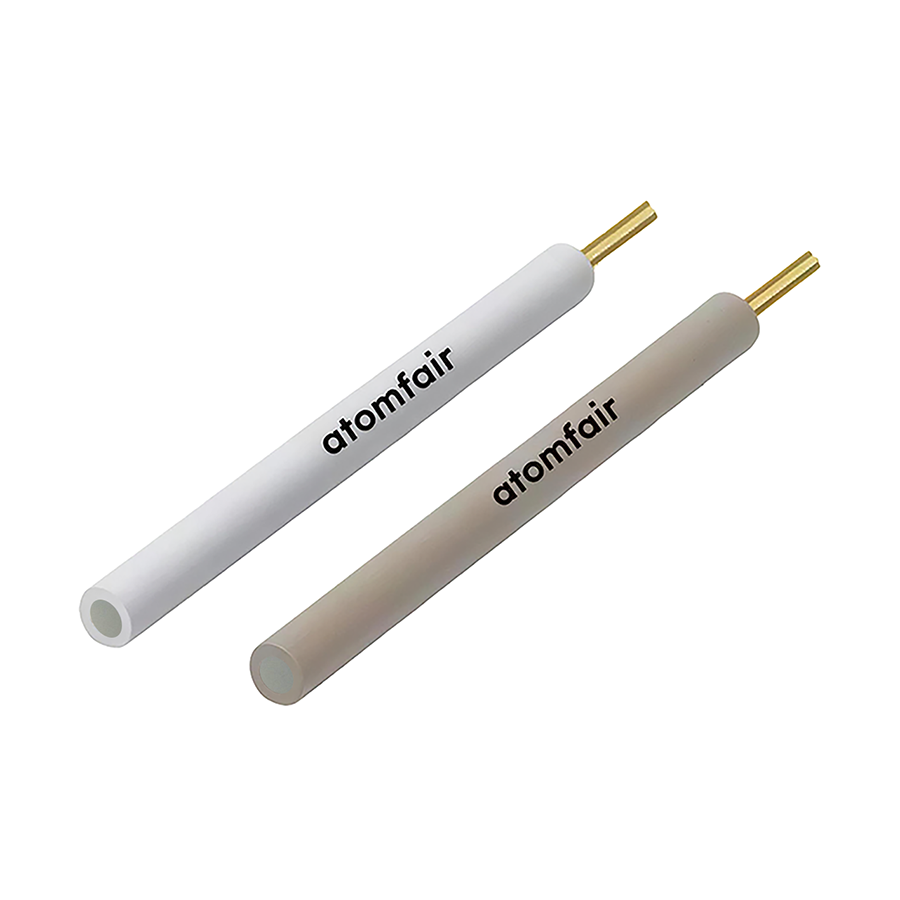
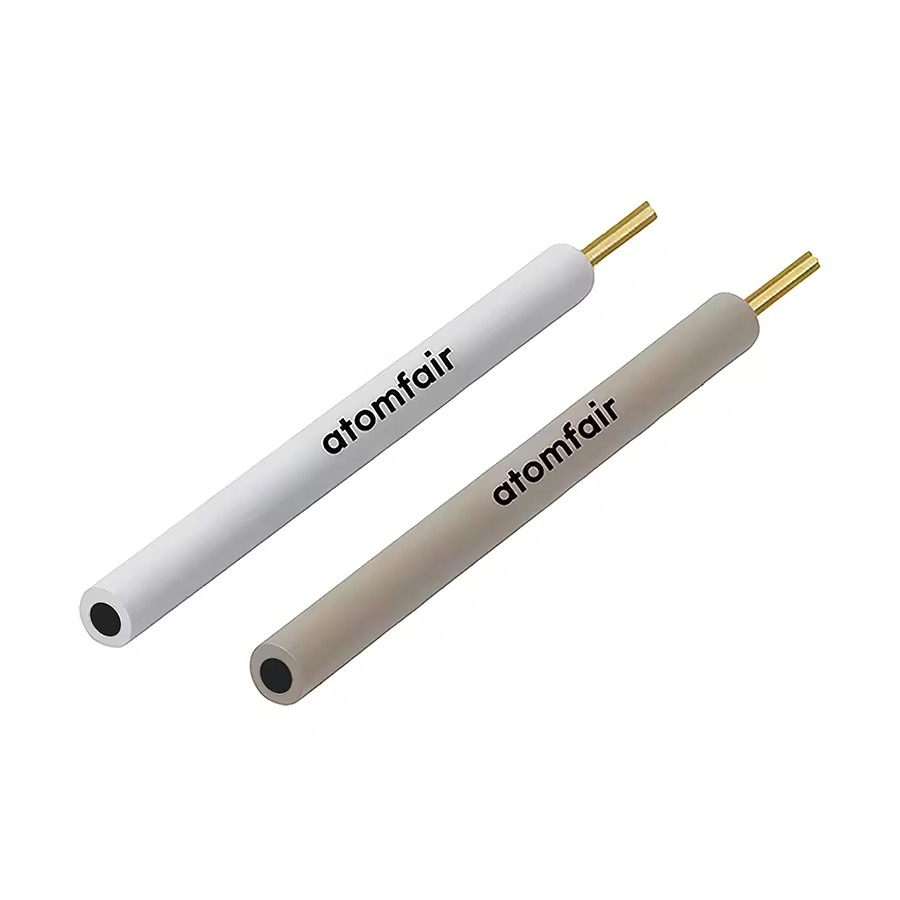
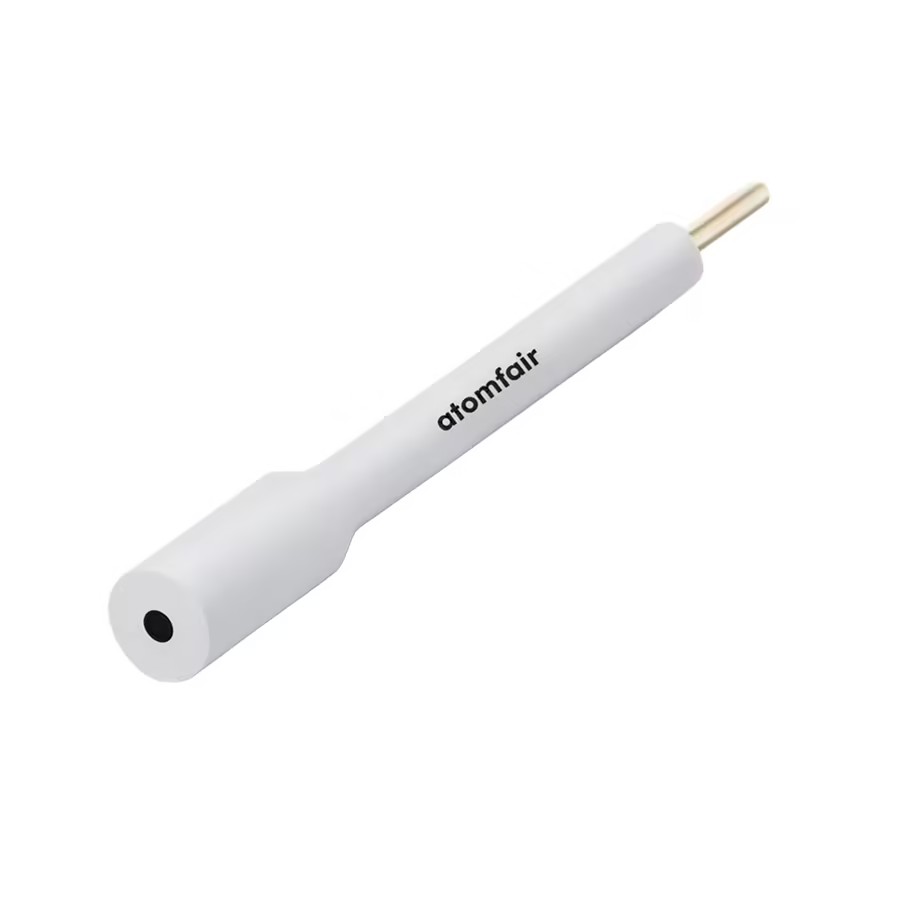
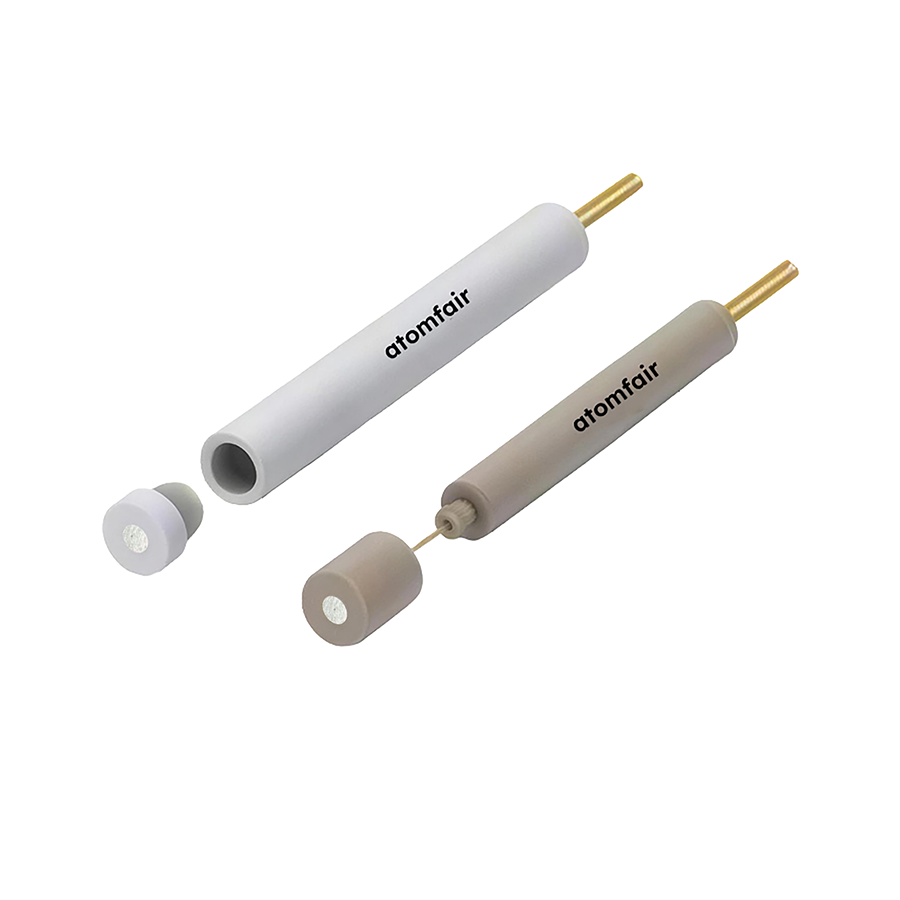
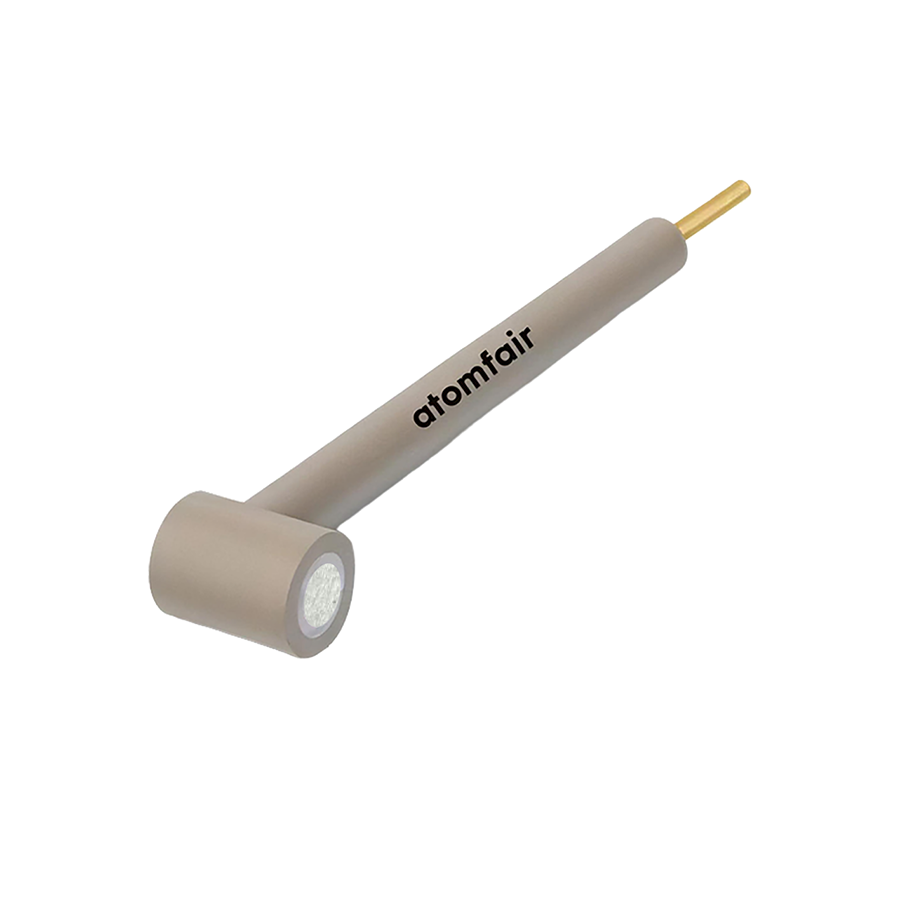
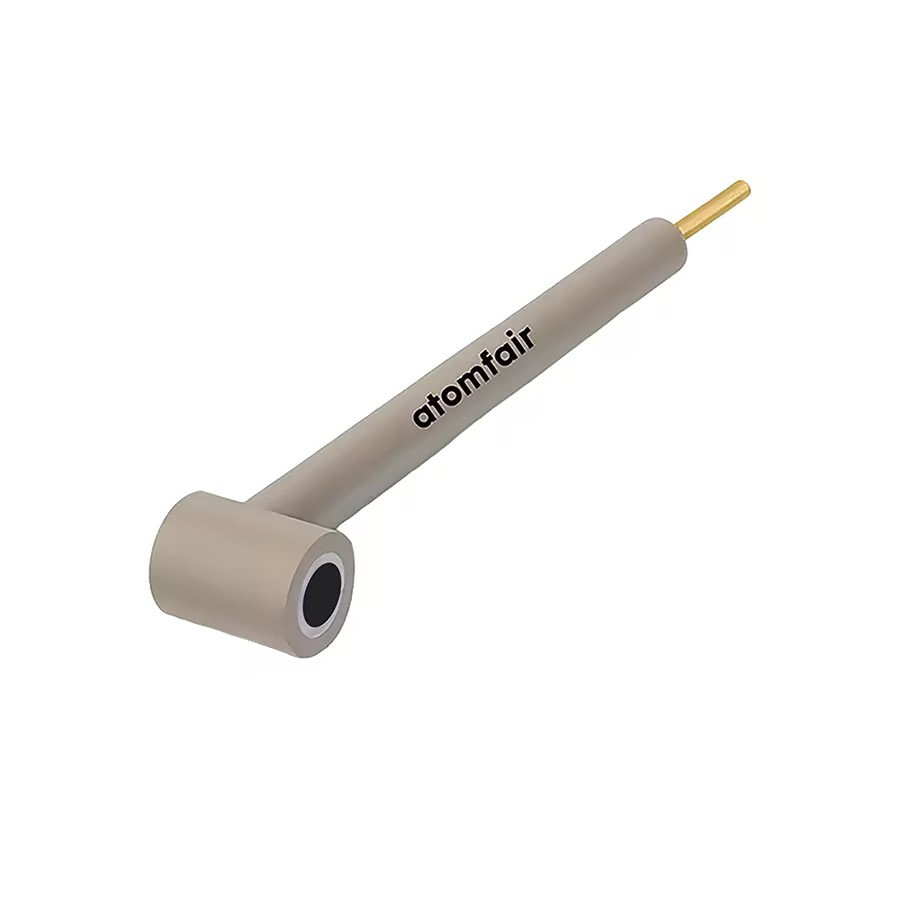
The non-adjustable design eliminates adjustment variability, ensuring cell-to-cell consistency and baseline reproducibility. The fixed L-shaped geometry with a 5mm head length and 2–4mm diameter provides standardized electrode positioning, but limits flexibility in changing the electrode surface area or orientation during an experiment. This trade-off is acceptable for applications requiring high reproducibility across multiple cells.
What cell configurations are compatible with the L-shaped carbon paste working electrode, and how does its geometry affect integration with standard electrochemical setups?
The L-shaped geometry is specifically designed for specialized electrochemical cell configurations where standard straight electrodes cannot be accommodated. Its planar alignment allows flexible positioning, but it may not fit conventional vertical electrode holders. The electrode requires careful alignment to ensure proper electrical contact and is sensitive to surface contamination, necessitating handling in an anhydrous inert environment.
What are the critical storage and handling requirements to prevent contamination or degradation of the L-shaped carbon paste working electrode?
The electrode is highly sensitive to surface contamination. It must be stored in secure, sealed containers with shock-absorption packaging. Handling should be performed exclusively within an anhydrous inert environment to prevent phase contamination or degradation before electrochemical validation. Exposure to ambient moisture or contaminants can compromise the electrode's performance.
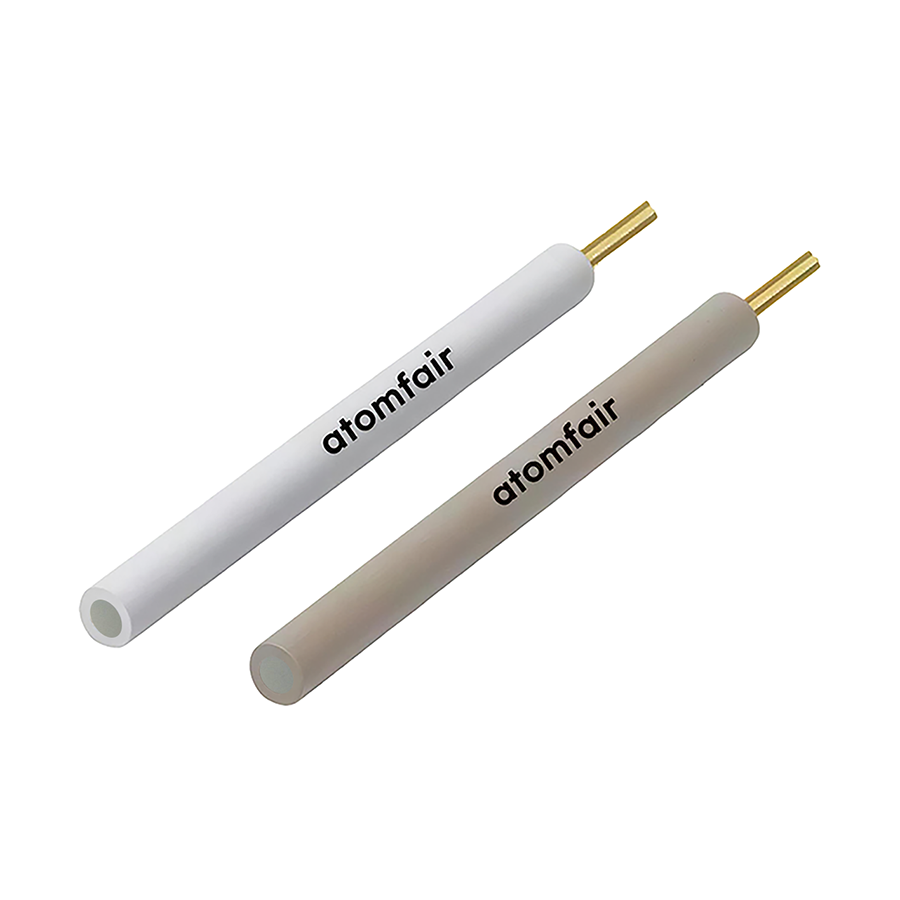
The ATOMFAIR L-Shaped Carbon Paste Working Electrode offers a specialized carbon paste surface with a fixed L-shaped geometry, providing reproducible electrochemical measurements for sensor and biosensor applications, but requires careful handling to avoid surface contamination.
Positive
- Wide potential window and low background current: The carbon paste material provides a broad electrochemical potential window with minimal background interference, ideal for sensor development and biosensor applications across diverse redox systems.
- Flexible L-shaped geometry for specialized cells: The L-shaped design enables flexible electrode positioning and easier alignment in electrochemical cell configurations where standard straight electrodes cannot be accommodated, enhancing compatibility with custom setups.
Trade-offs
- High sensitivity to surface contamination: This electrode is highly sensitive to surface contamination and must be stored in sealed containers or handled in anhydrous inert environments to prevent phase contamination or degradation prior to validation.
- Fixed non-adjustable electrode geometry: The L-shaped design is fixed and non-adjustable, limiting the ability to modify the electrode angle for non-standard cell geometries or experimental configurations requiring variable orientation.
Every advanced material, component, equipment, and instrument in our catalog is backed by rigorous testing. We maintain strict internal quality management frameworks and align with CE conformity metrics to deliver transparent, reproducible performance data via our public open-science repository.
To request raw batch performance data, submit formal vendor registration paperwork, or execute a fast-turnaround R&D manufacturing loop, contact us at inquiry@atomfair.com.
Item is dispatched under the Atomfair Shipping & Delivery Framework (Free worldwide shipping on orders over $59 USD excl. heavy equipment). Return is governed by the Atomfair Return & Refund Policy (7-day technical return window).