High-Pressure In-situ Infrared CellProduct Type: In-situ infrared electrochemical cell
Research-grade laboratory product
|
|||||||||||||||||||||||||
|
|||||||||||||||||||||||||
|
LABORATORY PROCUREMENT SUPPORT
For model selection, technical compatibility or configuration confirmation, contact our technical sales team.
E-MAIL: inquiry@atomfair.com
|
|||||||||||||||||||||||||
|
Manufacturer: Atomfair LLC LLC
Brand: ATOMFAIR®
|
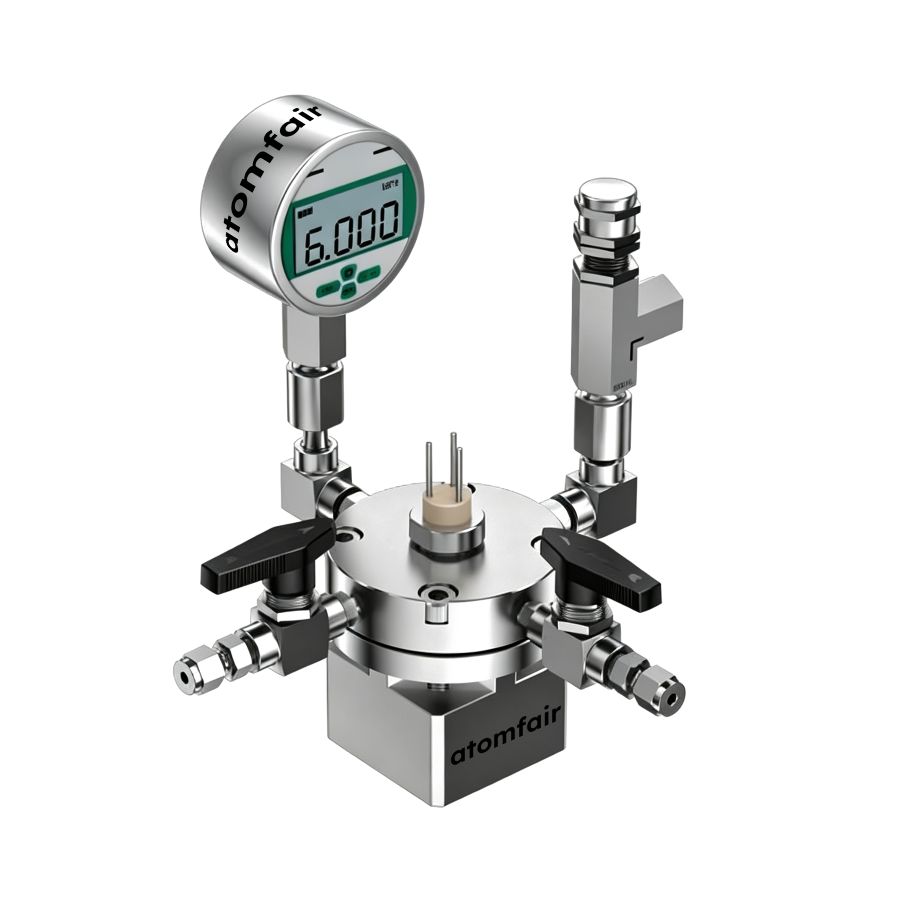
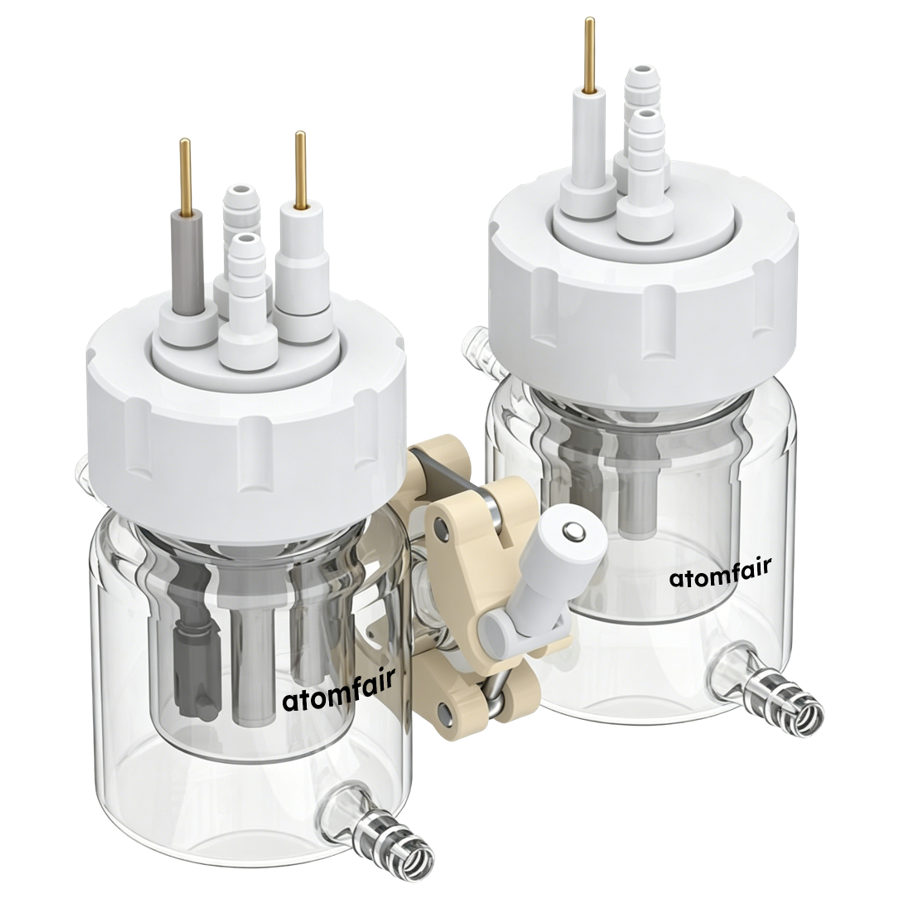
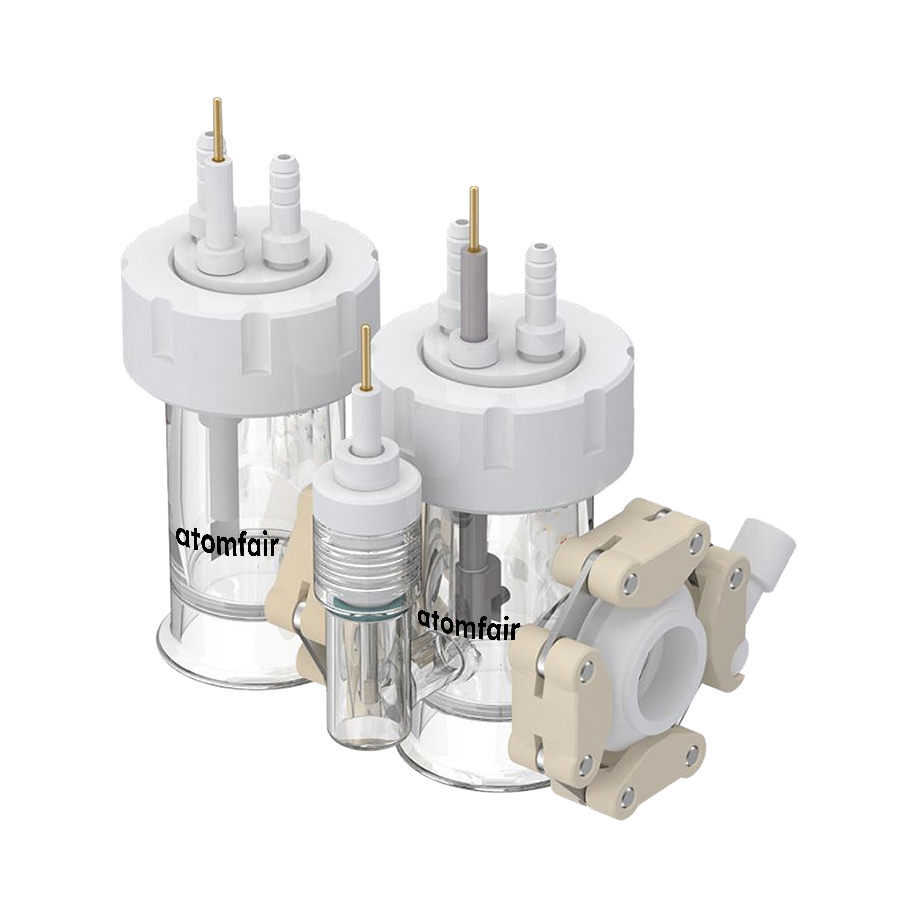
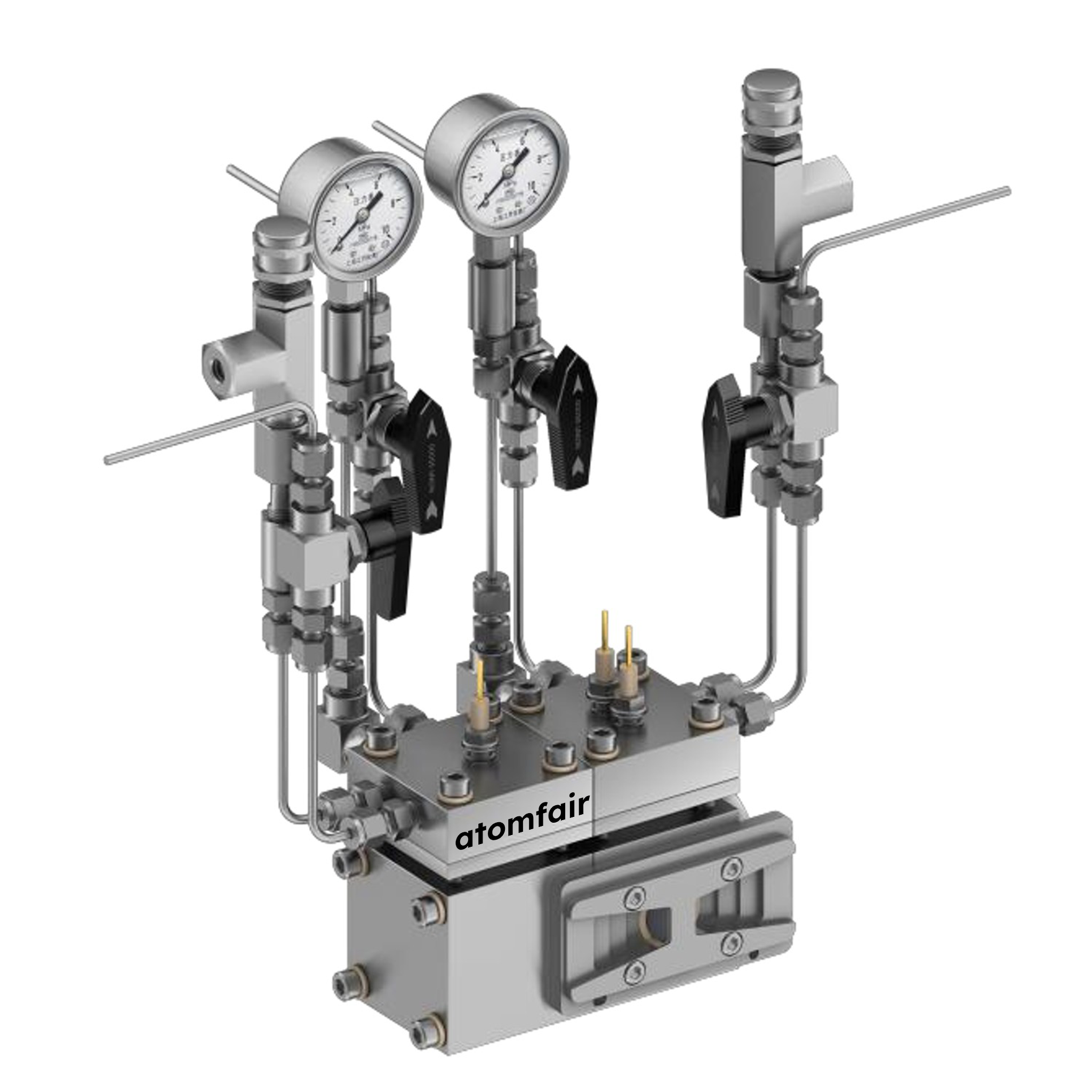
The cell requires stainless-steel bolted sealing and internal electrode fixation for safe operation up to 6 MPa. Infrared window material must be selected for optical and chemical compatibility with the experimental conditions.
- Pressure rating: The cell must not exceed the rated maximum pressure of 6 MPa to maintain structural integrity.
- Window selection: Select an infrared window material (silicon, calcium fluoride, or zinc selenide) that is optically transparent and chemically compatible with the electrolyte.
- Sealing: Tighten the stainless-steel bolts evenly to ensure leak-proof high-pressure sealing.
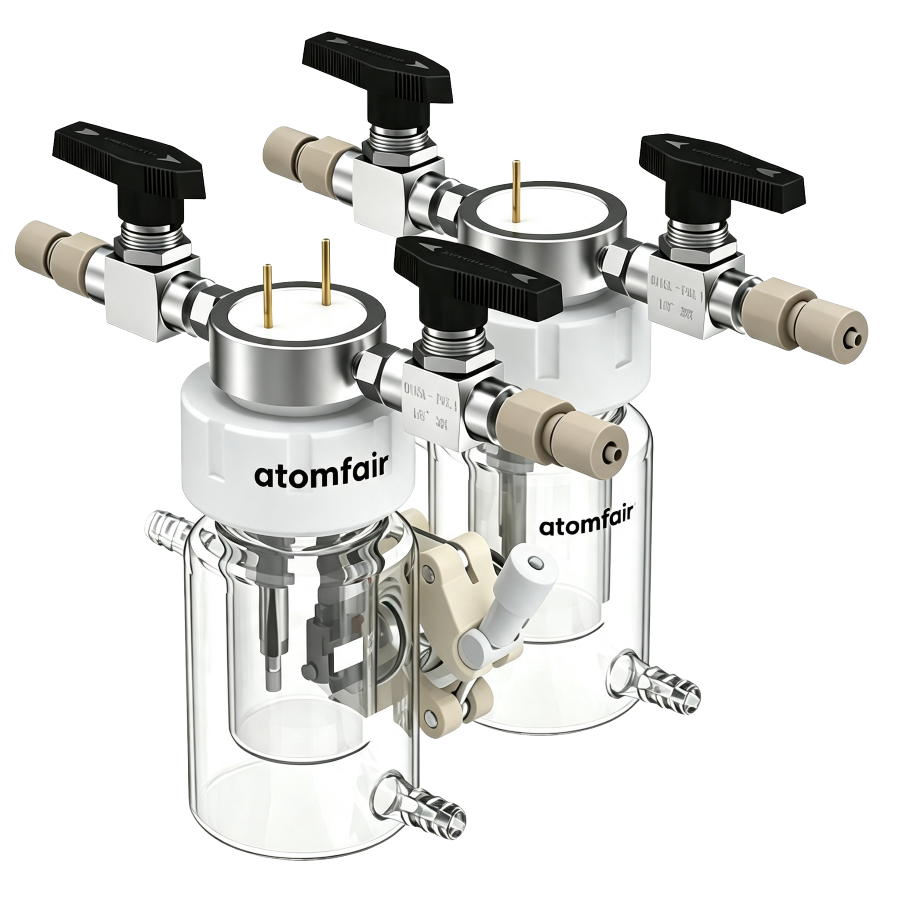
- Electrode assembly: Fix the glassy carbon, Ag/AgCl, and platinum electrodes using the internal clamp to maintain stable electrical contact.
This procedure covers the assembly and pressurization of the high-pressure cell for in-situ infrared electrochemical measurements. Follow the steps in order to ensure safe operation and accurate spectral data.
Required Equipment: High-pressure three-electrode set, Stainless-steel sealing bolts, Optical path assembly
- Install electrodes
Install the three-electrode set including the glassy carbon clamp, Ag/AgCl reference, and platinum sheet counter electrode. - Seal chamber
Tighten the stainless-steel bolts evenly to achieve a leak-proof seal for high-pressure operation. - Align optical path
Align the cell's infrared window with the optical path assembly for in-situ infrared measurements. - Pressurize system
Slowly pressurize the cell to the target pressure up to 6 MPa while checking for leaks.
What is the performance trade-off between the standard single-crystal silicon infrared window and custom calcium fluoride or zinc selenide windows for high-pressure in-situ IR measurements?
The standard single-crystal silicon window provides robust mechanical integrity for the 6 MPa maximum pressure rating and is fully integrated into the cell's stainless-steel bolted sealing design. Custom calcium fluoride or zinc selenide windows offer different optical properties, but their compatibility with the high-pressure seal and pressure limit must be verified for each specific configuration, as the cell's window mounting is optimized for the standard silicon window.
What compatibility constraints exist when integrating this high-pressure in-situ IR cell with an external FTIR spectrometer and optical path assembly?
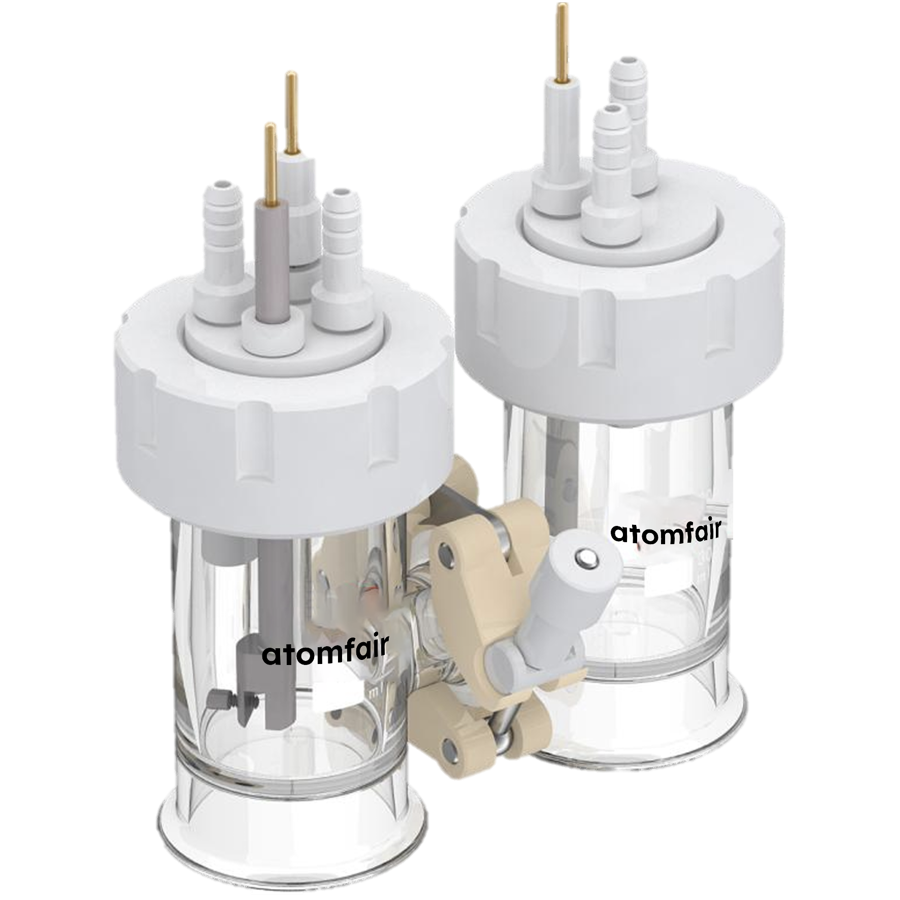
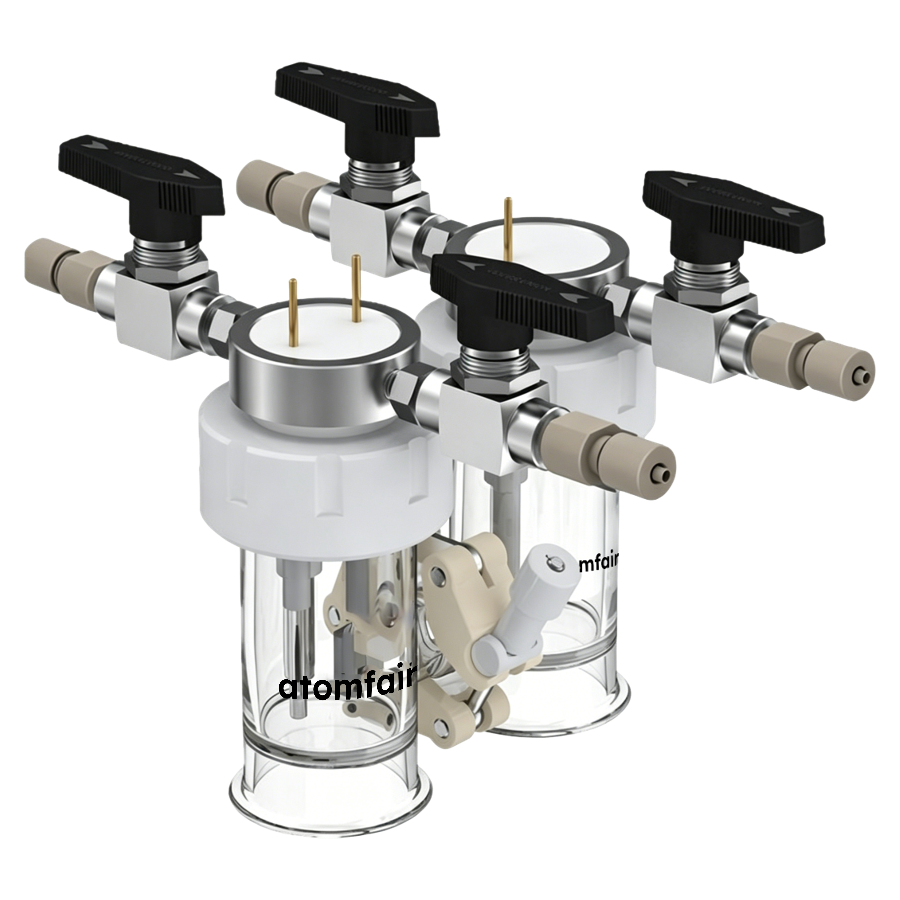
The cell is explicitly designed to be used with an optical path assembly, but the standard single-crystal silicon window has a fixed IR transmission range that may limit spectral coverage; custom calcium fluoride or zinc selenide windows are supported for applications requiring alternative ranges. Additionally, the 20 mL + 20 mL chamber geometry and bolted sealing design require careful alignment with the spectrometer's beam path to achieve optimal optical signal throughput.
What safety and handling protocols are required for operating the high-pressure in-situ IR cell at the maximum pressure of 6 MPa?
Operation at 6 MPa demands proper torquing of the stainless-steel bolted seals to ensure leak-free performance. The high-pressure sapphire observation window must be inspected for cracks before each use, and the cell should be placed in a pressure-rated protective enclosure. The high-purity PTFE chamber is chemically resistant but should be regularly checked for wear, especially when using reactive electrolytes.
The Atomfair AF-IR-HP high-pressure in-situ infrared cell combines a high-purity titanium shell and PTFE chamber with a 6 MPa pressure rating, enabling operando spectroelectrochemical studies under realistic reaction conditions, though the 20 mL + 20 mL dual-chamber volume and requirement for custom window materials impose specific infrastructure and handling considerations.
Positive
- High-pressure operando capability: Rated to 6 MPa with stainless-steel bolted sealing and high-pressure sapphire observation window, enabling in-situ infrared spectroscopy under elevated pressure conditions relevant to catalytic and electrochemical reaction studies.
- Corrosion-resistant materials: High-purity titanium shell and PTFE chamber provide chemical inertness and resistance to aggressive electrolytes, supporting long-duration experiments without contamination or degradation.
Trade-offs
- Dual-chamber volume constraint: Each chamber holds only 20 mL, limiting electrolyte volume and potentially restricting mass transport or requiring frequent replenishment for extended or high-current experiments.
- Custom window material lead time: While single-crystal silicon is standard, calcium fluoride or zinc selenide windows must be custom ordered, introducing procurement lead times and potential compatibility checks for specific IR transmission ranges.
Every advanced material, component, equipment, and instrument in our catalog is backed by rigorous testing. We maintain strict internal quality management frameworks and align with CE conformity metrics to deliver transparent, reproducible performance data via our public open-science repository.
To request raw batch performance data, submit formal vendor registration paperwork, or execute a fast-turnaround R&D manufacturing loop, contact us at inquiry@atomfair.com.
Item is dispatched under the Atomfair Shipping & Delivery Framework (Free worldwide shipping on orders over $59 USD excl. heavy equipment). Return is governed by the Atomfair Return & Refund Policy (7-day technical return window).