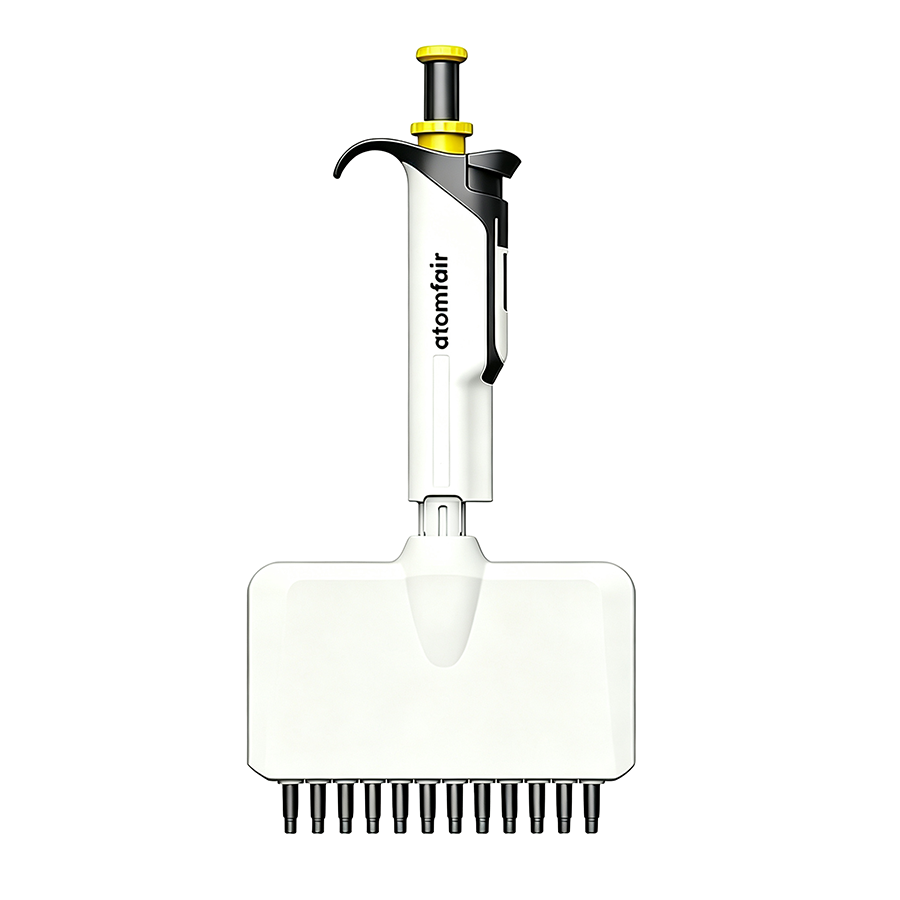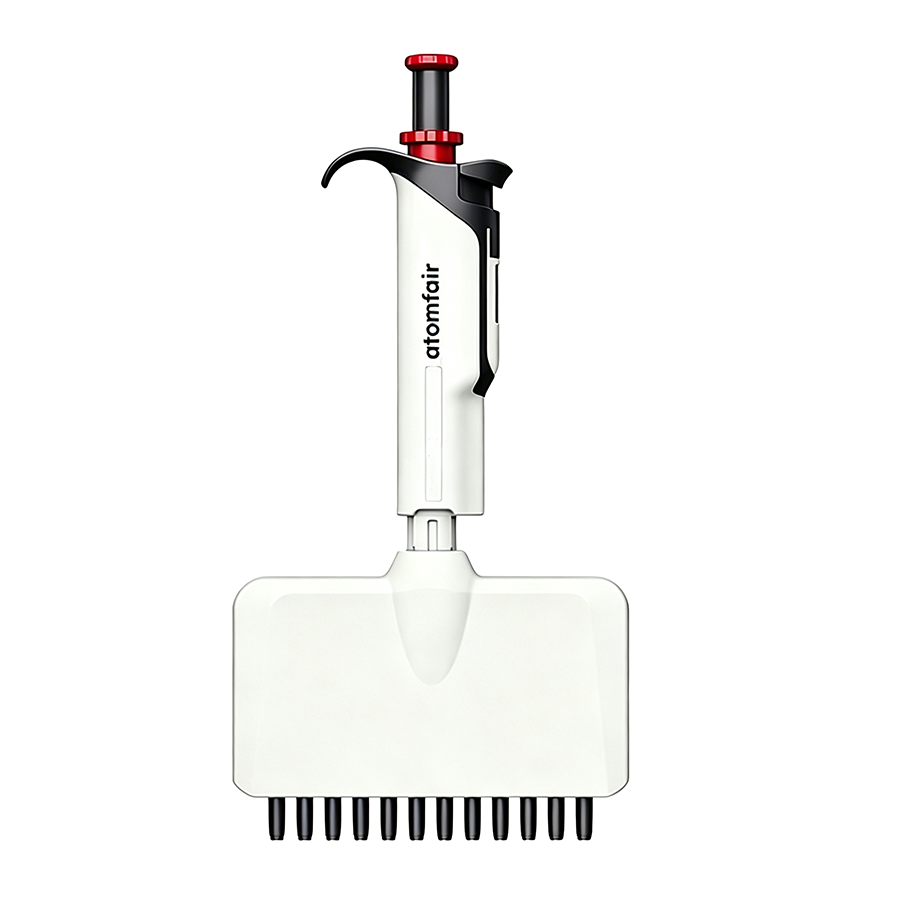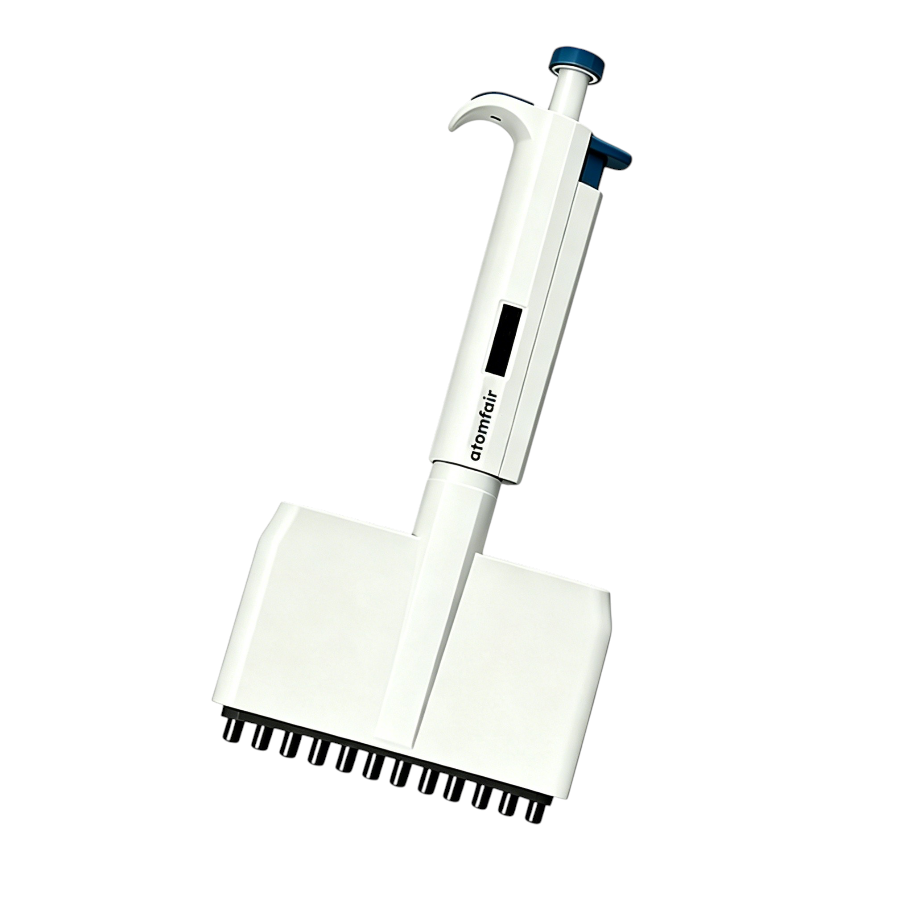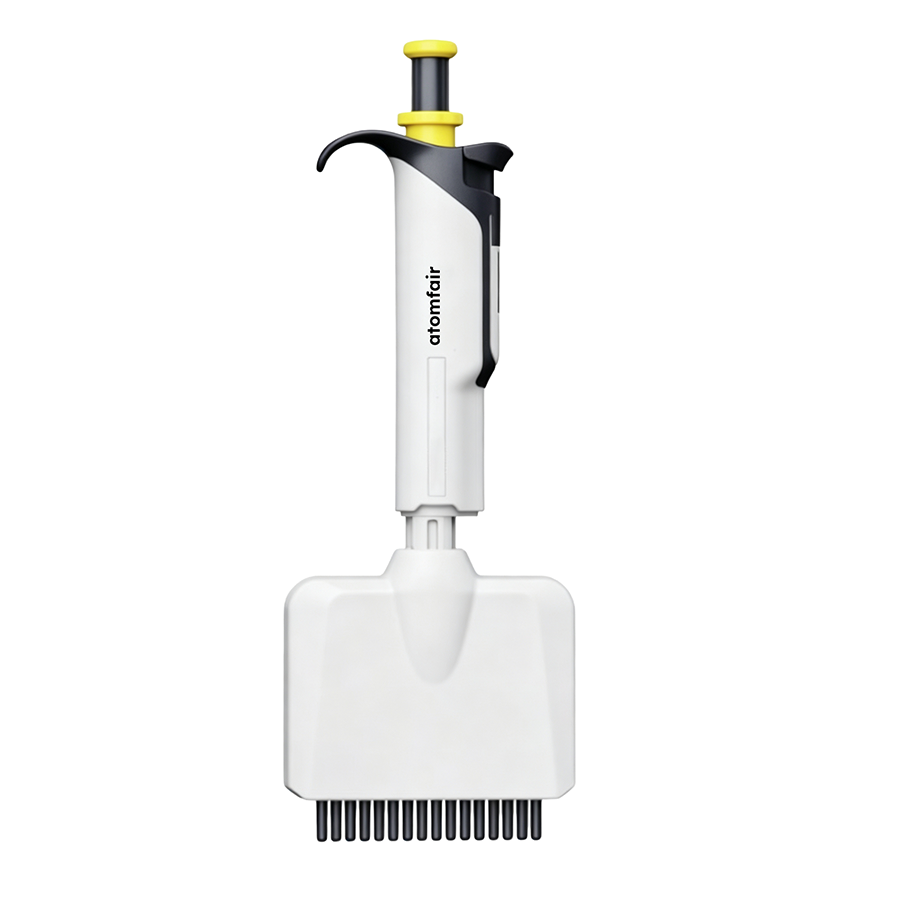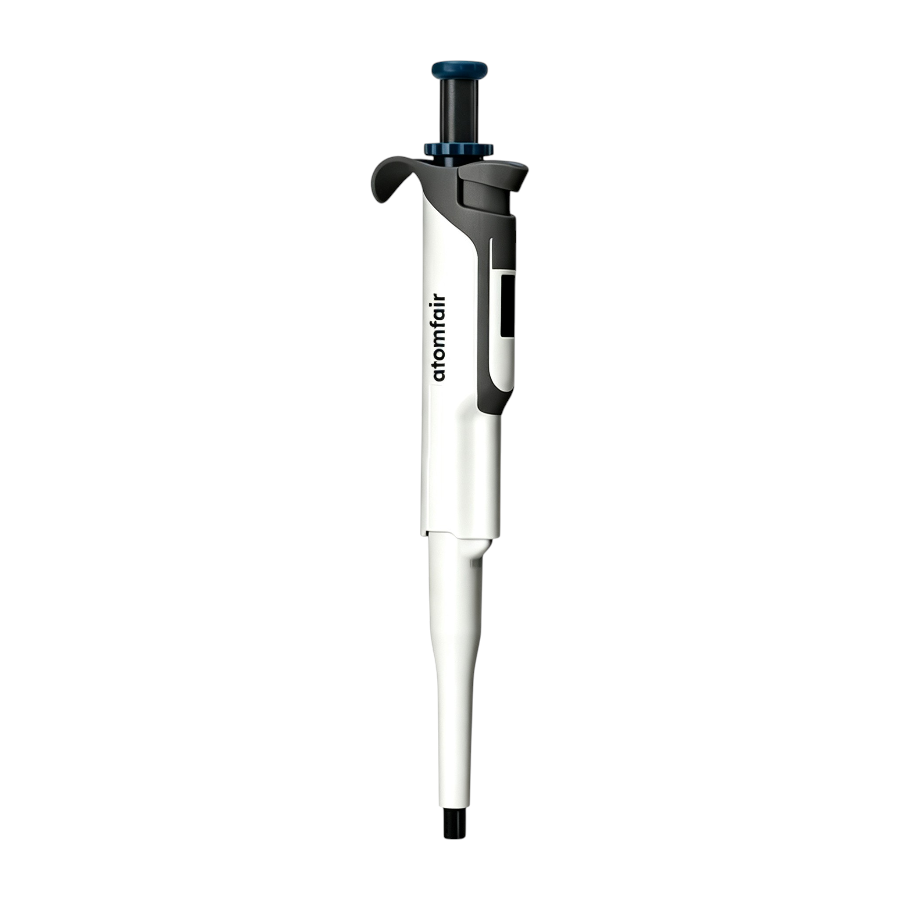
HiPette Single-channel 100-1000 µL PipetteProduct Type: Fully autoclavable manual pipette
Research-grade liquid handling platform
|
|||||||||||||||||||||||||||||||
|
|||||||||||||||||||||||||||||||
|
TAILORED SOLUTIONS FOR RESEARCH
For bulk orders, OEM requirements, accessory matching, platform selection or configuration confirmation, contact our engineering sales team.
EMAIL: inquiry@atomfair.com
|
|||||||||||||||||||||||||||||||
|
Supplier: Atomfair
Brand: ATOMFAIR®
|
This pipette requires periodic calibration per ISO 8655-2 to maintain specified systematic and random error tolerances. Full autoclaving is permitted for sterilization, but repeated cycles may affect calibration accuracy.
- Calibration Requirement: Systematic error tolerances are ±6.00 µL at 1000 µL, ±5.00 µL at 500 µL, and ±3.00 µL at 100 µL, with corresponding random error limits of ±2.00 µL, ±1.00 µL, and ±0.60 µL respectively.
- Sterilization Constraint: Full autoclaving is supported, but repeated sterilization cycles may degrade calibration stability and require recalibration.
Calibrate the pipette gravimetrically at 1000, 500, and 100 µL test volumes using distilled water per ISO 8655-2. Sterilize by autoclaving at 121°C for 20 minutes, then air-dry before reassembly.
Required Equipment: Analytical balance (0.1 mg readability), Distilled water, Autoclave
- Prepare for calibration
Set the pipette to the test volume of 1000 µL and attach a compatible tip. - Perform gravimetric measurement
Aspirate and dispense distilled water onto the analytical balance, recording the mass for ten replicates. - Calculate systematic and random error
Convert the mean mass to volume using water density at the measured temperature, then compare to the nominal volume to determine systematic error. - Repeat for remaining test volumes
Repeat steps 1-3 for test volumes of 500 µL and 100 µL. - Adjust calibration if needed
If systematic error exceeds tolerances, adjust the calibration mechanism per manufacturer instructions. - Sterilize the pipette
Disassemble the pipette, place autoclavable components in an autoclave bag, and sterilize at 121°C for 20 minutes. - Reassemble and verify
Allow components to air-dry completely, reassemble the pipette, and verify volume accuracy at one test volume before use.
How does the systematic error of the HiPette 100-1000 µL pipette scale across its test volumes, and what does that imply for low-volume accuracy in a serial dilution protocol?
The systematic error increases from ±0.6% at 1000 µL to ±3.0% at 100 µL, meaning accuracy degrades significantly at the lower end of the range. At 100 µL, the absolute error is ±3.00 µL, which may be unacceptable for high-precision serial dilutions requiring better than 3% accuracy at that volume. For critical low-volume steps, consider using a pipette with a narrower range closer to 100 µL.
Can the HiPette 100-1000 µL pipette be used with non-Atomfair brand tips, or are there compatibility constraints that affect calibration?
The product description does not specify tip brand compatibility, but it notes that calibration follows ISO 8655-2 and that compatible tips must be confirmed before ordering. Using non-Atomfair tips may alter tip fit and affect the stated systematic and random error values, which are calibrated under reference conditions. For traceable performance, tips matching the manufacturer's recommended specifications should be used.
What are the autoclave cycle requirements for fully sterilizing the HiPette 100-1000 µL pipette without damaging its internal mechanism?
The pipette is described as fully autoclavable, but the product description does not specify cycle parameters such as temperature, pressure, or duration. Standard laboratory practice for autoclavable pipettes typically involves 121°C at 15 psi for 20 minutes, but users should verify with the manufacturer to avoid compromising the piston seal or volume adjustment mechanism. Contact Atomfair technical support for validated cycle recommendations.
The HiPette 100-1000 µL single-channel manual pipette provides fully autoclavable sterilization and ISO 8655-2 calibration data, but exhibits higher systematic error at lower volumes and requires careful tip and calibration planning.
Positive
- Fully autoclavable for sterilization: The pipette can be autoclaved at 121°C, enabling complete decontamination for aseptic laboratory workflows.
- ISO 8655-2 calibration traceability: Systematic and random error values are provided per test volume with reference to ISO 8655-2, supporting routine calibration verification and method validation.
Trade-offs
- Volume-dependent accuracy at low range: At 100 µL the systematic error is ±3.0% (3.00 µL), significantly higher than the ±0.6% at 1000 µL, which may affect precision in low-volume applications.
- Requires compatible tip and calibration setup: The manufacturer advises confirming compatible tips, calibration requirements, and sterilization needs prior to ordering, adding initial setup steps for the user.
Every advanced material, component, equipment, and instrument in our catalog is backed by rigorous testing. We maintain strict internal quality management frameworks and align with CE conformity metrics to deliver transparent, reproducible performance data via our public open-science repository.
To request raw batch performance data, submit formal vendor registration paperwork, or execute a fast-turnaround R&D manufacturing loop, contact us at inquiry@atomfair.com.
Item is dispatched under the Atomfair Shipping & Delivery Framework (Free worldwide shipping on orders over $59 USD excl. heavy equipment). Return is governed by the Atomfair Return & Refund Policy (7-day technical return window).